Last updated November 18, 2026




Free written scope consultation - allowances, timeline, and change-order rules on paper before a single trade is scheduled
Construction Emergency Preparedness Guide for Santa Ana Homes
When a water line bursts inside a wall, most homeowners lose 20 to 40 minutes Googling what to do. During that window, a typical residential supply line moves 100 to 300 gallons into the framing, the drywall and the subfloor. The first decision in that moment, knowing where the main shutoff lives, should have been made months earlier, not looked up while the ceiling stains. This guide gives Santa Ana homeowners a documented protocol for three different kinds of construction emergency: sudden structural failure, weather event damage, and utility-system failure. Each one needs a different first-hour sequence. You’ll get a printable emergency card, the legal boundaries around no-permit repairs, and the cost ranges you’ll see in Orange County when mitigation crews arrive.
Quick Answer
Construction emergency preparedness for a Santa Ana home means having four things documented before anything goes wrong: the location of your main water shutoff, the location and labeling of your electrical panel, a gas shutoff tool stored where you can reach it, and a written card of contractor contacts by trade. Santa Ana’s proximity to OC Fire Authority high-risk zones, its older housing stock with aging supply lines, and its dry-season soil movement create specific risks that a generic checklist misses.
Styles & brands we work with
- Kitchen remodeling
- Bathroom remodeling
- Home additions & ADU
- Roofing
- Windows & doors
- Driveway & pavers
- Fence
Table of Contents
- The One-Page Home Emergency Card Every Santa Ana Home Should Post
- Structural Emergencies: The Correct Call Sequence
- Utility-System Failures: The First-Hour Water Protocol
- Wildfire-Zone Construction Checklist for Santa Ana Properties
- What Emergency Tarping and Water Mitigation Cost in Orange County
- Which Emergency Repairs California Allows Without a Permit
- Documenting Damage for Your Insurance Adjuster
- How to Vette an Emergency Contractor in Santa Ana
The One-Page Home Emergency Card Every Santa Ana Home Should Post
The single most useful preparedness artifact is one sheet of paper. Print it, fill it in, tape it inside a kitchen cabinet door and photograph it on your phone. In a real emergency you will not scroll. You will grab the card.
Fill in these fields for your home:
- Main water shutoff location and tool required – gate valve in a front-yard box, or a ball valve at the meter. Note whether you need a curb key or just a quarter turn.
- Electrical panel location and labeling status – note whether the breakers are legible, and add a sketched floor plan if they aren’t.
- Gas meter location and shutoff tool location – you’ll need a 12 to 15 inch adjustable wrench stored near, not on, the meter.
- Three contractor contacts by trade – a roofer, a water mitigation or restoration firm, and a general contractor. Write phone numbers, not just names.
- Insurance policy number and claims line – the number on the card is faster than the app.
- Photo record date – note the last time you photographed the exterior and interior for baseline records.
In Santa Ana, a city where many homes in neighborhoods like Wilshire Square and French Park were built between the 1920s and 1950s, panel labeling is often faded or absent, and shutoff valves may not have been exercised in years. If your main valve hasn’t been turned in a decade, it can seize or break off in your hand – test it gently on a weekday morning with the water running at a faucet, not during an emergency. Under Clause 1 of Rowan Construction Group Santa Ana home documentation standards, we photograph shutoff and panel locations on every visit and include it in the customer’s record, because the homeowner who has the photo never has to guess.
Structural Emergencies: The Correct Call Sequence
A visible foundation crack is not always an emergency, and a hairline crack that appeared overnight is a different animal than one that has been there thirteen years. The distinction matters because the wrong first call wastes time and the wrong first action can cause real harm.
Structural emergencies include a roof that has visibly sagged or partially collapsed, a foundation crack that is widening or accompanied by a door that no longer latches, and a retaining wall that has rotated or begun to bulge. In Santa Ana, retaining wall movement shows up most often at the end of the dry season, when clay-heavy soils shrink and pull away from the wall backfill.
The correct sequence:
- Evacuate, don’t inspect. If any wall, roof or floor feels soft, bowed or out of level, get everyone out and call from outside.
- Call 911 if there’s any risk of collapse onto a person, a neighboring property, or a gas line. Santa Ana Fire Department responds to structural collapse hazards, not just fires.
- Shut off utilities if you can safely reach them from outside. Water first, then gas, then the main breaker. Only if it doesn’t require entering a compromised space.
- Call a licensed structural engineer. Not a contractor who will quote repairs. Search the California Board for Professional Engineers, Land Surveyors, and Geologists database and confirm current licensure.
- Call your insurance carrier to open a claim. Do this before remediation to preserve the timeline.
- Call a general contractor only after the engineer writes a report. Any remediation plan that preempts the engineer’s inspection may be disallowed by your insurer.
What not to do before the engineer arrives: don’t drill into a cracked foundation to inject epoxy, don’t prop a sagging roof from inside, don’t remove drywall to “see what’s underneath” a bowed wall, and don’t park a vehicle next to a tilted retaining wall. All four can worsen the load path and any one of them voids your claim’s basis.
Utility-System Failures: The First-Hour Water Protocol
Water is the leading cause of interior construction damage in Santa Ana homes, and the reason is unspectacular: aging supply lines under original slab, flexible connectors behind toilets and washing machines that fail at 10 to 15 years, and water heaters on their second decade. A typical homeowner loses 20 to 40 minutes finding the shutoff. Here’s the protocol.
Minute-by-minute:
- 0 to 2 minutes: Shut off the main water supply. If the water is at the meter, the curb key lives in the emergency card’s noted location. If inside, turn clockwise till it stops.
- 2 to 5 minutes: Kill electricity to affected rooms at the panel. Water and energized outlets are the actual hazard.
- 5 to 10 minutes: Lift what you can – rugs, furniture, boxes – off wet flooring. Move electronics away from wet areas.
- 10 to 20 minutes: Photograph everything. Each wet surface, a close-up and one wide shot, with a reference object for scale.
- 20 to 30 minutes: Call your carrier and open a claim. They will send or refer a mitigation vendor.
- 30 to 60 minutes: Pull back flooring that’s already detached. Do not tear out installed drywall; the adjuster wants to see it, and the remediation crew will need to measure the moisture readings on intact material.
Santa Ana’s dry climate means mold growth is slower than in coastal cities, but our interior temperatures run high. A wet wall cavity at 80 degrees Fahrenheit can start visible mold growth in 48 to 72 hours. Drying equipment needs to be in the house the same day when possible, and within 24 hours at the outside.
If the water came from a roof leak after a storm, the sequence changes – call a roofer first to tarp, then call mitigation, because ongoing intrusion makes drying pointless. We price tarping and boarding as part of Fence Installation in Santa Ana and general exterior work, and we quote each tarp as a flat line item before any ladder is set.
Wildfire-Zone Construction Checklist for Santa Ana Properties
Santa Ana sits adjacent to wildland-urban interface zones mapped by the Orange County Fire Authority, and the Santa Ana winds that give our city its name are the reason wind-driven ember exposure matters here more than the fire line itself. Embers don’t need to touch a house to ignite the exterior; they need a landing spot and a fuel path.
A pre-event construction checklist for Santa Ana properties:
- Verify your roof classification. Class A roofing is the standard for fire resistance. Asphalt shingles, concrete tile, clay tile and metal all qualify. Wood shake does not. If you have wood shake, your insurance carrier may already be surcharging – ask them.
- Install ember-resistant vent screens. Standard 1/4-inch mesh lets embers into an attic. The right specification is 1/8-inch or finer corrosion-resistant mesh over every soffit, gable, foundation and eave vent. Boral and similar manufacturers publish compliant vent products. Cheap window screen is not the same thing.
- Clear defensible space along fences and siding. Wood fencing attached to the house is a wick. Maintain a 5-foot non-combustible zone at the base of the house and any wood fence line, and clear dry vegetation 30 feet out from the structure.
- Inspect siding and trim. Gaps at the wall base, cracked stucco, and missing weep screed give embers a place to lodge. On a home we recently assessed near the eastern edge of Santa Ana, the gap under a siding run was wide enough for a quarter, and the fix was a five-dollar tube of sealant.
- Remove combustible material under decks and in the first five feet of the structure. Firewood stacks, recycling bins, and dry planters are all fuel.
- Check window and door assemblies. Dual-pane windows with tempered glass in the fire-rated zones resist radiant heat better than original single-pane. PGT manufactures wind and fire-rated assemblies worth specifying if you’re already replacing windows.
Roofing material, vent screens and window upgrades all carry permit requirements, and our colleagues on the Home Additions & ADU in Santa Ana side see the same permit path on remodeling projects. We verify Class A verification on every re-roof and put it in writing – it’s the kind of fact an adjuster will want later.
What Emergency Tarping and Water Mitigation Cost in Orange County
Emergency work costs more than planned work, and the reason is documentation, availability and insurance billing. Orange County rates in 2026 sit in these ranges:
| Service | Typical range | Notes |
|---|---|---|
| Emergency roof tarp (up to 400 sq ft) | $450 – $900 | Includes material and labor, half-day |
| Board-up of damaged window or door | $180 – $350 per opening | Plywood, secured, temporary |
| Water extraction (residential) | $1,200 – $3,200 | Per affected room, includes equipment |
| Structural drying (3-5 days equipment) | $1,800 – $4,500 | Dehumidifiers and air movers, monitored |
| Antimicrobial application | $400 – $900 | Per affected area |
| Contents pack-out and storage | $800 – $2,500 | Per household, 30 days |
| Emergency board-up + tarp for storm | $650 – $1,400 | Combined package |
These numbers assume the work is billed to insurance. If you’re paying out of pocket for a small job, mitigation vendors will often quote similar ranges but without the monitoring paperwork. If a mitigation company’s quote is more than 40 percent above the high end of a line, get a second written estimate before signing anything.
Under the Haven Standard we deliver a written price before any work starts – even when the work is a tarp at 4 p.m. after a storm. A written line-item quote is the standard offer on Driveway & Pavers in Santa Ana work and every other trade we take on. We do not open a ladder on an emergency call without a signed scope.
Which Emergency Repairs California Allows Without a Permit
California law permits a narrow list of emergency repairs without a permit, and the documentation requirement is where most homeowners get caught.
What you can do without a permit as an emergency repair:
- Shut off utilities and isolate damage.
- Temporary tarping or boarding to prevent further damage.
- Emergency shoring to prevent imminent collapse, when directed by a licensed engineer or building official.
- Repair or replace a broken plumbing fixture to stop an active leak.
- Reset a tripped breaker or replace a failed breaker with an identical part in an existing panel.
What requires a permit, even under emergency conditions:
- Any structural repair beyond shoring.
- Any electrical panel replacement, service change, or new circuit.
- Any gas line repair or replacement.
- Any reroofing, beyond tarping.
- Any work on a foundation or retaining wall.
California Health and Safety Code §19132 is the operative rule. It allows emergency work to begin before a permit is issued, but documentation must be submitted to the local building department within 24 hours of when the work began (or the next business day if the work began on a weekend). In Santa Ana, that paperwork goes to the city’s Community Development building division. If a contractor cannot describe this section on the phone, they are not set up for emergency work. Ask the question directly on the first call.
A permit-bound scope protects you at resale. An unpermitted structural repair on a Santa Ana home can stall or kill a sale, and buyers’ inspectors find them more often than sellers expect.
Documenting Damage for Your Insurance Adjuster
The difference between a fully compensated claim and a partial one is usually the photo record. In our experience on thousands of emergency responses, the claims that go smoothly are the ones where the homeowner kept an evidentiary record before any remediation started.
What an adjuster wants to see:
- Wide and close photographs of every affected area, with a common object (a shoe, a tape measure, a coin) for scale.
- Video walkthrough of the damage path, narrated on camera in your own voice.
- Damaged items photographed before discard. Yes, even the ruined rug.
- Receipts for any temporary measures – the tarp, the plywood, the hotel, the box fan.
- Written estimate from at least one licensed contractor for permanent repairs, not just the mitigation scope.
- Moisture readings the mitigation vendor records; ask for the printed or emailed daily readings.
Under our documented photo record – included as standard on every visit, not an upgrade – you receive the same file the crew used. If your adjuster asks a question, we can pull the timestamped photograph and answer it. On the second-opinion side, we offer a free review of any competing written estimate, line by line, at no charge. Bring us a competitor’s quote on a reroof or a slab repair and we’ll walk through what’s specified and what isn’t. That’s a standing offer, not a promotion.
How to Vette an Emergency Contractor in Santa Ana
Emergency conditions make it easy to skip the questions you’d ask on a planned job. Don’t. The pressure is exactly why you should ask them.
Ask these questions, in this order:
- “Can you give me a written price before you start?” If the answer involves “we’ll see once we get up there,” walk away. Under the Haven Standard, our answer is always yes – a written price, a written scope, a written warranty, on every call.
- “Describe §19132.” If they don’t recognize the statute number, they aren’t set up for compliant emergency work.
- “Are you licensed and insured?” Get the license number over the phone and verify it on the CSLB website. Ask for a certificate of insurance naming you as additional insured for jobs over a few thousand dollars.
- “Will you pull permits on the permanent repair, or leave it to me?” Permits pulled and inspections passed is the standard offer; if a contractor balks at the second half of that sentence, they’re not the right call.
- “Will you go beyond the mitigation scope without a change order?” If the answer is yes, watch your wallet. Our crews do not proceed on any change until the change order is signed, which is the discipline behind finishing within a few percent of the number we agreed to.
The 365-Day Done Right Promise is printed on every estimate, backed by a terms page rather than an asterisk. If a repair doesn’t hold within the year, we make it right. That’s a written commitment – not a marketing line – and it exists because emergency work requires a standard, not a smile.
Common Mistakes to Avoid
- Not exercising the main shutoff valve annually. A gate valve that hasn’t turned in five years can shear off in your hand at exactly the wrong moment. Test it once a year with the water running.
- Calling a general contractor first on a structural crack. The engineer sets the scope; the contractor executes. Reversing that order creates paperwork your insurer can deny.
- Removing wet drywall before the adjuster sees it. The adjuster needs moisture readings on intact material. Photograph, then wait for the mitigation crew to measure.
- Letting a contractor “start mitigation right away” without a written scope. Mitigation is the most expensive line on any claim and the most negotiable. Get the line-item price before the fans are on.
- Skipping permits on a “small” structural repair. Unpermitted structural work is a common sale-stopper in Santa Ana. A buyer’s inspector will find it, and you’ll pay for it at close.
- Overlooking fire-zone construction prior to fire season. Santa Ana’s western property owners forget that ember risk doesn’t require adjacency – wind carries embers miles. Class A verification and ember-resistant vent screens are the highest-return additions.
- Not photographing the shutoff and panel locations on move-in day. This is a five-minute task that saves 20 to 40 minutes during the actual emergency.
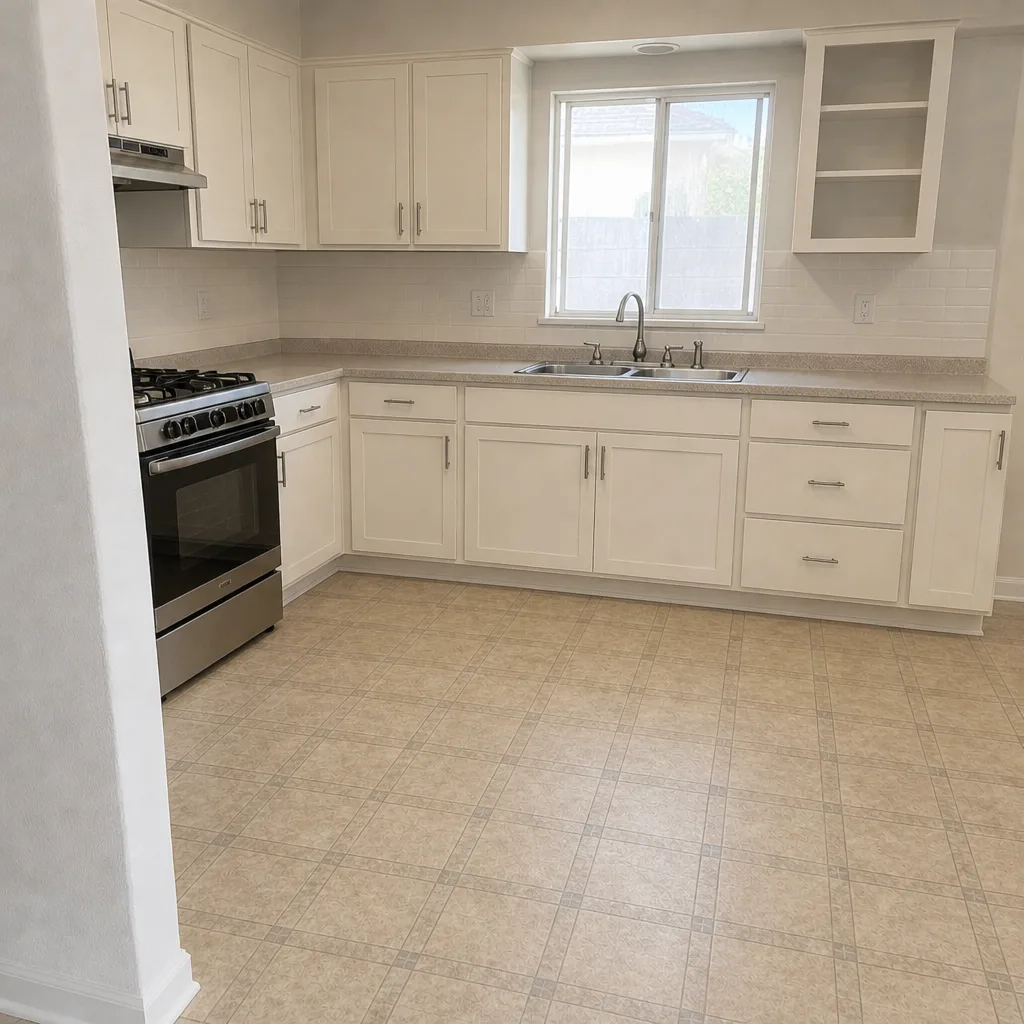
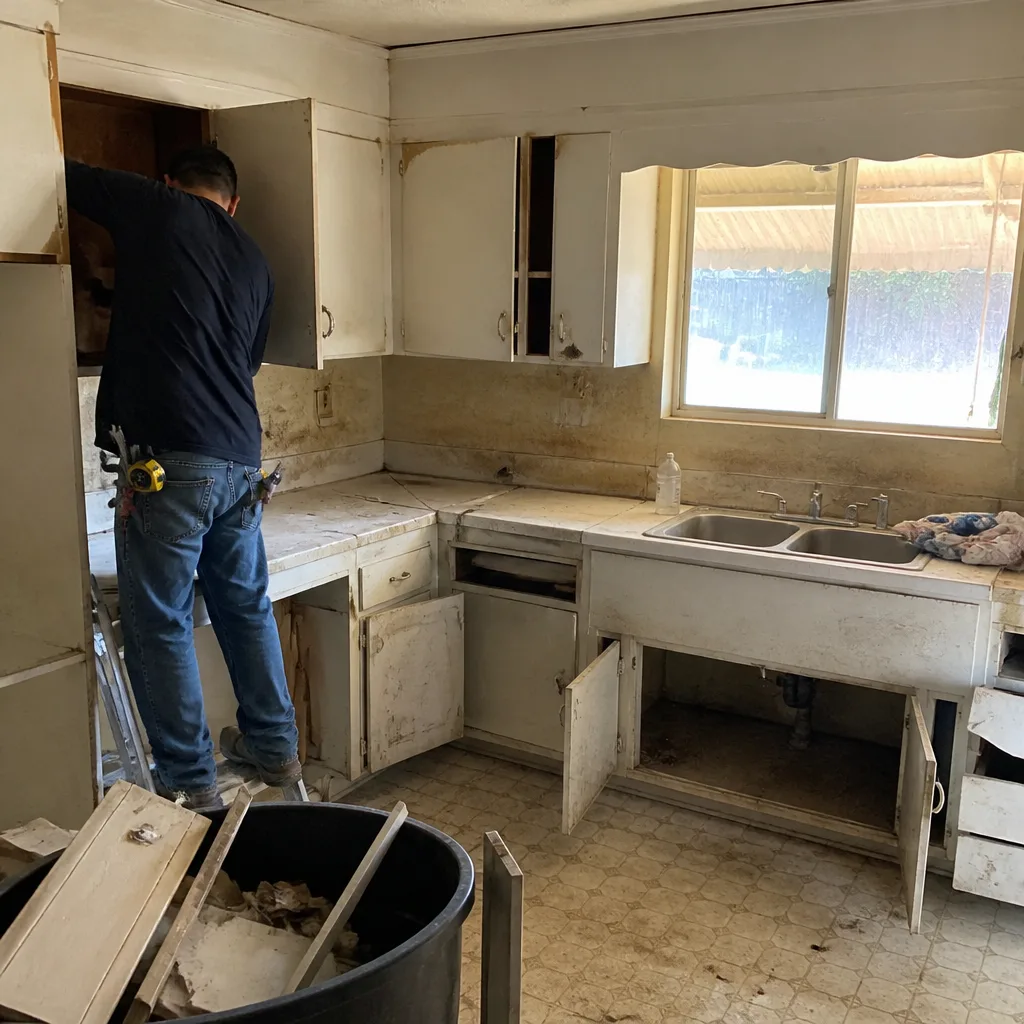
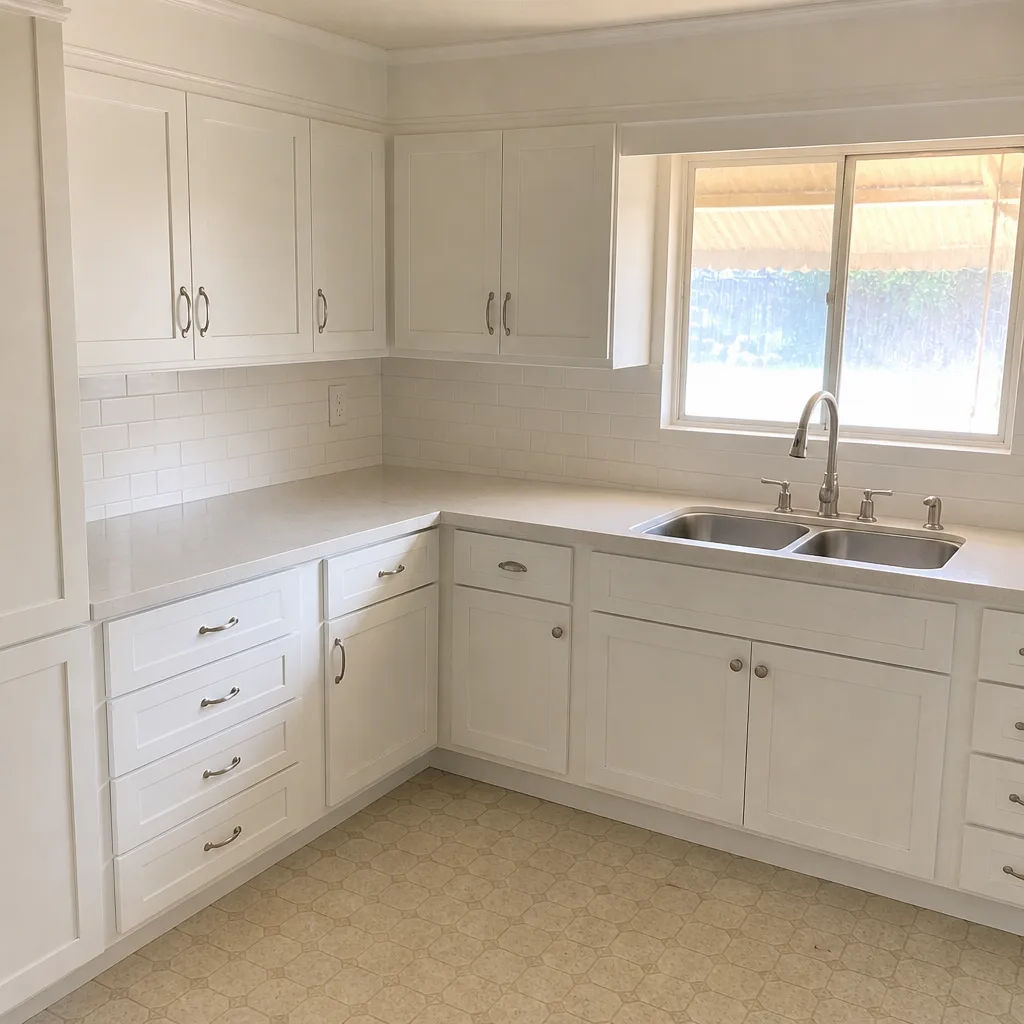
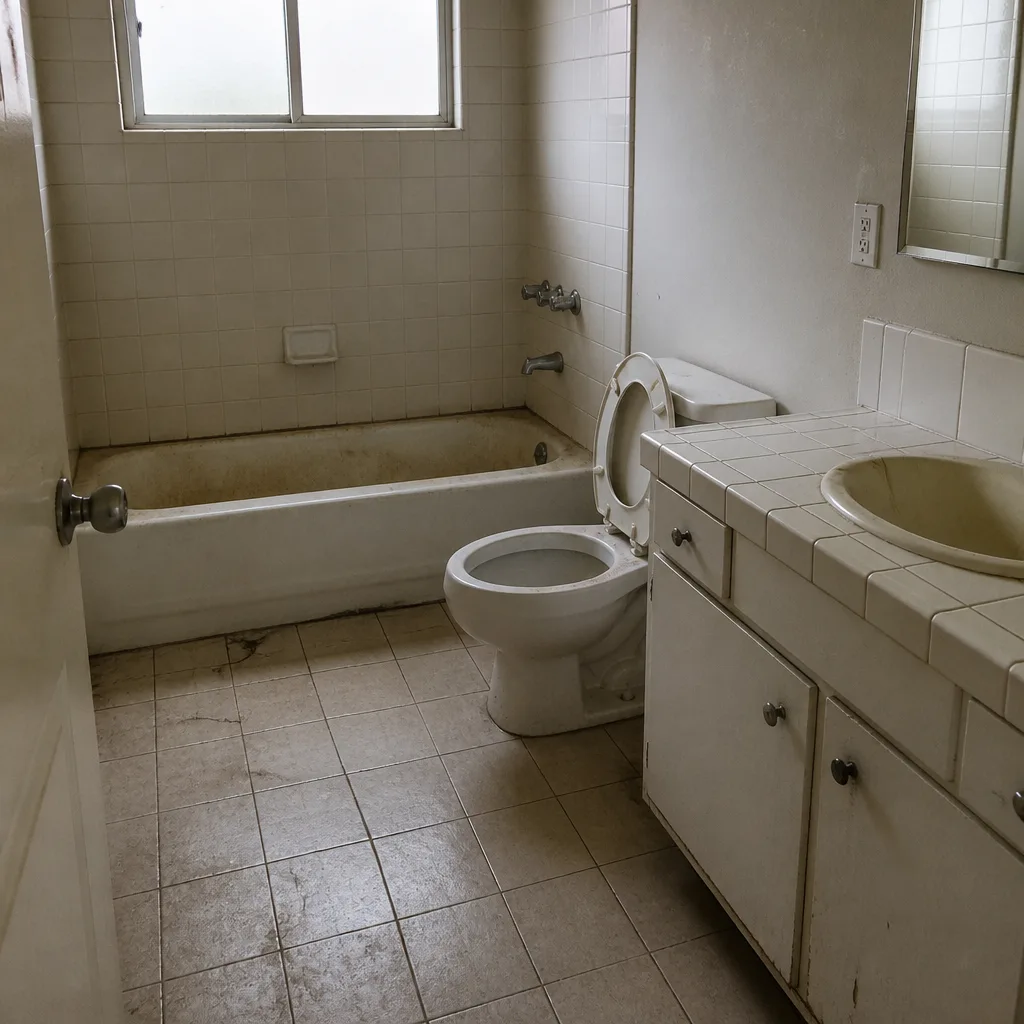
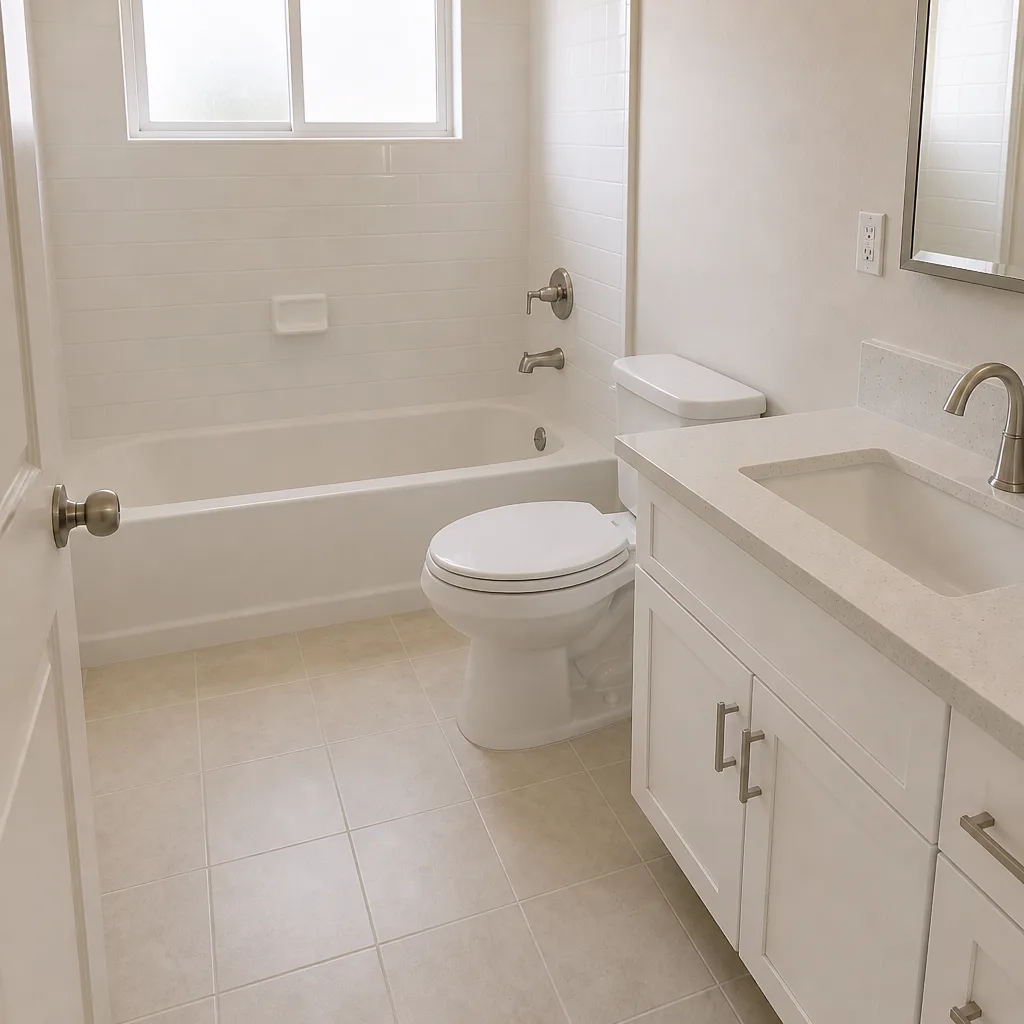
See the difference
 Before
 After
 Before
 After
 Before
 After
When to Call a Professional
Call a professional immediately if any of these is true: you have water actively entering the structure, a visible roof sag, a foundation crack that has widened since you first noticed it, gas odor in or near the house, a retaining wall with visible rotation, or a broken window or door opening that hasn’t been secured. For utility shutoffs, trusting a trained technician to the panel is safer than testing your own nerve at 2 a.m.; the electrical panel and gas line are the two places in a home where a confident homeowner most often causes a genuine injury.
Rowan Construction Group Santa Ana offers free estimates across all seven trades. Call (833) 853-5955 to schedule an assessment – we’ll arrive with the camera running, deliver a written price before any work begins, and the photo record is yours to keep. If you’re looking at a project larger than a repair, the same free estimate applies.
Frequently Asked Questions
Water extraction in Santa Ana typically runs $1,200 to $3,200 per affected room, and full structural drying adds $1,800 to $4,500 depending on the affected area. Premiums rise if the water is contaminated (from a sewer backup) or if the affected area includes high-value flooring. Call (833) 853-5955 for an exact quote – estimates are free.
Only for a narrow list of emergency measures – tarping, boarding, shoring under engineer direction, and stopping an active leak – and only with written documentation to the local building department within 24 hours under Health and Safety Code §19132. Structural, electrical-panel, gas-line and reroof work require permits regardless of emergency status. If a contractor can’t name this statute on the phone, do not hire them.
On most Santa Ana properties the main shutoff sits inside the front-yard meter box near the sidewalk, or on the supply side of the meter in a separate gate valve. In homes built before 1960, you may find a second shutoff under the house or at the water heater. If you can’t find yours in 60 seconds, have a plumber tag it now – it’s a $100 to $150 visit.
A hairline crack that has been stable for years usually doesn’t need an engineer; a crack that has widened, is accompanied by doors that no longer latch, or appears alongside a sloping floor does. In those cases, call the engineer before the contractor – a remediation plan that comes before the engineer’s report is often disallowed by insurance. Call (833) 853-5955 if you want a free estimate on the repair once the engineer signs off.
Verify your roof is Class A (ask for the classification in writing), install 1/8-inch ember-resistant vent screens on every soffit and eave vent, and maintain a 5-foot non-combustible zone at the base of the house and wood fence lines. Santa Ana’s wind corridors carry embers well past any fire line, so adjacency isn’t the only risk factor.
Most homeowner policies cover emergency mitigation (tarping, boarding, water extraction) as part of the overall claim, provided you document before remediation and use a licensed vendor. Damage that occurred before the emergency is not covered. The difference between full and partial coverage is usually the photo record – keep the one the mitigation crew produces. Call (833) 853-5955 for a free estimate on the permanent repair once your claim is open.
The Bottom Line
Construction emergencies in Santa Ana break down into three categories – structural, weather event, and utility-system failure – and each has a documented first-hour protocol that’s different from the other two. The card is the whole game. Get the shutoffs located and photographed, get the panel labeled, get the contractor numbers written, get the Class A verification in writing. Test the main valve once a year. Know that §19132 allows a narrow emergency response with 24-hour documentation, and that everything else needs a permit. And when the work is real, ask for the written price before anyone opens a toolbag. That’s the standard an emergency deserves.
Rowan Construction Group Santa Ana writes a flat price before any work starts, delivers a documented photo record on every visit, and backs the finished job with the 365-Day Done Right Promise. Free estimates on every trade. Call (833) 853-5955 to schedule yours.
Written by the team at Rowan Construction Group Santa Ana.