Last updated November 18, 2026

Free written scope consultation - allowances, timeline, and change-order rules on paper before a single trade is scheduled
DIY vs Professional Bathroom Remodeling: What’s Safe to Do Yourself
In California, a homeowner who installs their own shower valve without a permit can be required to open the finished wall for inspection before selling the house, sometimes years later. That’s not a scare tactic; it’s how local building departments close out unpermitted work during a title transfer. Most DIY bathroom advice online asks whether you’re handy enough. That’s the wrong question. The right one is whether the work requires a permit, touches a wet wall, or affects a shared drain line, because those three factors decide your legal liability and insurance coverage, not your skill level. This guide draws the line with code, not confidence, and tells you where DIY in a Santa Ana bathroom genuinely saves money and where it quietly costs more.
Quick Answer
In California, tasks like painting, hanging a mirror, swapping a freestanding vanity that doesn’t move plumbing, and installing towel bars are safe and legal to do yourself. Anything over $500 in combined labor and materials requires a licensed contractor under CSLB rules, and all work behind the wall, new electrical circuits to GFCI outlets, and any change to a shared drain line must be permitted and inspected. If your project moves a drain, adds a circuit, or opens a wet wall, hire a licensed professional.
Styles & brands we work with
- Kitchen remodeling
- Bathroom remodeling
- Home additions & ADU
- Roofing
- Windows & doors
- Driveway & pavers
- Fence
Table of Contents
- Where the Code Draws the Line in California
- Tasks That Are Genuinely Safe to Do Yourself
- What the CSLB Actually Requires of a Licensed Contractor
- How DIY in One Phase Costs More in the Next
- What Documentation a Contractor Provides That DIY Can’t
- The Dollar-Based Breakeven: When DIY Stops Paying
- Common Mistakes to Avoid
- When to Call a Professional
Where the Code Draws the Line in California
California doesn’t regulate DIY by skill. It regulates by scope. The Contractors State License Board (CSLB) requires a licensed contractor for any project where the combined cost of labor and materials exceeds $500. That single number settles most of the argument. A vanity swap with a new faucet and a fresh coat of paint lands near that line. A shower replacement never does.
Three categories of bathroom work fall firmly on the licensed side, regardless of how capable you are:
- Anything behind the wall. Shower valves, mixing valves, supply lines, drain rough-ins, and tub overflow assemblies all sit inside a wet wall. That’s not a preference. Water that migrates into a wall cavity in a Santa Ana home can reach the subfloor and framing in a single season, and repairs start in the thousands.
- Any new electrical circuit. Bathrooms require GFCI protection at every receptacle, and adding a circuit or moving a dedicated line means a permit and a licensed electrician. In older Santa Ana housing stock, a simple outlet swap can reveal aluminum branch wiring or ungrounded Romex that turns a fifteen-minute job into a panel question.
- Anything that touches a shared drain line. Moving a toilet, relocating a sink drain, or tying into the main stack requires a plumbing permit and inspection. If you’re in a condo or a shared-wall property, the line may not be yours to alter at all.
Permits aren’t paperwork for its own sake. They exist so a city inspector can verify that the work meets the current code edition at the time of the remodel, which protects you at resale and, more urgently, if water damage ever claims a homeowner’s policy. Unpermitted plumbing is a common exclusion reason.
Tasks That Are Genuinely Safe to Do Yourself
There’s real money in DIY if you pick the right tasks. In our experience, painting, hardware, and finish work account for a meaningful share of a bathroom contractor’s labor line, and they’re the parts that carry the least risk.
These are the jobs where we tell a Santa Ana homeowner to save the labor and do it themselves:
- Painting. Walls, ceiling, trim, and door. Bathroom paint should be a satin or semi-gloss acrylic with a mold-resistant additive, not standard flat wall paint, because Santa Ana’s inland heat and morning humidity swings push ordinary paint toward mildew on the ceiling within a season or two.
- Hanging a mirror. A flat mirror over a vanity is a matter of anchoring into a stud or using rated toggle hardware. Nothing in the wall gets touched.
- A freestanding vanity swap with no plumbing move. If the new vanity uses the same drain location and supply stubs, and you can reach the shutoff valves, swapping the cabinet is within most homeowners’ reach. The moment you need to move the drain or cut into the wall, it stops being DIY.
- Accessory hardware. Towel bars, robe hooks, toilet paper holders, a new shower curtain rod, a floating shelf. Low cost, low risk, reversible.
- Caulking and re-grouting. Refreshing the caulk line at a tub or shower base is straightforward maintenance. Grout replacement in a dry-wall setting is also reasonable; grout in a wet shower pan is a different conversation.
- Fixtures at the point of connection. Swapping a toilet is generally within a homeowner’s reach if the flange is sound and the shutoff is functional. If the flange is cracked or the shutoff won’t close, stop and call a plumber, because that’s no longer a fixture swap.
The pattern is simple: if the job requires opening a wall or changing a line, it’s on the licensed side. If the job is surface, finish, or hardware, it’s yours to keep.
What the CSLB Actually Requires of a Licensed Contractor
When you hire a licensed contractor for a bathroom in Santa Ana, you’re not just paying for labor. You’re paying for a specific set of legal obligations the contractor carries so you don’t have to.
The CSLB requires a licensed contractor to hold a state license in the trade they perform, carry a surety bond, and maintain workers’ compensation coverage for employees. They’re legally responsible for pulling the permits on their projects and for the code compliance of the work. If a licensed plumber installs a shower valve that leaks into a ceiling, the contractor’s bond and insurance are on the hook. If you install the same valve yourself, you are.
Here’s the part most homeowners miss. Insurance coverage changes when the work changes hands. A homeowner’s policy typically covers water damage from a plumbing failure. It often excludes damage caused by unpermitted, non-code-compliant work the homeowner installed. So the thirty minutes you saved installing that valve can turn a $4,000 drywall and flooring repair into an out-of-pocket event.
Licensed professionals also carry something less obvious: a documented process. When we work a bathroom remodel in Santa Ana, every customer gets a flat written price with the scope spelled out before work begins, and no change proceeds without a signed change order. You can see the same discipline across our Rowan Construction Group Santa Ana home and on trades that share the same standard, like Home Additions & ADU in Santa Ana, where unpermitted work becomes a seller’s problem faster than anywhere else.
How DIY in One Phase Costs More in the Next
This is where DIY math usually goes wrong. A homeowner does a task, gets it roughly right, and moves on. Six months later a tile setter or finish carpenter has to correct the substrate before they can do their job, and that correction is billed at a trade rate the homeowner never budgeted.
Concrete examples from Santa Ana bathrooms we’ve worked on:
- Misaligned backer board. If cement backer board is installed out of plane or with fasteners set too deep, the correction is to remove and reinstall an affected section, or to build out the surface with thinset and let it cure. That adds roughly 4 to 6 hours of tile labor before a single tile is set. At Santa Ana trade rates of $85 to $110 per hour, that’s $340 to $660 you didn’t plan for.
- Undersized or incorrectly pitched shower drain rough-in. A DIY rough-in that doesn’t match the pan slope means the pan has to be removed and rebuilt with a proper pre-slope. That’s a several-hundred-dollar correction before the tile ever goes down.
- Vanity set without a proper shutoff. If the new vanity was installed over a shutoff that doesn’t close, the next repair means shutting water off at the meter.
- A GFCI installed without a dedicated circuit. If the new outlet shares a line with a light fixture, it’s a code issue the inspector will flag at resale, and it has to be corrected before close.
We can quote a written price for correction work the same as for new work. But the reality is that corrections rarely cost less than the task would have cost to do correctly the first time.
What Documentation a Contractor Provides That DIY Can’t
Manufacturers build their warranties around professional installation. Kohler and American Standard both require installation by a licensed professional for warranty coverage on valves, toilets, and fixtures; the exact language varies by product, but the effect is consistent. A homeowner-installed Kohler valve with a catastrophically failed cartridge is the homeowner’s claim. A licensed-installed Kohler valve with the same failure is a manufacturer’s claim, backed by a service ticket.
The same logic applies to bathtubs, shower surrounds, and specialty fixtures. When a professional install is documented, brand warranty pass-through survives the life of the product.
Documentation also serves you at resale. In a Santa Ana home sale, a buyer’s agent will ask for permits and inspection records on any bathroom remodel completed within the last several years. A licensed contractor’s paper trail, including the signed scope, the change orders, and the final inspection sign-off, answers that question. A DIY bathroom either has that paperwork or it doesn’t, and the absence invites price concessions on the sale.
Our own documentation standard exists for this reason. Every Rowan Construction Group visit includes a documented photo record as a standard deliverable, not an add-on. If a Kohler valve install ever fails, we can show when it was installed, by whom, and what the wall looked like behind it.
The Dollar-Based Breakeven: When DIY Stops Paying
The right way to decide is not “can I do this?” but “does the total cost of DIY, including permit, inspection, and correction risk, exceed the contractor’s labor line?” Here’s how that math runs for a typical Santa Ana bathroom remodel task.
Say a homeowner is considering installing a new shower valve and mixing valve themselves to save money. Assume the parts cost $450 at retail.
- The permit for DIY plumbing in most Santa Ana-area jurisdictions runs in the low hundreds of dollars, and the homeowner has to pull it as the owner-builder.
- The inspection period means the wall stays open for a scheduled inspection, typically days to a couple of weeks, and a re-inspection fee if the first attempt fails.
- The contractor’s labor line for installing a shower valve and mixing valve with a permit and inspection is commonly in the $500 to $900 range, depending on wall access and whether the existing supply lines need to be extended.
- If the DIY install fails inspection or the valve fails post-install, the homeowner has no warranty pass-through, plus a correction cost that can add $400 to $800 for drywall and tile patching before the valve is re-set.
Add the low-end scenario: $450 parts + ~$150 permit + the risk of a $400 correction, and DIY lands around $1,000 with an inspection cycle in the living room. The contractor’s labor quote for the same work is often lower than the DIY worst case, and it comes with a warranty pass-through. That’s the breakeven. It happens faster than most homeowners expect, and it’s the reason a written quote is worth asking for even on work you intend to keep partially DIY.
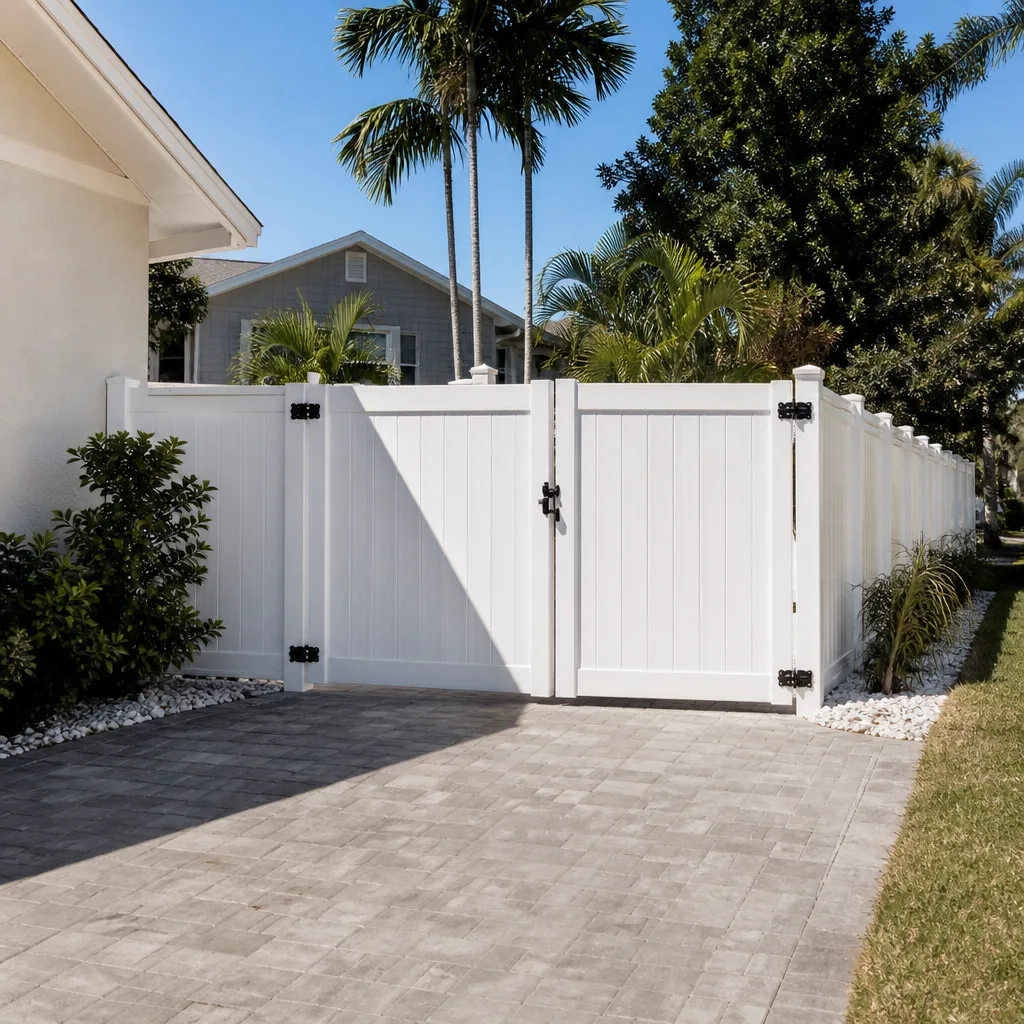
The same breakeven logic drives other trades. On exterior projects like Driveway & Pavers in Santa Ana and Fence Installation in Santa Ana, the permit-and-inspection cost per linear foot is what tips the decision toward a licensed contractor. In a bathroom, it’s the valve behind the wall.
Common Mistakes to Avoid
- Skipping the permit to save time. In Santa Ana, an unpermitted bathroom becomes a disclosure item at sale and often a correction demand from the buyer’s inspector, so the saved weeks turn into a delayed closing.
- Treating “I’m handy” as the deciding factor. Skill is necessary but not sufficient. The permit, wet-wall, and shared-drain tests override skill every time.
- Opening a wall before checking the shutoff. A valve that won’t close fully turns a ten-minute job into a ceiling repair on the floor below.
- Buying the tile before the substrate is verified. If the subfloor or backer board needs correction, the tile order you locked in may not fit the actual plane of the wall or floor.
- Installing a Kohler or American Standard fixture without documenting the install. The detailed installation record is what a warranty claim runs on, and if you didn’t keep it, the claim dies.
- Assuming a condo or shared-wall bathroom is yours to alter. In parts of Santa Ana, the drain line behind the wall may belong to the HOA. Confirm before you cut.
- Treating a correction quote as the same as a project quote. Correction work is priced higher per hour than new work because it starts with demolition, and the cost shows up on the invoice even when the original intent was to save.
One more: don’t let one phase of DIY eat the savings from another. Painting, hardware, and a freestanding vanity swap are the three tasks that reliably save money. Everything else is a coin flip once you count the correction risk. And when windows and doors are part of the bathroom scope, brands like ES Windows and ECO Window Systems are worth naming at the quote stage so the number on the page is a real one, not an estimate that grows.
See the difference
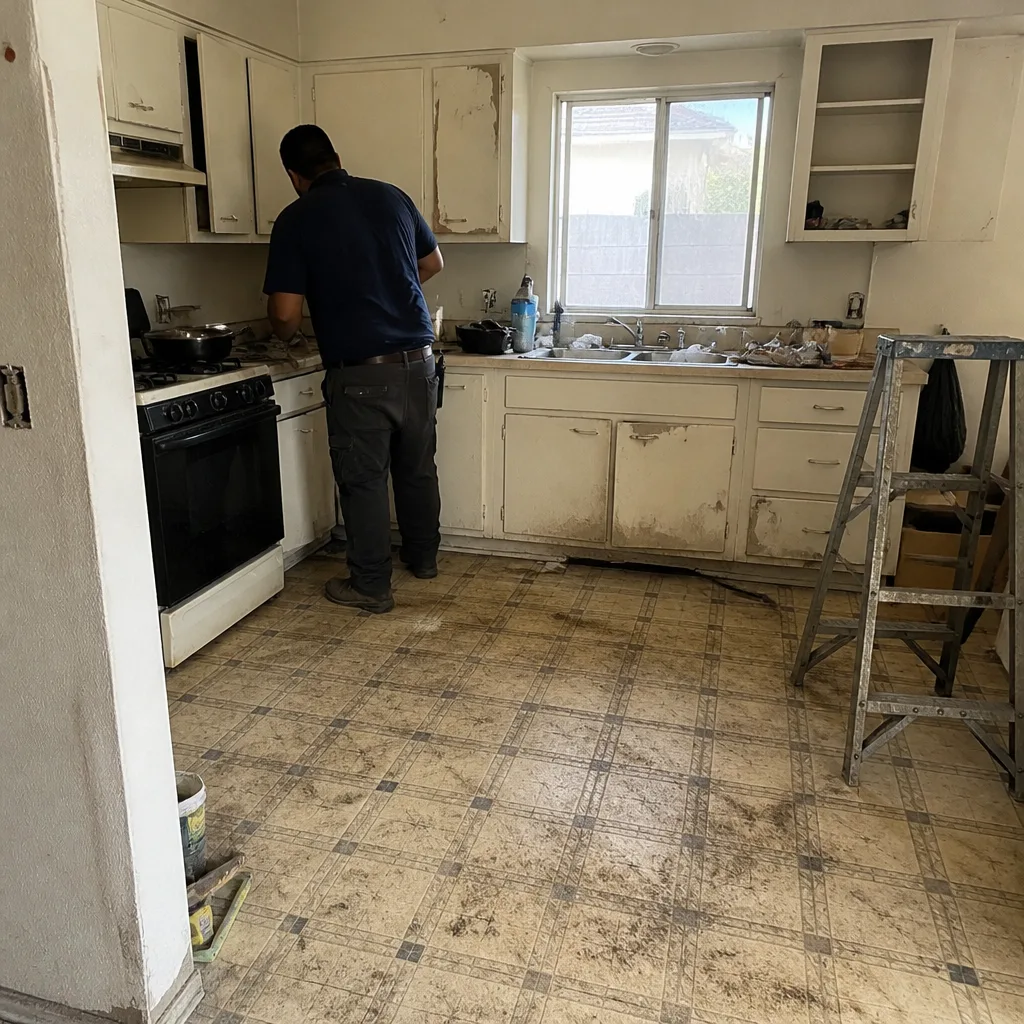 Before
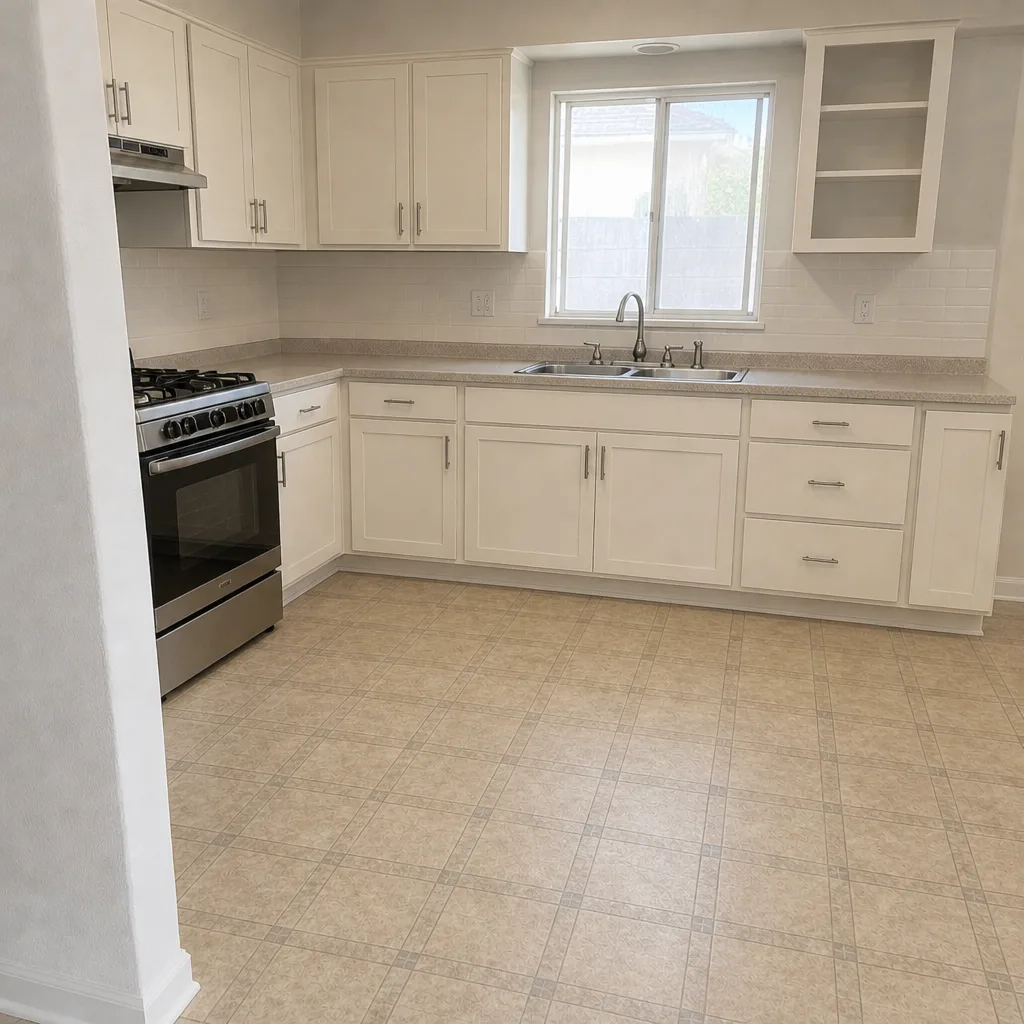 After
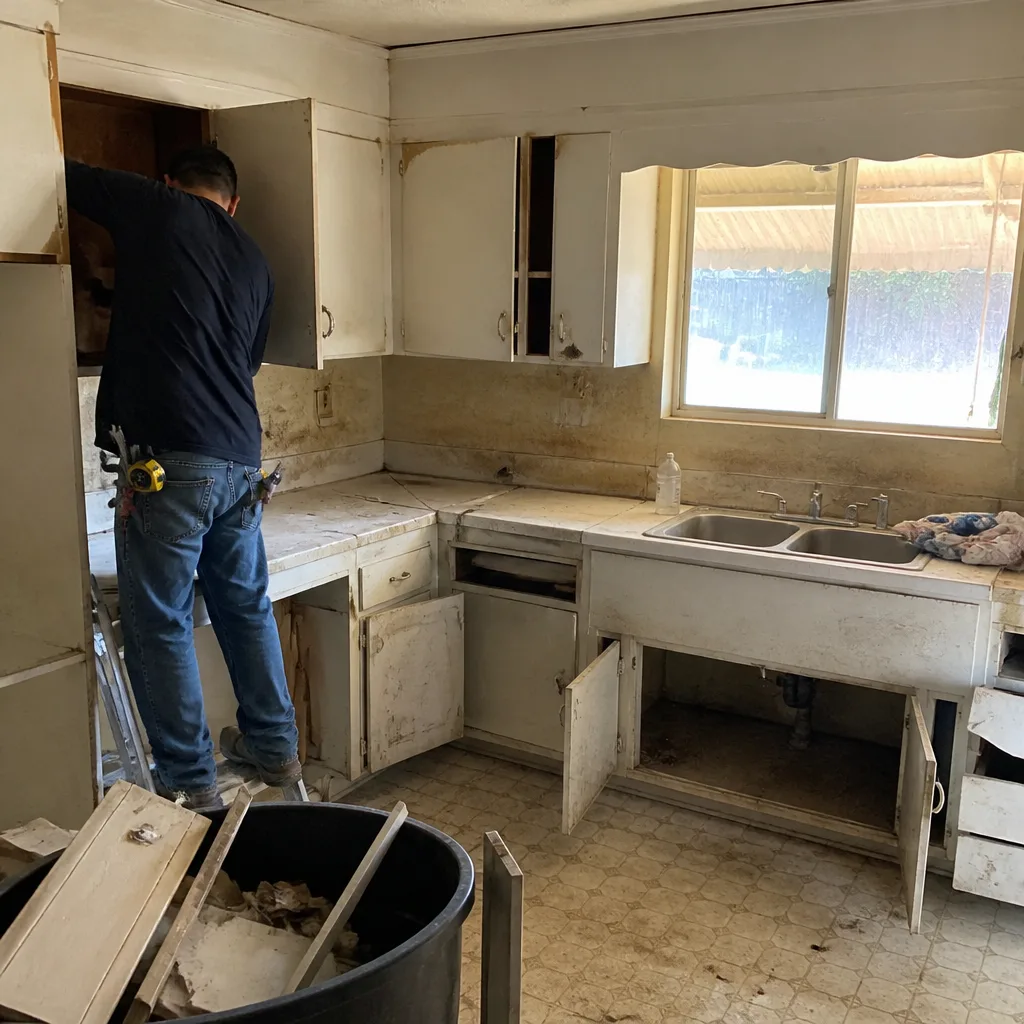 Before
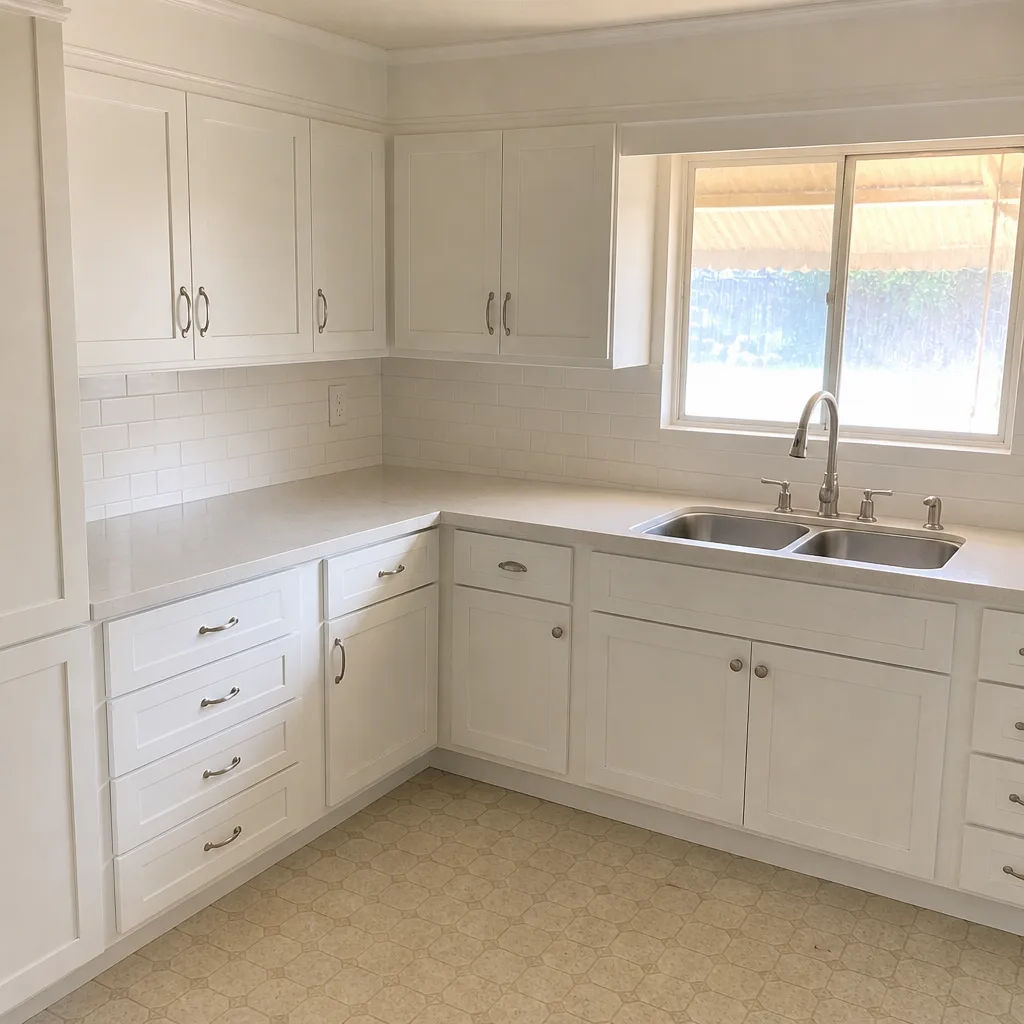 After
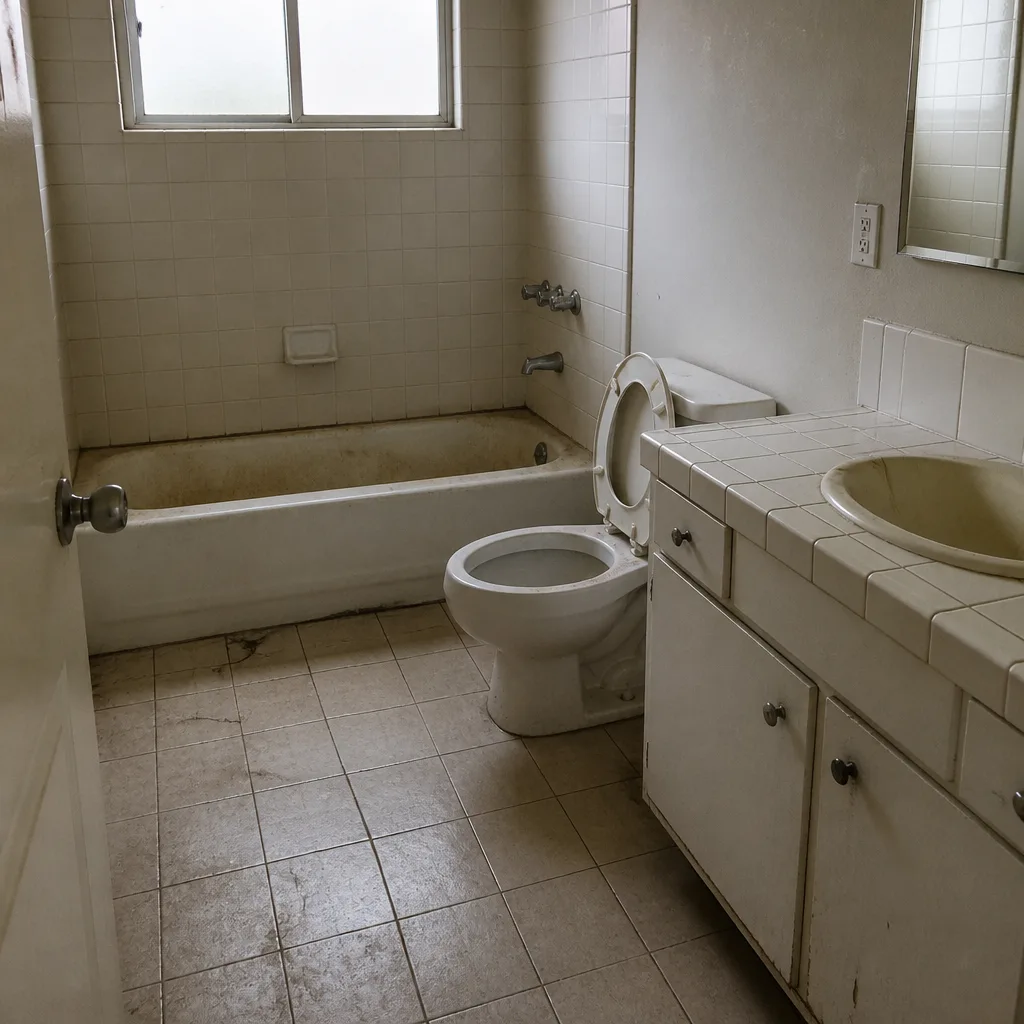 Before
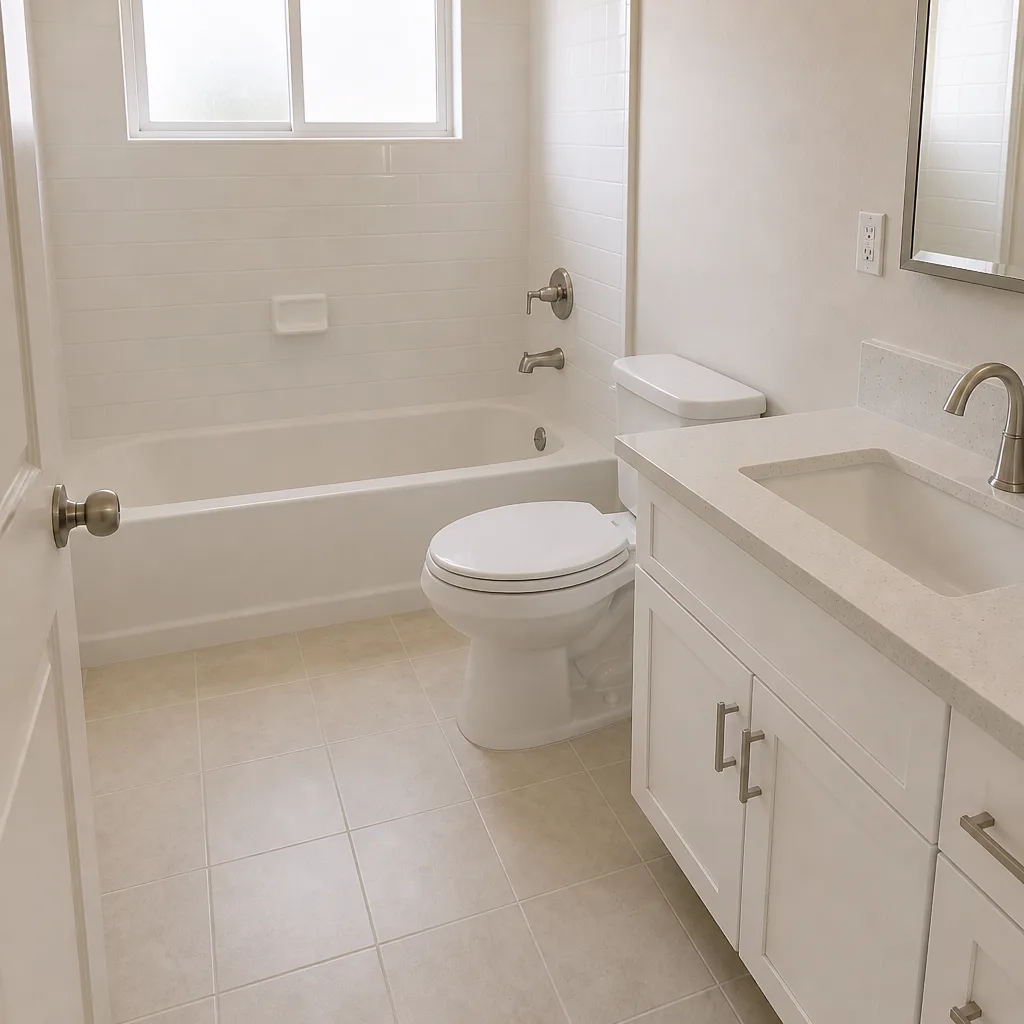 After
When to Call a Professional
Call a licensed professional the moment your bathroom work involves any of the following: opening a wet wall, moving or tying into a drain line, adding or relocating an electrical circuit, replacing a shower valve or mixing valve, correcting a failed inspection, or a project whose combined labor and materials exceed $500. If you’re in a condo, call before you touch a shared wall or common drain. If your home was built before the 1980s and you haven’t verified the wiring or drain material, call before you open anything. If a permit is required and you’re unsure how to pull it or how the inspection process works, call. Rowan Construction Group Santa Ana offers free estimates in Santa Ana, a flat written price before any work starts, and a free second opinion on any written estimate you already have. Call (833) 853-5955 to schedule yours.
Frequently Asked Questions
Yes, for work under $500 in combined labor and materials and for work that doesn’t require a permit or inspection. Above $500, or for any work behind the wall, any new electrical circuit, or any alteration to a shared drain line, California requires a licensed contractor. Painting, hardware, and a vanity swap that doesn’t move plumbing are all safely within DIY. Call (833) 853-5955 for a free estimate if any part of your Santa Ana project crosses the licensed line.
Yes. A shower valve is behind the wall and connected to the supply plumbing, so it requires a plumbing permit and inspection in Santa Ana and the surrounding Orange County jurisdictions. Skipping the permit can create a disclosure issue at sale and often voids homeowner’s insurance coverage for water damage from the unpermitted work. Call (833) 853-5955 to schedule a free estimate and we’ll quote the permit and inspection with the install.
Generally no. Both brands condition coverage on installation by a licensed professional, and the warranty claim process requires documentation of that professional install. A homeowner-installed Kohler valve or American Standard toilet with a defect is typically the homeowner’s repair. When you hire a licensed contractor, the install plus the warranty pass-through is a real benefit, not marketing language.
Correction costs commonly run $400 to $1,500 depending on what has to be reopened or replaced: backer board, tile, drywall, subfloor, or drain rough-in. Tile labor alone in Santa Ana runs $85 to $110 per hour, so a 4-to-6 hour substrate correction can cost $340 to $660 before new material. Call (833) 853-5955 for a free estimate on correction work, and ask about our Free Second Opinion if you already have a quote in hand.
Painting, hanging a mirror, installing towel bars and shelf hardware, re-caulking tub and shower surrounds, and swapping a freestanding vanity that doesn’t move a drain or supply line are all genuinely safe and legal to do yourself in California. They carry low permit exposure and little correction risk. On a typical Santa Ana bathroom, those tasks account for a real share of the labor line, and the savings are clean. Call (833) 853-5955 to talk through the split before you start.
Not automatically, but unpermitted or non-code-compliant work often does. A buyer’s inspector will flag missing permits, out-of-code electrical, and any plumbing behind the wall that can’t be verified, and the buyer typically responds with a price reduction request or a demand to correct before close. Documented, permitted work sells cleanly; undocumented work sells with a discount. That’s a conversation worth having with a licensed contractor before you start. Call (833) 853-5955 for a free estimate on any part of the project you want to keep on the licensed side.
The Bottom Line
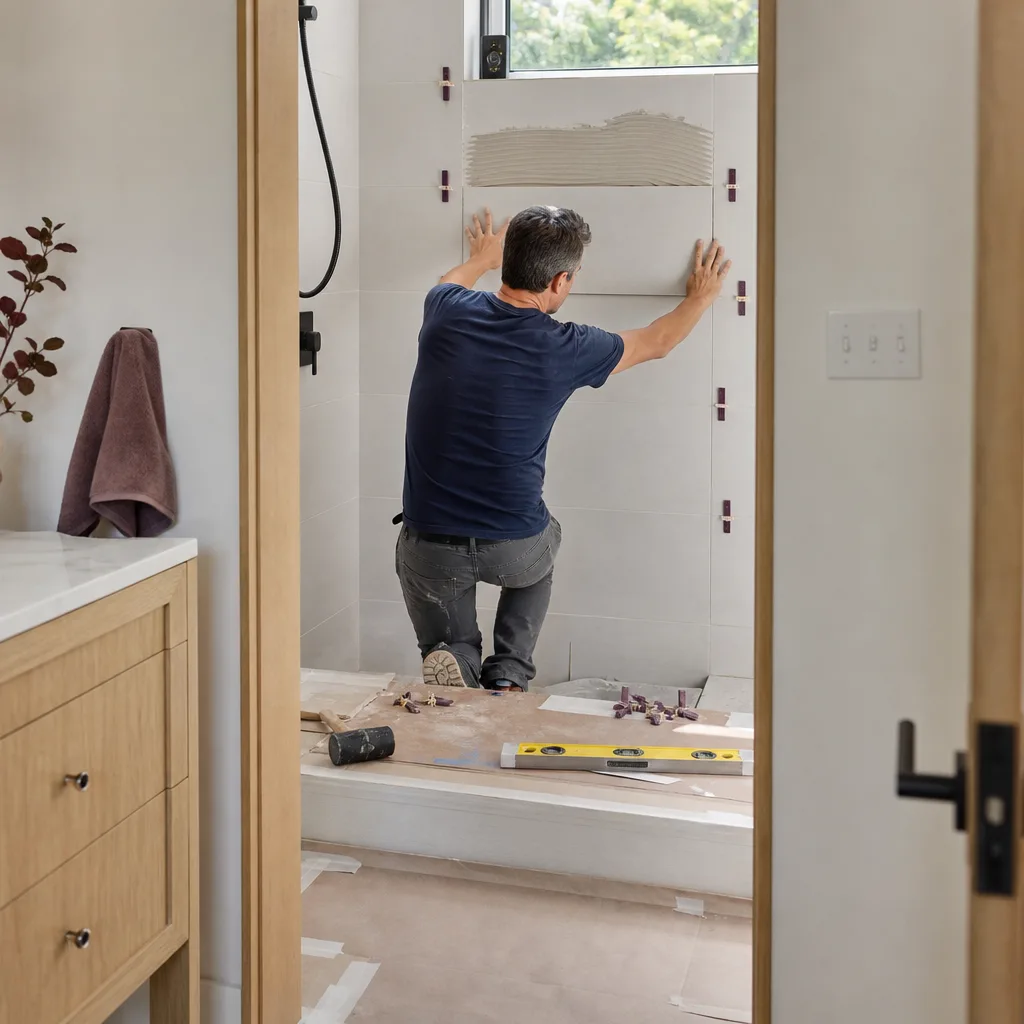
The right question isn’t whether you’re handy, it’s whether the work requires a permit, touches a wet wall, or affects a shared drain line. Painting, hardware, and a freestanding vanity swap are yours to keep. Valve work, new electrical circuits, drain changes, and anything above $500 in combined labor and materials belong to a licensed contractor, and the math usually supports that even when you’re confident. In Santa Ana, the permit and correction risk of DIY typically exceeds the contractor’s labor quote once you do the honest arithmetic. A written price before any work starts is the cheapest insurance in the trades. If you want the number on paper, we’ll put it there.
Rowan Construction Group Santa Ana quotes every bathroom project with a flat written price and a written scope, and no change proceeds without a signed change order. The 365-Day Done Right Promise, backed by The Haven Standard, applies to every project we deliver. Free Second Opinion on any written estimate, no charge. Call (833) 853-5955 to schedule your free estimate, or ask us about a second opinion on a quote you already have.
Written by the team at Rowan Construction Group Santa Ana.