Last updated November 18, 2026
Free written scope consultation - allowances, timeline, and change-order rules on paper before a single trade is scheduled
Choosing the Right Construction Brand: A Buyer’s Guide for Santa Ana
A 50-year roofing warranty sounds protective until you read the fine print. Most manufacturer warranties in California are prorated after year ten, require installation by a certified applicator, and are voided by any modification, including adding a solar mount. That gap between the marketing and the contract is where most Santa Ana homeowners lose money on materials. This guide gives you the framework to close it: how to read a warranty document clause by clause, how to rate brands on performance rather than reputation, how to verify the brand you paid for is the brand that arrives on-site, and how to match material grade to how long you actually plan to stay.
Quick Answer
Choose construction brands in Santa Ana by reading the warranty document before the brochure: check the proration schedule, the installer certification requirement, the exclusion list, the transferability terms, and the claim process. Then rate each brand on third-party test data and Orange County climate performance, not on showroom impressions. A brand is only as good as its paperwork, and a contractor who won’t hand you that paperwork before work starts is telling you something.
Styles & brands we work with
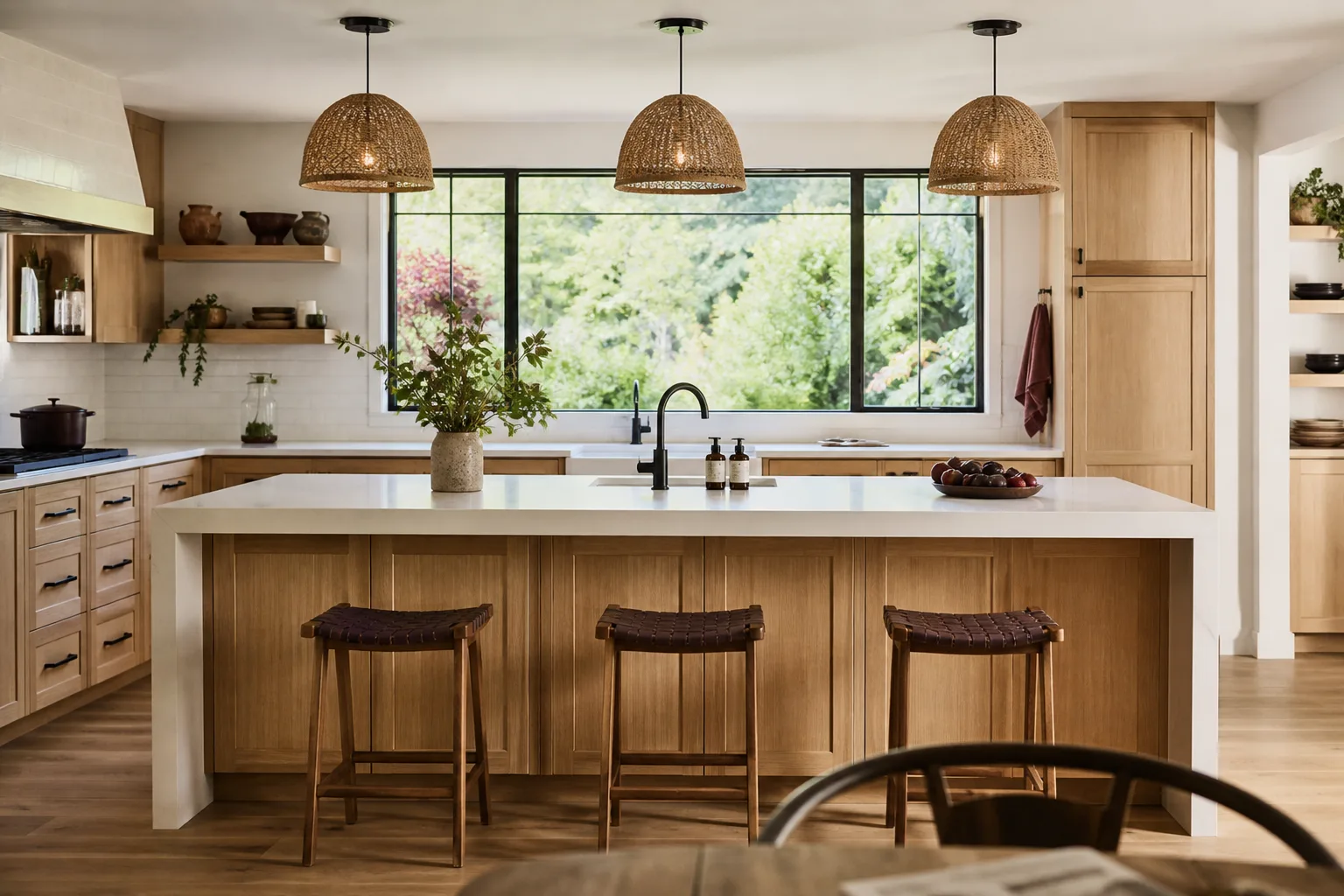
- Kitchen remodeling
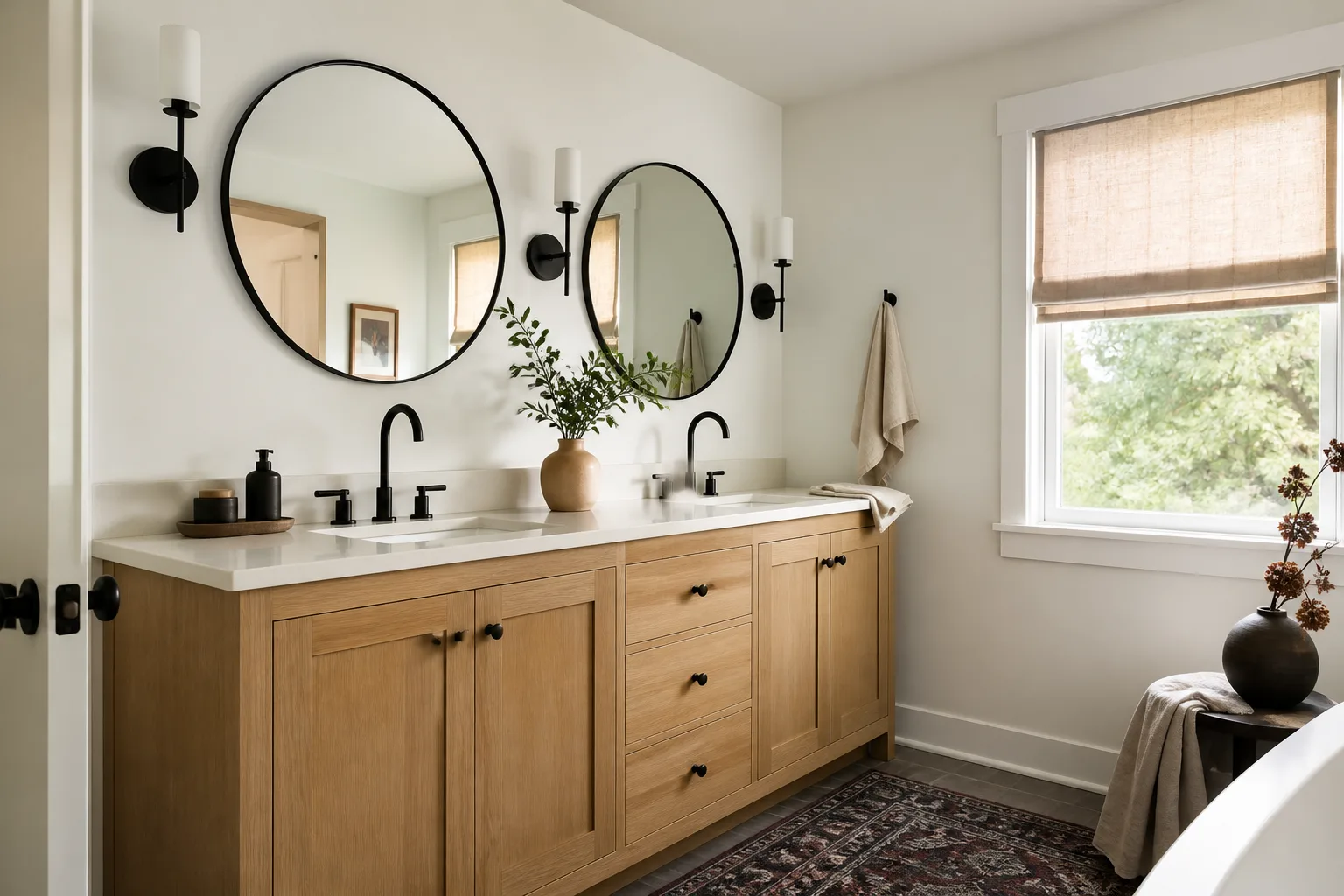
- Bathroom remodeling
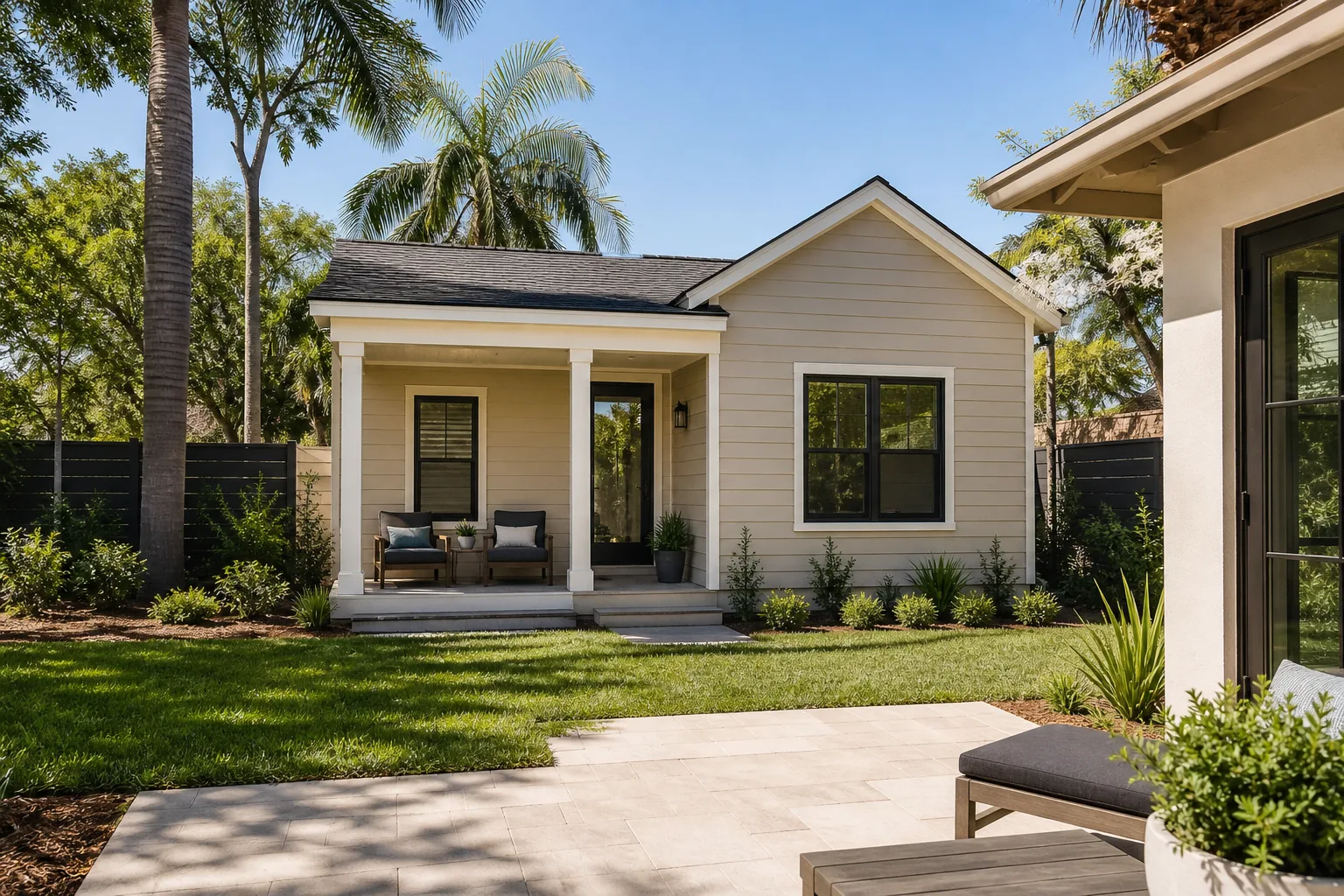
- Home additions & ADU
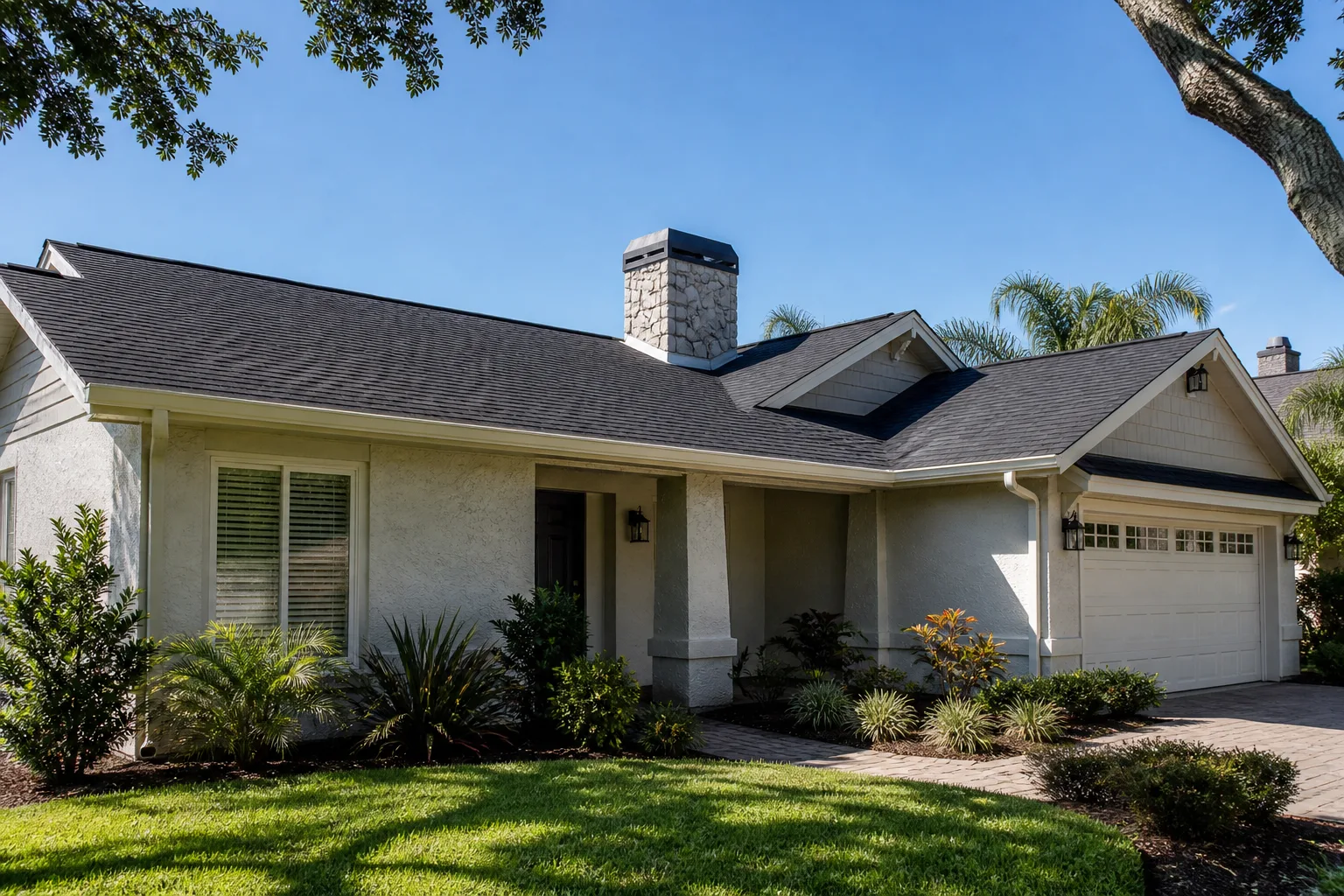
- Roofing
- Windows & doors
- Driveway & pavers
- Fence
Table of Contents
- Why brand selection in Santa Ana is usually outsourced by accident
- How to read a material warranty: the five clauses that matter
- The four highest-cost material categories, rated on warranty and climate fit
- How to verify the brand you paid for is actually being installed
- Manufacturer warranty vs. workmanship warranty: why you need both
- Matching material grade to project life expectancy (cost-per-year math)
- Questions to ask before you sign a material selection
- Common mistakes to avoid
Why brand selection in Santa Ana is usually outsourced by accident
Most homeowners don’t decide which shingle, window, or paver goes on their house. They decide which contractor does, and the contractor decides the brand. That handoff looks efficient. It also creates a conflict of interest that nobody discloses: many contractors receive volume rebates, tiered pricing, or co-op marketing support from specific suppliers. A contractor who earns more on Brand A than Brand B has a quiet incentive to specify Brand A, whether or not it fits your house, your budget, or your timeline.
We’ve seen this play out across Santa Ana’s housing stock, from the 1920s bungalows near the French Park historic district to the 1990s tract homes off Bristol Street. The material decision gets made in a truck or a supply house, not at the kitchen table with the homeowner present. By the time the quote arrives, the brand is already fixed and the number is presented as the only option.
Two things break that pattern:
- Ask for a line-item written price that names the brand and the model number on every material category, including the underlayment, the flashing, and the fasteners. Those are where substitution happens quietly.
- Ask whether the contractor has a supply relationship with that brand. A straight answer is a data point. A deflection is a bigger one.
The point isn’t that contractor supply relationships are dishonest. They often lower your cost legitimately. The point is that you should know one exists and see the alternatives, so the brand gets chosen for the building, not for the rebate.
How to read a material warranty: the five clauses that matter
A material warranty is a contract, and like any contract, the useful information sits in specific clauses rather than the front page. Five of them determine whether the warranty is usable when something fails.
- Proration schedule. Find the table that shows what the manufacturer pays in year one versus year fifteen. A “50-year” shingle warranty is often 100% coverage for the first ten years, then drops by fixed percentages. By year twenty you may recover a fraction of the original material cost while paying full price for the replacement labor.
- Installer certification requirement. Many California warranties only reach their full term when installed by a manufacturer-certified applicator, and fall back to a shorter term when installed by anyone else. If the warranty names a certification, confirm the crew installing your roof holds it, and get that in writing.
- Exclusion list. The exclusions are usually the longest section. Look for language about modifications, foot traffic, solar mounting, satellite dish hardware, and “acts of God.” Anything that voids the warranty for a change you might reasonably make in the next decade belongs in your decision.
- Transferability. If you plan to sell, a warranty that transfers to the next owner has resale value, and one that expires at sale does not. Transfer fees and registration windows apply, so read them before you assume the warranty travels with the house.
- Claim process. Who do you call, what documentation do they demand, and is there a resolution time commitment? A warranty that requires original receipts, a certified installer’s sign-off, and a formal inspection you have to schedule yourself is a warranty you may never use.
In our experience, a Santa Ana homeowner who reads these five clauses ends up choosing a different product roughly a third of the time. That’s the whole reason the clauses exist to be read.
The four highest-cost material categories, rated on warranty and climate fit
Most of the money in a residential project lands in four buckets: roofing, windows and doors, concrete systems, and exterior cladding. Santa Ana’s climate shapes how each one performs. Inland heat that pushes attic temperatures past 140°F, dry Santa Ana winds that drive embers and dust, and the occasional winter rain event that finds every bad flashing detail. Brand names here are examples of categories to evaluate, not endorsements of one product over another.
Roofing
Asphalt shingles dominate Santa Ana roofs, and the brand tier matters more in the warranty language than the shingle color. GAF and Owens Corning both offer extended warranty programs that bundle material and labor coverage, but the extended tiers require certified installers and specific underlayment systems. Compare the proration schedules side by side. A premium architectural shingle from either brand will outperform a builder-grade three-tab in heat cycling, but only if the attic ventilation is corrected at the same time.
Windows and doors
Look for the NFRC label on every unit, which reports U-factor (heat transfer) and SHGC (solar heat gain). For west-facing Santa Ana windows, a lower SHGC number reduces afternoon heat load directly. Vinyl frames handle inland heat well; fiberglass holds up better in the long run. Warranty terms on glass breakage, seal failure, and frame warping vary widely by brand, so compare the seal-failure language specifically, since that’s the most common failure mode.
Concrete systems
Interlocking pavers from Belgard and Techo-Bloc are engineered to flex and drain, which matters on clay-heavy soils and slab-on-grade driveways alike. The warranty question is whether coverage applies to the paver itself or to the installation system. A paver that holds its color for life but sits on a base that wasn’t compacted correctly will still shift and settle. Ask what the base specification is in inches and the compaction method, in writing.
Exterior cladding
Stucco remains the standard across much of Santa Ana, and its durable performance depends on three layers: the weather-resistive barrier, the weep screed at the base, and the finish coat. Fiber-cement siding brands carry long warranties tied to paint adhesion and moisture performance. Read the moisture-management requirements carefully, because a cladding warranty can be voided by improper flashing that was installed by someone else.
How to verify the brand you paid for is actually being installed
A quote that names a brand and a delivery that carries a different one is the single most common substitution in residential construction. It’s rarely dramatic. It’s a lower-tier shingle line within the same manufacturer family, or a different paver series with the same profile but a weaker finish. Here’s how to close the gap.
- Get the model number, not just the brand. “GAF shingles” is not a specification. A specific product line and model is. The same applies to windows, pavers, and cladding.
- Ask for the manufacturer’s product data sheet before delivery. It states the tested performance specs the warranty is conditioned on.
- Check packaging on-site. Every bundle, box, and pallet carries a manufacturer label with the product line printed on it. Photograph it on delivery day.
- Confirm the fasteners and underlayment match the warranty system. Manufacturers void coverage when the accessory components come from a different system. A staple instead of a nail pattern matters.
- Require a signed change order for any substitution. If the supply house is out of the specified product, the change should reach you in writing with a revised price before it’s installed. Not after.
Every Rowan visit includes a documented photo record of what arrived, what was installed, and where. It’s included as standard because the documentation is what turns a promise into something you can actually check later. If you’re reviewing a competitor’s written estimate, our Rowan Construction Group Santa Ana home page explains how the free second-opinion review works line by line.
Manufacturer warranty vs. workmanship warranty: why you need both
These are different promises with different backers, and the distinction determines who actually fixes a failure.
A manufacturer warranty covers the product: the shingle that cracks, the window seal that fails, the paver that spalls. Its limits are spelled out in the proration and exclusion clauses we covered earlier, and it typically pays for replacement material, not labor.
A workmanship warranty covers the installation: the flashing that leaks, the window that isn’t plumb, the base that wasn’t compacted, the stucco that cracks around a penetration. Its limit is the contractor’s willingness and financial ability to come back and fix the work.
Here’s why you need both: most material failures in the first five years are installation errors, not product defects. A shingle that blows off in a Santa Ana wind event failed because the nailing pattern was wrong, not because the shingle was bad. The manufacturer will look at the install, deny the claim, and point at your contractor. If your contractor’s workmanship warranty is a verbal “we stand behind our work,” you have nothing. If it’s a written term with a defined duration and a process for claims, you have recourse.
Under Clause 1 of The Haven Standard, our written price arrives before anyone starts work, and it carries a written scope and a written warranty with it. The 365-Day Done Right Promise backs the workmanship side and is printed on the page rather than buried in an asterisk. That’s not generosity. It’s the only version that means anything when a roof leaks in a February rain.
Matching material grade to project life expectancy (cost-per-year math)
The most expensive material choice is the one that’s wrong for how long you’ll own the house. A 20-year product is appropriate for a rental renovation and inappropriate for an addition you plan to live in for decades, and the math makes that concrete. Cost-per-year is the installed cost divided by expected service life, with labor included.
- Entry tier (builder-grade shingle, standard vinyl windows, poured concrete driveway): roughly $12,000 installed, 15-year service life. About $800 per year.
- Mid tier (architectural shingle, fiberglass windows, interlocking pavers): roughly $24,000 installed, 30-year service life. About $800 per year, with longer intervals between replacements and better resale documentation.
- Premium tier (premium architectural shingle with an extended labor warranty, high-performance window systems, premium paver systems with a base specification): roughly $42,000 installed, 45-year service life. About $933 per year.
Read that twice. The premium tier costs more per year, not less, because the labor savings don’t scale linearly with material life. The mid tier is usually the honest answer for a primary residence. The entry tier makes sense for a rental you’ll sell in ten years. The premium tier is for a forever home where the appearance and the documentation both matter, or where the climate demand justifies it. What you should never do is pay a premium price for an entry-tier product because the label was switched after the quote. If your plans run to an addition, the Home Additions & ADU in Santa Ana guide walks through how material grade ties to the structural scope.
Questions to ask before you sign a material selection
These are the five questions that surface the difference between a written price and a spoken one. Ask them before the contract is signed, and write the answers down.
- “Which warranty clauses apply to my installation, and can you give me the full warranty document before I sign?” A contractor who can produce it on request is telling you something.
- “Are you certified by the manufacturer whose product you’re specifying, and can I see the certification?” Certification is often the difference between a full-term and short-term warranty.
- “What happens if the specified product is out of stock at the supply house?” The answer should involve a signed change order with a revised price, not a verbal substitution.
- “What does your workmanship warranty cover, for how long, and what is the claim process?” If it isn’t written, it doesn’t exist.
- “Will you put the brand, model number, and installed price on the line-item quote?” The written price is where the brand decision becomes real.
For concrete and paver work specifically, add the base specification in inches, the ground preparation method, and the drainage slope. The brand of paver rarely fails. The base under it does. Our Driveway & Pavers in Santa Ana page details what a base spec should include, and the Fence Installation in Santa Ana guide covers the material swap questions that come up on exterior work, including the wood species and the fastener grade that determine whether a fence survives a wind event.
Common Mistakes to Avoid
- Buying the warranty instead of reading it. A 50-year label means nothing if the proration schedule drops to 10% after year ten and the certified-installer clause was never met. Read the five clauses before the material is ordered.
- Letting a rebate decide the brand. Ask whether your contractor has a supply relationship with the specified brand. A straight answer costs nothing; a hidden rebate costs you the alternative you never saw.
- Accepting “brand name” without a model number. GAF shingles and GAF shingles are different products. So are two paver lines from the same manufacturer. Without a model number, the quote is a suggestion.
- Assuming the manufacturer covers installation. Most first-five-year failures are install error, and the manufacturer will say so. You need a written workmanship warranty from the contractor in addition to the product warranty.
- Matching material grade to the wrong horizon. A 20-year product in a forever-home addition shortchanges you; a 45-year product in a rental you’ll sell in ten years wastes money. Do the cost-per-year math before the order goes in.
- Skipping the moisture details in stucco and siding. The weep screed and the flashing are where Santa Ana stucco jobs fail in the first winter. Specify them at the quote, not at the walkthrough.
- Treating the photo record as optional. If nobody photographs the delivery packaging and the installed base under the pavers, you have no evidence if a substitution or a settlement happens later.
See the difference
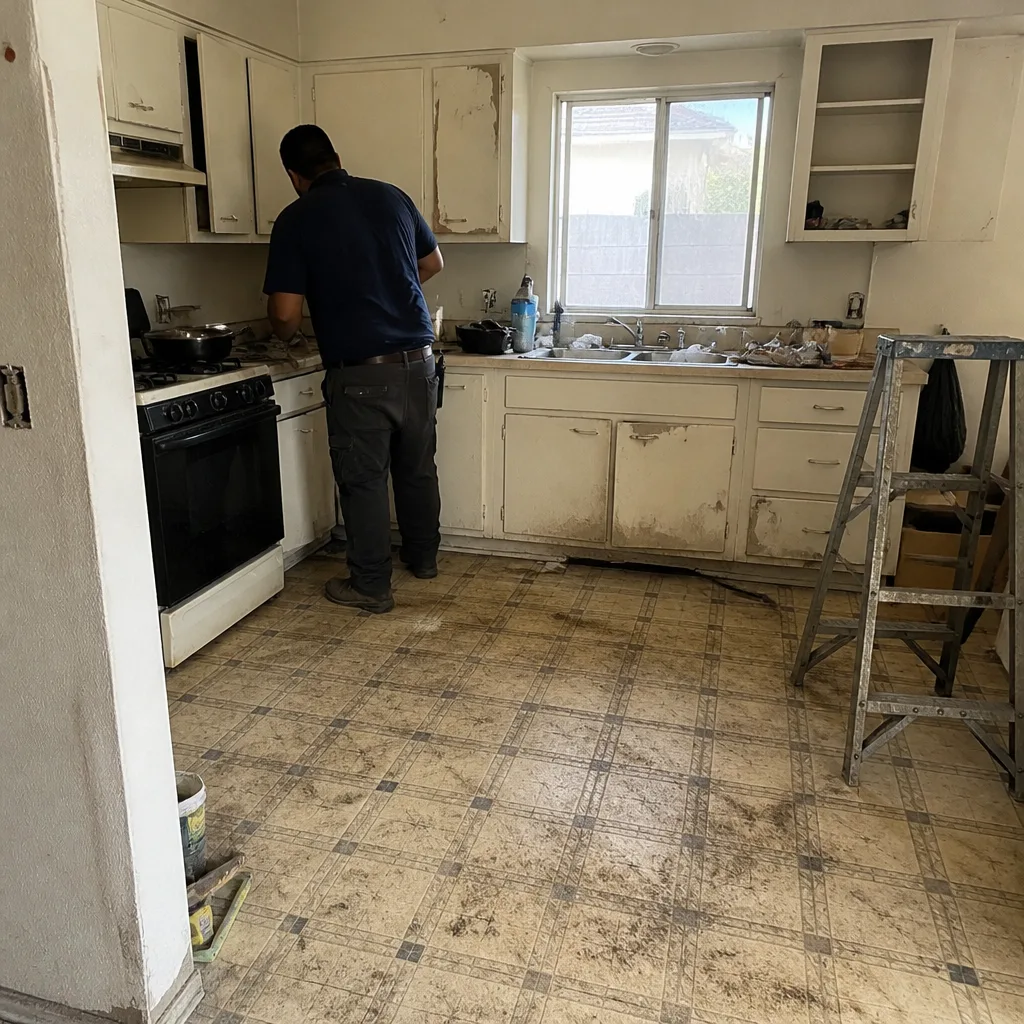 Before
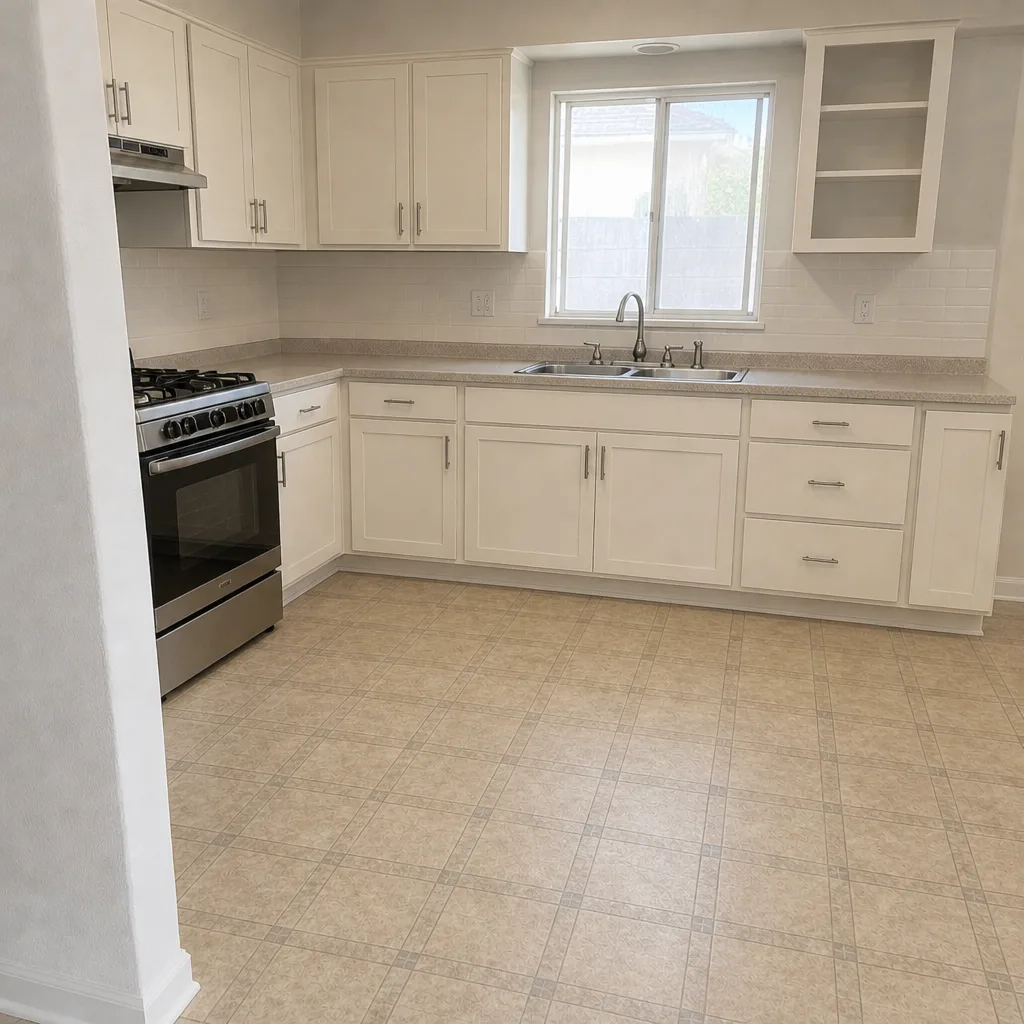 After
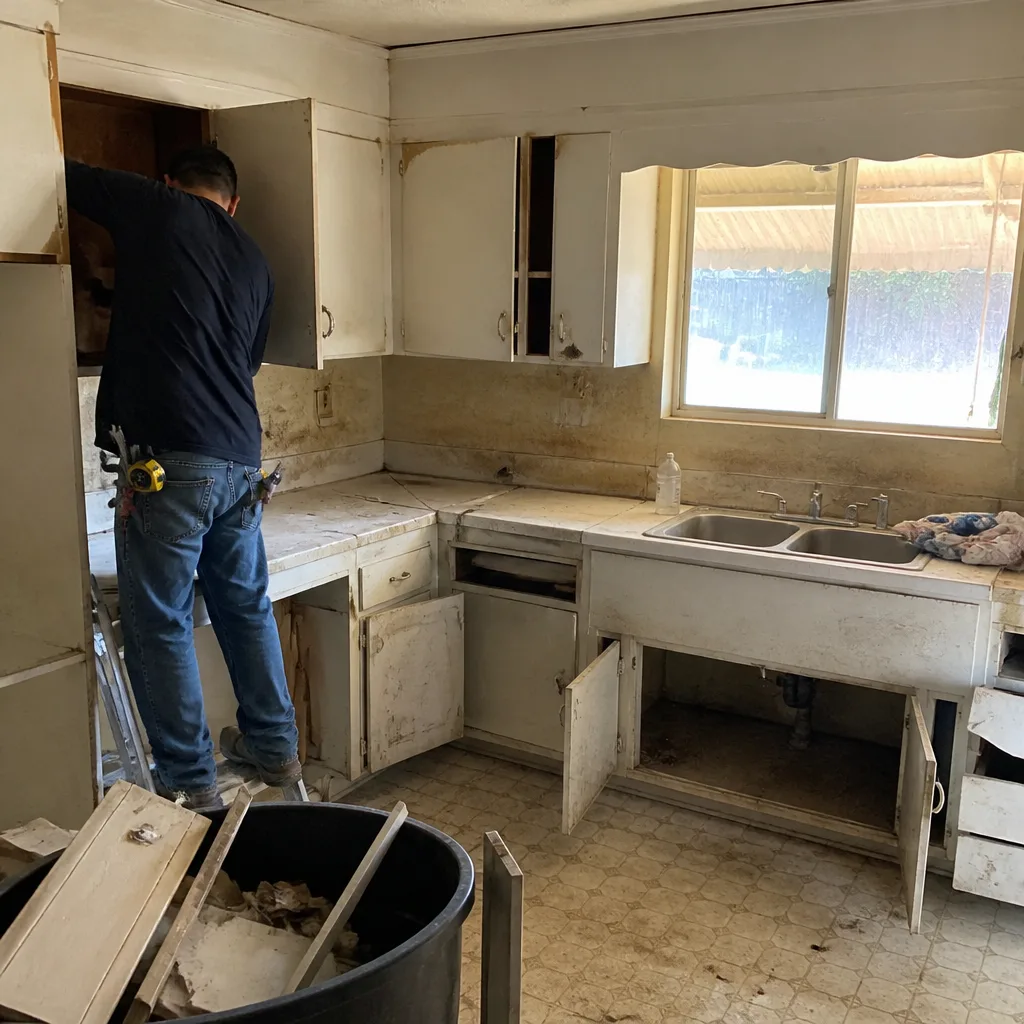 Before
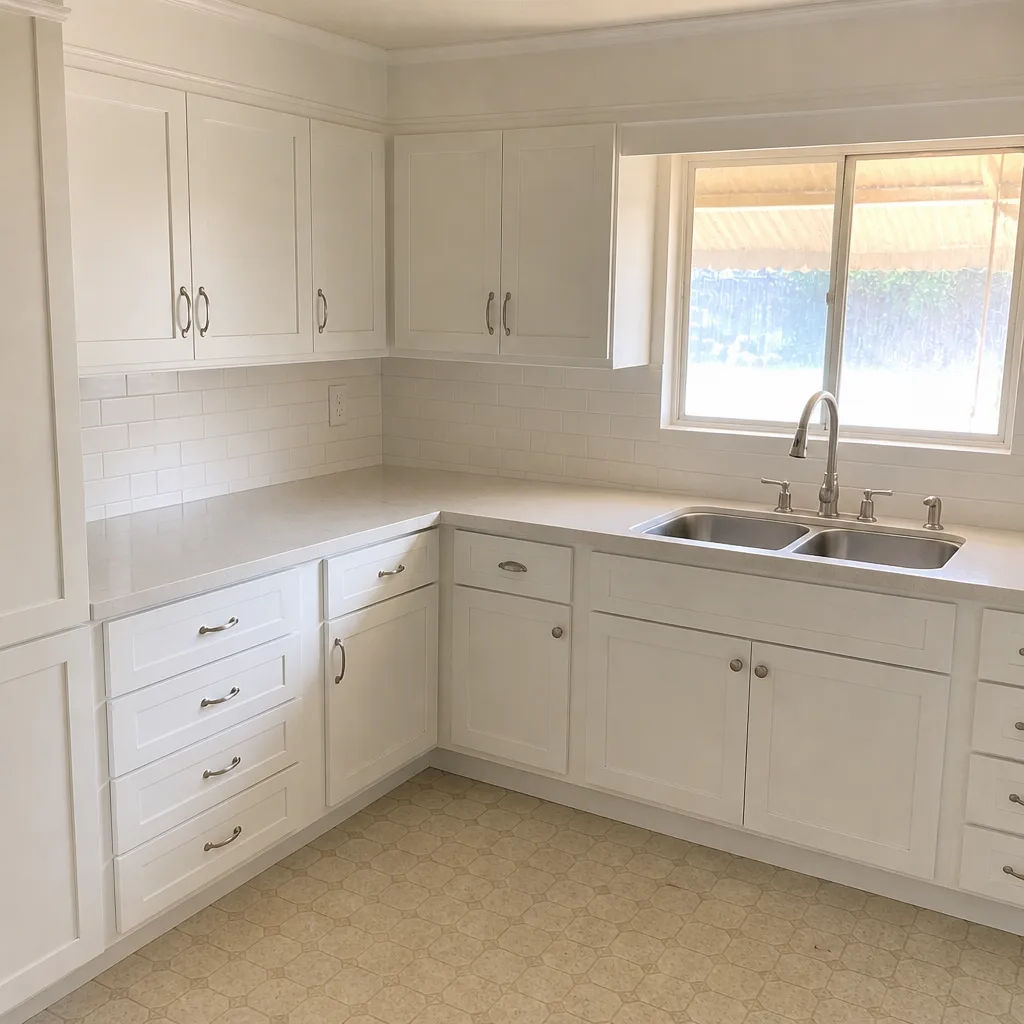 After
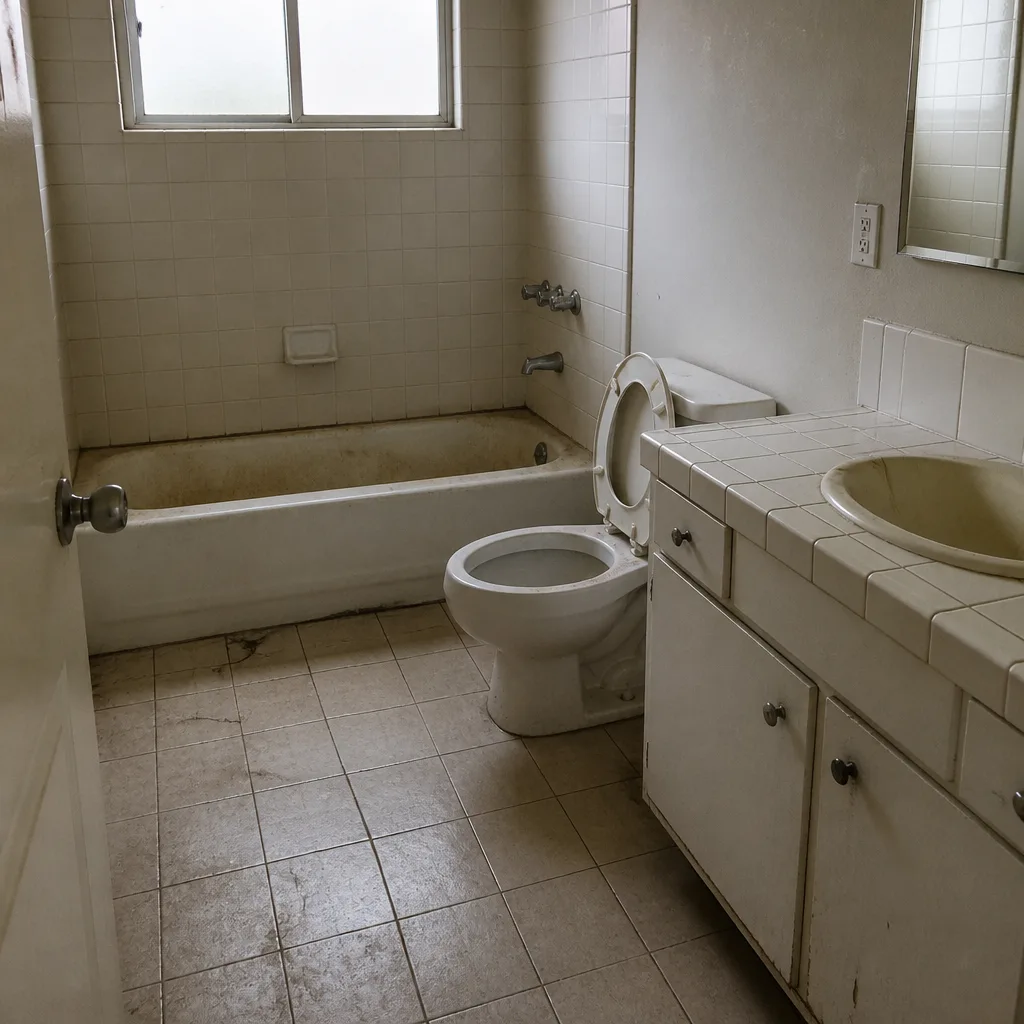 Before
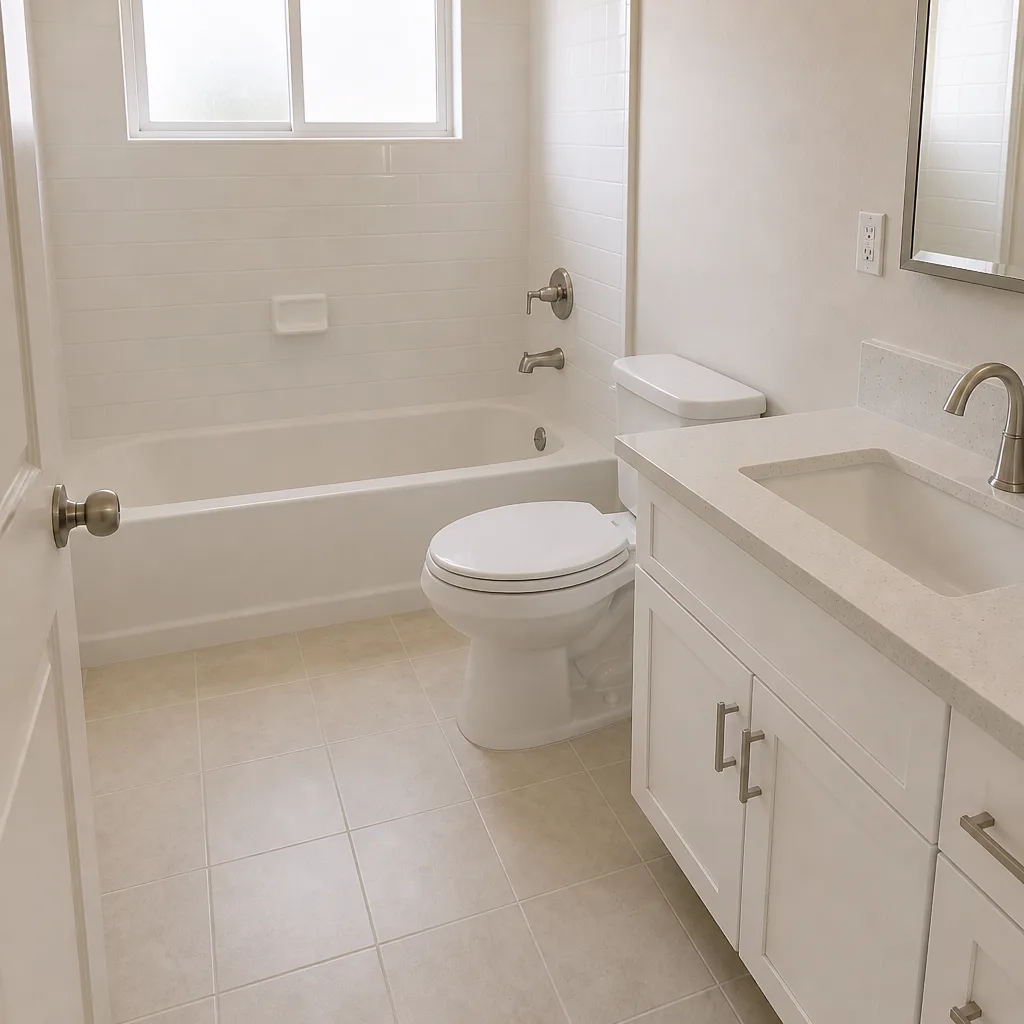 After
When to Call a Professional
Reading a warranty document is something you can do yourself. Deciding which brand’s certified-installer requirement you can actually meet, specifying the base compaction and ventilation details a warranty depends on, and installing the material so the coverage survives is not. That’s especially true on roofing, window systems, and any work that touches the exterior envelope, where a single flashing error voids coverage on the whole assembly. If you’re comparing two written estimates and the brands differ but the prices don’t, that’s the moment to get a second opinion before you sign. Rowan Construction Group Santa Ana offers free estimates in Santa Ana and a free line-by-line review of any competitor’s written quote. Call (833) 853-5955 to schedule it. Our technicians have up to 19 years of experience, the crews are background-checked and uniformed, and every visit includes a documented photo record of what arrived and what was installed.
Frequently Asked Questions
There’s no single best brand, but there are brands with the strongest warranty terms and climate performance for Orange County: GAF and Owens Corning for roofing, Belgard and Techo-Bloc for pavers, and fiber-cement or high-performance window systems for west-facing exposures. The brand matters less than whether the warranty clauses fit your plan and whether the installing crew holds the certification the warranty requires. Call (833) 853-5955 for an exact quote, and estimates are free.
Often less than the label suggests, because most are prorated after year ten, require a certified installer, and are voided by modifications including a solar mount. The warranty is worth reading rather than counting on, and the specific proration schedule tells you what you’d actually recover in year fifteen. Call (833) 853-5955 to have a written estimate explain the coverage line by line, free of charge.
Put the model number on the written quote, ask for the manufacturer’s product data sheet before delivery, photograph the packaging on delivery day, and require a signed change order for any substitution. Every Rowan visit includes a documented photo record as standard. Call (833) 853-5955 for an estimate that names the brand and the model.
The manufacturer covers the product, and the contractor covers the installation. You need both, because most failures in the first five years are installation errors rather than defects, and the manufacturer will deny a claim that traces to bad installation. A written workmanship warranty with a claim process is what protects you in that scenario. Call (833) 853-5955 for a written estimate that includes the warranty terms.
Usually not. A 20-year product is the honest choice for a rental you plan to sell in ten years, while an addition you’ll live in for decades usually justifies the mid or premium tier. Run the cost-per-year math on installed cost divided by expected service life before the order is placed. Call (833) 853-5955 and we’ll walk through the numbers with you, free.
Only if you sign a change order first. Our written price is a flat price with a written scope, and no change proceeds until the change order is signed, which is the discipline that has kept projects within a few percent of the agreed cost. If a supply house runs out of the specified product, the substitution reaches you in writing with a revised price before installation. Call (833) 853-5955 to schedule a free estimate and see the written price before any work starts.
The Bottom Line
Brand selection in construction is a documentation exercise, not a popularity contest. Read the five warranty clauses before you compare brochures. Ask whether your contractor has a supply relationship with the brand they specified. Get the model number on the quote, photograph the packaging on delivery, and require a signed change order for any substitution. Match the material grade to how long you’ll own the house, not to the label on the showroom display. Above all, insist on a written workmanship warranty alongside the manufacturer’s, because installation is what fails first. Santa Ana weather will test the details you specified; the paperwork is what proves you specified them.
Rowan Construction Group Santa Ana offers free estimates and a free second opinion on any written estimate. Call (833) 853-5955 to schedule yours, and you’ll have the written price in hand before any work begins.
Written by the team at Rowan Construction Group Santa Ana.