Last updated November 18, 2026
Free written scope consultation - allowances, timeline, and change-order rules on paper before a single trade is scheduled
The Complete Fence Installation Guide for Santa Ana Homeowners
Most fence projects in Santa Ana don’t fail because the crew can’t set a post. They fail at the counter at 20 Civic Center Plaza, or three weeks later when a neighbor produces a survey showing the new cedar fence sits 14 inches onto their lot. Santa Ana requires a building permit for most fence installations over 3 feet in the front yard or 6 feet in the side and rear yards, and the City’s zoning code restricts materials and placement by zone. Homeowners usually learn both facts after the lumber is stacked in the driveway. This guide walks through the legal and surveying groundwork first, then the materials, footings, and costs that fit Santa Ana’s high-UV, low-humidity climate. Santa Ana homeowners who read it before ordering anything will save more than the fence is worth.
Quick Answer
In Santa Ana, a standard 6-foot wood fence runs roughly $38 to $65 per linear foot installed, vinyl lands between $45 and $80, aluminum between $50 and $90, and CMU block between $65 and $110. You need a City of Santa Ana Building Division permit before installation if the fence exceeds 3 feet in the front yard or 6 feet in the side or rear yard, and you should confirm your property line with a recorded survey before the first post goes in the ground. Budget two to six weeks for permitting and installation combined on a typical residential lot.
Styles & brands we work with
- Kitchen remodeling
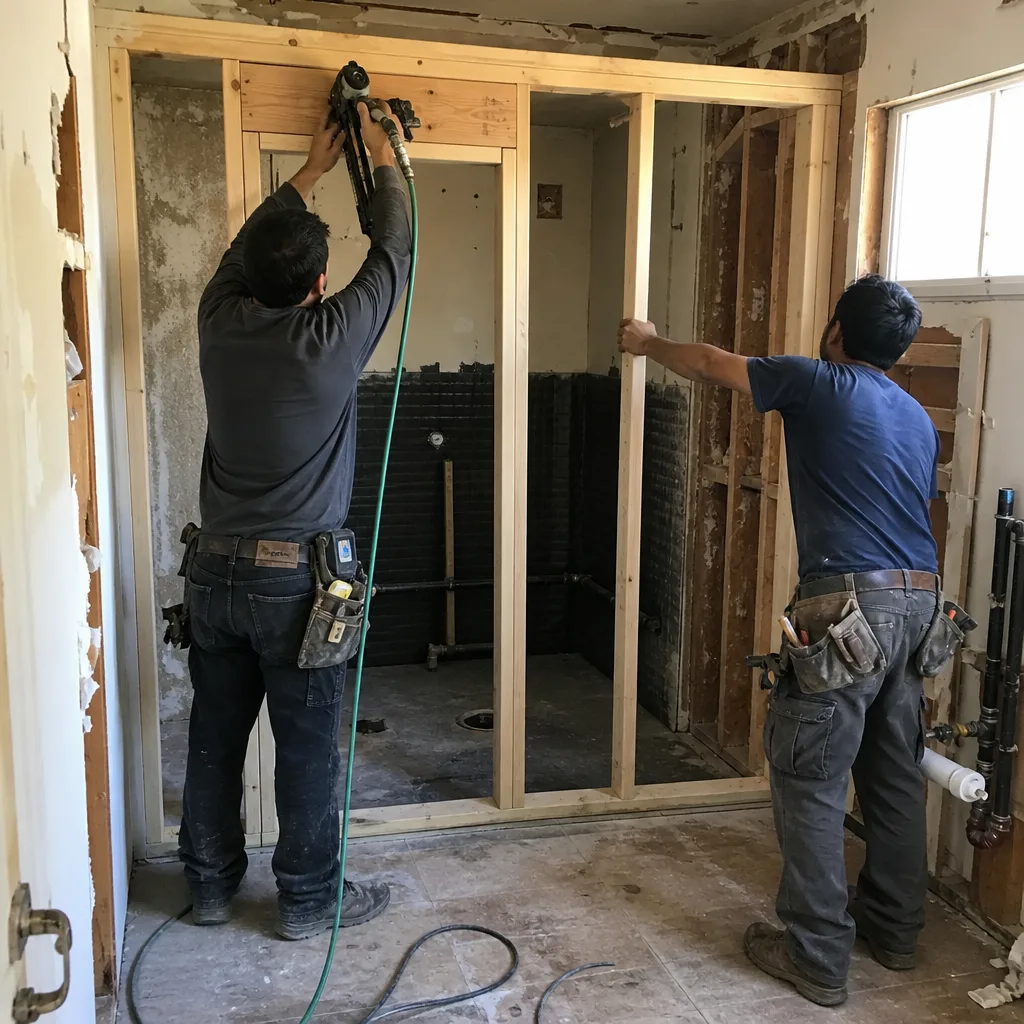
- Bathroom remodeling
- Home additions & ADU
- Roofing
- Windows & doors
- Driveway & pavers
- Fence
Table of Contents
- Santa Ana Fence Permits: What Needs One and Where to Pull It
- Height Limits by Yard Zone in Santa Ana
- Permitted Materials and Zoning Restrictions
- Property Lines, Surveys, and Shared Fence Agreements
- Post Depth and Concrete Footings for Santa Ana Soil
- Material Comparison for Santa Ana’s Climate
- HOA Overlays: When CC&Rs Are Stricter Than the Code
- What Fence Installation Costs in Santa Ana
Santa Ana Fence Permits: What Needs One and Where to Pull It
You apply for a fence permit at the City of Santa Ana Building Division, 20 Civic Center Plaza, Santa Ana, CA 92701. The permit is separate from any planning approval and typically runs a few hundred dollars depending on linear footage and fence type. Bring a site plan drawn to scale showing the fence line, the proposed height, the material, and the distance to the property line. If the fence sits in a front setback or a corner-lot sight triangle, expect a plan review that takes longer than the standard over-the-counter process.
A permit is generally required when a fence exceeds 3 feet in the front yard or 6 feet in the side and rear yards. Repairing less than 10 feet of existing fence, or replacing a section with identical materials at the same height, is often exempt. Do not assume an exemption applies to your project. The City’s building counter will confirm in a phone call, and that call is free.
The permit process protects you in two ways. First, it forces a plan reviewer to look at your setback and height before construction, which is precisely when a mistake is cheap to fix. Second, it produces a documented inspection record. If you ever sell the house, an unpermitted fence can surface in a buyer’s disclosure and stall a closing.
When a project is handled by a licensed contractor, the contractor typically pulls the permit as part of the job. Our written scope names the permit and the inspection on the quote line, so the inspection result is not a surprise. If you want to see how we sequence a fence project alongside other exterior work, the Rowan Construction Group Santa Ana home page lays out how the trades connect.
Height Limits by Yard Zone in Santa Ana
Santa Ana’s fence height rules vary by where the fence sits on the lot, not by what it’s made of. The front yard is the most restricted zone, and the rear yard is the most permissive. A corner lot has an additional sight-triangle rule near the intersection that limits fence height regardless of yard designation.
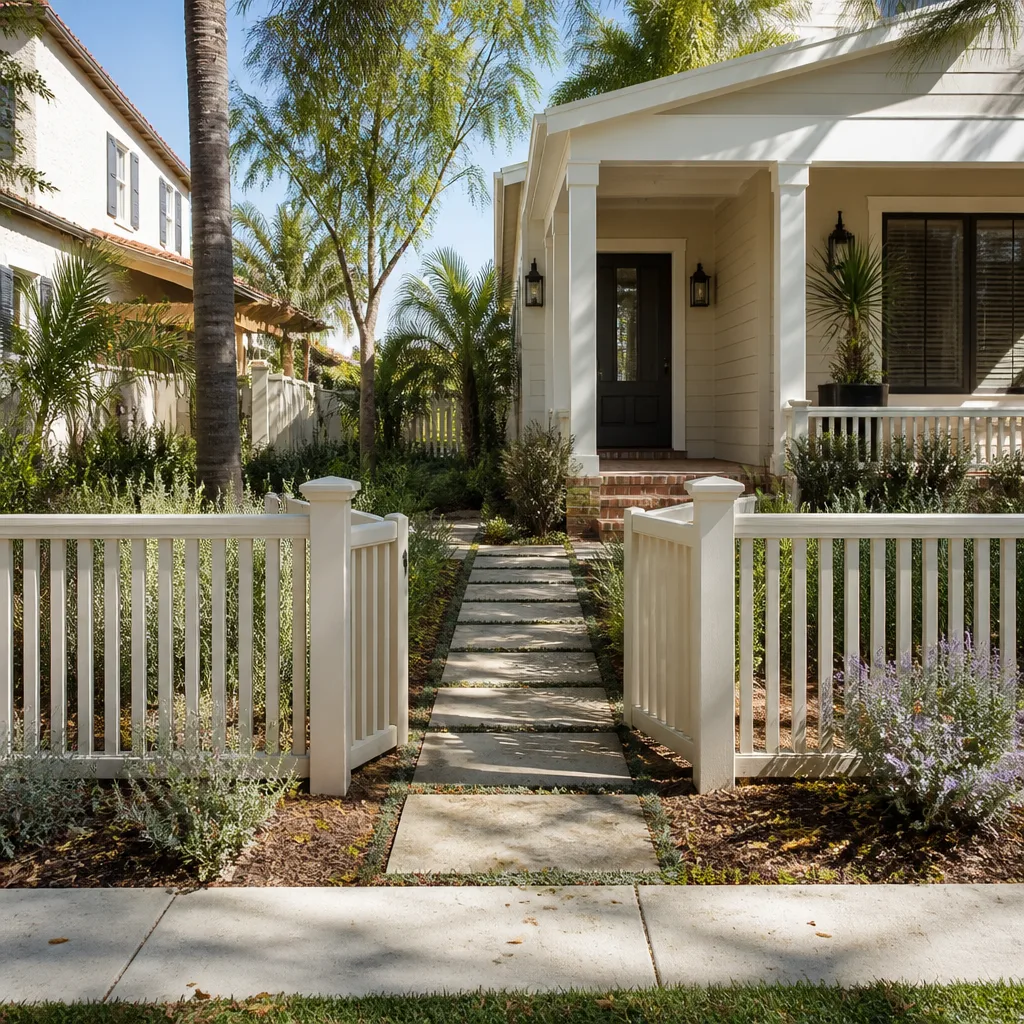
- Front yard: Typically limited to 3 feet unless a conditional use permit allows more.
- Side yard: Typically 6 feet, measured from finished grade.
- Rear yard: Typically 6 feet, with some allowance for 7 feet where the fence abuts an alley or a commercial property.
- Corner lot sight triangle: Height restrictions within the triangle formed by the two street frontages, usually capped lower than the side yard limit.
Height is measured from finished grade, which sounds simple until you realize a lot that slopes 2 feet from front to back technically has a fence that gets taller by 2 feet at the low end. On sloping lots in neighborhoods like Floral Park or Washington Square, that measurement is worth taking seriously. If the fence sits on a retaining wall, the wall’s height sometimes counts toward the total.
One detail that catches homeowners: you cannot average two heights together or claim the “average” height is under 6 feet. The City measures at the highest point within any 10-foot section. On a sloped lot, plan the fence in sections and confirm the height at the top of each post. It’s a five-minute conversation at the permit counter and a much longer one if an inspector arrives after the posts are set.
Permitted Materials and Zoning Restrictions
Santa Ana’s zoning code restricts fence materials in specific zones, and the restriction depends on where the fence faces. A solid wood fence that’s fine along a rear property line may not be permitted along a street frontage in certain commercial or mixed-use zones. In residential zones, chain-link is generally restricted in front yard visibility areas, and barbed wire, razor wire, and electrified fencing carry additional restrictions.
Materials commonly permitted in Santa Ana residential zones:
- Cedar and pressure-treated pine, in a finished, painted, or stained condition
- Vinyl with UV-stabilized substrate
- Wrought iron and aluminum (brushed or matte finish)
- CMU block, subject to height and reinforcement rules
- Composite bamboo and engineered wood panels
- Lattice and picket in matching material to the primary fence
Any custom material – living walls, mixed-media panels, or decorative metal with an unusual powder coat – should be submitted with the permit application for plan review. The plan reviewer is the authority; a polite submittal with manufacturer specs and finish samples moves faster than a submittal without them.
We’ve seen properties in Santa Ana where a homeowner purchased a full stack of chain-link before discovering it wasn’t permitted along the frontage. That’s a $2,000 mistake born from a five-minute information gap. Read the zoning designation for your parcel on the City’s online mapping tool before you order anything.
Property Lines, Surveys, and Shared Fence Agreements
A plot map is not a survey. This is the single most misunderstood fact in residential fencing.
Your plot map is the drawing filed with the assessor when the subdivision was recorded. It shows approximate lot lines, not the position of improvements or the exact monument lines. A recorded survey is a document prepared by a licensed land surveyor who physically measures the property against the recorded plat and places monuments. The survey costs money – typically a few hundred to a couple thousand dollars in Santa Ana depending on lot size and complexity – and it is the only document that will hold up if a neighbor disputes the line.
If your neighbor’s fence sits two inches over the line, or your new fence does, the remedy is a civil conversation or a legal one. Either way, a survey is the first document you’ll need. It also protects you from removing a fence that sits on a neighbor’s property, which you don’t own the right to do.
Shared fences are common in Santa Ana’s older neighborhoods where lots were platted before 1950. When a fence sits exactly on the shared lot line, both owners have a claim to it. Document the cost split before work starts:
- Confirm the fence is actually on the shared line (survey).
- Agree on the material, height, and style in writing.
- Record the cost split, warranties, and maintenance responsibilities.
- Note who pulls the permit and who pays the permit fee.
- Sign and date the agreement, and keep a copy with your closing documents.
A signed agreement is not paranoia; it’s the standard of care when two owners share a structure. It also helps if you sell the house and a buyer asks about the fence during disclosure.
Post Depth and Concrete Footings for Santa Ana Soil
The minimum post depth is one-third of the post’s above-grade length, which means a 6-foot fence with 6 inches of clearance above grade needs a post set at least 3 feet into the ground. In Santa Ana, that’s the floor, not the ceiling. The general standard here is 3 feet deep with a concrete footing of 8 to 12 inches in diameter.
Two Santa Ana conditions push the depth beyond the minimum:
- Loose or sandy soil near drainage corridors. Neighborhoods near the Santa Ana River channel and drainage swales often have sandy or silty substrate that holds a post poorly. Deeper footings with wider concrete collars are the standard here.
- Wind load. A solid privacy fence on a typical Santa Ana residential lot is designed for wind loads of roughly 80 to 90 mph under standard building code. In practice, that means posts spaced no more than 8 feet on center, with no more than 6 feet of post exposed to wind per section.
Post setting is a task that looks simple and produces a fence that fails at year four if it isn’t done correctly. A post that’s dry-set in gravel will lean within two years in Santa Ana’s heat-dry cycle, where the soil swells in winter and settles hard in summer. Concrete-set posts survive that cycle; hand-tamped posts don’t. The corollary is also true: a post set in a shallow, undersized footing looks fine on the day of install and looks like a leaning sail two summers later.
We treat footing depth as a line item in the written scope. A quote that doesn’t name footing diameter and depth is a quote that hasn’t solved for how the fence stands up in year seven. When the time comes for a driveway or paver work that shares footing conditions, the Driveway & Pavers in Santa Ana page walks through the same soil considerations for hardscape.
Material Comparison for Santa Ana’s Climate
Santa Ana runs hot and dry most of the year, with UV exposure that degrades cheap materials fast and low humidity that cracks untreated wood. Each material has a place depending on how much maintenance you’re willing to do and what the sightline calls for.
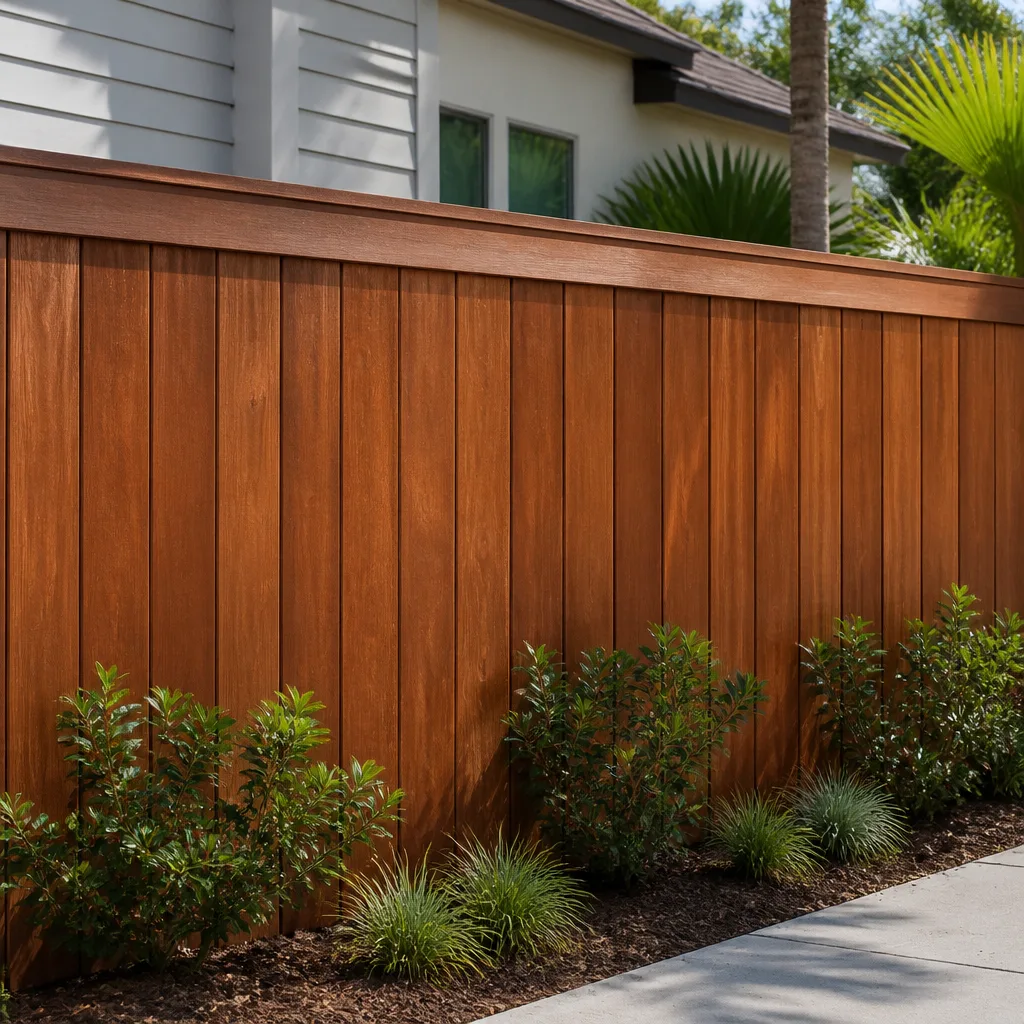
- Cedar: $38 to $65 per linear foot installed, expect 15 to 25 years with a wash and re-seal every two to three years, resists rot better than pressure-treated in dry climates, and finishes beautifully on a visible frontage.
- Pressure-treated pine: $28 to $48 per linear foot installed, 10 to 15 years with maintenance, more prone to checking and cracking in Santa Ana’s UV than cedar, better for budget-conscious rear yard fencing.
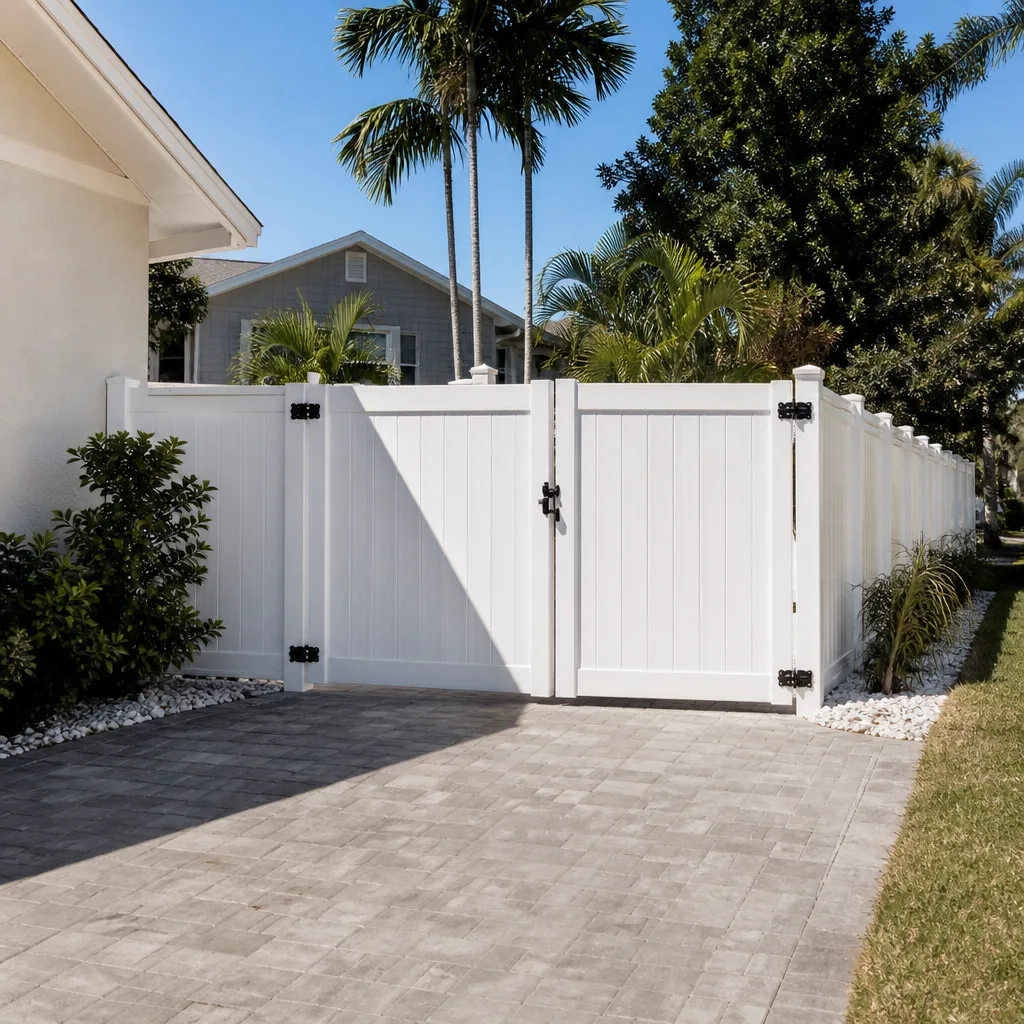
- Vinyl: $45 to $80 per linear foot installed, 20 to 30 years with light maintenance, doesn’t rot or take paint, and a UV-stabilized substrate matters more here than anywhere – cheap vinyl yellows and gets brittle in Santa Ana sun.
- Aluminum: $50 to $90 per linear foot installed, 25 years or more, excellent on frontages where a sightline matters, and powder coat holds up to UV better than painted steel.
- CMU block: $65 to $110 per linear foot installed, 30 to 50 years with almost no maintenance, needs structural reinforcement and a permit that reflects the wall as a structure, and is the right answer for a privacy wall or a retaining wall adjacent to a fence.
Newer vinyl fence lines often use high-end systems that resist UV, and the better wood products come from suppliers who mill for the local climate. We’ve specified premium vinyl for frontages where longevity matters most and pressure-treated for rear yard runs where budget matters more. Neither is a compromise if it’s the right material for the job.
Fences are often part of a larger property improvement. Homeowners who add a fence and an ADU in the same phase typically sequence the fence last so it can be sized to the finished hardscape and drainage. The Home Additions & ADU in Santa Ana page covers how that sequencing works in practice.
HOA Overlays: When CC&Rs Are Stricter Than the Code
Santa Ana’s zoning code sets the minimum standard. A Homeowners Association can and often does set a stricter one. If your property is inside an HOA – and a number of Santa Ana planned communities are – the CC&Rs are the first document to read, before calling the City or a contractor.
Common CC&R restrictions that go further than City code:
- Approved material lists (often aluminum only, or cedar-sided vinyl only)
- Maximum heights below the City limit, sometimes 4 feet even in the rear
- Required color palettes for a fence viewed from the street
- Prohibition on visible metal posts or pickets in front yards
- Architectural committee approval before a permit is pulled
Collect these documents before submitting a permit application: the CC&R fence section, the HOA’s architectural submittal form, written design committee approval if it applies, and any color or material schedule the HOA maintains. A permit application submitted with HOA documentation moves faster than one that requires a back-and-forth. Call the HOA management company for the current architectural request form; the version in your closing packet is often outdated.
We’ve seen a Santa Ana homeowner receive plan check approval from the City, then find the HOA’s architectural committee required a different material and color. The fence had to be reconstructed at the owner’s expense. The HOA overlay is the controlling document in that case; the City permit alone isn’t enough.
What Fence Installation Costs in Santa Ana
Santa Ana fence pricing runs close to the Orange County average but higher than inland Riverside or San Bernardino. Labor costs reflect local wage standards, and permitting adds a line item most national estimates ignore.
- Standard 6-foot cedar fence, 100 linear feet: $3,800 to $6,500 installed
- Pressure-treated pine, same run: $2,800 to $4,800 installed
- Premium UV-stabilized vinyl, same run: $4,500 to $8,000 installed
- Aluminum, same run: $5,000 to $9,000 installed
- CMU block, same run: $6,500 to $11,000 installed
- City of Santa Ana fence permit: typically $200 to $600 depending on linear footage and type
- Recorded survey, if needed: $500 to $1,500 typical for a residential lot
- HOA architectural processing fee where applicable: varies by HOA
Gate installation, corner posts, and fence removal and haul-away are quoted as separate line items on a written scope. A quote that rolls everything into one number without naming these items is not a quote; it’s an estimate subject to change.
We deliver a flat written price with a written scope before any work starts. Under Clause 1 of the Haven Standard, no work proceeds on a change until a change order is signed by the customer. That administrative discipline is the reason projects finish within a few percent of the number the customer agreed to. If you’ve received a written estimate from another contractor, we’ll review it line by line at no charge as a free second opinion. Call (833) 853-5955 to schedule that review or a standalone estimate.
Common Mistakes to Avoid
- Skipping the survey on a shared-line fence. If the line hasn’t been surveyed, the fence you build may sit on your neighbor’s property. The remedy is a lawsuit or an expensive rebuild, and neither is cheap.
- Buying materials before checking zoning. Santa Ana’s material restrictions vary by zone, and a chain-link fence that’s fine in an industrial parcel might not be permitted in a residential frontage.
- Ignoring the HOA until after the permit is pulled. The CC&Rs may impose material, color, or height restrictions stricter than City code. Review both before ordering anything.
- Using the minimum footing depth as the target. The one-third rule is a minimum. Santa Ana’s loose soil near drainage corridors and its standard wind loads call for 3-foot-deep footings with 8 to 12-inch concrete collars.
- Verbal shared-fence cost agreements. Two owners who split a fence cost should document the split, material, and maintenance responsibilities in writing. Verbal agreements don’t survive a home sale.
- Ordering materials in June for a fence you’ll install in September. Cedar stored in Santa Ana’s heat checks and warps if it sits too long. Time the delivery to the installation week.
- Assuming the fence is exempt from permitting. The 3-foot and 6-foot limits are the general rules, and the sight-triangle rule on corner lots adds a restriction many owners miss.
See the difference
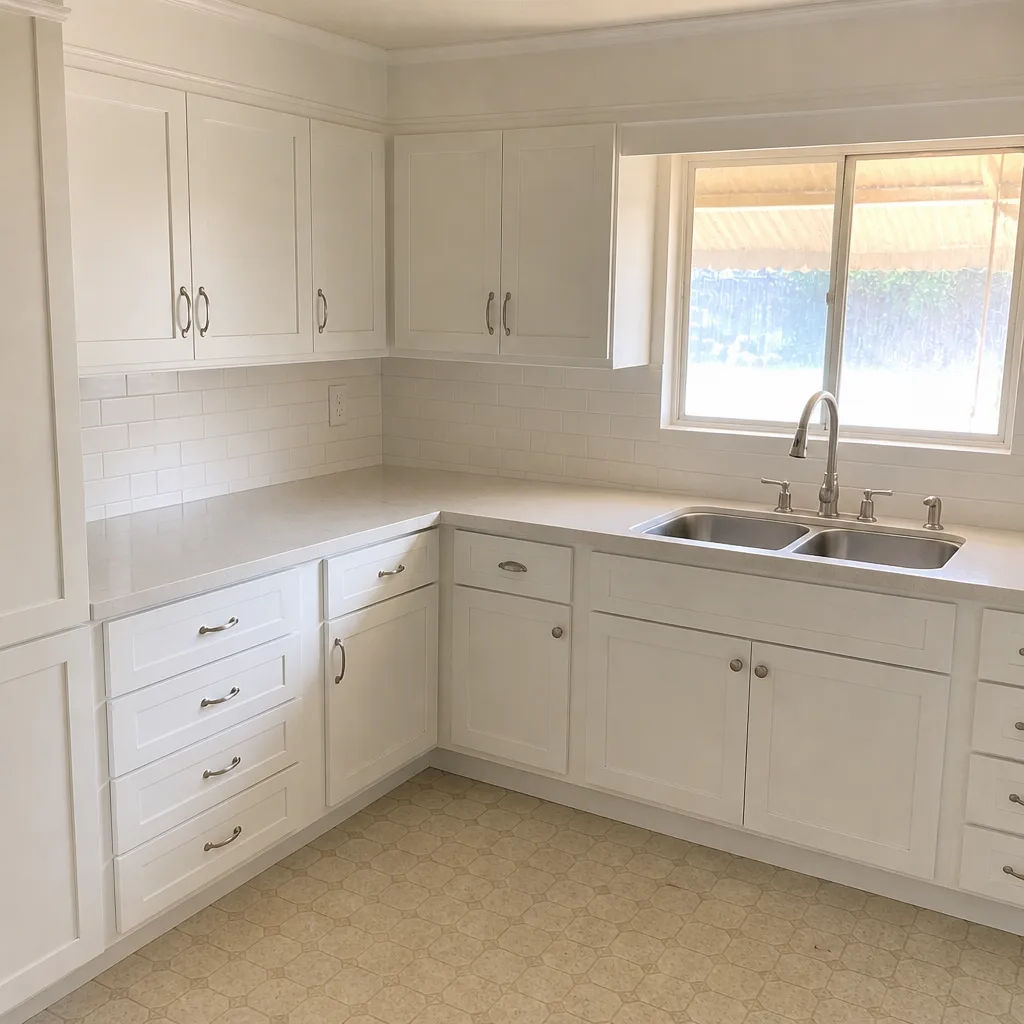
 Before
 After
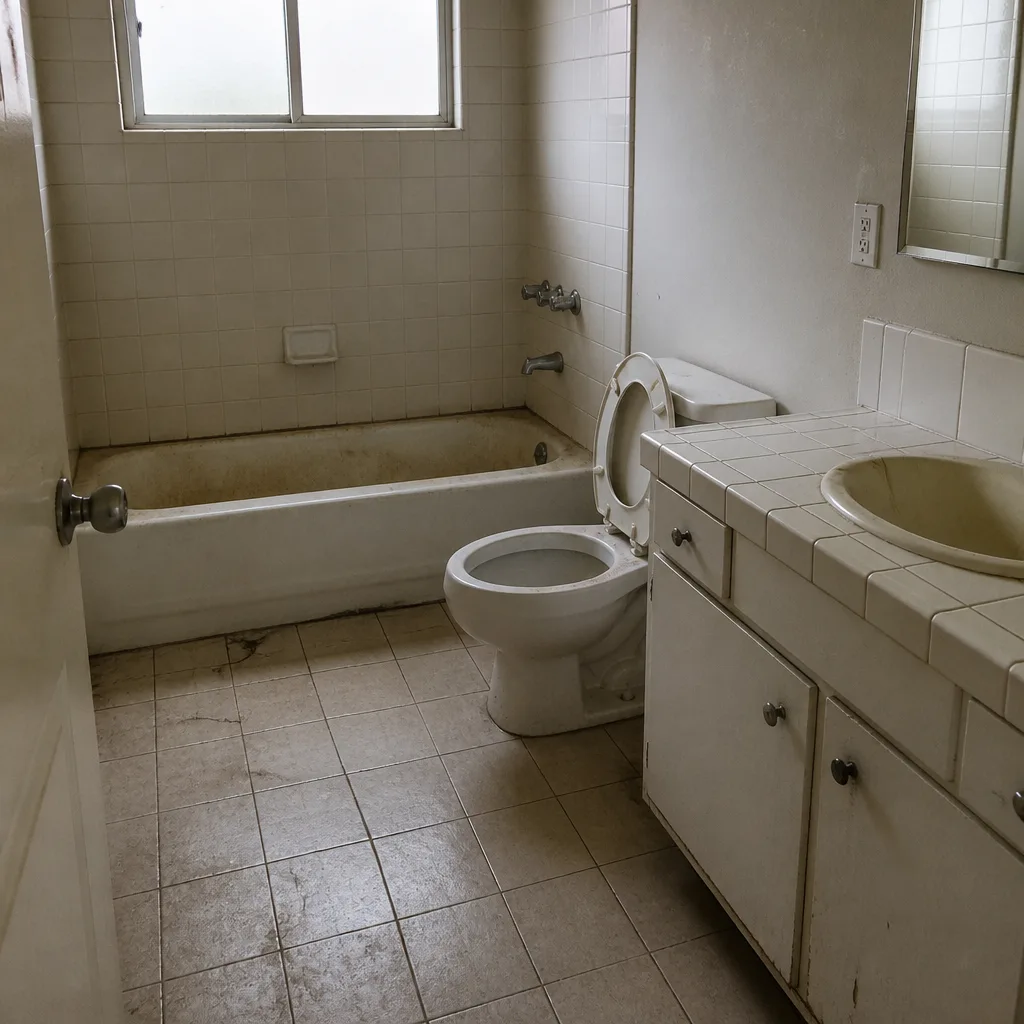
 Before
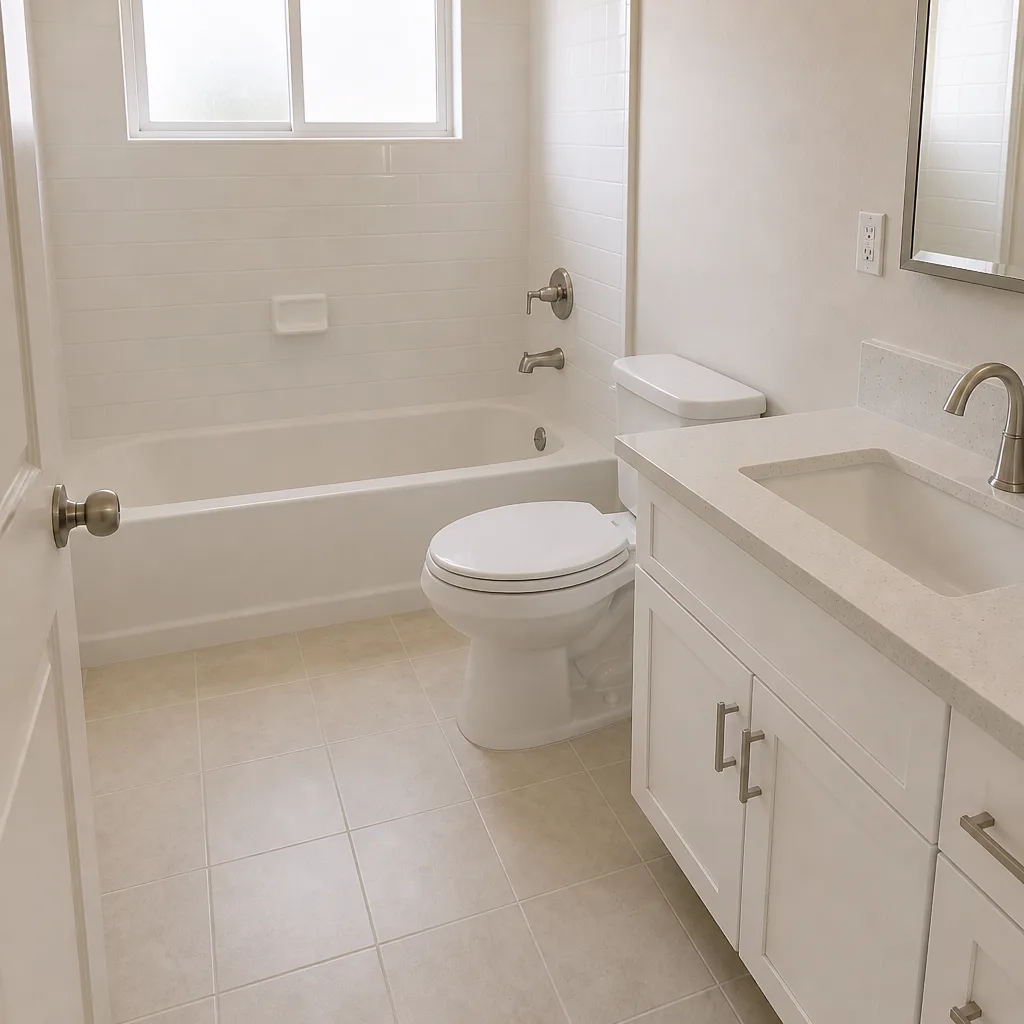
 After
 Before
 After
When to Call a Professional
Some fence work is a Saturday project. Replacing a picket, re-hanging a gate, or staining an existing run doesn’t need a contractor. The projects that justify a licensed professional are the ones where a mistake is expensive to unwind: new fence installation requiring a City of Santa Ana permit, any fence on a slope or in a drainage corridor, CMU block walls that need structural reinforcement, fences requiring a recorded survey or a shared-line agreement with a neighbor, and any project where the HOA’s architectural committee has approval authority. Post settings and footing depths are the two details most likely to fail early when a homeowner self-installs. A professional crew sets footings to spec, uses concrete to the correct depth, and documents the installation with photographs you can produce if a question arises later. Rowan Construction Group Santa Ana offers free estimates in Santa Ana. Call (833) 853-5955 to schedule one or to bring a written quote from another contractor for a line-by-line review.
Frequently Asked Questions
Yes, in most cases. Santa Ana requires a building permit for fence installations that exceed 3 feet in the front yard or 6 feet in the side and rear yards. Apply at the City of Santa Ana Building Division, 20 Civic Center Plaza. A project scope that names the permit and inspection on the written quote is a sign the contractor is familiar with the process; call (833) 853-5955 to discuss your specific fence plans.
A standard 6-foot cedar fence in Santa Ana runs $3,800 to $6,500 for 100 linear feet installed, including materials, labor, and standard hardware. Pressure-treated pine is $2,800 to $4,800, premium vinyl is $4,500 to $8,000, aluminum is $5,000 to $9,000, and CMU block is $6,500 to $11,000. The City permit is a separate line item at roughly $200 to $600. Call (833) 853-5955 for a written, flat-price quote on your specific run.
A plot map is the assessor’s drawing filed when a property was subdivided and shows approximate lot lines. A recorded survey is a document prepared by a licensed land surveyor who physically measures the property against the recorded plat and places monuments. For fence work on a shared line or when a neighbor disputes placement, only a recorded survey holds up. Call (833) 853-5955 if you need help identifying whether your project requires a survey.
Yes. HOA CC&Rs can impose stricter height, material, and color restrictions than Santa Ana’s City code. When the two conflict, the stricter restriction applies in practice because the HOA can require reconstruction even after a City permit is approved. Review the CC&R fence section and any architectural committee requirements before submitting a permit application. Call (833) 853-5955 for a free review of your project scope before you commit.
A minimum of one-third of the post’s above-grade length, so a 6-foot fence needs at least 3 feet of post in the ground. In Santa Ana, we typically set posts 3 feet deep with an 8 to 12-inch concrete footing collar, and deeper with wider collars near drainage corridors and in loose or sandy soil. Post spacing should stay no more than 8 feet on center to handle standard wind loads. Call (833) 853-5955 for a written scope that names the footing depth and spacing.
From signed contract to finished fence, plan on two to six weeks for a typical Santa Ana residential lot. The permit process alone usually takes one to three weeks at the City of Santa Ana Building Division, and a survey or HOA architectural approval adds time before that. The physical installation itself is typically one to three days for a 100-foot run. Call (833) 853-5955 for a project schedule that names each phase.
The Bottom Line
Most Santa Ana fence projects are won or lost before the first post goes in the ground. The height limits, material restrictions, property-line verification, and HOA overlays are the groundwork that keeps your fence standing at the location you intended and at the height the City permits. Budget $38 to $110 per linear foot installed depending on material, plus a permit and possibly a survey. Read the CC&Rs before the City code, survey the line before the fence, and get the footing depth on the written scope. If you want a flat written price with a written scope and a written warranty, the Fence Installation in Santa Ana page walks through how we structure that work. Call (833) 853-5955 to schedule a free estimate.
Written by the team at Rowan Construction Group Santa Ana.