Last updated November 18, 2026





Free written scope consultation - allowances, timeline, and change-order rules on paper before a single trade is scheduled
Seasonal Construction Care for Santa Ana: Year-Round Homeowner’s Guide
Most seasonal maintenance advice you’ll find online was written for a place with four distinct seasons. Santa Ana doesn’t have that. What we have is a fire-wind season, a short wet season, a mild shoulder period, and a long stretch of dry heat. Each one pushes residential construction materials in a different direction, and the schedule that protects a house in Santa Ana looks nothing like the one built for the Midwest. The Santa Ana winds alone, which routinely push past 60 mph in October and November, do more damage to residential roofing and exterior cladding in this city than anything else on the weather calendar. This guide lays out the four-period calendar we use, the specific checklists for each period, and how to document the work so it holds up later.
Quick Answer
The right seasonal construction care for Santa Ana follows four periods, not four seasons: pre-wind (September), pre-rain (November), dry heat (June through August), and the mild shoulder in between. Each period puts a different system at risk. Wind season stresses roof fasteners, ridge caps, and exterior caulk joints. Rain season tests drainage channels, concrete joints, and stucco cracks. Dry heat stresses attic ventilation, radiant barriers, and HVAC condensate lines. Matching the task to the period is what keeps repair costs down.
Styles & brands we work with
- Kitchen remodeling
- Bathroom remodeling
- Home additions & ADU
- Roofing
- Windows & doors
- Driveway & pavers
- Fence
Table of Contents
- Why Santa Ana’s Calendar Has Four Periods, Not Four Seasons
- Pre-Wind Season (September): The Most Important Month
- Pre-Rain Season (November): Drainage and Cracking
- Dry Heat (June-August): Attic, Barrier, and Condensate
- The Mild Shoulder: When to Handle the Bigger Projects
- How to Document Seasonal Inspections So the Record Is Usable
- Common Mistakes to Avoid
- Frequently Asked Questions
Why Santa Ana’s Calendar Has Four Periods, Not Four Seasons
Santa Ana sits in a coastal-influenced basin that gets about 13 inches of rain a year, almost all of it between November and March. The dry months are long and the wet months are short but intense. That’s a very different stress profile from a place where rain spreads evenly across the year. The result is that water damage in Santa Ana usually comes from a handful of concentrated storms, not from chronic damp. And that means the pre-rain inspection is a real deadline, not an optional chore.
The wind is the other half of the story. The Santa Ana winds are a downslope wind event driven by high pressure over the Great Basin. They funnel through the canyons and arrive in the city hot, dry, and fast. In our experience, the October and November wind events are what find every loose ridge cap, every dried-out caulk joint, and every nail that backed out of a roof deck over the summer. If you do one thing on this calendar, do the September pre-wind inspection.
Here’s how the four periods break down in practical terms:
- Pre-wind (September): roofing, exterior cladding, caulk joints, tree branches over the roof.
- Pre-rain (November): gutters and drainage channels, concrete joints, stucco cracks, window and door seals.
- Dry heat (June-August): attic ventilation, radiant barrier, HVAC condensate lines, exterior paint and wood.
- Mild shoulder (March-May, and sometimes late September): the window for larger exterior projects that need stable weather, like pavers, fencing, and additions.
This is the calendar we build around for Rowan Construction Group Santa Ana home clients, and it’s the one that matches how the weather here actually behaves.
Pre-Wind Season (September): The Most Important Month
September is when the Santa Ana wind pattern starts building. The soil is at its driest after a long summer, the roof deck has been cooking for months, and any sealant or fastener that was marginal in spring has now had a full thermal cycle to loosen. This is the month to catch it.
Roof fastener inspection
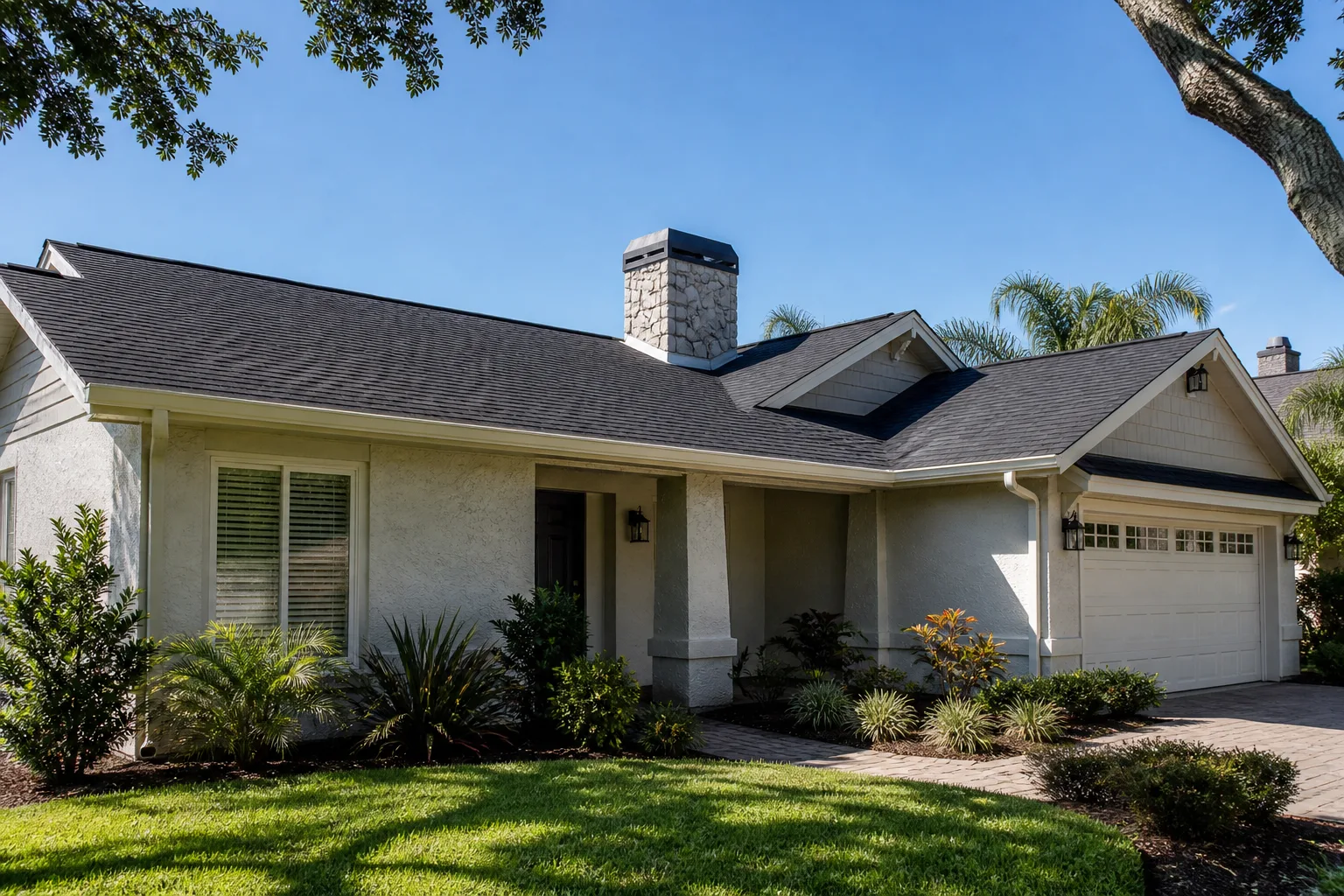
A roofing inspection in Santa Ana in September should look at fastener tightness, not just shingle condition. On an asphalt roof, that means checking for backed-out nails and lifting tabs along the ridge and the windward edges. If your roof was installed with a GAF or CertainTeed system, the manufacturer’s wind warranty usually specifies a fastener pattern for the wind zone. A roofer who knows the product will check that pattern, not just eyeball the surface.
Ridge cap condition
Ridge caps are the most wind-exposed part of an asphalt roof. They also fail first because they take the full thermal swing from hot afternoon to cool night. If a ridge cap is cracked or lifting, it’s a leak waiting to happen in the first big rain.
Exterior penetration caulking
Every pipe boot, vent, and flashing penetration on the roof and walls needs a sealant rated for UV exposure and thermal cycling. In Santa Ana that means a polyurethane or hybrid sealant, not the cheap acrylic caulk sold at the hardware store. Acrylics dry out and crack in one or two summers here. A properly rated sealant will flex through the thermal swing and hold.
The pre-wind checklist, in order
- Walk the roof (or have it walked) and check every ridge cap for lifting or cracking.
- Check fasteners along windward edges and the ridge for backed-out nails.
- Inspect all roof and wall penetrations; re-caulk with a UV-rated polyurethane sealant if the existing bead is dry or cracked.
- Trim any tree branches within about 6 feet of the roof surface.
- Check the condition of any exterior cladding or siding panels for loose fasteners.
- Photograph everything you find before and after repair.
Pre-Rain Season (November): Drainage and Cracking
Santa Ana gets its rain in a short window, and the storms that do arrive can drop a lot in a day. That makes drainage the priority in November. A blocked channel that would be a minor annoyance in a place with steady drizzle becomes a real water intrusion event here.
Drainage channel inspection
Check gutters, downspouts, and any surface drainage channels. On a Santa Ana house, this often means the gutters along the eave and the channelized areas around driveways and patios. Clear leaves and debris, and confirm the downspouts discharge away from the foundation, not into it.
Concrete joint condition
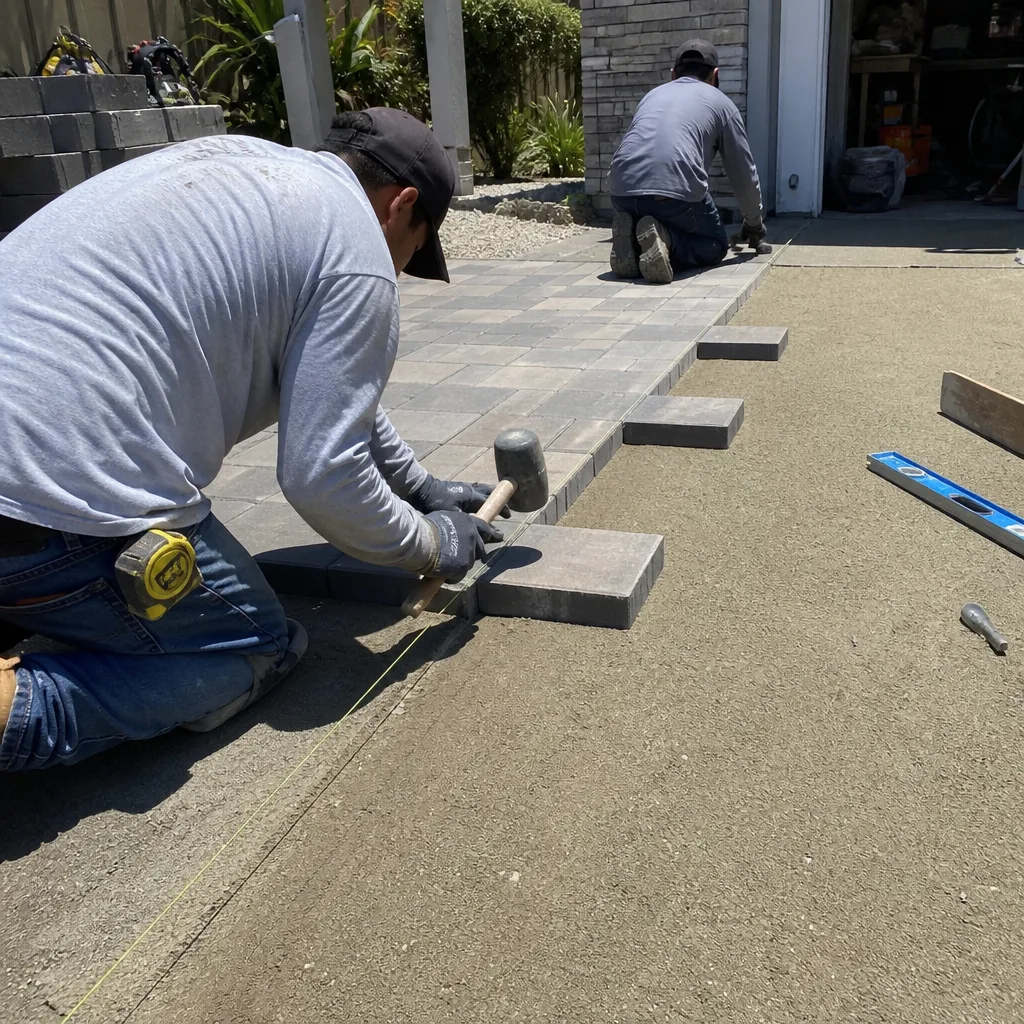
Concrete joints and any paver field around the driveway or patio need a look before the rain. A failed joint lets water into the sub-base, and in Santa Ana’s clay-heavy soils that means heaving and cracking the following summer. This is also the reason we recommend a proper base and joint sand on any Driveway & Pavers in Santa Ana project rather than a thin pour-over.
Stucco crack assessment: the quarter-coin standard
Not every stucco crack is a problem. A hairline crack is cosmetic. A crack wide enough to fit the edge of a quarter into is a different matter and should be assessed by a professional, because it can mean water is getting behind the stucco and into the wall assembly. In our experience, stucco cracks in Santa Ana tend to show up on the south and west elevations first, where the thermal swing is greatest.
Window and door seal check
Check the seals around exterior doors and windows, especially the weatherstripping and the caulk line at the frame. A failed seal lets wind-driven rain in during a Santa Ana storm, and it’s a cheap fix if you catch it before the first storm.
Dry Heat (June-August): Attic, Barrier, and Condensate
The dry heat period is when the attic and the cooling system take the most stress. Santa Ana summer afternoons can push attic temperatures well above 140°F in a poorly ventilated attic, and that heat drives moisture problems, shortens roof shingle life, and makes your HVAC work harder than it should.
Attic ventilation check
Check the soffit and ridge vents for blockage. A common problem we see is insulation baffles that got pushed out of place during a previous install, blocking the soffit vent. If the attic is hotter than the outdoor temperature by a large margin in the afternoon, ventilation is probably inadequate.
Radiant barrier integrity
If the house has a radiant barrier, check for tears or a sagging sheet. A radiant barrier that has pulled loose isn’t doing its job. In a Santa Ana attic it’s worth checking every few years, since the thermal swing can work fasteners loose over time.
HVAC condensate line inspection
The condensate line on a cooling system carries water away from the evaporator coil. In a dry climate it’s easy to forget about it, but a clogged line in the summer means water in the attic or the ceiling below. Check for a slow drain and flush the line once a season.
Temperature thresholds that signal a problem
- Attic temperature 30°F or more above outdoor temperature in the afternoon: check ventilation.
- Supply air more than 20°F warmer than return air at the vent: check for duct leaks or a low refrigerant charge.
- Condensate line draining slowly or not at all: flush or clear the line.
- Any water staining on the ceiling below the air handler: call for a professional look right away.
The Mild Shoulder: When to Handle the Bigger Projects
March through May is the window we recommend for larger exterior projects in Santa Ana. The wind has settled, the rain has mostly passed, and the temperature is stable enough for concrete, stucco, paint, and paver work to cure correctly. This is when a fence replacement, a driveway or paver install, or an addition makes the most sense to schedule.
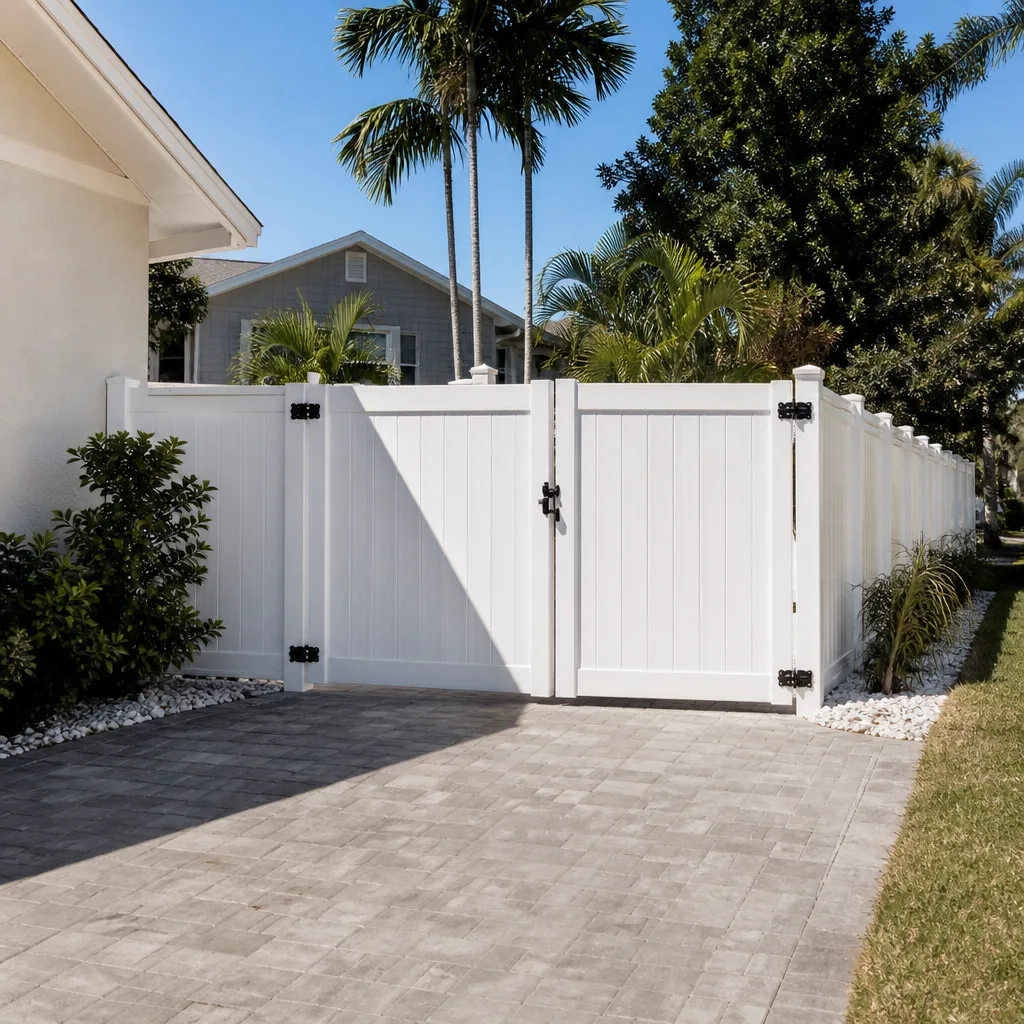
If you’re planning a fence, the shoulder is the right time to do it. A Fence Installation in Santa Ana project involves post footings that need to cure without being flooded or baked, and the shoulder season gives you both. If you’re planning something larger, like an addition or an accessory dwelling unit, the planning and permitting timeline is long enough that starting in the shoulder gets you a better shot at building during the dry months. Our Home Additions & ADU in Santa Ana team sees a real difference in scheduling when the design phase starts in spring.
For a kitchen or bathroom remodel, the season matters less, since it’s interior work. But it’s worth knowing that any exterior tie-in (a new window, a vent, a door) is easier to schedule in the shoulder.
How to Document Seasonal Inspections So the Record Is Usable
A maintenance record only helps if it’s usable later. The three places a documented inspection matters are a manufacturer warranty claim, an insurance dispute after storm damage, and a future contractor’s bid on a repair. In all three cases, what the record needs is photos with dates, a written description of the condition found, and a record of what was repaired and by whom.
What to record on every inspection
- Date and time of the inspection.
- Dated photos of every area checked, with a photo of the overall roof or elevation first.
- A written note in plain language: “Ridge cap on the south slope, 3 tabs lifting, re-fastened” rather than “roof okay.”
- The product and sealant used, with the brand name if you have it.
- Any issue deferred and why (waiting on weather, waiting on a part).
- A record of who did the work, with the receipt or invoice attached.
This is the same documentation discipline we apply on every visit. Under Clause 1 of the Haven Standard, the price is written before anyone starts, and a written scope plus a written warranty is the standard deliverable, not an upgrade. The photo record is included on every visit and is yours to keep. When a homeowner has that record from a past repair, a future contractor’s bid is a more honest number and an insurance claim is a shorter conversation.
Common Mistakes to Avoid
- Using acrylic caulk on exterior joints. Acrylics dry out in one or two Santa Ana summers. A UV-rated polyurethane or hybrid sealant flexes through the thermal swing and holds for years.
- Skipping the September pre-wind inspection. This is the one month where a small repair prevents a large one. A backed-out fastener in August is a lost shingle in October.
- Treating a wide stucco crack like a hairline crack. A crack wide enough for the edge of a quarter is a professional assessment, not a tube of caulk. Water behind the stucco is a wall-assembly problem.
- Ignoring the attic in summer. An attic that runs 30°F or more above outdoor temperature is telling you the ventilation is inadequate. Fix it before it shortens the roof’s life.
- Letting the condensate line clog and forgetting it. A clogged condensate line in a dry climate is easy to miss until there’s a stain on the ceiling. Flush it once a season.
- Not keeping a written record. A “roof was fine” note with no photos is useless in a warranty or insurance conversation. Photograph, date, and describe.
- Scheduling exterior concrete or paver work in the rainy window. The Santa Ana rain window is short but it can flood a fresh pour. Plan those jobs for the shoulder.
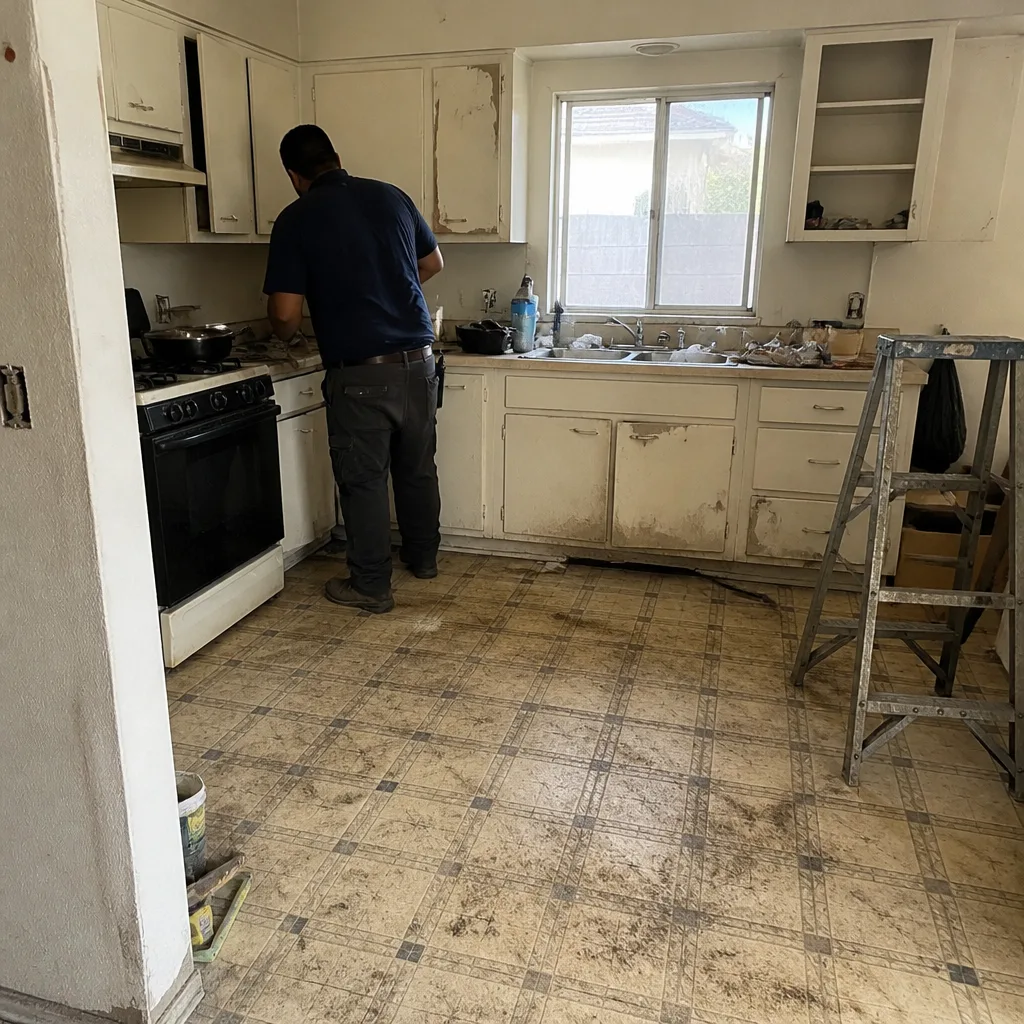
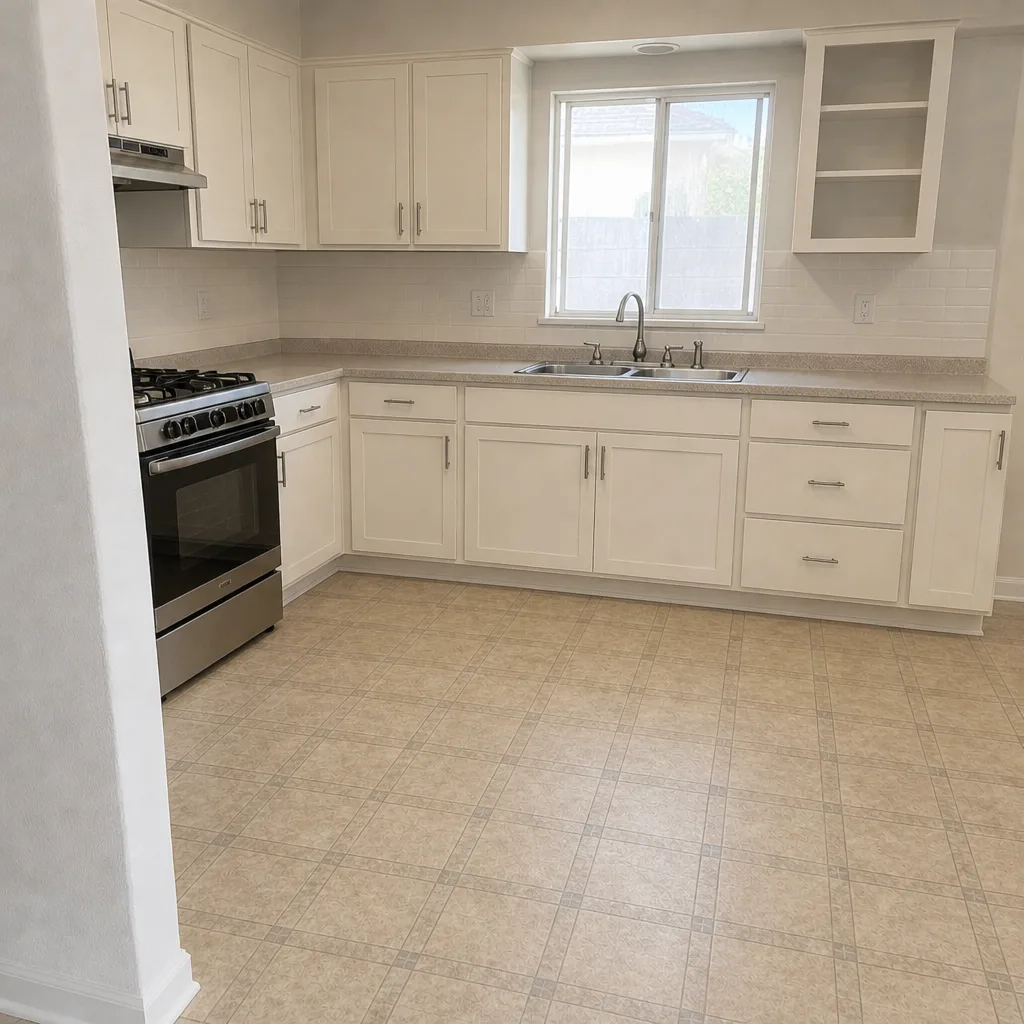
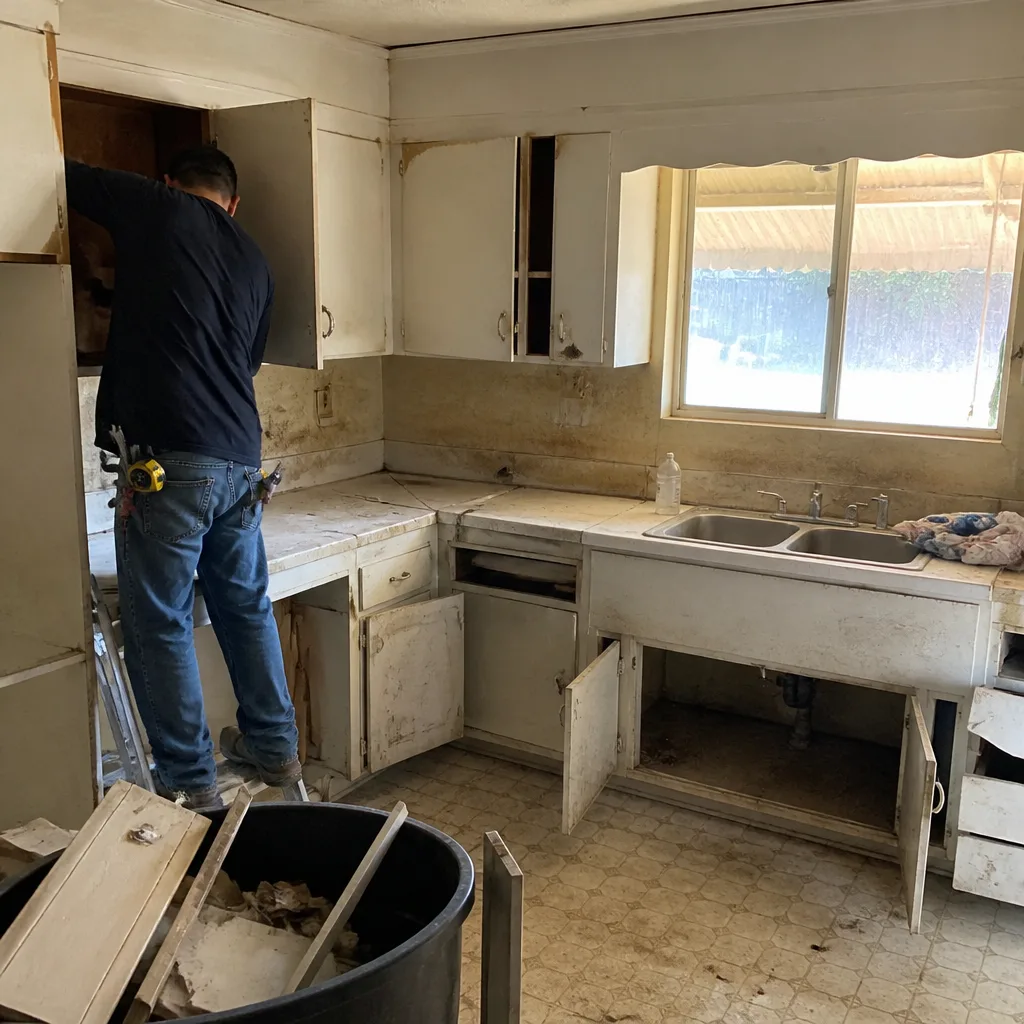
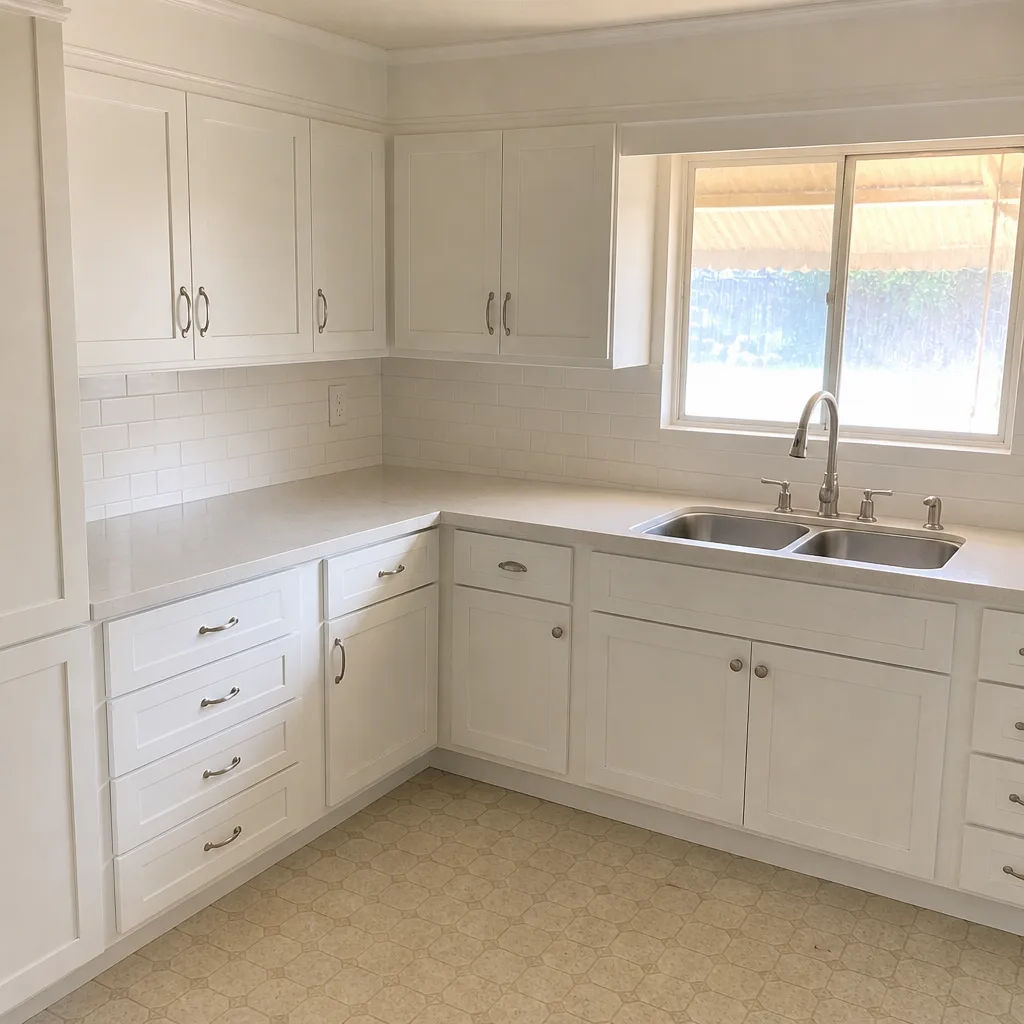
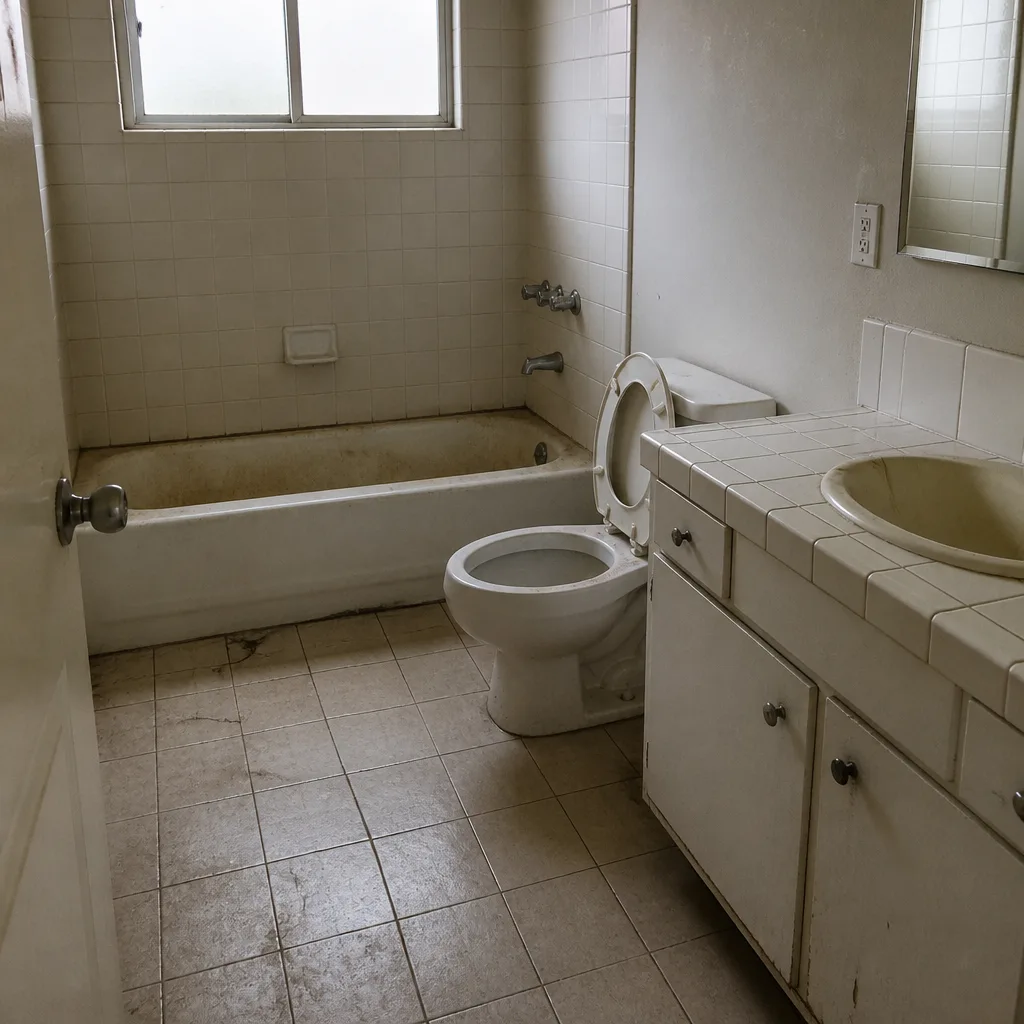
See the difference
 Before
 After
 Before
 After
 Before
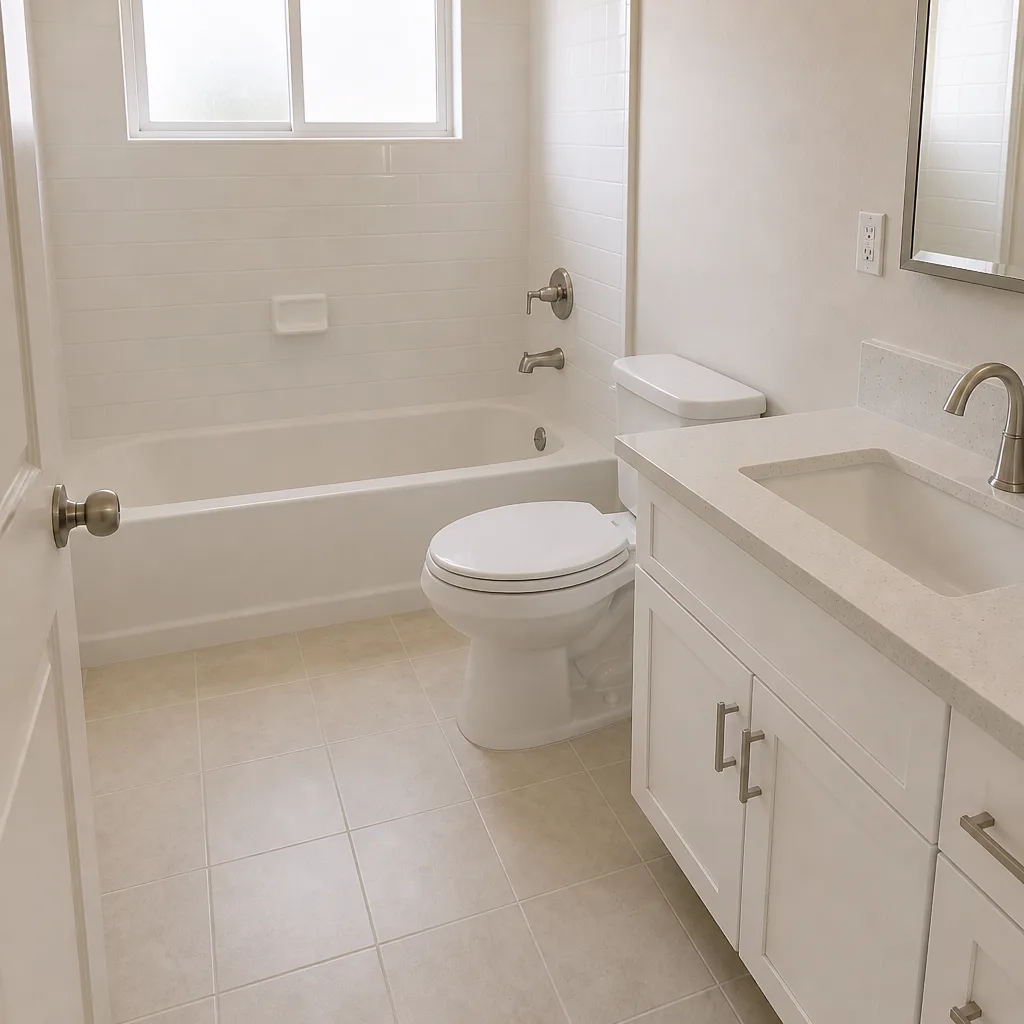 After
When to Call a Professional

Some tasks on this calendar are reasonable for a careful homeowner: clearing gutters, flushing a condensate line, photographing a roof from the ground. Others are not. Anything on the roof, any stucco crack wide enough for a quarter’s edge, any sign of water intrusion in the wall assembly, and any fastener inspection that requires walking the roof deck should go to a trained professional. Roof work and stucco repair involve fall risk and material handling that isn’t a DIY job. In our experience, the repair cost of a small issue caught in September is a fraction of the cost of the same issue caught after the first wind event. If you’re not sure whether something is a problem, a professional inspection is a cheap way to find out. Rowan Construction Group Santa Ana offers free estimates in Santa Ana. Call (833) 853-5955 to schedule one.
Frequently Asked Questions
The best time to schedule non-emergency roofing work in Santa Ana is the shoulder period, March through May, or in September before wind season. Projects that need to get done before the rain window should be on the calendar by late October. Call (833) 853-5955 for a free estimate on any roof repair or replacement.
A stucco crack wide enough to fit the edge of a quarter into is the standard we use for “get it looked at.” Hairline cracks are usually cosmetic; a quarter-width crack can let water into the wall assembly. Call (833) 853-5955 for an assessment, and the estimate is free.
Yes. The October and November Santa Ana winds regularly exceed 60 mph and they find every loose ridge cap and dried-out caulk joint on a roof. That’s why the September pre-wind inspection matters more than any other single task on this calendar.
Twice a year is the right cadence for most Santa Ana homes: once in September before the wind season and once in spring after the rain. Roofs over 15 years old or with a history of repairs should be inspected more often. Call (833) 853-5955 if you’re due for an inspection.
Not with us. Under Clause 1 of the Haven Standard, the price is written before anyone starts, and no change proceeds without a signed change order. That’s the discipline that has kept our projects within a few percent of the agreed price across 4,000-plus jobs. Call (833) 853-5955 for a written quote.
A single ridge cap repair or a caulk re-seal is typically a half-day job. A larger repair involving several penetrations or a section of shingle replacement usually runs one to two days. We’ll give you the timeline in writing with the quote. Call (833) 853-5955 to schedule.
The Bottom Line
Santa Ana’s weather doesn’t fit a four-season maintenance template, and the homes here pay for that when the calendar gets applied wrong. The four-period approach is the one that matches the climate: pre-wind in September, pre-rain in November, dry heat in June through August, and the shoulder in spring for the larger projects. The tasks on each list are specific to the materials at risk in that period, and the documentation is what makes the whole record useful later. If you take one thing from this guide, take the September pre-wind inspection. It’s the highest-return hour a Santa Ana homeowner can spend on construction care. When a task on this calendar is beyond a careful homeowner’s reach, call Rowan Construction Group Santa Ana at (833) 853-5955 for a free estimate. Every job comes with a written price before any work starts, a documented photo record on every visit, and the 365-Day Done Right Promise.
Written by the team at Rowan Construction Group Santa Ana.