Last updated November 18, 2026





Free written scope consultation - allowances, timeline, and change-order rules on paper before a single trade is scheduled
Windows & Doors Maintenance Schedule: What to Do and When
Milgard’s written warranty requires that vinyl frames be cleaned with a non-abrasive cleaner at least twice per year. Most homeowners never read that clause, and a good number of them clean their frames with ammonia-based glass cleaner, which is abrasive to vinyl. When a claim gets filed years later, the documentation gap is what sinks it. The manufacturer isn’t being unfair; the schedule was published before you bought the window, and nobody handed it to you at closing.
This guide rebuilds the maintenance calendar around what manufacturers actually require, not generic home-improvement advice. You’ll get the tasks sorted by frequency, the Santa Ana climate pressures that accelerate wear here specifically, and a log format that holds up if you ever need to make a warranty claim.
Quick Answer
Operate every operable window monthly, lubricate hinges and inspect weatherstripping every six months, and clean weep holes, inspect exterior caulk, and check the sill pan annually. In Santa Ana, UV exposure and coastal particulate speed up the wear cycle, so the six-month tasks are not optional here the way they might be inland of the county line. Keep a written log of every task, the product used, and the condition observed; that log is your evidence if a warranty claim is ever filed.
Styles & brands we work with
- Kitchen remodeling
- Bathroom remodeling
- Home additions & ADU
- Roofing
- Windows & doors
- Driveway & pavers
- Fence
Table of Contents
- The Monthly Tasks That Prevent Hardware Seizure
- Every Six Months: Lubrication and Weatherstripping
- The Annual Deep Check: Weep Holes and Caulk
- Why Santa Ana’s Climate Changes the Schedule
- Maintenance by Frame Material: Vinyl, Wood Clad, Fiberglass
- The Cascade Problem: Tasks You Can’t Skip a Single Cycle
- The Documentation Log That Protects Your Warranty
- Common Mistakes to Avoid
The Monthly Tasks That Prevent Hardware Seizure
The single most common failure we see in Santa Ana homes is a window that hasn’t been opened in two years and won’t open now. The hardware hasn’t failed; it has seized. Dust, marine salt, and the fine grit that blows through the canyon gaps all work their way into the track and pivot points, and once the grease dries out around that grit, the mechanism locks up. The fix at that point is replacement hardware, not a cleaning.
The monthly routine is thirty minutes of work across an entire house, and it does more to extend window life than any product on the shelf.
- Open and close every operable window. Full travel, both directions. If a sash drags, note it in your log before it seizes fully.
- Wipe the bottom track with a damp cloth. Dry it after. Standing moisture in a track is what feeds the corrosion you see on older aluminum sliders.
- Look at the weatherstripping on the strike side. You’re checking for compression, not tearing. A gasket that has gone flat lets air through even when the window is latched.
- Check the door sweep at the bottom of any exterior door. A sweep that clears the threshold by a quarter inch is doing nothing.
Sliding glass doors deserve a full track clearing monthly, not quarterly. Santa Ana patios see a lot of traffic, and the debris that collects in a slider track gets rolled into the bearings every time the door moves. We’ve replaced door rollers on houses where the track had never been vacuumed since installation. The doors were less than a decade old.
Every Six Months: Lubrication and Weatherstripping Inspection
Twice a year, the routine gets deeper. Pick two dates on the calendar that are easy to remember, typically spring and fall, and do the same six-month pass each time so your log stays comparable year to year.
Lubricate the hinges, pivots, and lock mechanisms. For casement and awning operators, a few drops of 3-IN-ONE or an equivalent light machine oil on the crank mechanism and the arm pivot. For hung windows, the pivot shoes and the sash balance hardware. Don’t use WD-40 as a long-term lubricant; it’s a good penetrant and cleaner, but it won’t sustain the lubrication the operator needs and it attracts dust. Grease in a sandy environment becomes grinding paste. Light oil is better here.
Inspect weatherstripping compression. Close and latch the window, then look at where the gasket meets the sash. Proper compression means the gasket is deformed against the surface by about a third of its original thickness. If it bounces back to full thickness, it’s leaking air. This matters for energy bills in Santa Ana summers, where a leaking window on the west side of a house will add measurable load to a system already running hard in the afternoon.
Check the door gaskets on exterior doors. With the door shut, run a piece of paper around the perimeter. If it slides out easily at any point, there’s a gap. Adjust the strike plate or replace the gasket.
Wipe the interior film off glass with the right product. Read the label on your glass cleaner. If it contains ammonia and your frames are vinyl, use it on the glass only, not the frame. Milgard’s non-abrasive cleaning requirement is satisfied by a mild dish soap solution and a soft cloth.
If you’re planning a broader exterior pass on the home, the same seasonal timing works for Driveway & Pavers in Santa Ana cleaning and joint sand checks, and for tightening the hardware on your Fence Installation in Santa Ana gates.
The Annual Deep Check: Weep Holes, Caulk Bead, and Sill Pan
Once a year, block out an afternoon and go through the whole house. The annual tasks are where warranties are won or lost, because they’re the ones with real stakes if missed.
- Clean the weep holes with compressed air. Every window and sliding door has them; they’re the small slots or flaps at the bottom of the frame that let water drain out of the sill pan. A can of compressed air or a soft brush clears them in seconds. Do not probe with a stiff wire; you’ll tear the moisture barrier.
- Inspect the exterior caulk bead. Run a finger along the joint between the frame and the siding or stucco. Look for cracks, gaps, or separation from the substrate. Any separation wider than a hairline needs a new bead of exterior-grade sealant.
- Check the sill pan on ground-floor and slider windows. The sill pan is the sloped member under the window that channels water to the weep holes. If it’s holding water, either a weep hole is blocked or the pan has lost slope.
- Look at the paint or finish on the exterior frame. Flaking paint on a wood-clad window is more than cosmetic; moisture has gotten behind the finish.
- Inspect the door thresholds. Adjustable thresholds shift with the house. If you see daylight under an exterior door from inside, the sweep isn’t making contact and moisture will follow the gap.
- Test the door locks and deadbolts. Latch hardware that doesn’t engage easily is either misaligned or worn. This is often a sign a hinge screw has loosened, which lets the door sag out of square.
Roofing and gutter work pairs naturally with the annual window check. If you’re going up anyway, add a gutter and downspout inspection to the list. The Rowan Construction Group Santa Ana home page has the full exterior maintenance framework if you want to see how the trades connect.
Why Santa Ana’s Climate Changes the Schedule
Santa Ana is a warm, dry, high-UV environment for most of the year, and that has real consequences for window and door maintenance. Three pressures stand out.
UV degradation of vinyl is faster here than in cooler climates. The sun’s ultraviolet load on a west-facing frame in Santa Ana accelerates the oxidation that turns vinyl chalky and eventually brittle. A UV protectant on vinyl frames, applied annually, is optional per most manufacturers but genuinely useful here. It won’t extend the warranty, but it will extend the frame.
Coastal particulate clogs weep holes fast. Even a few miles inland of the coast, the air carries fine salt and dust that settles into the drainage slots. Weep holes on the west side of a Santa Ana house need checking twice a year, not once, if you’re within a reasonable distance of the coast or near the canyon winds.
Temperature swings cause sealant movement. Warm days and cool nights flex the joint between frame and stucco. Exterior caulk that’s rated for that kind of movement lasts; caulk applied for a lower-flexibility climate fails within a season. Ask for a polyurethane or hybrid sealant rated for movement, not basic painter’s caulk.
Our technicians have up to 19 years of experience on Santa Ana exteriors, and the pattern is consistent: the houses that have skipped two annual cycles are the same houses that need exterior caulk replacement across the whole front elevation, not just here and there.
Maintenance by Frame Material: Vinyl, Wood Clad, Fiberglass
The frequency tasks are the same regardless of frame material, but the annual pass changes materially. Match the tasks to what your window was made of, because the same action can void the warranty on one product and be required on another.
Vinyl Frame Windows (Milgard, CertainTeed, and Similar)
- No painting, ever. Paint on vinyl traps moisture and cracks as the frame moves. If your vinyl is discolored, that’s UV oxidation, not a surface to paint over.
- Clean with a non-abrasive cleaner. Mild dish soap and water. No ammonia on the frame, no scrubbing pads.
- UV protectant is optional but useful. An annual application slows oxidation. Check your specific manufacturer’s stance before applying; some specify approved products only.
- Inspect the welded corners once a year. A joint that shows separation in the weld means the frame itself is moving.
Wood Clad Windows (Marvin, Pella, and Similar)
- Repaint exposed wood every 3 to 5 years. The clad exterior is protected; the wood interior is not.
- Inspect the cladding for dents and separation. Cladding is thin aluminum; hail or a ladder bump will compromise it, and moisture gets in behind.
- Check the sill for rot annually. Wood sills are particularly vulnerable in Santa Ana if the weep holes aren’t draining.
- Sand and spot-repaint any exposed wood in the same season you notice it, not the next season. Wood left exposed cycles through wet and dry and starts to check.
Fiberglass Frame Windows
- Inspect the gel coat for crazing annually. Crazing is a fine network of hairline cracks in the finish that indicates UV breakdown. It’s not structural but it precedes fading and chalking.
- Clean with the same non-abrasive product as vinyl. Fiberglass is tough but the gel coat scratches.
- Touch up scratched or chipped areas promptly. Fiberglass exposed to UV without the gel coat will chalk and eventually pit.
If you’re planning to update the openings as part of a larger scope, it’s worth understanding how window and door specifications interact with structural changes. Our page on Home Additions & ADU in Santa Ana covers the permitting piece.
The Cascade Problem: Tasks You Can’t Skip a Single Cycle
Most maintenance tasks have small consequences if you skip one. Four of them do not.
The weep hole. A clogged weep hole leads to sill pan overflow, which leads to water infiltration behind the stucco or siding, which in Santa Ana is a repair we see quoted between $3,000 and $8,000 depending on how much wall has to be opened. One blocked drainage slot on a second-floor window can start that cascade. The clearing takes ten seconds.
The exterior caulk bead at the head of the window. A failed bead at the top of the frame pushes water into the wall cavity behind the window. This is the failure mode that shows up as interior drywall stains long after the actual leak started, and by then the wall cavity has been wet through a rainy season.
The door sweep and threshold seal. A worn sweep lets water into the subfloor at the base of an exterior door. Subfloor repair is a much larger job than a sweep replacement, and the damage often extends under the adjacent flooring.
The weatherstripping on a slider. A failed gasket lets wind-driven rain past the frame during the rare but real Santa Ana storm. The water goes into the door track and the wall, and it’s usually invisible until the stucco shows a rust stain from the fasteners.
Those four tasks are the ones we’d prioritize even in a house where everything else has been neglected. If you only do four things in Santa Ana, do those four.
The Documentation Log That Protects Your Warranty
Manufacturer warranties are conditional. They require proof that the maintenance was performed. When a claim goes to review, a homeowner with a log has a claim; a homeowner without one has a conversation. The log format is simple, and it takes two minutes per task.
Use a spreadsheet or a paper notebook. Either works. Four columns:
- Date. The day the task was performed.
- Task performed. Name it specifically. “Cleaned weep holes on south elevation sliders” is evidence. “Windows cleaned” is not.
- Product used. The brand and type. “Mild dish soap solution” or “3-IN-ONE light oil”. The product matters because it’s how you defend against the voided-by-improper-cleaner argument.
- Condition noted. What you observed while doing the task. “Weep holes clear on two units, one unit draining slowly, scheduled for re-check” is exactly the language that keeps a warranty active even if the underlying condition later becomes a claim.
Photograph anything you flag. A dated phone photo of a gap in the caulk bead next to the log entry is the kind of record that gets a claim approved. We include a documented photo record on every visit as standard, not as an upgrade, for exactly this reason; the record protects the homeowner.
Common Mistakes to Avoid
- Using ammonia-based glass cleaner on vinyl frames. The glass is fine; the frame is not. Read the label. Milgard’s warranty language is explicit about non-abrasive cleaners.
- Power-washing exterior windows. It forces water past the seals that keep water out of the wall. A garden hose and a soft brush are enough anywhere in Santa Ana.
- Painting vinyl or fiberglass frames to “freshen them up”. Paint on a vinyl frame voids the finish portion of most warranties, and it will peel within two seasons in the local UV.
- Skipping the lubricant because the hardware “feels fine”. It feels fine until the day it doesn’t. Seized hardware has no warning.
- Caulking over a failed bead without removing the old caulk. New sealant over old fails quickly. The old bead has to come off with a plastic scraper first.
- Cleaning weep holes with a wire or coat hanger. The moisture barrier behind the slot tears easily, and once it’s torn, the drainage system is compromised.
- Not keeping a log. This is the mistake that costs the most. The window was expensive; the warranty was part of the price. A two-minute log entry is what protects it.
See the difference
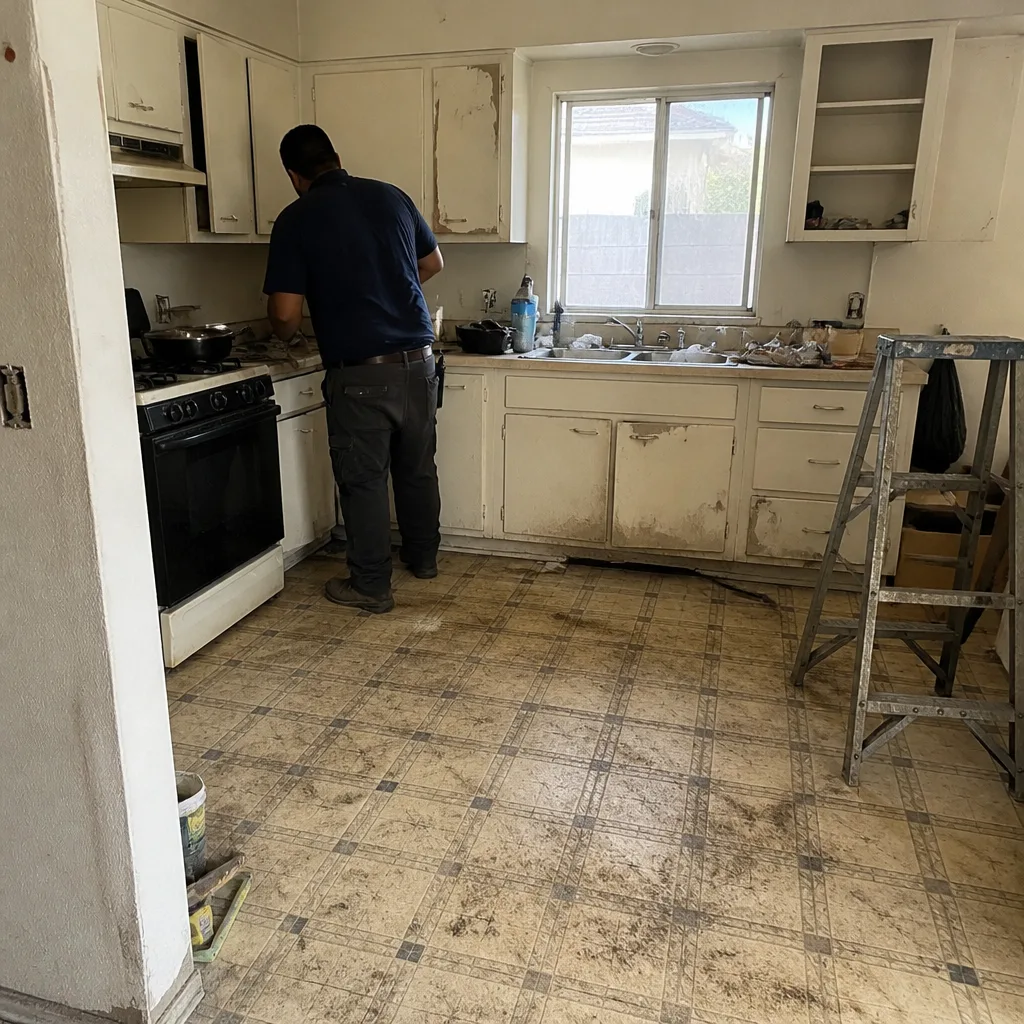 Before
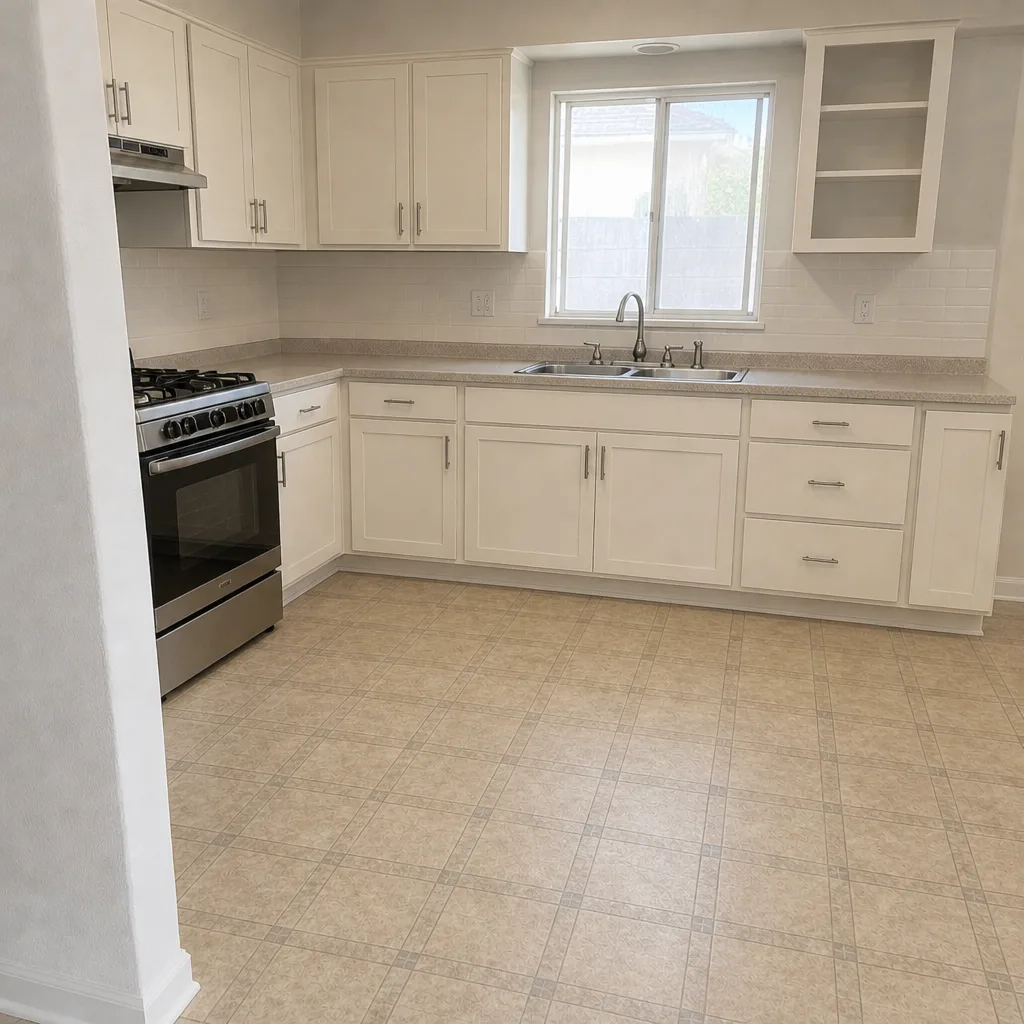 After
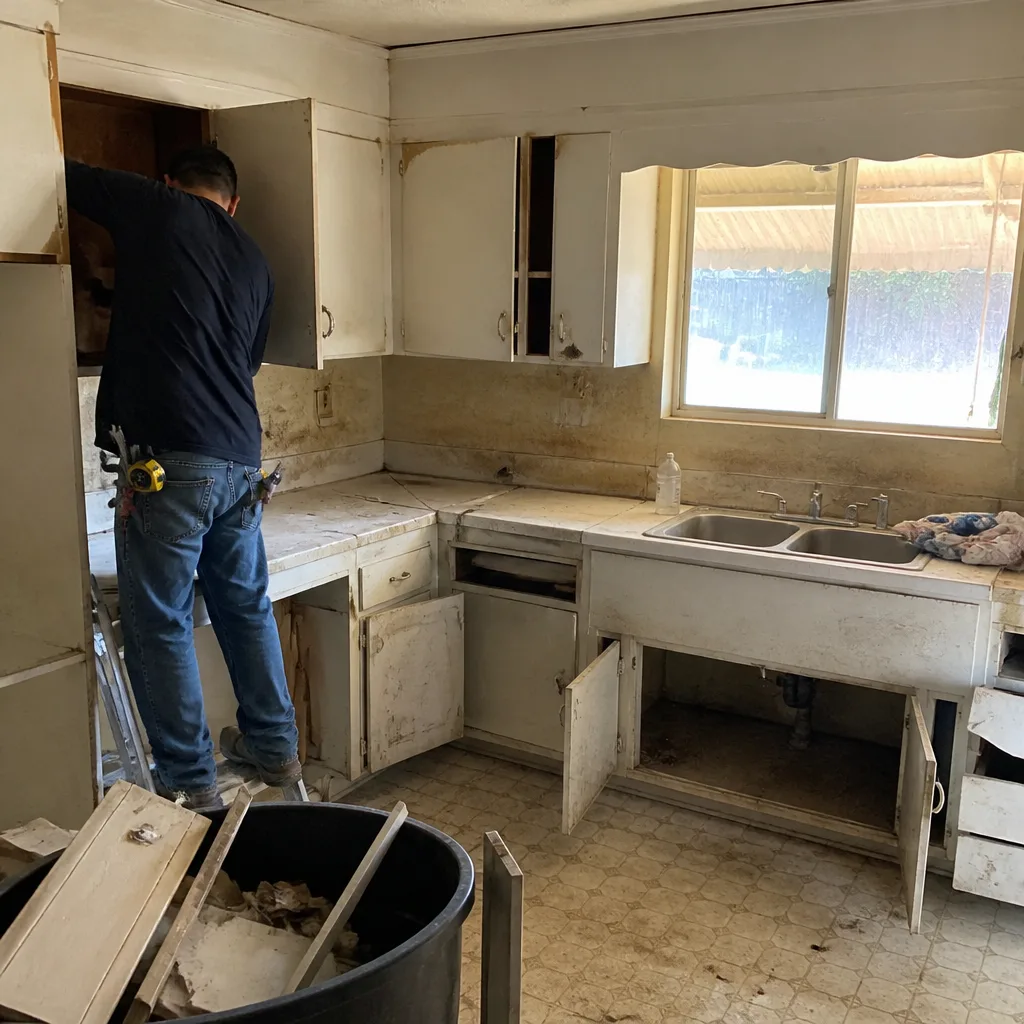 Before
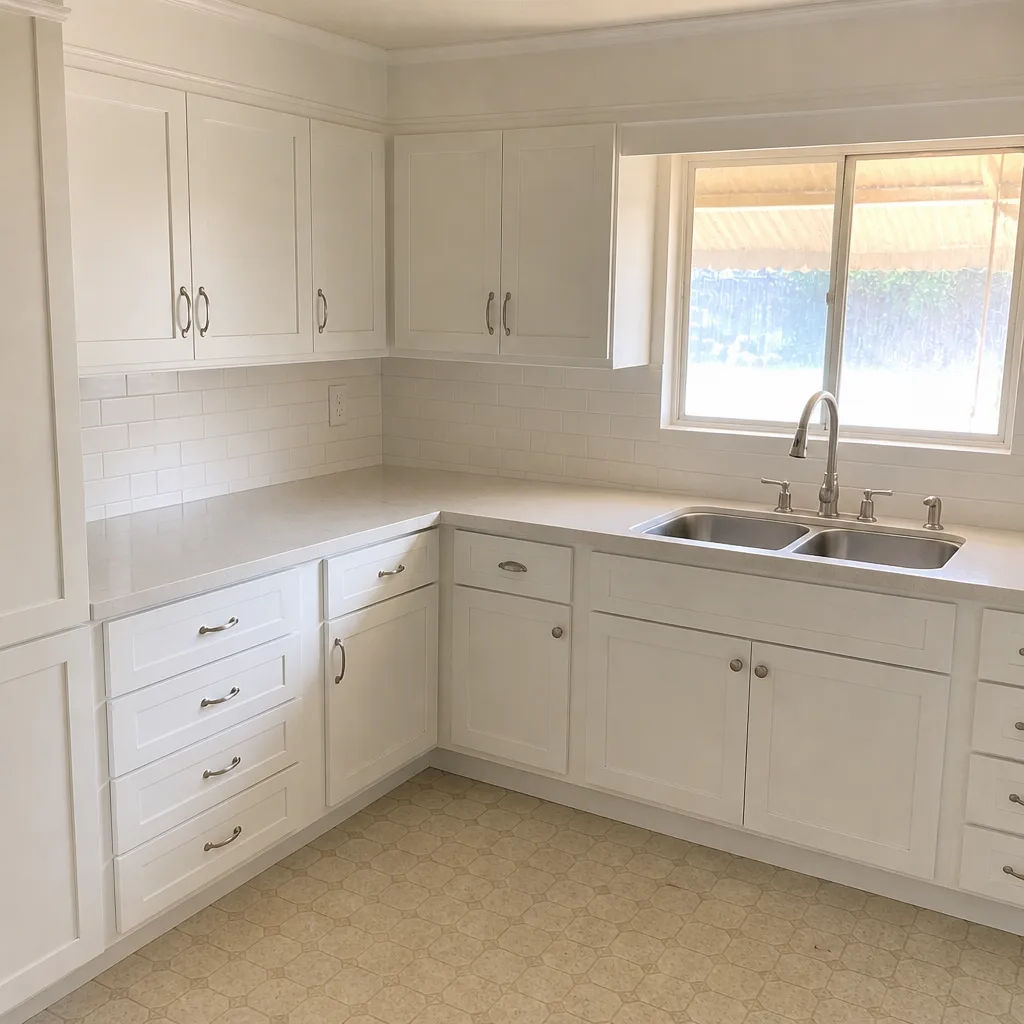 After
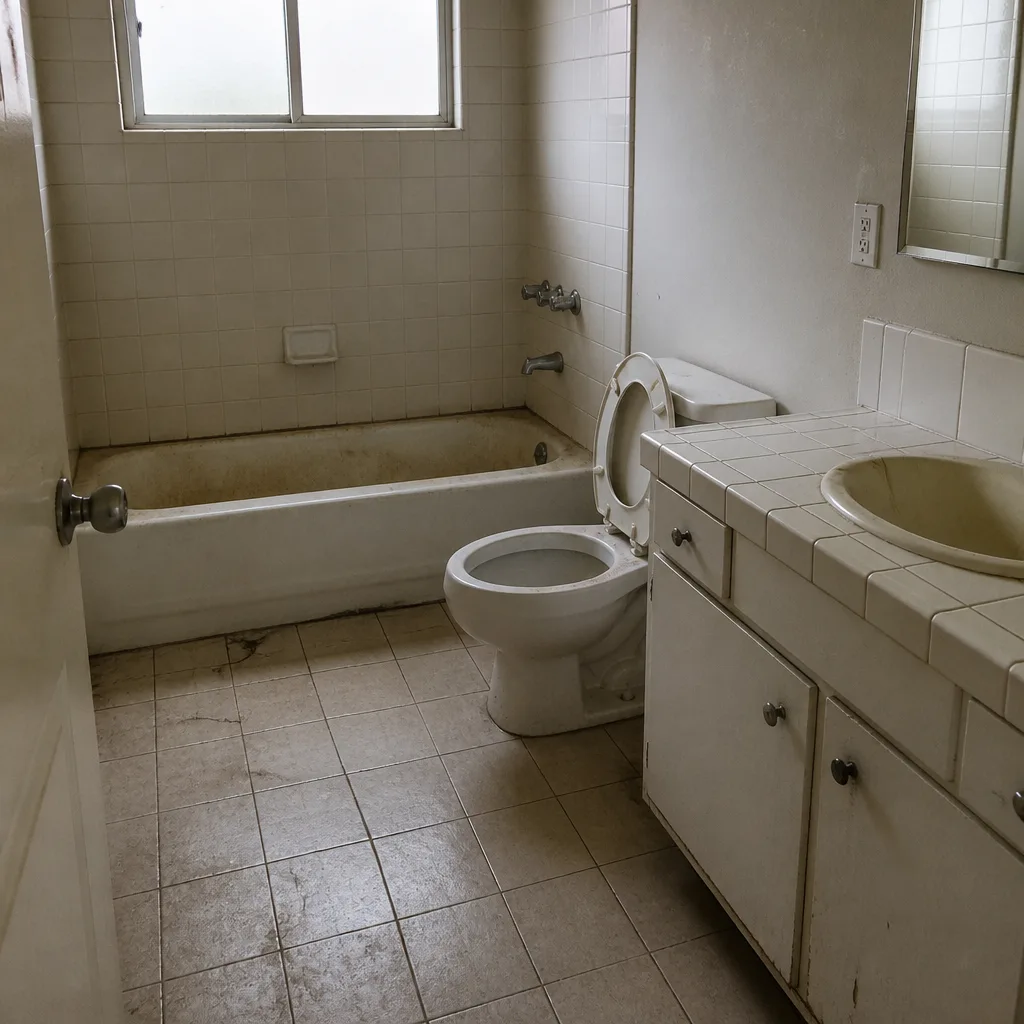 Before
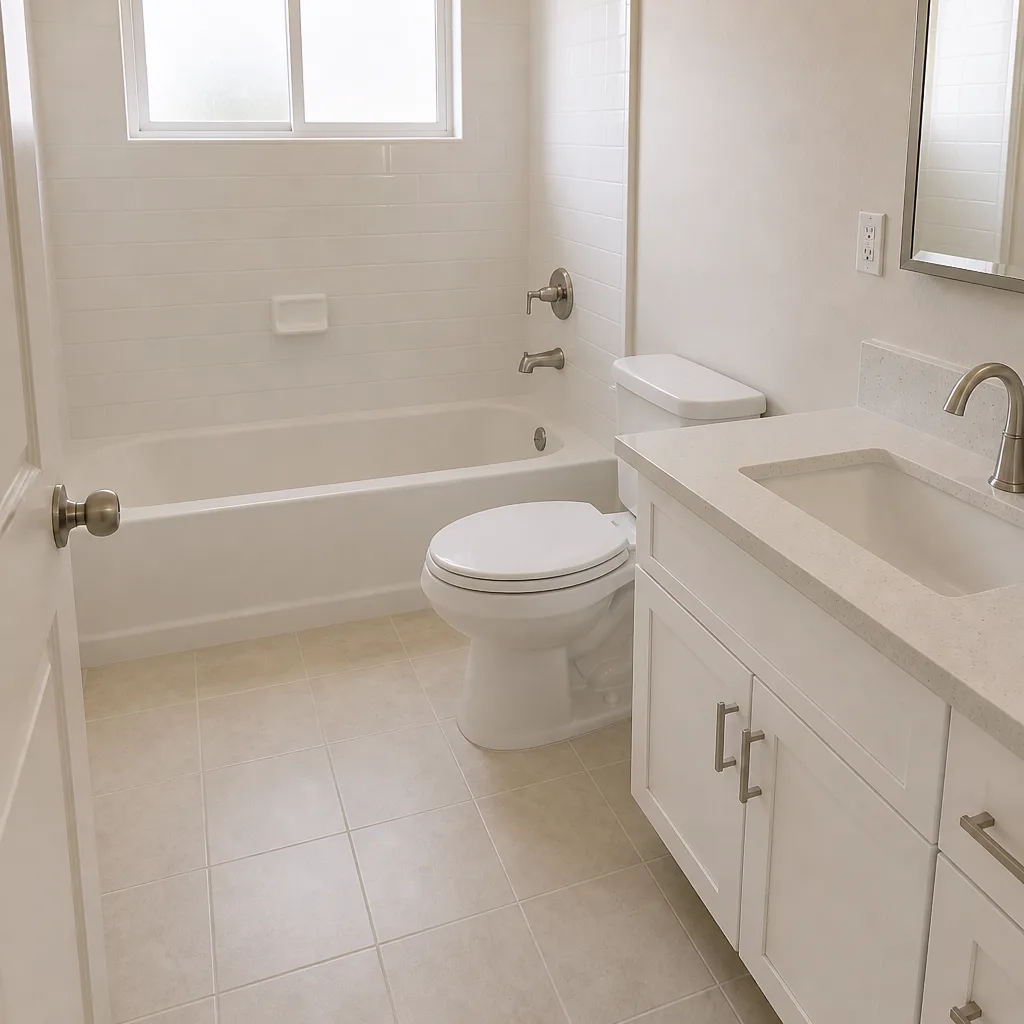 After
When to Call a Professional
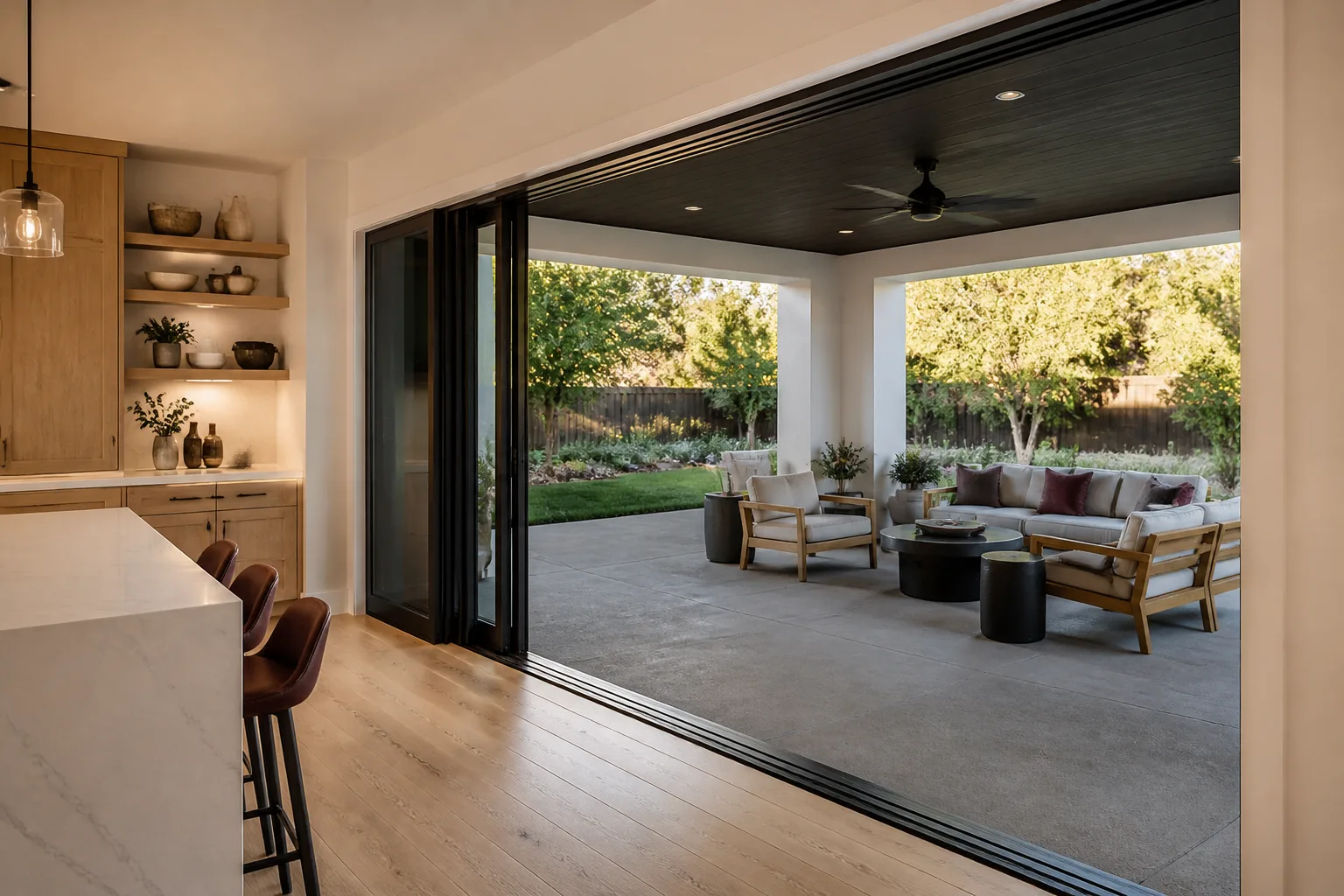
Some of this calendar is owner-appropriate and should stay that way. Some is not. Call a professional when:
- Water is appearing on the interior side of a window or door frame after rain.
- Exterior caulking has failed across more than one window or under a full elevation.
- A window won’t open, won’t close fully, or a door has dropped out of square.
- The sill pan has lost slope or the weep system has been compromised.
- Fogging appears inside a sealed insulated glass unit. That’s a gasket failure inside the glass, and the unit needs replacing.
- A frame shows separation at the weld (vinyl) or rot (wood clad).
Rowan Construction Group Santa Ana offers free estimates in Santa Ana for any of these. Our quotes are flat written prices with a written scope and a written warranty, delivered before any work starts, and the numbers hold because no change proceeds without a signed change order. Crews are background-checked and uniformed, a live person answers calls 24/7, and every visit comes with a photo record. Call (833) 853-5955 to schedule your free estimate. Under the Haven Standard, the price is written before anyone starts, and the 365-Day Done Right Promise backs the work.
Frequently Asked Questions
Clean interior glass and wipe tracks monthly, lubricate hardware and inspect weatherstripping every six months, and do a full annual pass on weep holes, exterior caulk, and sill pans. In Santa Ana, add UV inspection of vinyl and fiberglass frames to the annual list. Call (833) 853-5955 for an exact quote on professional service; estimates are free.
Yes, in many cases. Milgard’s written warranty requires non-abrasive cleaners, and ammonia-based glass cleaner applied to vinyl frames counts as abrasive under that language. Most homeowners never read the clause. The remedy is simple. Clean the glass with the glass cleaner and the frame with a mild soap solution, and log the product used. Call us if you’re evaluating a warranty situation; we’ll look at it as a free second opinion.
Typically $3,000 to $8,000 depending on how much wall has to be opened and whether the damage reached the subfloor. The repair cost is why we prioritize the ten-second weep hole clearing every year. Call (833) 853-5955 for a written estimate before you commit; the quote is a flat price with a written scope.
No. Power-washing forces water past weatherstripping and seals, which is the exact failure mode the maintenance schedule exists to prevent. A garden hose and a soft brush will handle exterior dirt without stressing the seals. Expect to spend more time, not less, if you’ve been power-washing.
Close and latch the window, then look at the gasket at the contact points. If it’s compressed to about a third of its original thickness where the sash meets the frame, it’s doing its job. If it returns to full thickness with no deformation, it’s not sealing. The paper test on doors works the same way. A weatherseal repair is typically a small job. We’ll review it line by line if you want a free second opinion on any written estimate.
In many cases yes, especially when the replacement changes the opening size or the emergency egress configuration. The permit protects the homeowner at resale. When it’s required, we pull it and pass inspection, and the inspection documentation becomes part of your home record. Call (833) 853-5955 to talk through the specifics of your project before any work is scheduled.
The Bottom Line
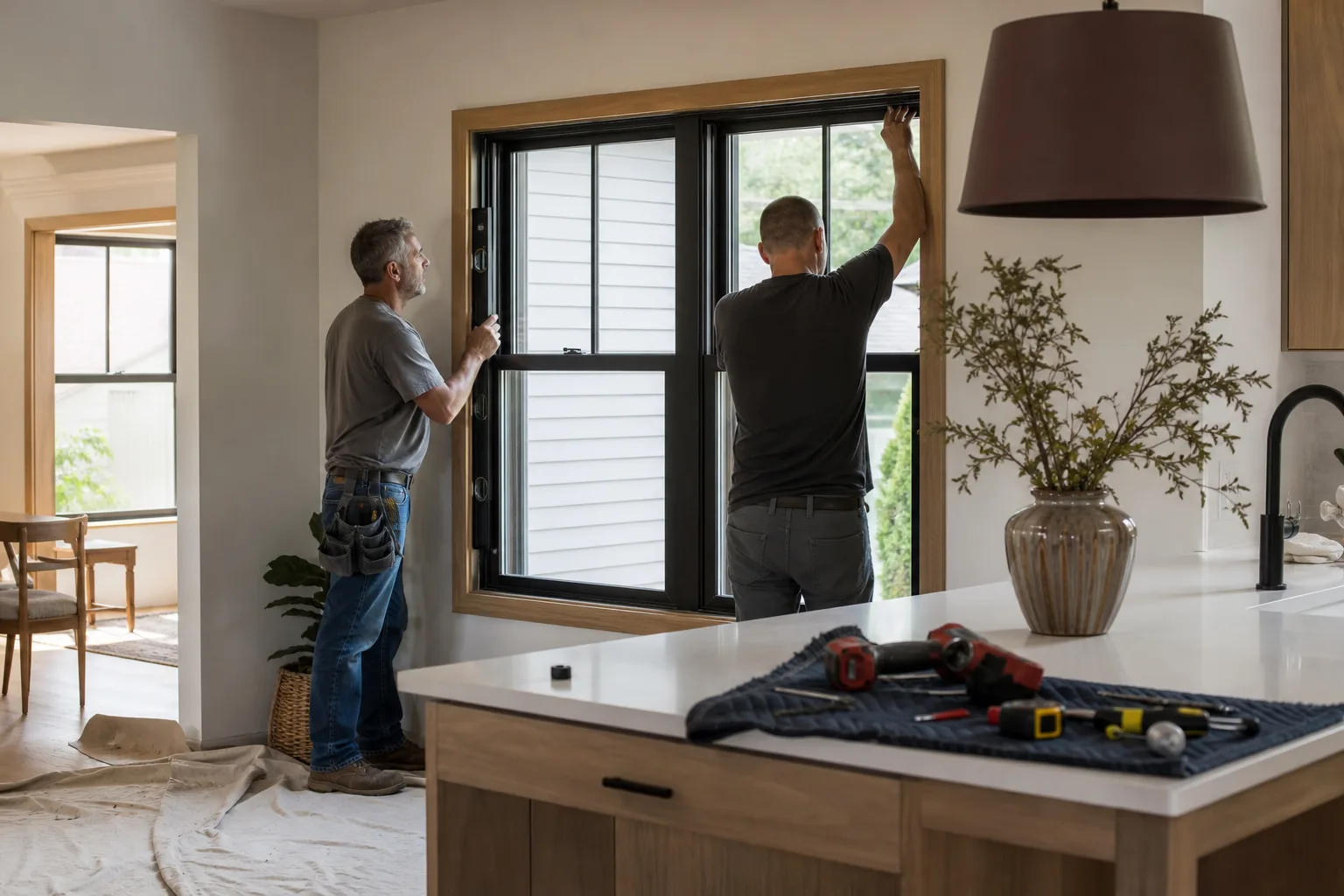
The maintenance schedule isn’t guesswork. Every window and door you own came with a published set of requirements, and the gap between that schedule and what most Santa Ana homeowners actually do is where the expensive failures happen. Monthly hardware cycles, six-month lubrication and weatherstripping checks, and the annual weep hole, caulk, and sill pan pass are the whole program. Add the material-specific tasks for the frame you have, keep a four-column log, and treat the four cascade tasks as non-negotiable. That’s the schedule. The documentation is what protects the warranty you paid for.
Call (833) 853-5955 for a free estimate on any window or door work in Santa Ana, including the free second opinion on any written estimate you’re holding.
Written by the team at Rowan Construction Group Santa Ana.