Free written scope consultation - allowances, timeline, and change-order rules on paper before a single trade is scheduled
Styles & brands we work with
- Kitchen remodeling
- Bathroom remodeling
- Home additions & ADU
- Roofing
- Windows & doors
- Driveway & pavers
- Fence
See the difference
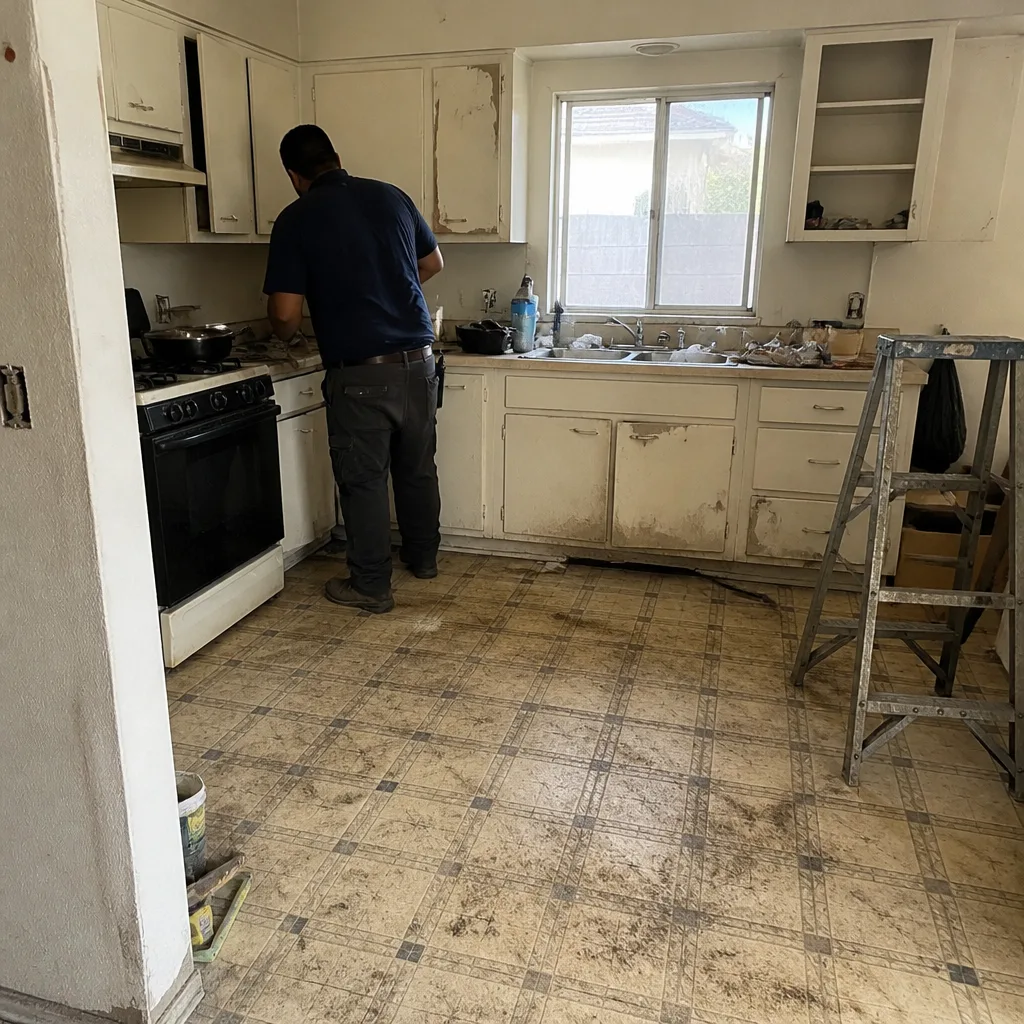 Before
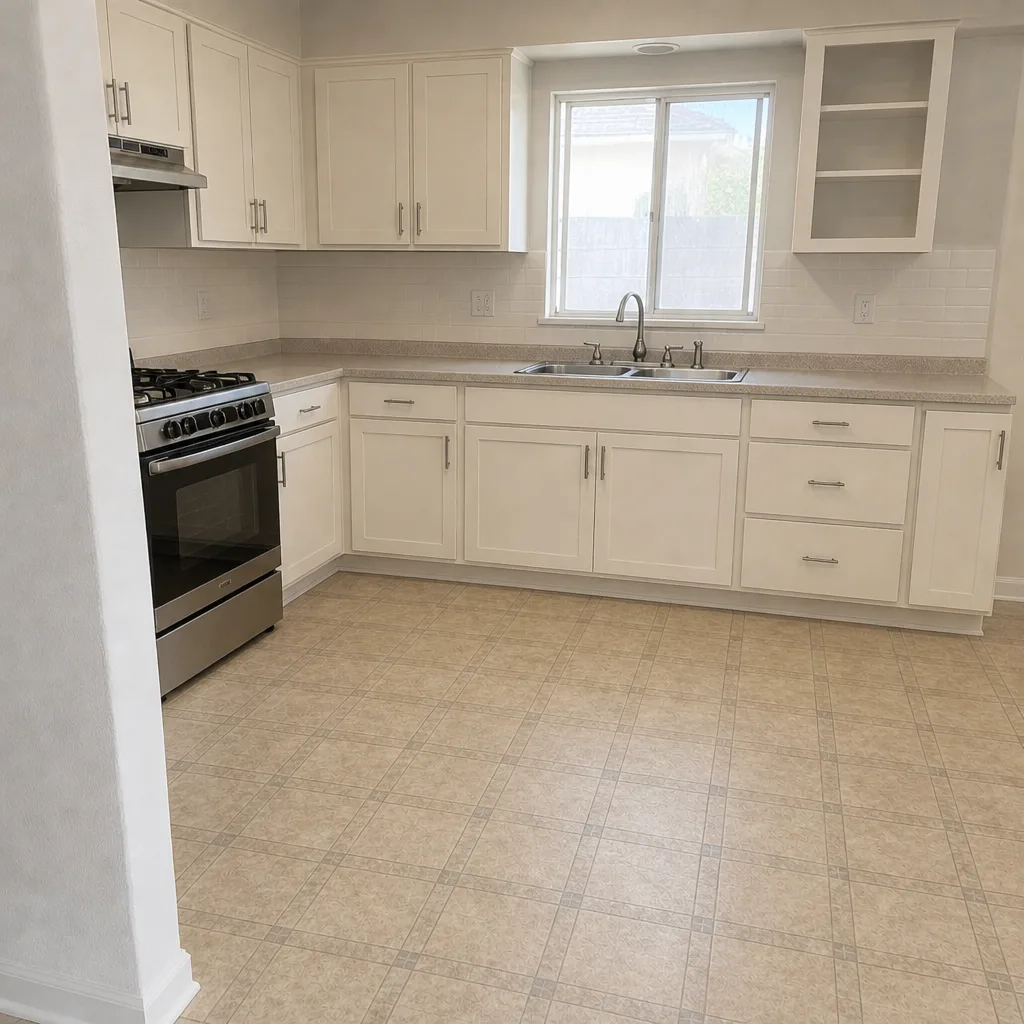 After
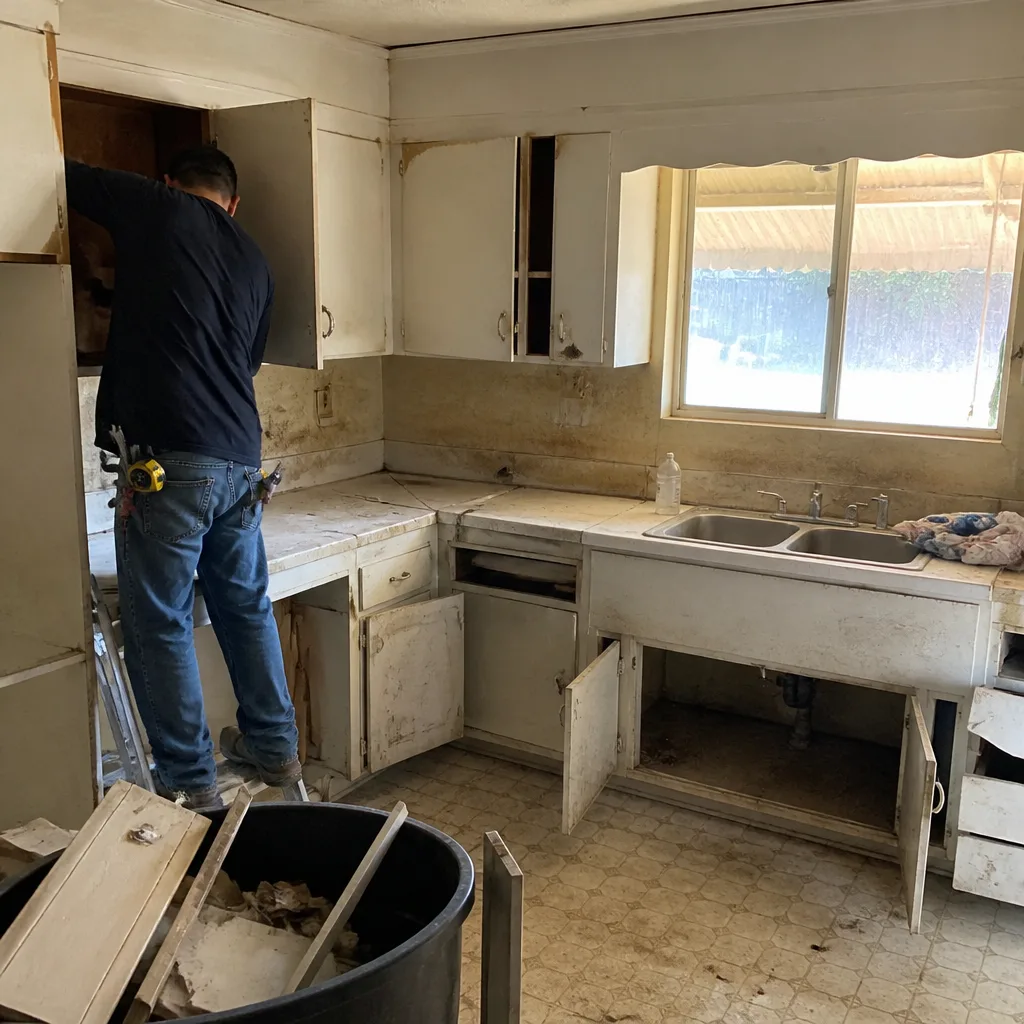 Before
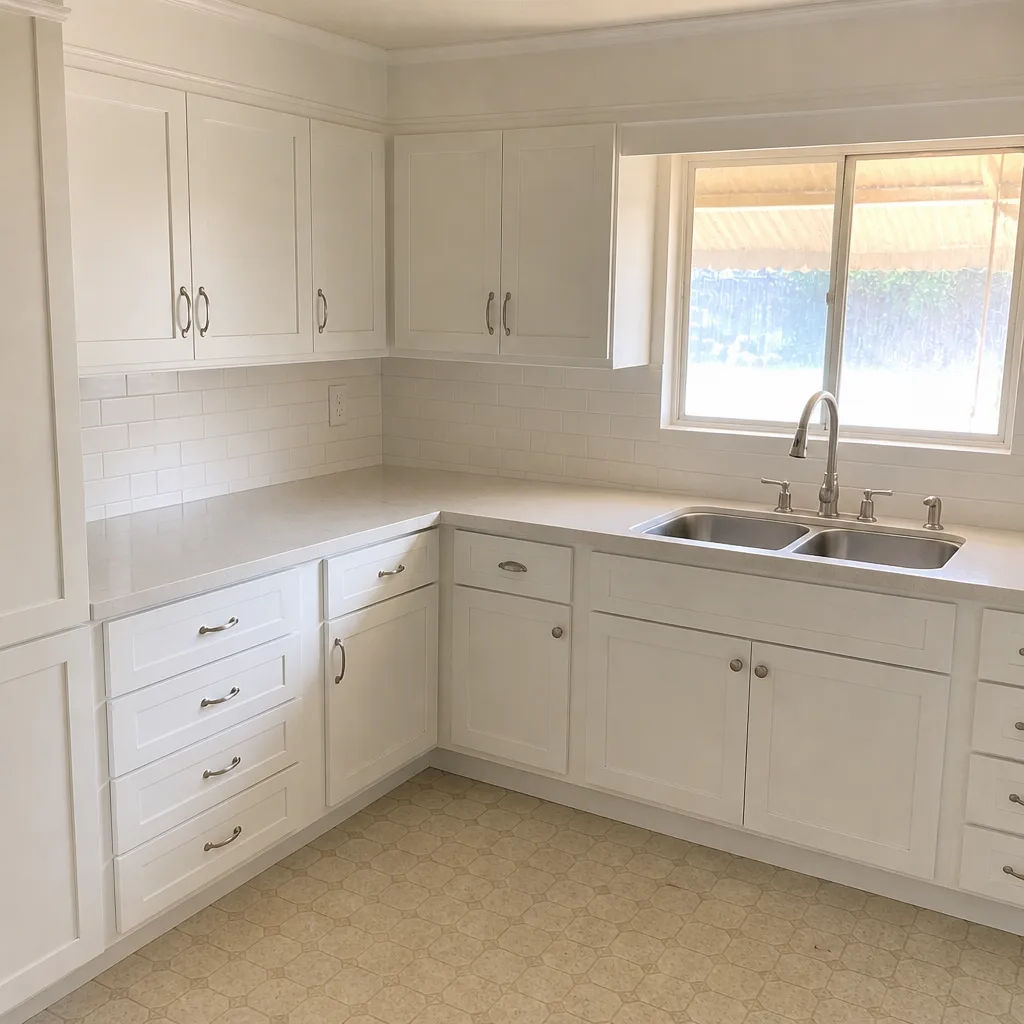 After
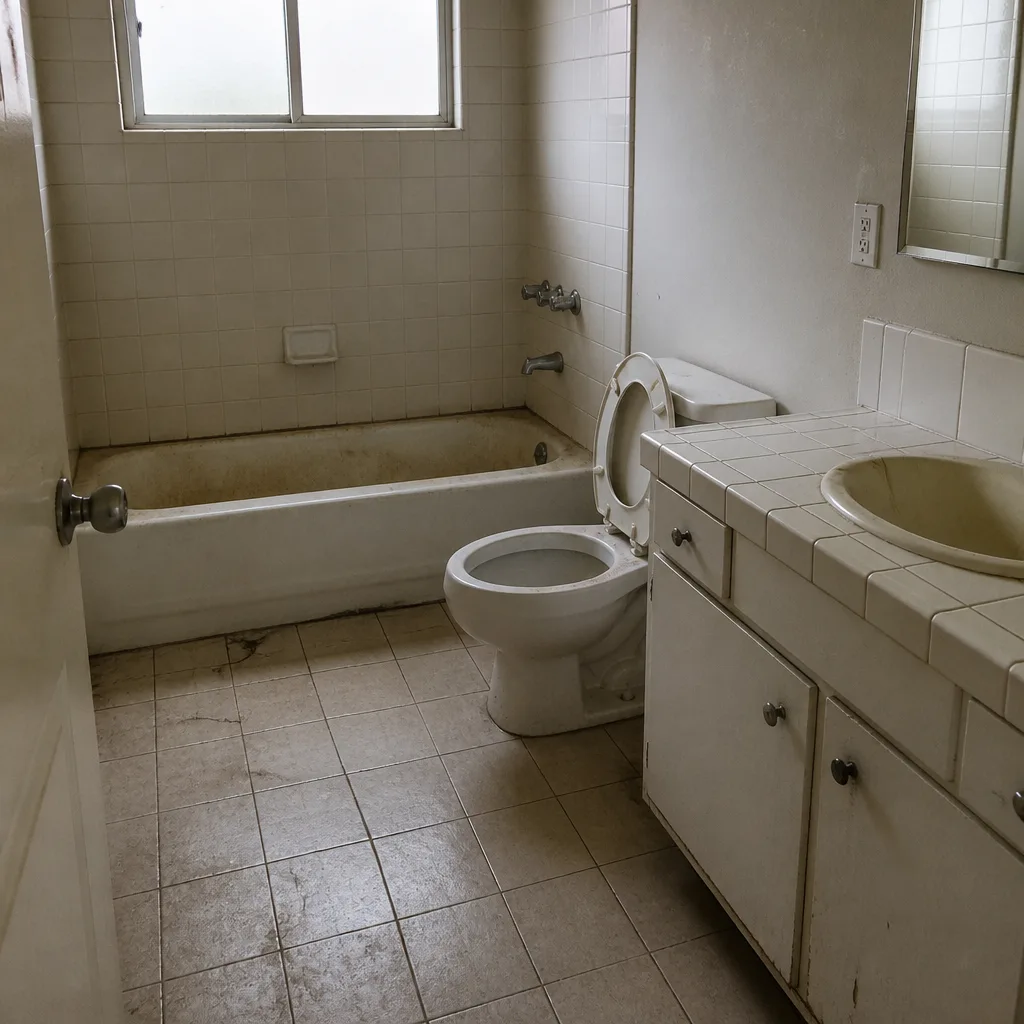 Before
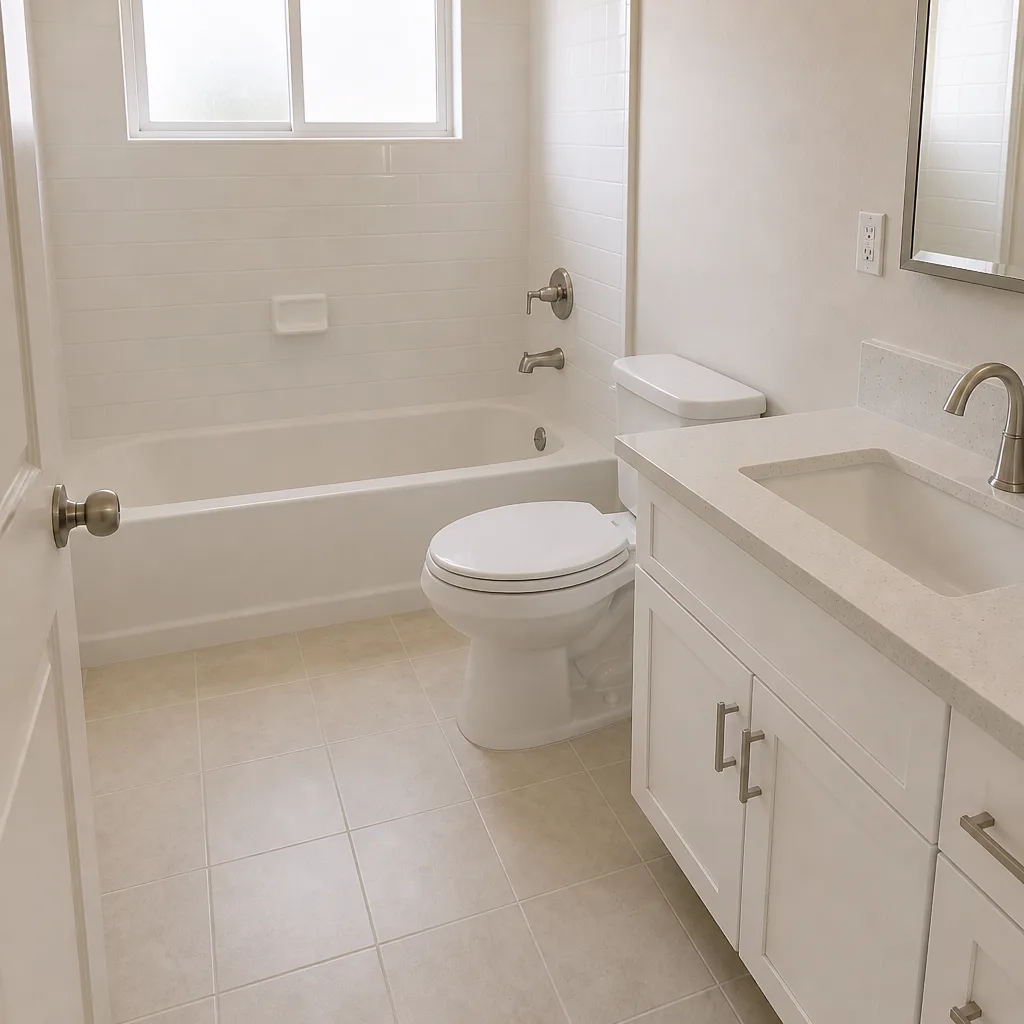 After
Home Addition vs ADU in Santa Ana: Which One Actually Fits Your Lot?
Choose an ADU unless your goal is shared space under one roof. If a grandparent, adult child or renter needs their own address, their own entry and their own utility meter, a detached accessory dwelling unit is the only one of the two paths that delivers it. If you’re adding a family room, a primary suite or a kitchen extension that stays inside the household, a home addition is cheaper per square foot and simpler to permit. The deciding variable in Santa Ana is lot coverage, and getting it wrong is expensive. Call (833) 853-5955 and we’ll pull your parcel’s numbers before you commit to either.
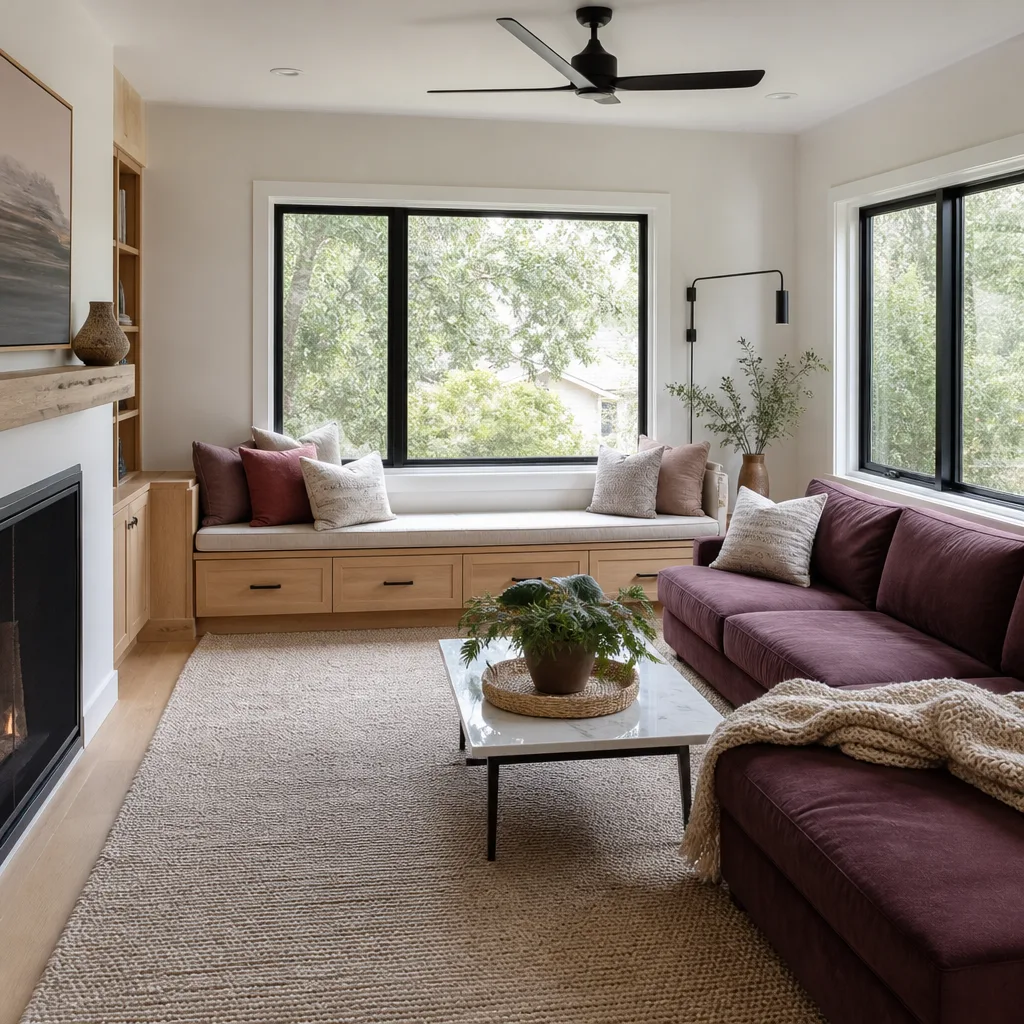
Why a 400 sq ft decision costs two very different amounts
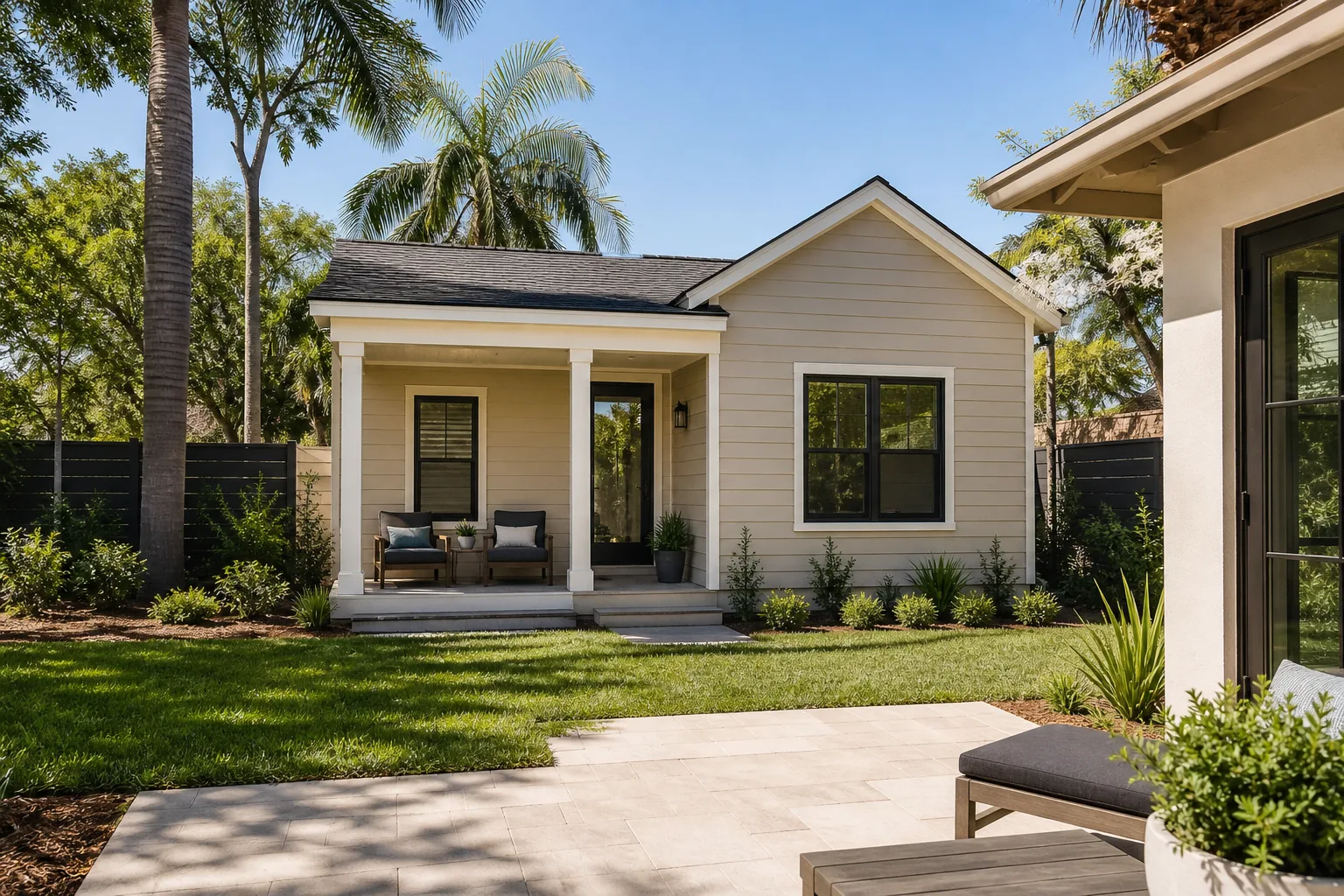
Here’s the trap we see on Santa Ana lots again and again. A homeowner builds a 400 sq ft family room addition to house a grandparent. It’s legal, it’s comfortable, and it cannot be rented, cannot carry a separate address, and cannot be metered separately. The same 400 sq ft, built as a detached ADU on the rear lot, can generate $1,400-$1,800 a month in documented rental income and qualifies for its own utility service.
Same footprint. Same family. Wildly different financial outcome. And the difference isn’t the construction – it’s the legal dwelling designation. An addition is square footage attached to a house. An ADU is a second dwelling unit recognized as such by the city, which is what unlocks the rent, the address and the meter.
Rowan Construction Group Santa Ana prices both paths in a single written comparison document, itemized by trade with permit fees as their own line, so the household can weigh total cost against the income or the occupancy goal before signing anything. That document is the whole point of the conversation.
Lot coverage: the Santa Ana variable that decides it
Santa Ana’s R1 zoning allows lot coverage up to roughly 50%, though the exact ceiling varies by lot, by overlay and by what’s already been built. A detached ADU counts toward that coverage. So does an addition. What the ADU also does is unlock the second-dwelling designation – and that’s the part that changes your return.
On the dense blocks of 1910s-1950s bungalows and Craftsman cottages near downtown and Lacy, the rear garage is usually the answer. Converting it preserves the existing footprint, which means it doesn’t eat new lot coverage, and it reuses the utility stubs already trenched to that corner of the parcel. Structurally and financially, a garage conversion is leaner than punching a new addition off the back of the main house. Our Home Additions & ADU service page walks through the construction side in more detail.
One catch worth naming up front: on these older lots, the first job is often figuring out which existing walls and utilities were built legally. Unpermitted past additions have to be reconciled before new work pulls a permit, and a rear-alley garage only works as an ADU if the alley gives legal access. We’ve opened walls near downtown to find knob-and-tube-era wiring feeding a “finished” room nobody ever permitted. That’s a real cost, and it belongs in the comparison document, not in a surprise phone call three weeks in.
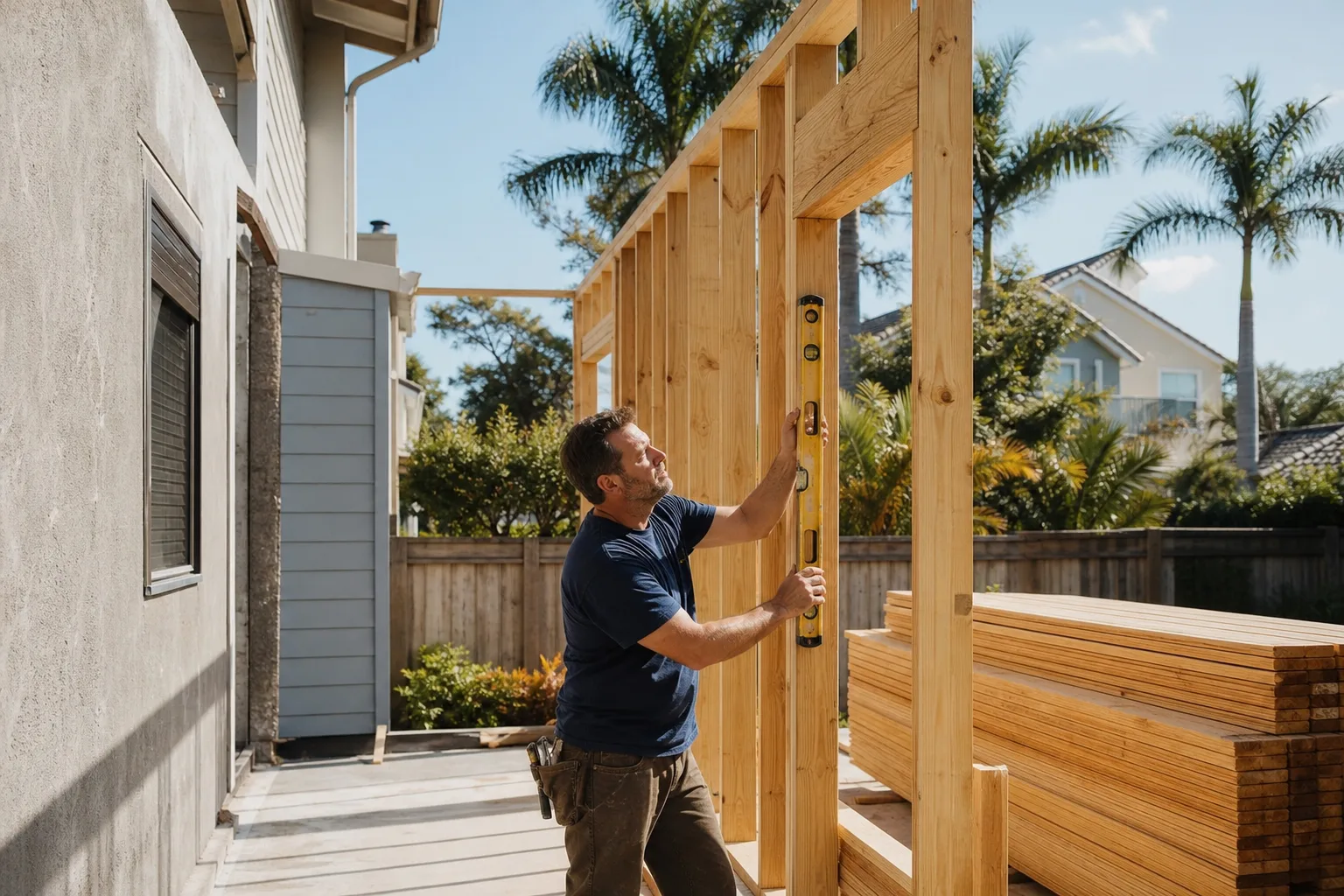
Financing diverges sharply – know which door you’re walking through
This is the second thing most homeowners don’t learn until late. An ADU can be financed through CalHFA’s ADU Grant Program, which has offered up to $40,000 toward pre-development costs as of 2024, or through an ADU-specific construction loan built around the future rental income. A straight addition usually needs a home equity line or a cash-out refinance, because there’s no income stream to underwrite.
We name those options during the feasibility conversation, not after the contract is signed. If the numbers don’t work on one path, you should hear it before you’ve spent a dollar on drawings.
| What you’re comparing | Home Addition | Detached ADU |
|---|---|---|
| Typical Santa Ana cost | $45,000-$130,000 | $90,000-$220,000 |
| Garage conversion option | Not applicable | $30,000-$80,000 |
| Separate address | No | Yes |
| Separate utility meter | No | Yes, for units over 500 sq ft under Santa Ana rules |
| Rental income potential | None (legally) | $1,400-$1,800/month |
| Shares HVAC and electrical panel | Yes | No |
| Counts toward lot coverage | Yes | Yes (conversions preserve the existing footprint) |
| Typical financing | HELOC or cash-out refi | CalHFA ADU Grant or ADU construction loan |
Common Santa Ana scenarios – and what we usually recommend
The multigenerational household near Lacy. Grandma needs her own kitchen and her own front door, and the family wants privacy without a second mortgage’s worth of distance. That’s an ADU. A rear garage conversion keeps the cost in the $30,000-$80,000 range and gives her a separate address.
The growing family in a bungalow with no rear access. No alley, tight lot, coverage already near the ceiling. An addition is the honest answer here. You get the primary suite or the family room, and you accept that it stays part of the household.
The income-property owner on a narrow 1940s lot. Detached rear garage, existing utility stubs, alley access. Convert the garage. The numbers pencil out faster than any new construction on that parcel.
The homeowner with an unpermitted rear room. Before anything gets priced, we reconcile what’s there. Sometimes the “addition” already exists and just needs legalizing, which changes the entire comparison.
One local condition that shapes exterior work on all of these: Santa Ana runs semi-arid and near-coastal, with hot, dry Santa Ana wind episodes each fall. That heat cycling cracks stucco and stresses older wood-frame homes, and on the city’s eastern foothill edges, wildfire-defense requirements – ember-resistant venting and defensible space – affect how any new exterior gets detailed. We spec Therma-Tru doors and Mr-Glass windows on these builds because both hold up to that cycle without constant maintenance.
What our written comparison document contains
Every Rowan project starts with a flat written price and a written scope before anyone picks up a tool. Under Clause 1 of the Haven Standard, that’s not a process step you can opt out of. The comparison document for a home addition versus an ADU includes:
- Itemized cost by trade – framing, electrical, plumbing, HVAC, finishes, exterior
- Permit fees as a named line, not folded into overhead
- The lot-coverage calculation for your specific parcel
- A written scope and a written warranty for each path
- Financing options matched to each path, including CalHFA where it applies
No work proceeds on a change until the change order is signed. That discipline is why our projects finish within a few percent of the agreed number. If you have a competitor’s estimate in hand, we’ll review it line by line at no charge – the free second opinion is a standing offer.
Crews are background-checked and uniformed, a live person answers calls 24/7, and every visit includes a documented photo record as a standard deliverable. The 365-Day Done Right Promise backs it: if it isn’t done right, we make it right.
FAQs
A home addition is cheaper per square foot – $45,000-$130,000 versus $90,000-$220,000 for a detached ADU. But an ADU can generate $1,400-$1,800 a month in rent and carries its own address and meter, so the payback math often favors it over a ten-year horizon. A rear garage conversion at $30,000-$80,000 is the leanest ADU path on lots with an existing detached garage. Call (833) 853-5955 and we’ll run both numbers for your parcel in one written document.
No. A home addition is square footage attached to your primary dwelling – it shares the address, the HVAC and the electrical panel, and it cannot legally be rented as a separate unit. Only an ADU carries the separate-dwelling designation that makes rental legal. This is the single most expensive misunderstanding we correct in Santa Ana, and it’s why we price both paths side by side before anyone commits.
Yes. A detached ADU counts toward the R1 lot coverage ceiling, which runs up to roughly 50% depending on the lot and any overlays. That’s exactly why garage conversions matter here – they preserve the existing footprint instead of consuming new coverage. An addition counts too, but without the separate-dwelling benefit. Call (833) 853-5955 for a free assessment of your lot’s actual coverage headroom.
Yes. We’ll walk the lot, check the parcel’s coverage, look at the rear garage and the alley access, and tell you plainly which path fits – including when the answer is “neither, yet.” The assessment is no-pressure and the written comparison is free. Estimates are free, and a live person answers the phone around the clock.
Get the numbers before you pick a side
If you’d rather have it looked at, Rowan Construction Group Santa Ana offers a no-pressure assessment in Santa Ana – call (833) 853-5955. We’ll bring the lot coverage, the financing options and an itemized flat price for both paths. Then you choose with the numbers in front of you.
For the broader picture of what we build across the city, start at our home page.
Written by the team at Rowan Construction Group Santa Ana, serving Santa Ana, CA.