Free written scope consultation - allowances, timeline, and change-order rules on paper before a single trade is scheduled
Styles & brands we work with
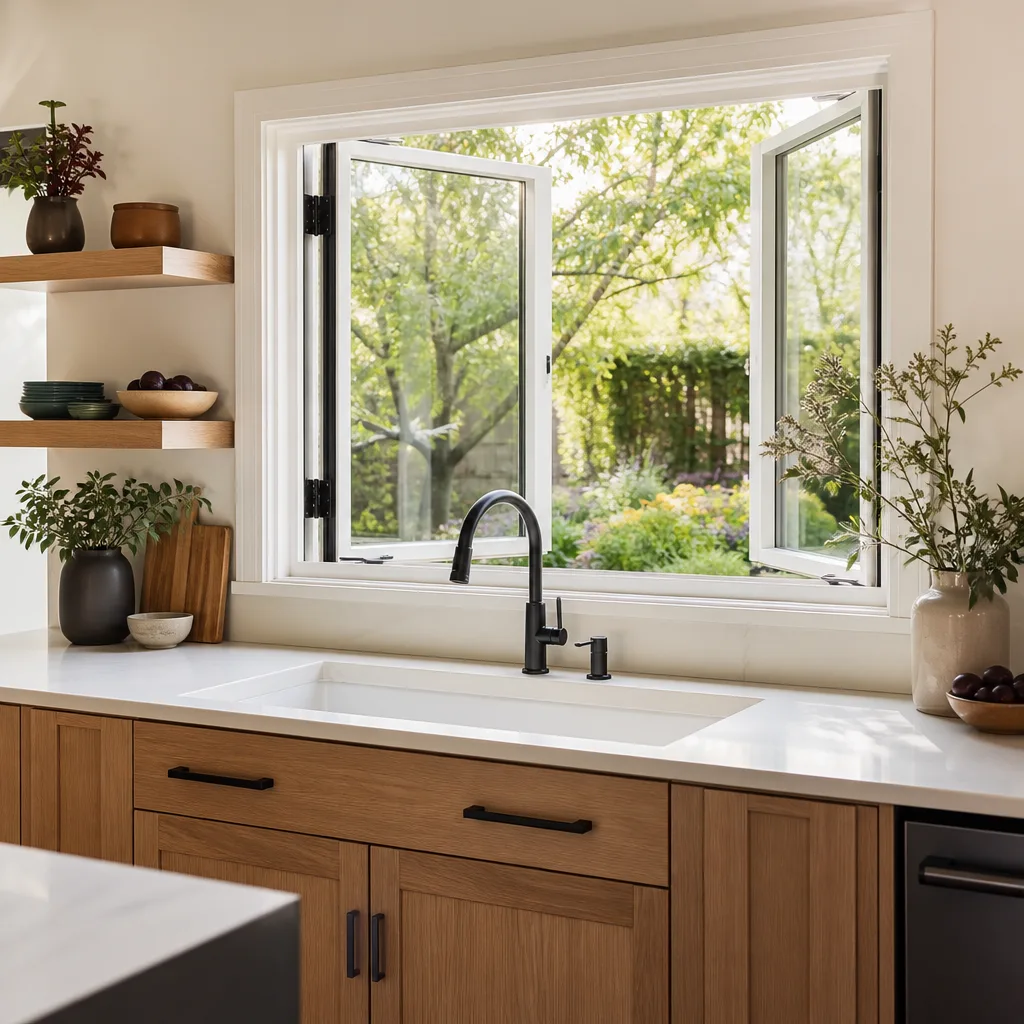
- Kitchen remodeling
- Bathroom remodeling
- Home additions & ADU
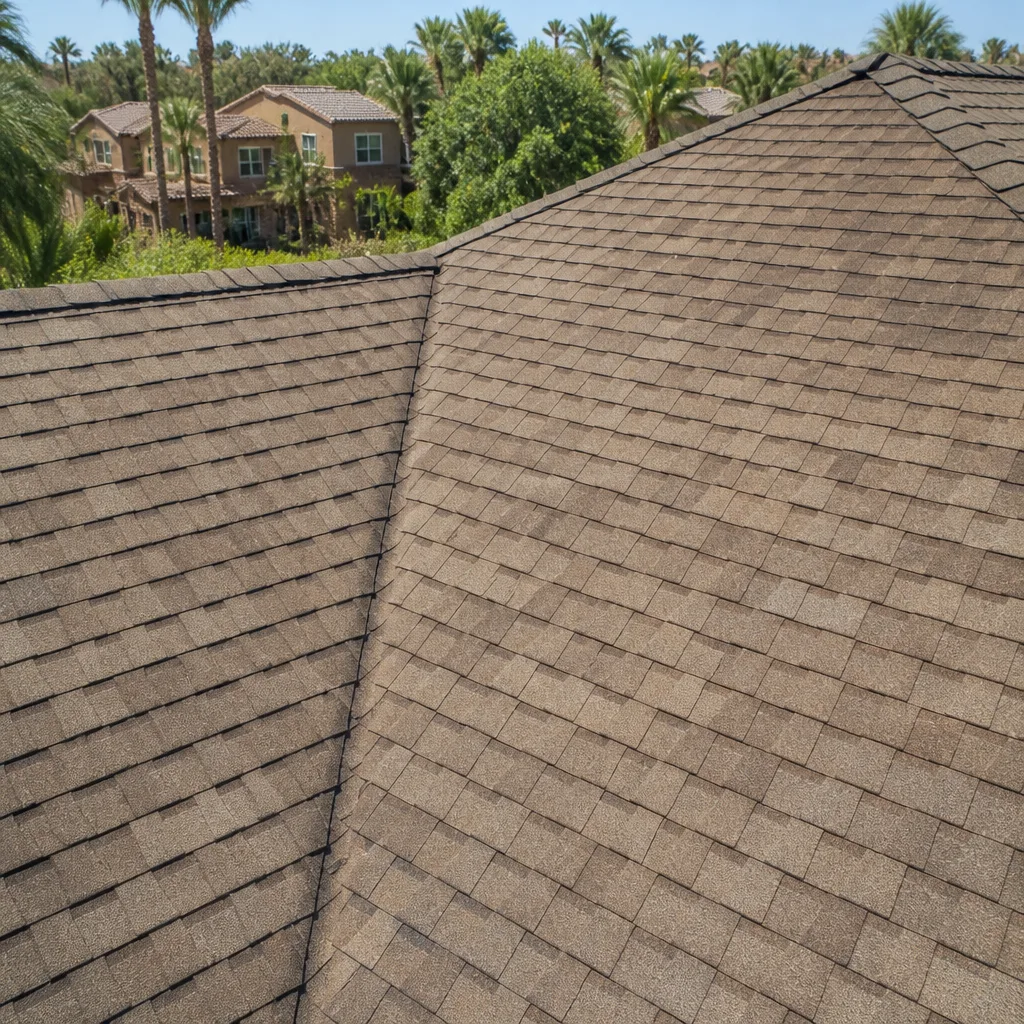
- Roofing
- Windows & doors
- Driveway & pavers
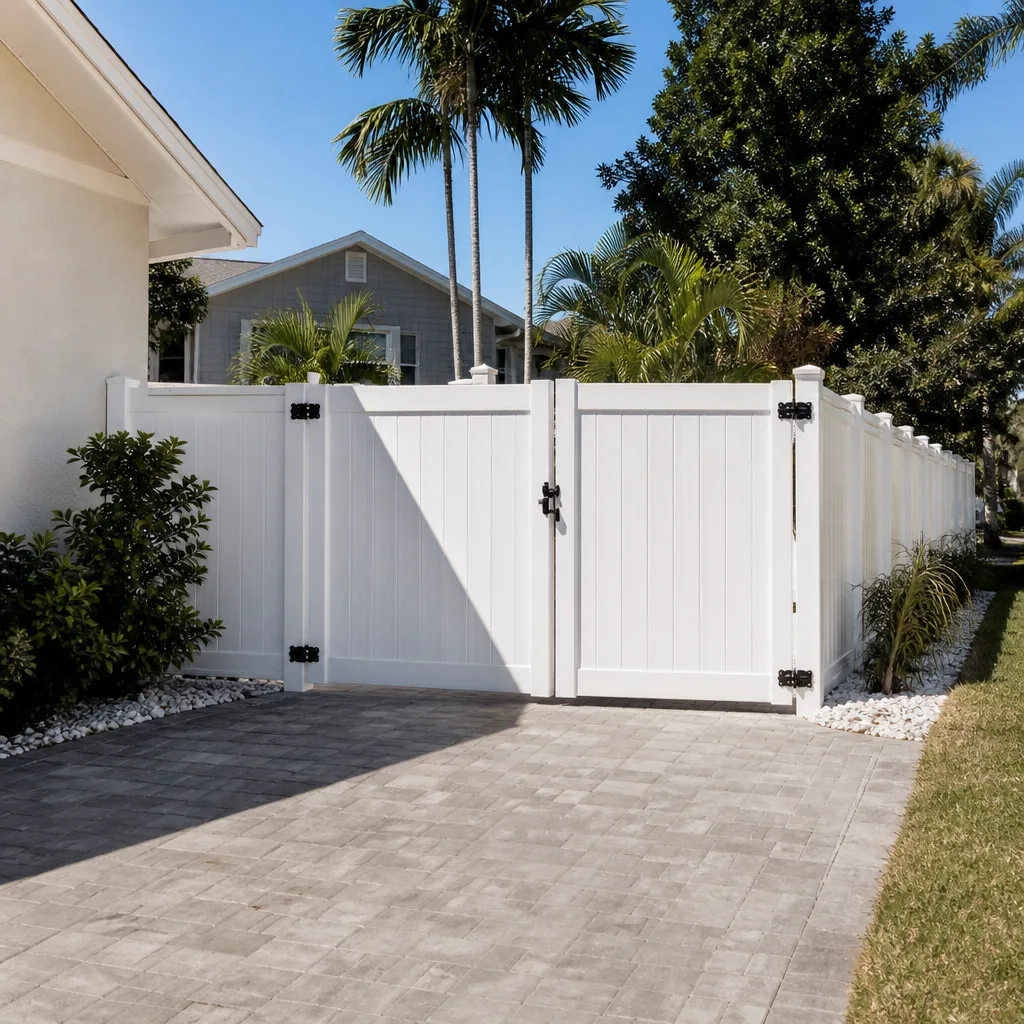
- Fence
See the difference
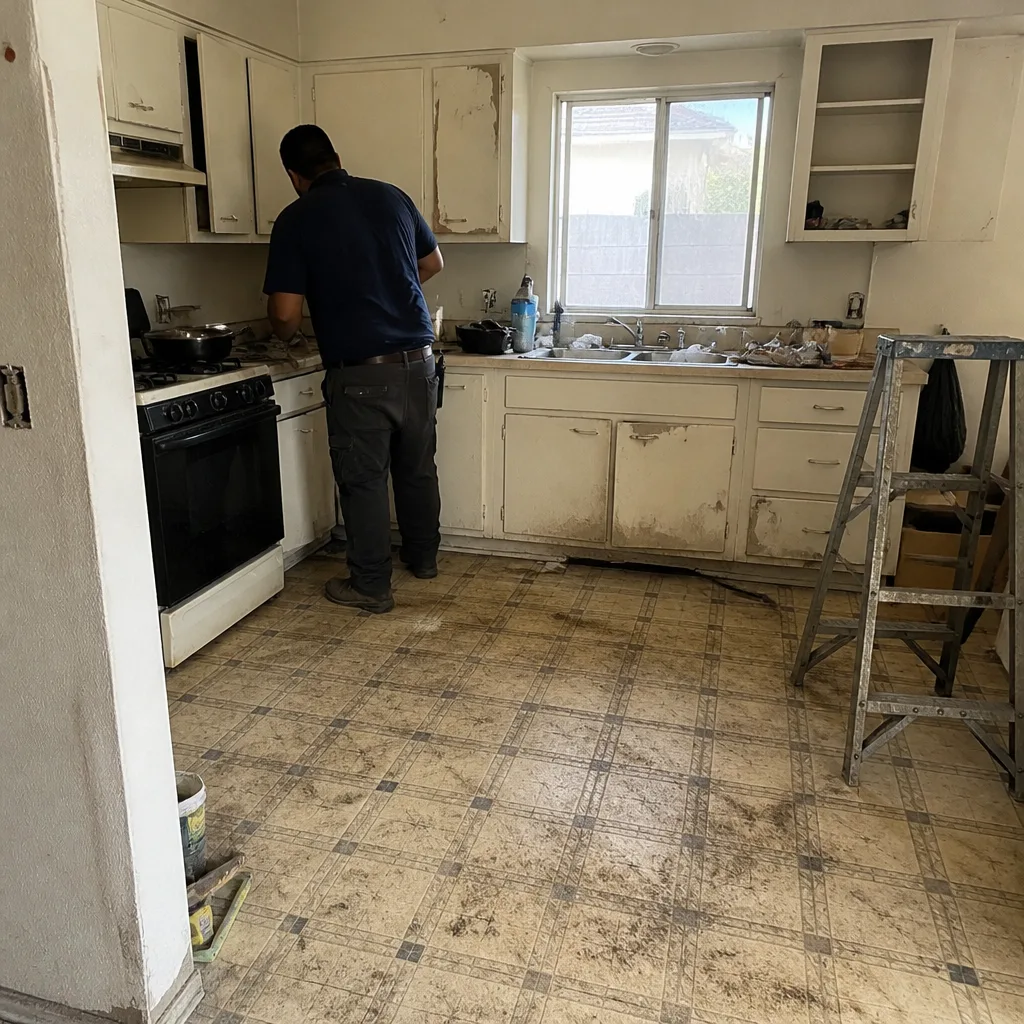 Before
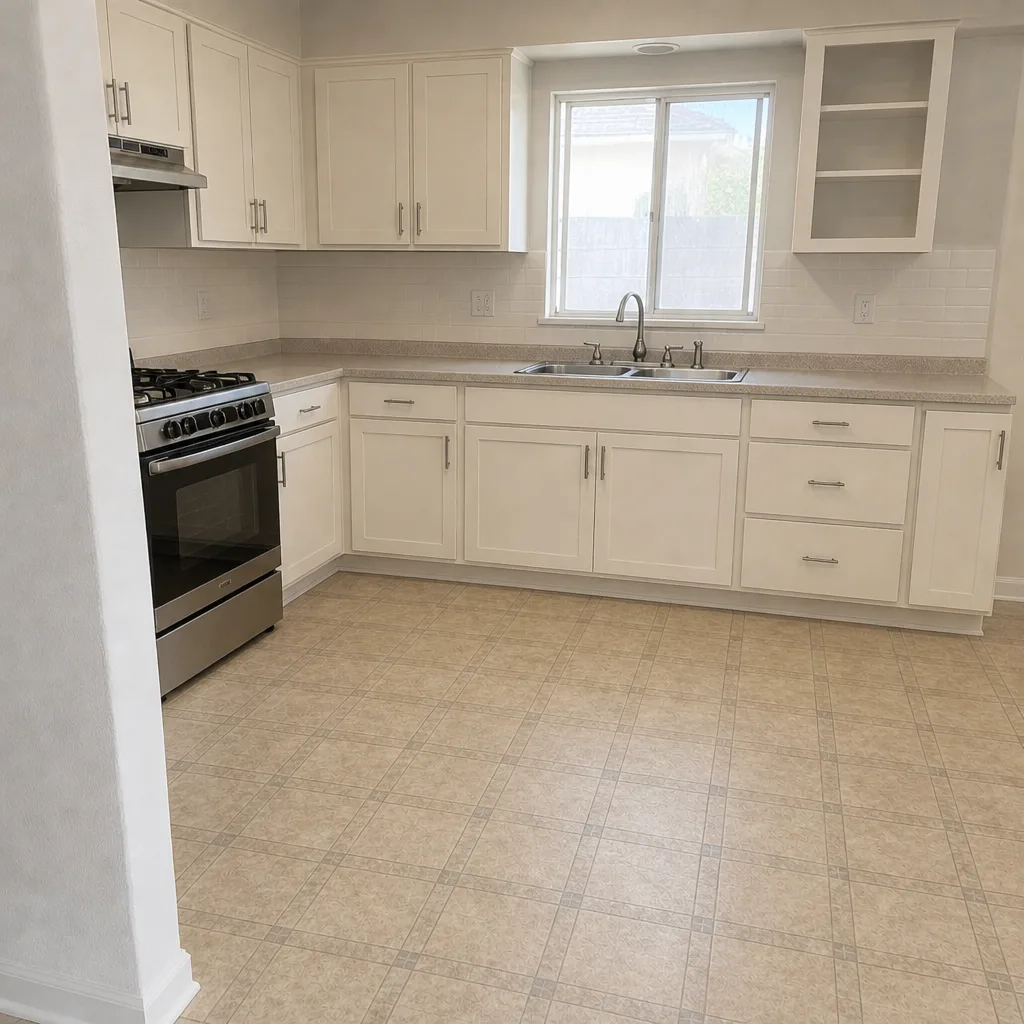 After
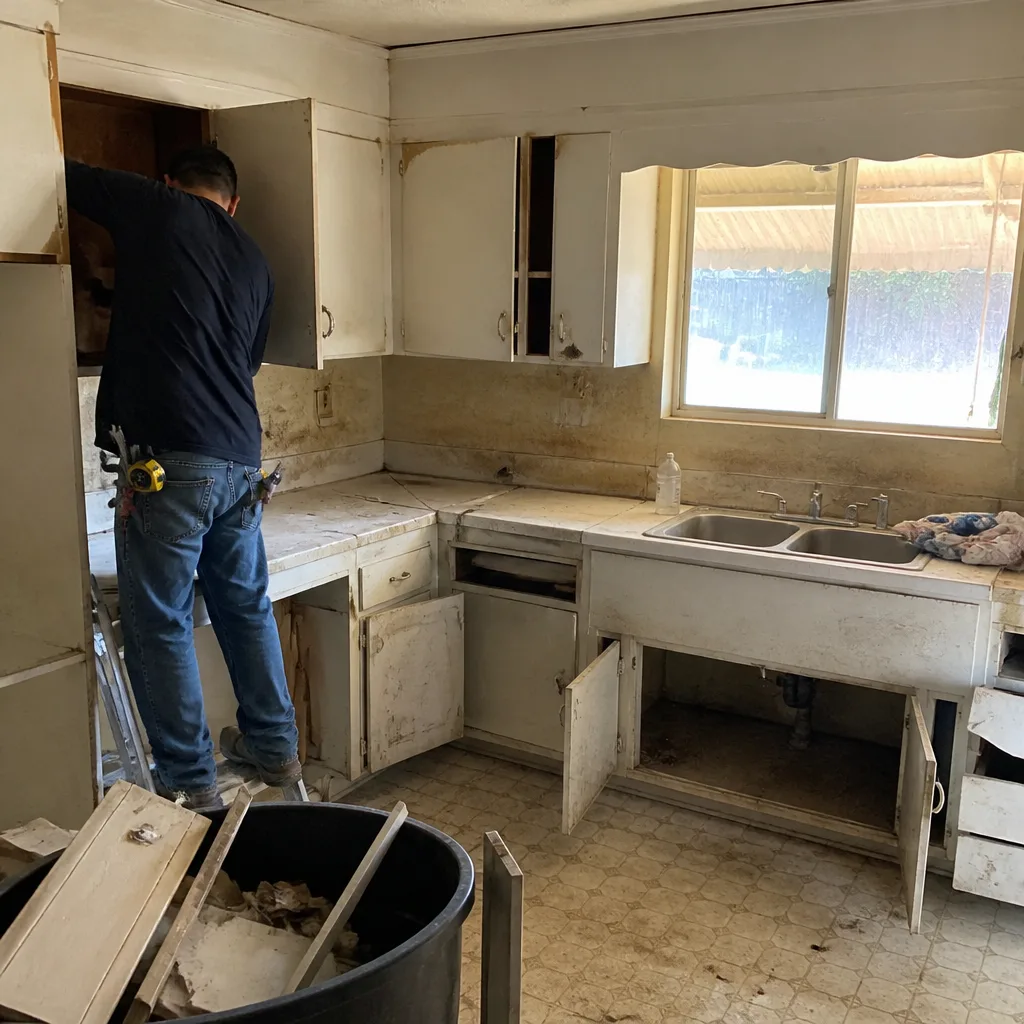 Before
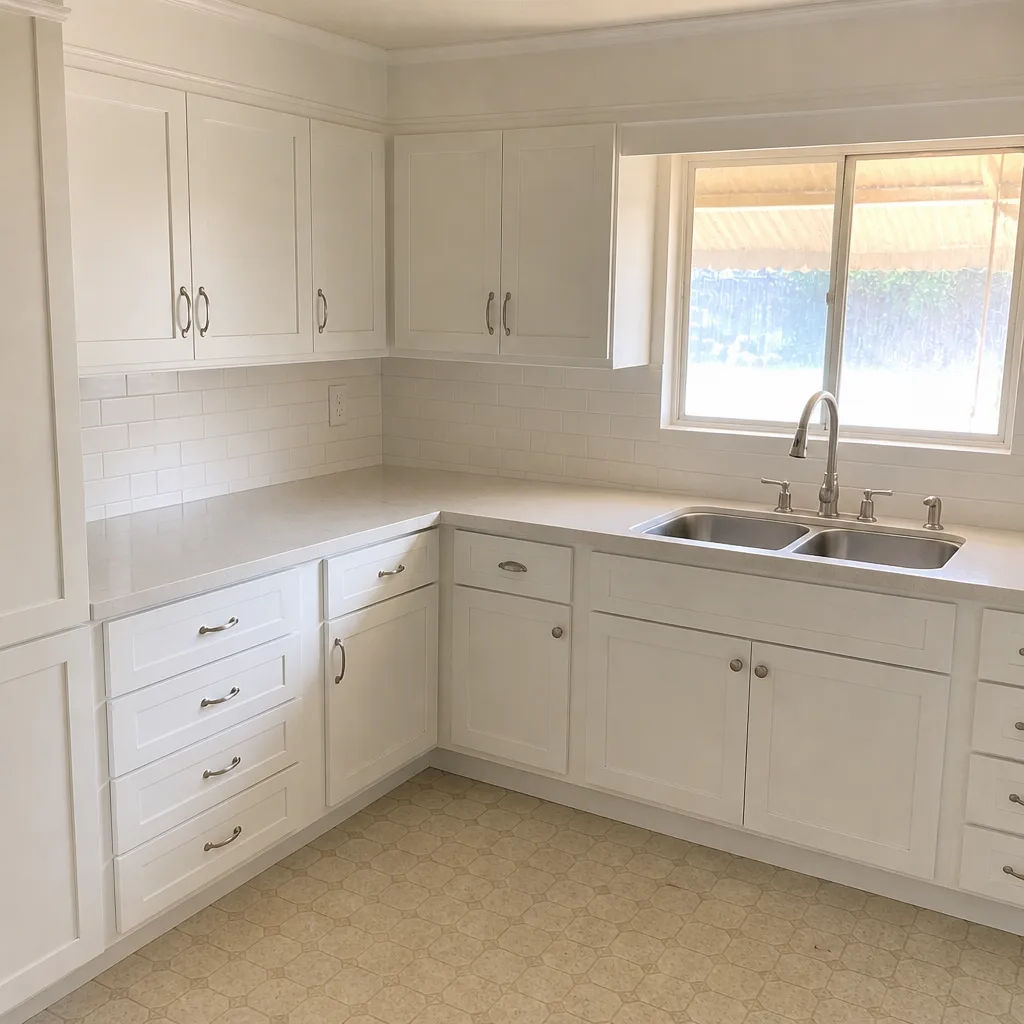 After
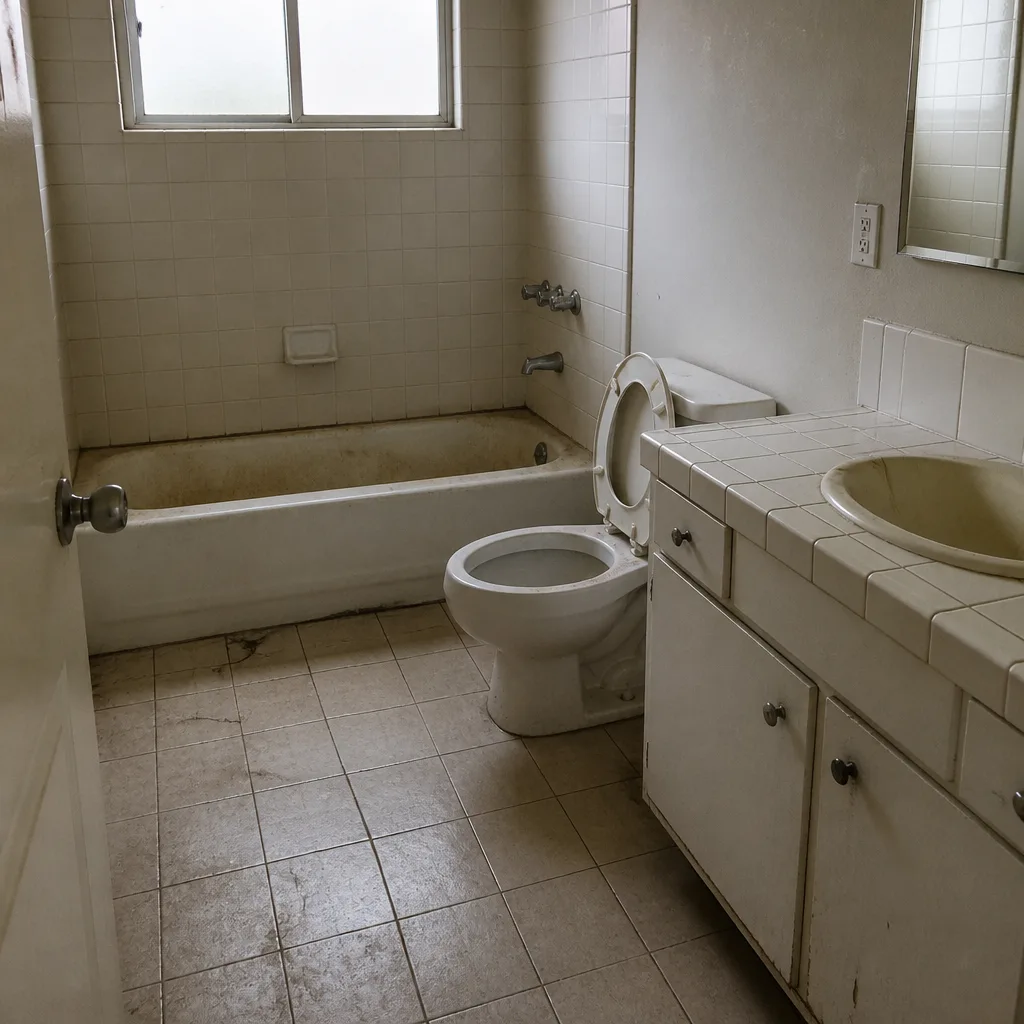 Before
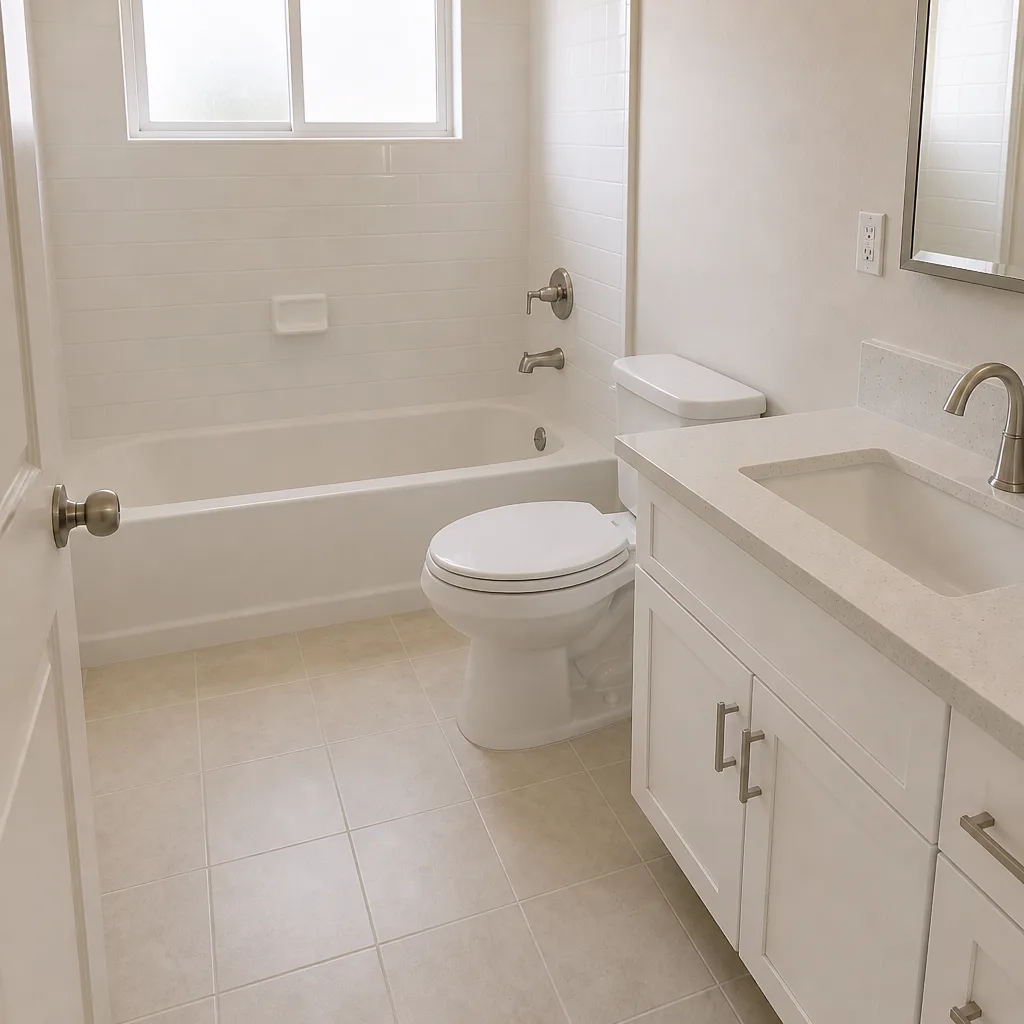 After
ADU Rules and Requirements in Santa Ana, CA: The Alley-Access Step Most Guides Miss
Santa Ana ADU rules require that your lot meet California’s state baseline under AB 2221 and SB 897 plus the city’s own layered standards, and the single most common reason a rear-garage conversion stalls is that the alley serving the lot hasn’t been confirmed as legal vehicular access. Before Santa Ana will approve a rear-garage ADU on a downtown or Lacy-area parcel, the city checks whether that alley meets its access standards - and roughly one in four alley-lot applications stops at the counter until the owner resolves a recorded access easement or a lot-line question. Full permitted ADU construction in Santa Ana typically runs $90,000-$220,000; a garage conversion sits lower, at $30,000-$80,000. Call (833) 853-5955 and we’ll tell you what your lot needs before you file.
Santa Ana is an older, largely renter-occupied single-family city, and the demand here is real: multigenerational households and income-property owners squeezing an extra permitted unit onto narrow lots. That pressure runs headlong into 1910s-1950s Craftsman bungalows with detached rear garages - prime ADU candidates, but often built before anyone was tracking what was legal.
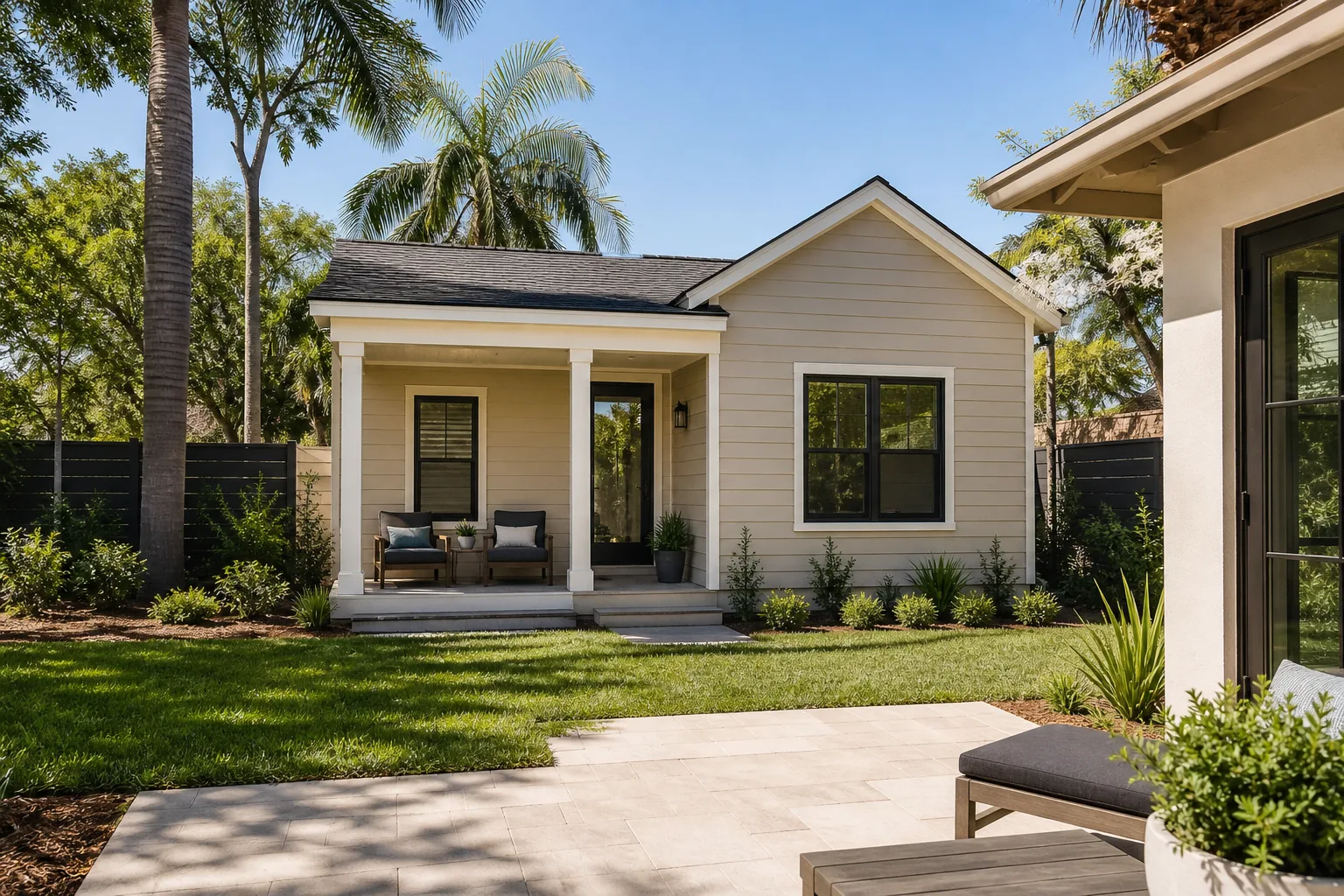
What actually governs an ADU in Santa Ana?
State law sets the floor. AB 2221 and SB 897 loosened setback, height, and owner-occupancy rules and forced cities to approve certain ADUs by right. Santa Ana then added its own standards on top, and those local layers are where applications live or die.
- Detached ADU setbacks: 4 ft minimum from rear and side property lines. Simple to state, easy to misjudge on a lot that already has an unpermitted past addition eating into the yard.
- Alley-facing units: an additional requirement that the alley right-of-way width meet city access standards. This is the wrinkle most statewide summaries never mention, and it’s the one that stops conversions on downtown and Lacy blocks.
- Junior ADUs (JADUs): carved from existing living space inside the primary structure, they follow a separate pathway - and they require owner-occupancy in either the JADU or the primary unit, plus a deed restriction recorded with Orange County. Plenty of informational pages skip the deed-restriction step entirely.
- Electrical service: older homes with knob-and-tube-era wiring or sub-100-amp panels will be required to upgrade service as a condition of approval, because the new unit needs its own sub-panel.
Our technicians have up to 19 years of experience reading exactly these conditions, and the first job on an alley lot is figuring out which existing walls and utilities were built legally in the first place. That’s before a single plan gets drawn, and it’s the work that keeps an application from being killed at intake.
What to budget for, line by line
An ADU number is never one number. Here’s the split we put in writing before permit submission, because these are the items that surprise owners who only budgeted for the building:
| Item | Typical range (Santa Ana) |
|---|---|
| Full ADU construction (permitted) | $90,000-$220,000 |
| Garage conversion to ADU | $30,000-$80,000 |
| Electrical service upgrade / new sub-panel | Priced as its own line item |
| Separate water meter + trenching (units over 500 sq ft) | $4,000-$9,000, depending on lot depth |
| Broader home addition, for scale comparison | $45,000-$130,000 |
That utility connection is the wildcard. Santa Ana Water requires a separate meter for ADUs over 500 sq ft, and the connection fee plus trenching to the alley or street can climb to $9,000 on a deep lot. We name that number in the quote rather than letting it surface mid-build. For the full picture of how an addition is scoped and priced, see our Home Additions & ADU overview.
On the exterior, the local conditions matter too. Santa Ana’s hot, dry fall wind episodes and mild near-coastal winters mean stucco cracking from heat cycling and occasional dry rot from trapped moisture are common on these older shells. James Hardie siding and fiber-cement trim hold up better under that cycling than the original wood many of these bungalows were built with, and on the eastern foothill edges, ember-resistant venting and defensible-space detailing belong in the scope, not bolted on later.
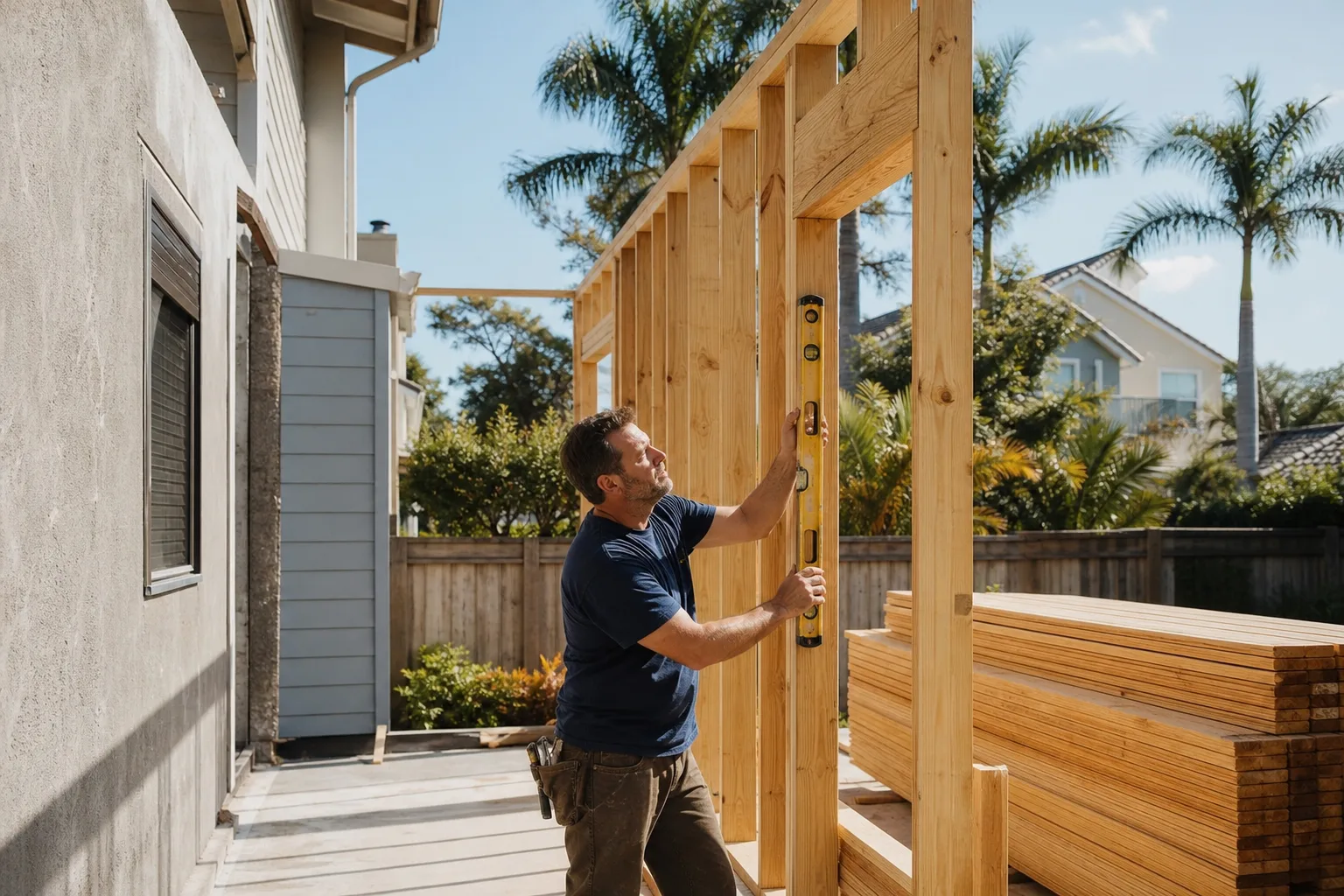
How the permit process actually moves - and where it stalls
The order of operations is the difference between a 6-month build and a year of resubmittals. Here’s how we run it, and what to watch:
- Confirm access first. Before anything, we verify the alley constitutes legal vehicular access under Santa Ana Municipal Code. If it doesn’t, the fix is often a recorded easement or a lot-line correction - a legal step, not a construction one.
- Reconcile the existing structure. Unpermitted past additions on these old lots have to be reconciled before new work is approved. We document what was found, with a photo record on every visit, so the city sees condition, not opinion.
- Price the electrical and utility line items up front. A written price with a written scope before permit submission - so the upgrade is a known line, not a change order.
- Submit, build, inspect. No work proceeds on any change until the change order is signed. That’s the discipline that keeps projects within a few percent of the agreed cost.
Under the 365-Day Done Right Promise, if any element fails inspection during the warranty period, we correct it at no additional cost - documented, not a verbal assurance. And if you’re holding a competitor’s written estimate, our Home Additions & ADU in Santa Ana team will review it line by line at no charge before you commit.
Should you convert the garage or build detached?
Garage conversion is usually the faster, cheaper path - $30,000-$80,000 versus $90,000-$220,000 for a full detached ADU - but only when the existing structure is sound and the alley access is legally clean. A detached unit buys more square footage and clearer separation, at the cost of new foundation, new roof (GAF or Owens Corning systems are our standard), and full utility runs. The honest answer depends on the lot, the wiring, and what’s already recorded. That’s the conversation worth having before you spend on plans.
FAQs
A permitted ADU in Santa Ana runs $90,000-$220,000, with garage conversions at $30,000-$80,000, and the separate water meter plus trenching adding $4,000-$9,000 on units over 500 sq ft. Call (833) 853-5955 for an exact written quote - estimates are free.
Yes - a JADU requires owner-occupancy in either the JADU or the primary unit, and a deed restriction recorded with Orange County. That’s the step most guides leave out, and it’s a legal filing you can’t skip. We walk through the recording with you.
Yes, and it happens - the city verifies the alley meets its access standards before accepting the application, and roughly one in four alley-lot applications stops there. The fix is usually a recorded access easement or a lot-line correction, resolved before filing.
For an ADU, there’s no repair path around it - the new unit must have its own sub-panel, so older knob-and-tube-era wiring and sub-100-amp service get upgraded as a condition of approval. We price it as a line in the written proposal so it’s never a surprise. Call (833) 853-5955 for a free second opinion on any estimate you’ve already got.
If you’d rather have your lot looked at than piece this together from a dozen pages, Rowan Construction Group Santa Ana offers a no-pressure assessment in Santa Ana - call (833) 853-5955 and we’ll tell you what the alley, the wiring, and the lot actually require. Back to home.
Written by the team at Rowan Construction Group Santa Ana, serving Santa Ana, CA.