Last updated November 18, 2026


Free written scope consultation - allowances, timeline, and change-order rules on paper before a single trade is scheduled
Fence Installation Troubleshooting: Common Problems and How to Fix Them
Almost no fence fails because of bad lumber. It fails because of three installation decisions made in the first afternoon: how deep the post went, how wide the concrete footing was poured, and whether the gate hardware matched the weight of the gate. Get those right and a cedar or vinyl fence runs fifteen years in Santa Ana sun. Get them wrong and you’ll watch a post drift out of plumb before the first rainy season. Here’s how we diagnose each failure, what a corrective fix actually looks like, and how to document the problem so an estimate reflects reality instead of a worst-case guess. Our technicians have up to 19 years of experience, and this is the pattern we see most.
Quick Answer
Most fence problems are fixable without replacing the whole run. A leaning post usually needs re-pouring at a wider footing diameter, a sagging gate is often just undersized hinges and a missing anti-sag cable, and wood rot should be probed before anyone quotes a full replacement. Diagnose the specific cause at grade level and the corrective fix is usually targeted, not total.
Styles & brands we work with
- Kitchen remodeling
- Bathroom remodeling
- Home additions & ADU
- Roofing
- Windows & doors
- Driveway & pavers
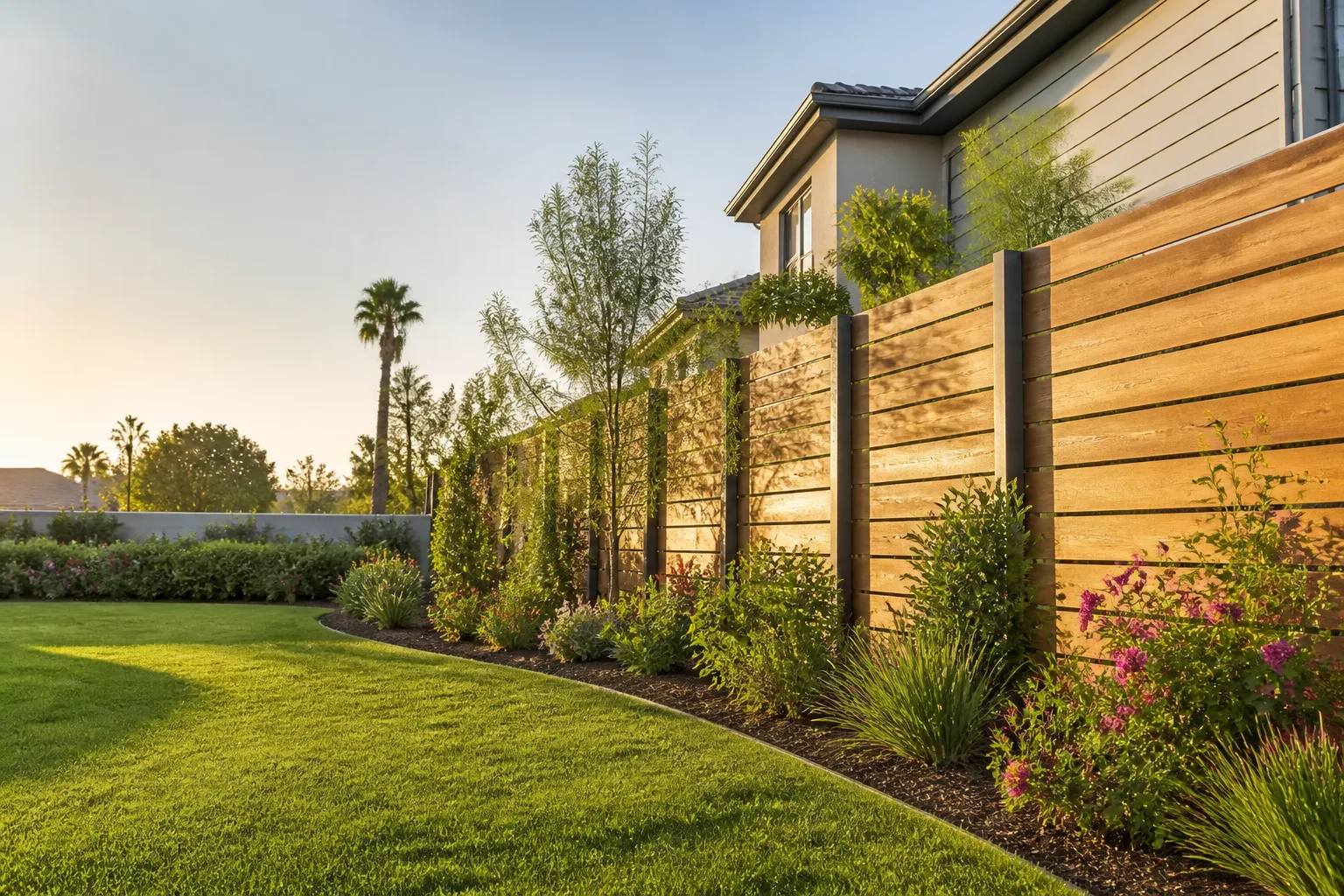
- Fence
Table of Contents
- Why a Post Leans and How to Tell If It Can Be Saved
- Footing Diameter: The Number Most Installs Get Wrong
- Gate Sag: Measuring Deflection Before You Replace Anything
- Wood Rot: Weathering Versus Structural Failure
- Vinyl Cracking in High-UV Conditions
- What to Photograph Before You Call Anyone
- Repair or Replace? A Decision Framework
Why a Post Leans and How to Tell If It Can Be Saved
A fence post leaning 2 inches off plumb after one season was almost certainly set in a hole too narrow to resist lateral soil pressure. A 4×4 post needs a footing about 10 inches in diameter to hold against the push of wind and soil. Many do-it-yourself installs use a 6- to 8-inch hole, which provides roughly half the lateral resistance. The post doesn’t fail from weight; it fails from side load the concrete can’t absorb.
Before you assume the post has to come out, run the wiggle test. Grip the post at grade level, not the top, and push it side to side. What you feel tells you which fix applies:
- Solid at grade, moving above: the footing is holding but the wood is splitting or the bracket is loose. Often a re-brace and new hardware solves it.
- Whole post rocks at grade, concrete moves with it: the footing itself has failed or was undersized. The post needs to be reset in a wider, deeper pour.
- Post sheared at the base, no movement in concrete: mechanical failure of the wood, not the footing. Replace the post.
In Santa Ana we pour footings deep enough to reach stable soil beneath the shallow clay that dries and contracts in summer. A post set in an 8-inch hole through that clay will loosen every dry season. If your fence borders a slope or a corner lot exposed to canyon wind, the footing needs to be wider still. Call Fence Installation in Santa Ana if a reset is beyond the diagnostic stage.
Footing Diameter: The Number Most Installs Get Wrong
Footing diameter is the single most common installation error we’re called out to correct. A post can be set deep and still fail if the concrete collar around it is narrow, because lateral resistance comes from the mass of the footing, not the length of the post. Re-pouring at the correct diameter fixes a leaning post permanently in most cases.
- Dig out the existing footing entirely; don’t pour new concrete around the old failed collar.
- Reach stable subsoil, typically below the active clay layer in Santa Ana’s inland areas.
- Set the hole to at least 10 inches in diameter for a 4×4 post, wider for 6×6.
- Plumb the post with temporary bracing and check with a level on two faces before pouring.
- Pour concrete, slope the top away from the post so water sheds rather than pools at the base.
- Leave bracing in place until the concrete cures fully before hanging panels or a gate.
That fifth step matters more in Southern California than most installers treat it. Rain that pools at a post base accelerates rot and loosens the soil around the footing. A crowned concrete cap is a small detail with a long payoff. Under our written-scope process, the footing diameter is specified in the quote so there’s no ambiguity about what gets poured.
Gate Sag: Measuring Deflection Before You Replace Anything
Gate sag is measurable, and the measurement tells you whether the fix is hardware or post movement. Close the gate and look at the gap where the latch edge meets the post. Measure the gap at the top and the bottom. The difference between those two numbers is your deflection.
- Under ½ inch of differential: hardware adjustment or a diagonal brace typically resolves it.
- ½ to 1 inch: an anti-sag cable kit or turnbuckle brace usually pulls the gate square again.
- Over 1 inch: the hinge post has usually moved. Check it with the wiggle test; if the post rocks, cables won’t fix a moving anchor.
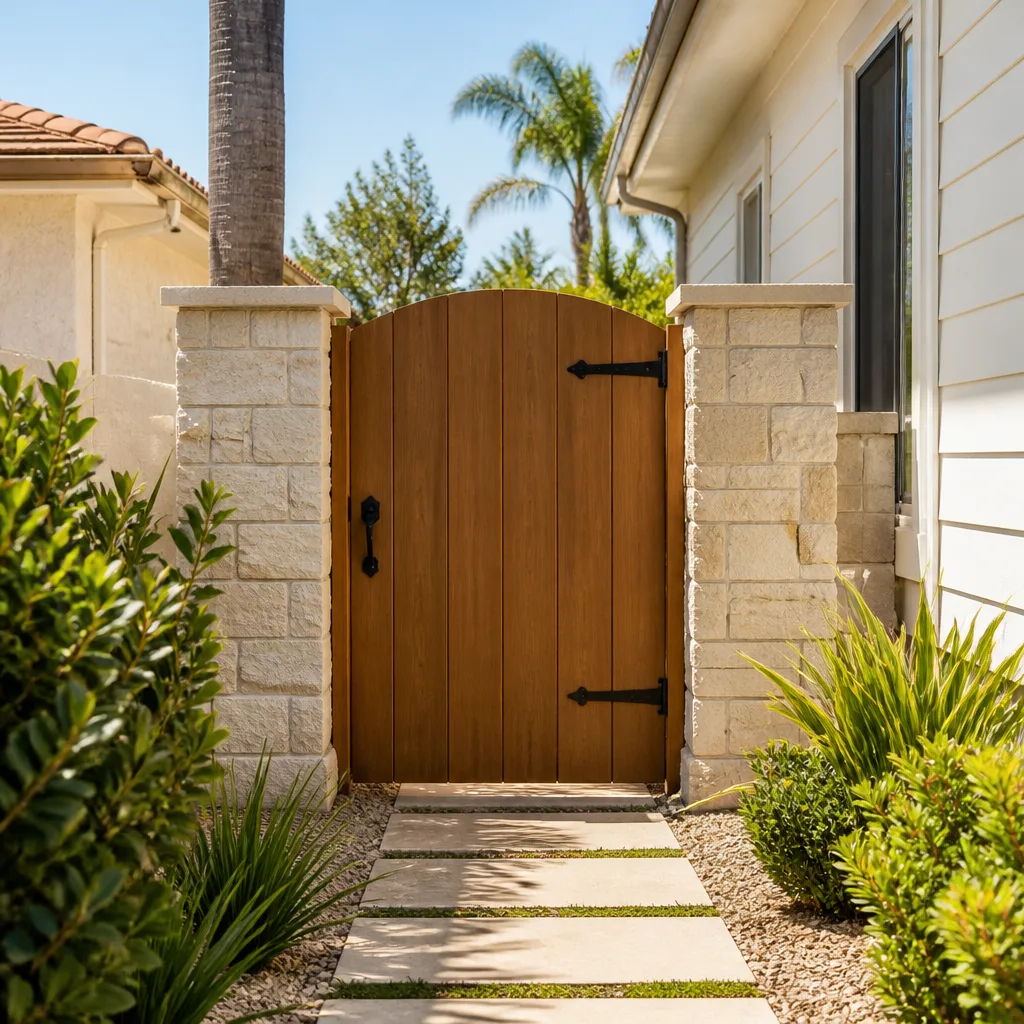
Gate hardware sizing is the other half of the equation. A gate wider than 4 feet on undersized hinges will sag no matter how many cables you add. The hinges and the latch must be rated for the gate’s weight and width, and a heavy wood gate on light-duty hardware is a losing setup from day one. Santa Ana’s dry, hot summers also cause wood gates to shrink and swell across the seasons, which can loosen hardware a fraction each cycle. An anti-sag cable kit is a legitimate corrective fix when the posts are solid. When the hinge post has moved, the post gets reset; the gate stays.
Wood Rot: Weathering Versus Structural Failure
Gray discoloration and surface checking are weathering, not rot. They’re cosmetic and don’t require board replacement. Structural rot is soft, dark, and fails the screwdriver probe. The distinction decides whether you replace a board or a whole panel, and it’s worth getting right before you accept a quote for a full run.
Here’s the probe test. Push a screwdriver into the wood at the base of each post, about 2 to 4 inches above grade where moisture concentrates. The resistance tells you the condition:
- Firm resistance, gray surface: weathering only. Sand and refinish, or leave it.
- Resistance with a soft outer layer: early surface rot. Spot-treat and monitor; boards can often stay.
- Screwdriver sinks in easily: structural rot. That post or board needs replacing.
Wood rot concentrates at grade, at the inside face in shade, and wherever irrigation hits the fence. In Santa Ana’s older neighborhoods near the downtown core, fences that back onto mature landscaping often show rot on the shaded side while the sun-facing side looks fine. Probe both faces, not just the one you see from the street. If the rot is isolated to one or two boards, a targeted replacement is honest work; a whole-run quote is not.
Vinyl Cracking in High-UV Conditions
Not every vinyl crack means the panel is failing. Some are cosmetic surface crazing from years of intense sun; others indicate a structural problem where an out-of-plumb post is transferring load into a panel it wasn’t built to carry. The location and pattern of the crack tell you which you’re dealing with.
- Hairline cracks near the top rail or in the sun-facing field: usually UV aging. Cosmetic unless the panel flexes.
- Cracks at the post-to-panel connection, radiating from fasteners: load transfer from a leaning or settling post. Structural.
- Long vertical cracks running the panel height: stress fracture. The post is almost always the cause.
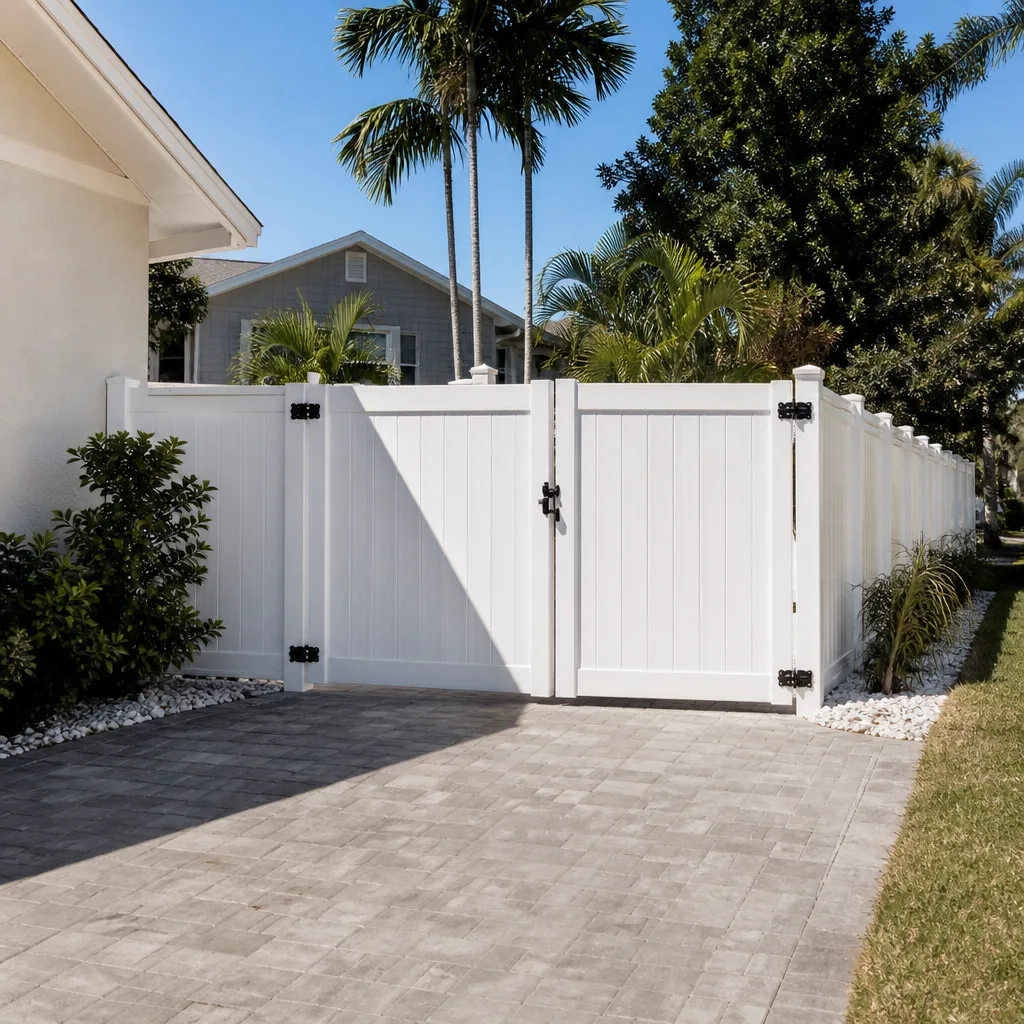
Vinyl expands and contracts more than wood, and in Santa Ana’s inland heat the material moves measurably across the year. Panels installed with no room for that movement crack at the fasteners. The fix isn’t a new panel; it’s resetting the post and reinstalling the panel with correct expansion gaps. We specify a quality vinyl or composite system by name in the quote so the material spec is on record. When the stress traces back to the footing, that same re-pour from the diagnostic section applies.
What to Photograph Before You Call Anyone
An accurate estimate starts with accurate information. A photo of a leaning fence from the sidewalk doesn’t tell a contractor whether the footing failed or the hardware loosened, and a vague description invites a worst-case quote. Document the actual condition before you call, and the estimate reflects the real problem.
- Photograph the post base with the soil line visible, from two angles, so footing movement shows.
- Photograph the gate gap at top and bottom with a tape measure in frame, so deflection is visible.
- Probe and photograph any rot with the screwdriver in the wood, so structural versus surface rot is clear.
- Photograph the inside face of the fence, not just the street side.
- Note the fence type, material, and approximate run length in feet.
- Note which posts move under the wiggle test and which don’t.
That documentation is the same discipline we bring to the job: a documented photo record of what was found and what was done, included as standard. Under Clause 1 of The Haven Standard, the price is written before anyone starts. The estimate follows the evidence, not a guess about how bad it might be. Call (833) 853-5955 and bring the photos.
Repair or Replace? A Decision Framework
Repair if the posts are sound and the problem is hardware, isolated rot, or a single failed footing. Replace if a majority of posts fail the wiggle test, or if structural rot runs across most of the run. A fence at fifteen years old with multiple failed footings is usually a replacement rather than a repair, and honesty about that saves money in the long run. A fence at three years with one lean is a targeted fix. For matching fence work to the rest of your exterior, our Driveway & Pavers in Santa Ana page shows how hardscape and fencing get planned together. And if your fence work sits alongside a larger exterior project, our Home Additions & ADU in Santa Ana page covers how we sequence work that shares a property line.
Common Mistakes to Avoid
- Pouring new concrete against an old footing. It doesn’t add lateral resistance and the post keeps moving. The old collar has to come out.
- Setting a post in an 8-inch hole to save concrete. A 4×4 needs roughly 10 inches in diameter to resist side load. A narrow footing is the number-one cause of lean we find.
- Replacing a gate instead of measuring the posts. A sagging gate often hangs on a sound gate but a moving hinge post. Reset the post and the gate is fine.
- Treating every gray board as rot. Surface weathering is cosmetic. Probing saves you from buying boards you don’t need.
- Ignoring water at the post base. A flat concrete cap lets Santa Ana rain pool and rot the post faster. Always crown the footing.
- Undersized gate hardware. Hinges and latches must be rated for the gate’s weight and width, or sag returns whatever you do.
- Quoting the whole run off one bad post. Isolate the failure, fix it, and the rest of the fence stands.
See the difference
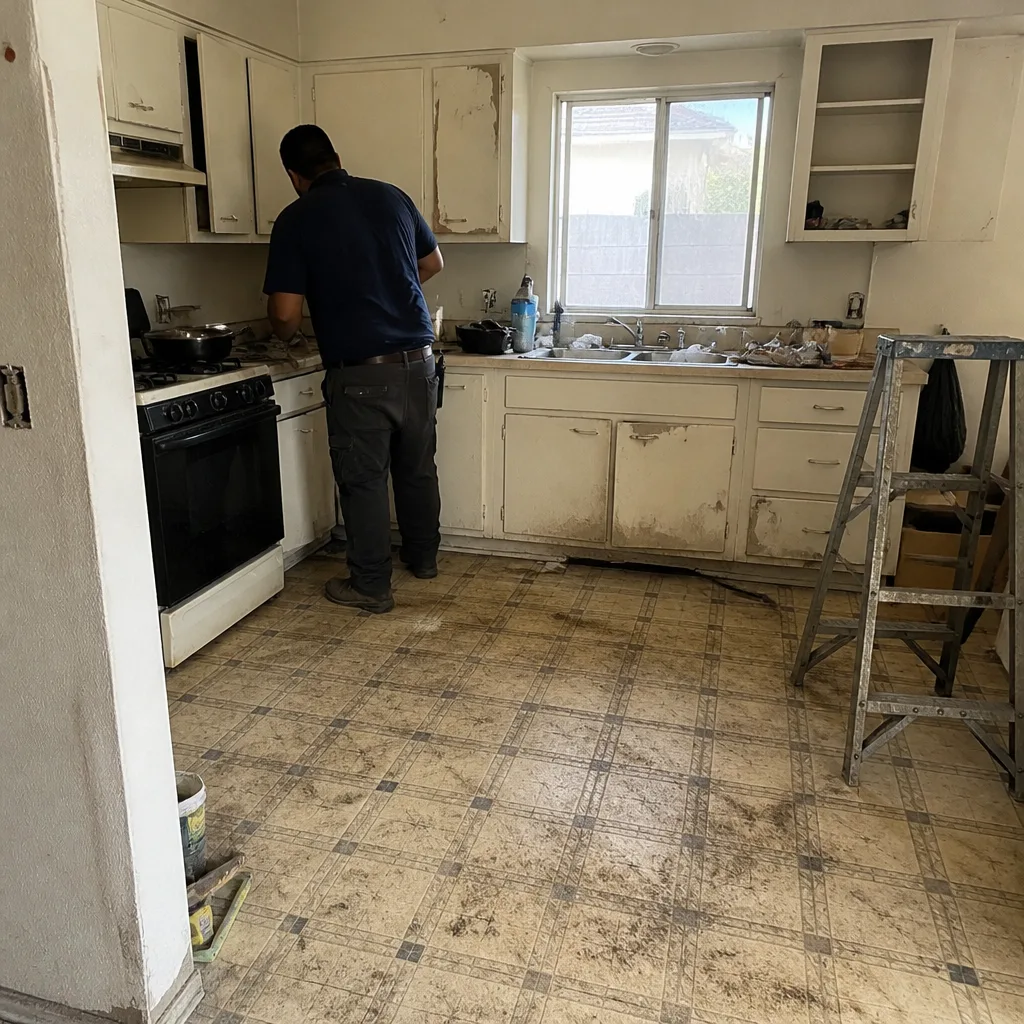 Before
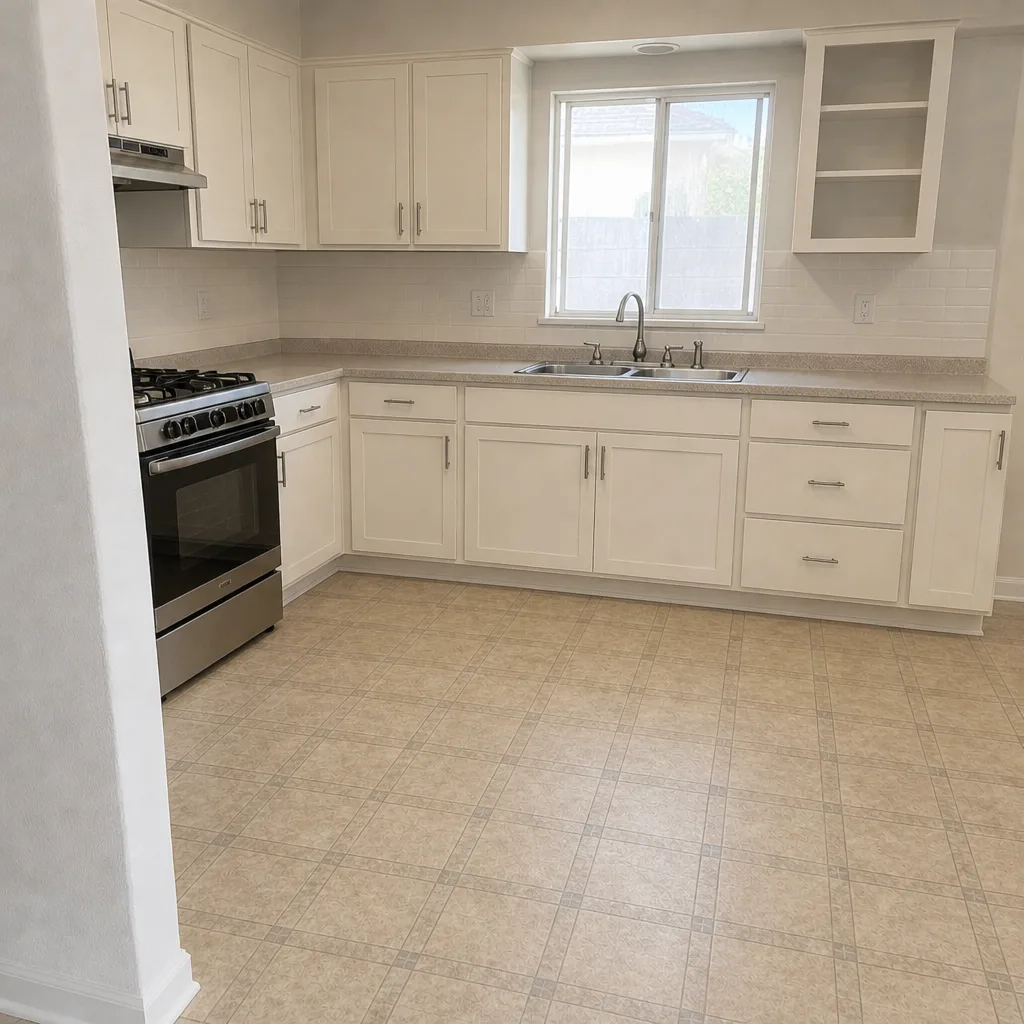 After
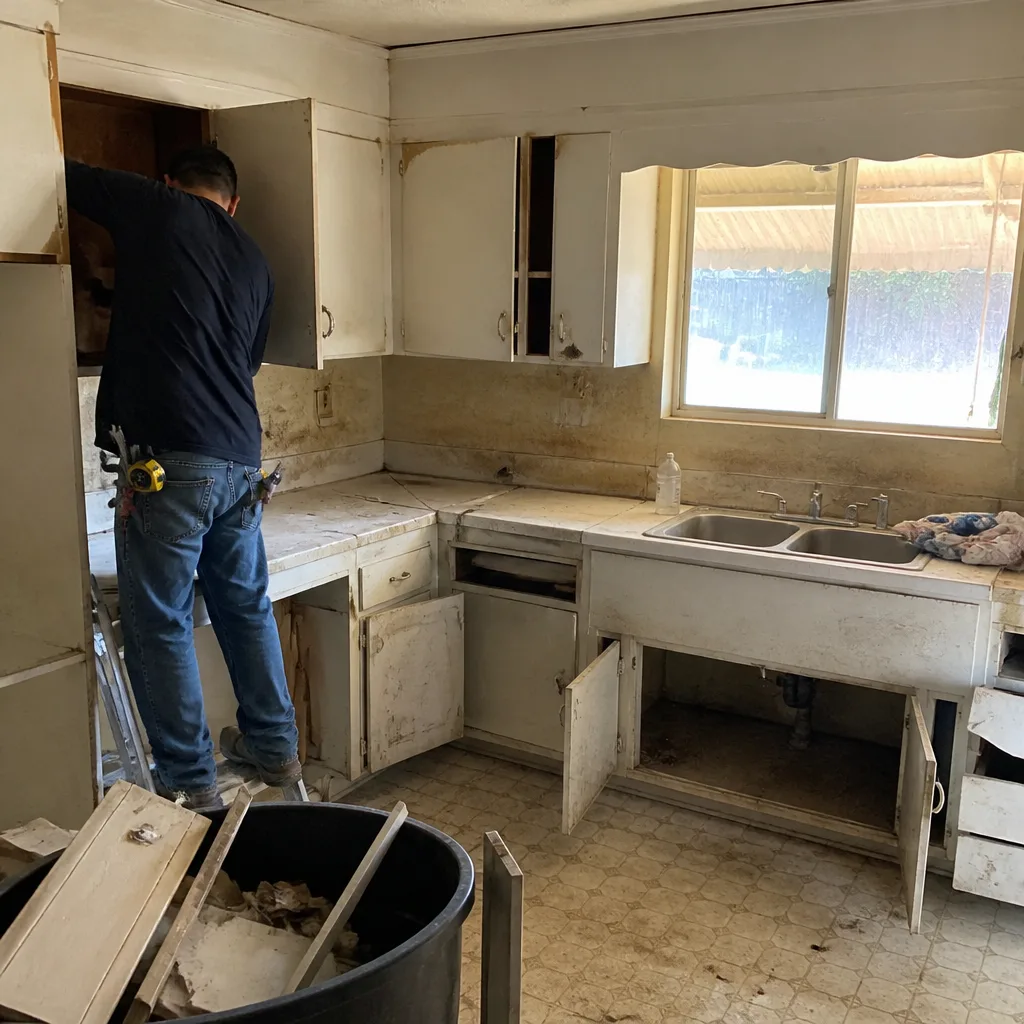 Before
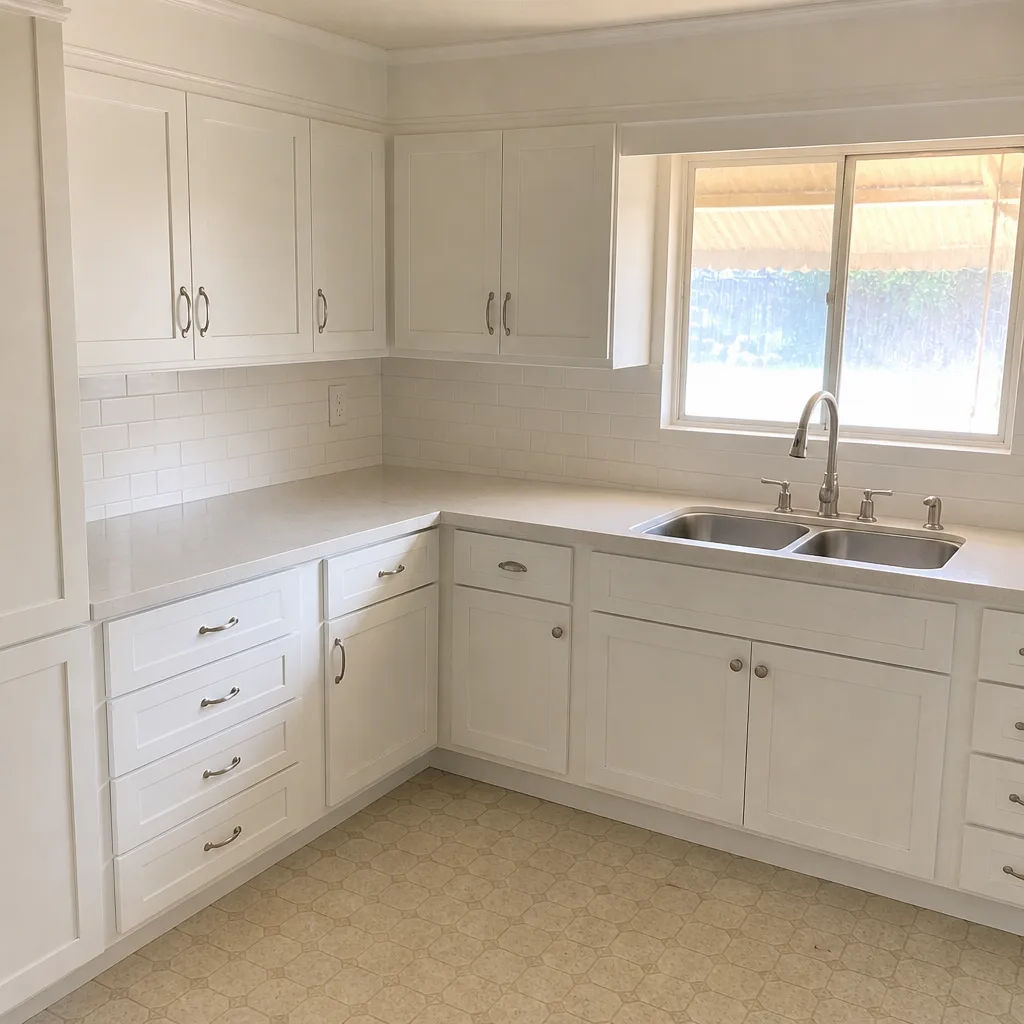 After
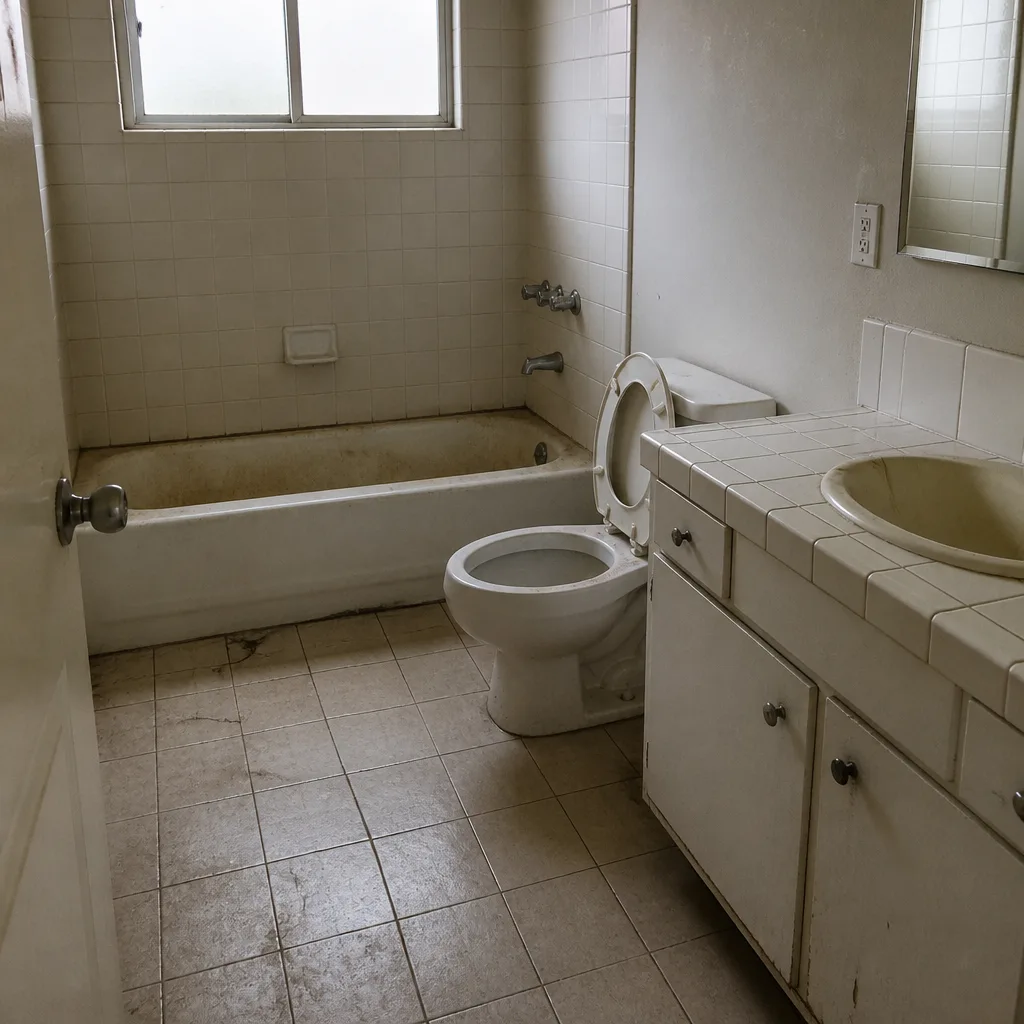 Before
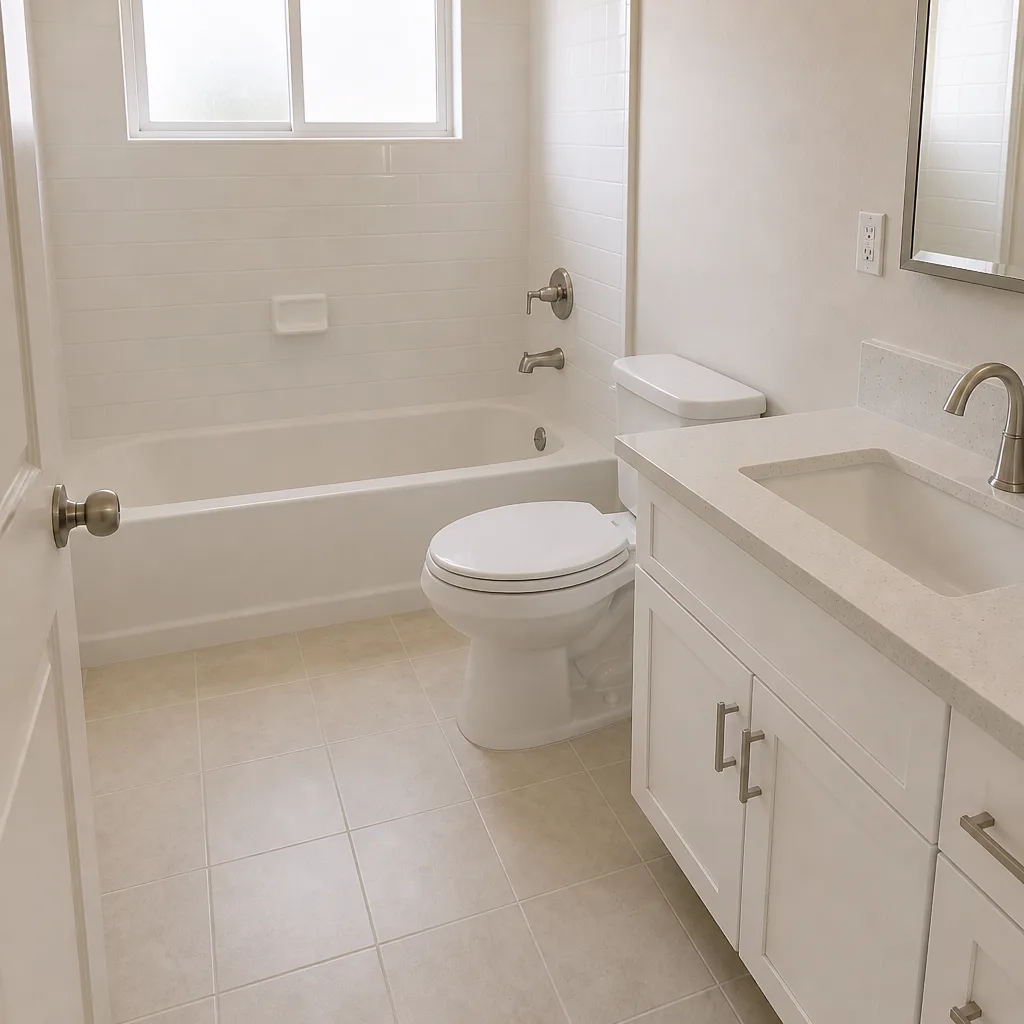 After
When to Call a Professional
Call a professional when a post fails the wiggle test at grade, when a gate sags more than an inch and the hinge post is moving, when structural rot crosses multiple posts, or when the fence borders a slope where a failed footing can’t simply be re-poured. Those cases involve resetting footings, leveling, and load transfer that a do-it-yourself repair usually makes worse. Rowan Construction Group Santa Ana offers free estimates in Santa Ana, with a written price before any work starts and a Free Second Opinion on any written estimate you’ve already been given. Call (833) 853-5955.
Frequently Asked Questions
A leaning post usually needs to be reset in a wider footing, not just straightened. First run the wiggle test at grade: if the concrete moves with the post, the footing failed and the post must be reset at 10 inches or more in diameter. If the post is solid at grade and only moves above, the fix is often re-bracing and new hardware. Call (833) 853-5955 for an exact quote; estimates are free.
Sometimes. If the wood is sound and the footing is still holding, you can brace and re-plumb the post. If the footing is moving, straightening won’t hold and the post needs a proper reset. The wiggle test at grade level tells you which situation you have.
A gate sags on solid posts when the hardware is undersized or the gate needs an anti-sag cable. Measure the gap difference between the top and bottom of the latch edge; under half an inch is usually a hardware adjustment, and half to one inch often calls for an anti-sag cable kit.
Gray discoloration and surface checking are usually weathering, not rot. Structural rot is soft and fails a screwdriver probe at the post base. Probe before you replace boards; surface weathering is cosmetic and structural rot is not.
Fence height and placement rules vary by property line and zoning, and repairs versus replacements are treated differently. Confirm the requirement with the city before work starts so a repair doesn’t trigger a compliance issue. A written scope that specifies the fence height and location keeps the work clear.
Targeted repairs cost far less than a full replacement when the failures are isolated to a footing, a gate, or a few boards. The written quote should break out what’s being fixed. Call (833) 853-5955 for an exact quote; estimates are free and come in writing before work starts.
The Bottom Line
A leaning post, a sagging gate, and a rattling panel all trace back to the same three decisions: post depth, footing diameter, and gate hardware sizing. Diagnose the specific cause at grade level, probe before you replace, and measure the gate before you swap it. Most fence failures are targeted fixes, not full replacements. Document the condition with photos, get a written price before work starts, and the estimate reflects the actual problem. That’s how a Santa Ana fence gets fixed once. Learn more from our Rowan Construction Group Santa Ana home page, or call (833) 853-5955 to schedule a free estimate. Every visit includes a documented photo record of what was found and what was done, and our work is backed by the 365-Day Done Right Promise.
Written by the team at Rowan Construction Group Santa Ana. Call (833) 853-5955 for a free estimate.