Last updated November 18, 2026
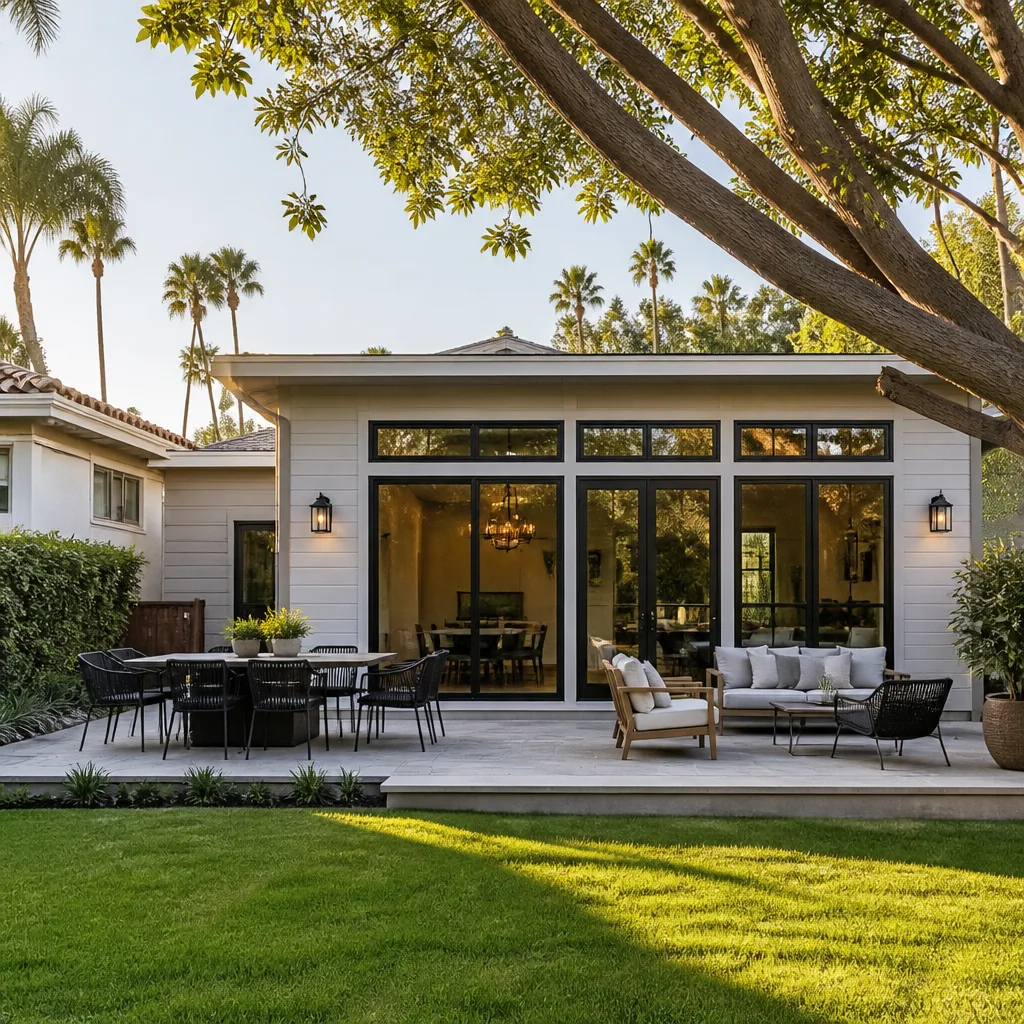
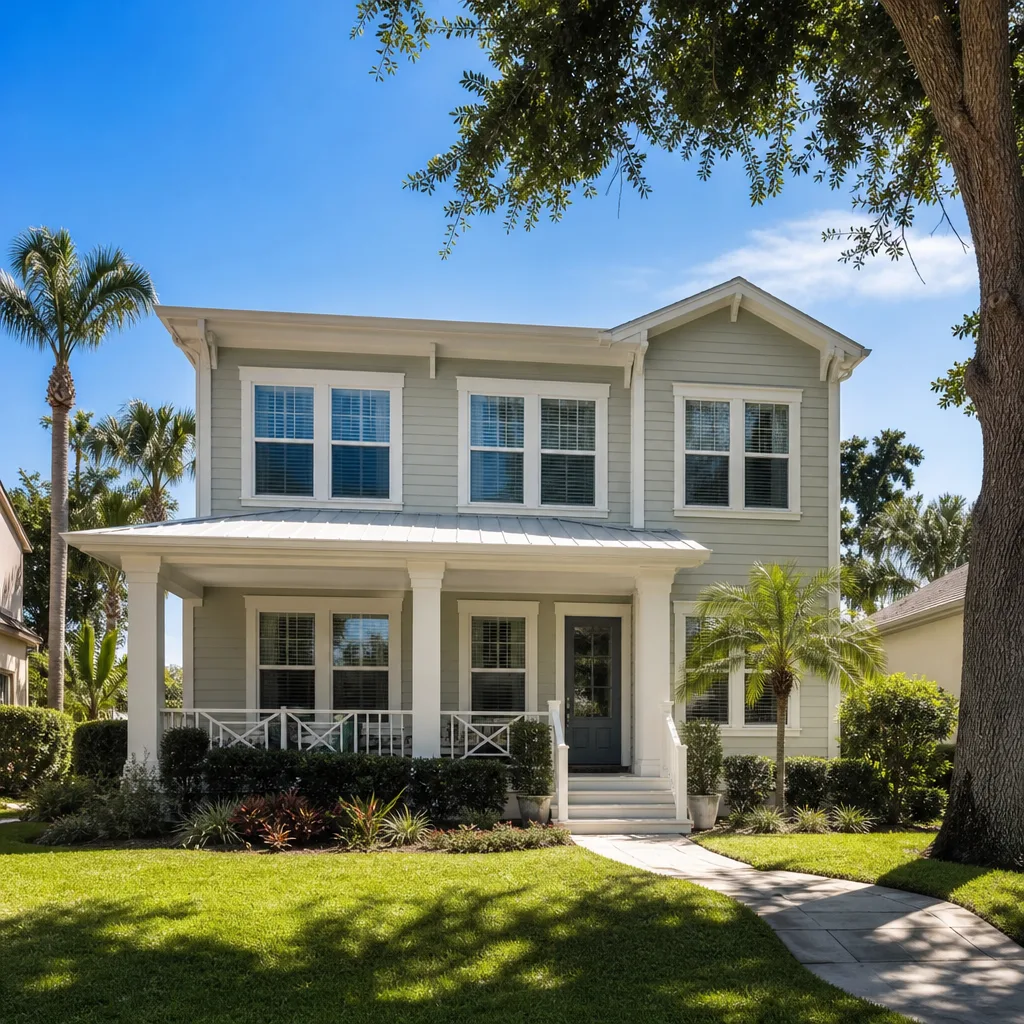
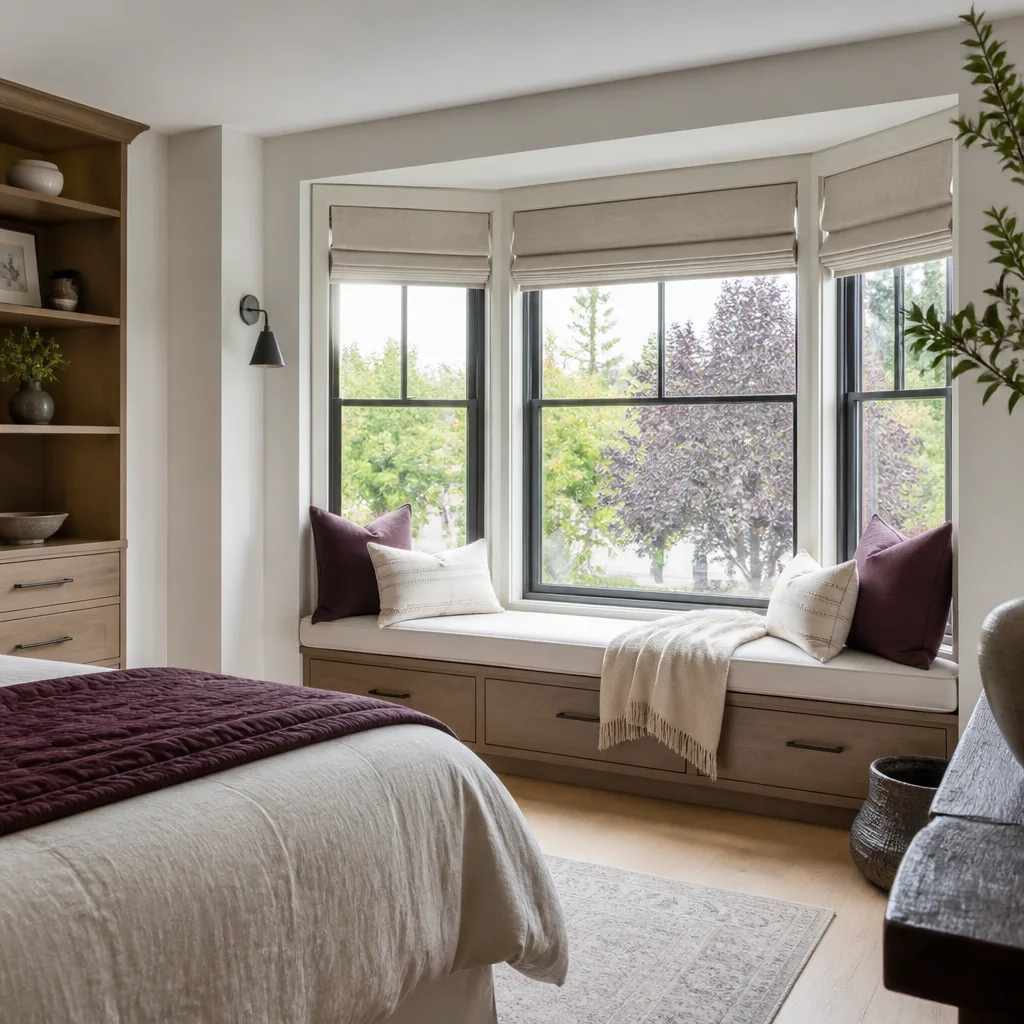
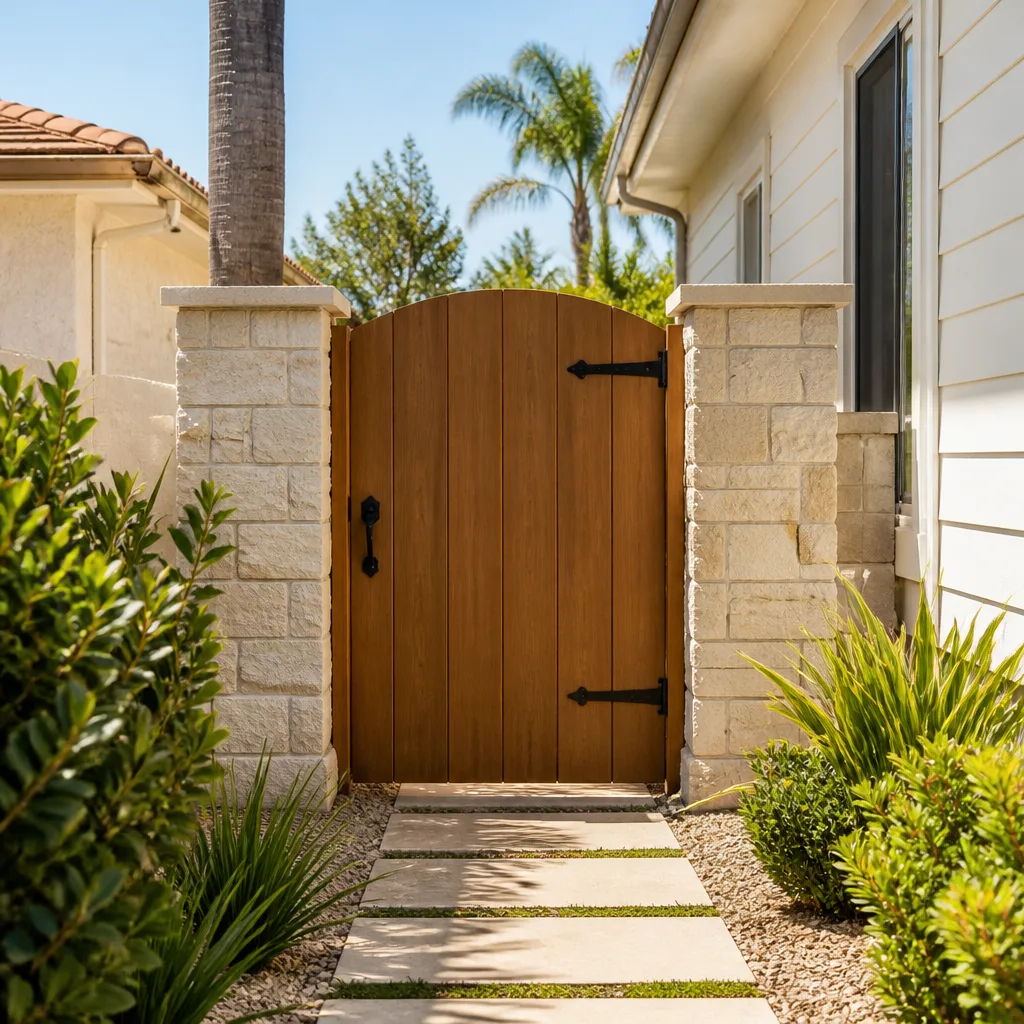
Free written scope consultation - allowances, timeline, and change-order rules on paper before a single trade is scheduled
DIY vs Professional Home Additions & ADU: What’s Safe to Do Yourself
Homeowners in California can legally pull an owner-builder permit for their own ADU. That same permit makes them the employer of record for every subcontractor on the job, which means they carry the workers’ compensation liability, and most standard homeowner policies exclude owner-builder construction liability outright. So the question isn’t whether you’re handy. It’s whether the work you do without a license can be inspected, insured, and sold later. This guide walks through what Santa Ana law actually lets you touch, where the insurance gap opens, and which ten ADU tasks survive a simple decision framework.
Quick Answer
On your own residence, California lets an unlicensed homeowner handle cosmetic finishes, painting, landscaping, and non-structural demolition, but every structural, electrical, plumbing, mechanical, and gas task requires a licensed contractor in the correct classification (B, C-10, C-36, or C-20). The owner-builder permit is legal, but it shifts workers’ compensation liability and construction defect exposure onto you, and most homeowner insurance policies will not cover it. For anything that touches the building envelope, the structural frame, or a utility line, hire the licensed professional.
Styles & brands we work with
- Kitchen remodeling
- Bathroom remodeling
- Home additions & ADU
- Roofing
- Windows & doors
- Driveway & pavers
- Fence
Table of Contents
- What California Actually Lets an Unlicensed Homeowner Do
- The License Classifications You Cannot Legally Bypass
- The Insurance Gap an Owner-Builder Permit Opens
- Resale Disclosure: Why Owner-Built ADUs Trigger Escrow Holdbacks in Orange County
- The Three DIY Mistakes That Raise Contractor Bids
- A Decision Framework for Ten Common ADU Tasks
- Santa Ana Specifics: Climate, Code, and Neighborhood Realities
- When to Call a Professional
What California Actually Lets an Unlicensed Homeowner Do
Business and Professions Code Section 7044 is the statute that matters here. It allows an owner-builder to perform work on their own residence, but only if the property is their primary residence, they intend to live in it for at least 12 months after completion, and they do not sell or rent it out within that window. Break any of those three tests and the permit is void. A Santa Ana homeowner who builds a detached ADU on a rental lot is not operating as an owner-builder under the statute, even if the building department issues the permit.
Inside those limits, the tasks that reliably clear the bar are cosmetic and non-structural:
- Interior and exterior painting, including prep, masking, and caulk work
- Installing non-structural trim, baseboards, and finish carpentry that doesn’t affect the frame
- Flooring over an existing substrate (laminate, LVP, carpet, tile on a properly prepped slab)
- Landscaping, planting, and non-structural hardscape like garden borders
- Non-structural demolition: tearing out cabinets, drywall in a non-load-bearing partition, old fixtures once the utility lines are capped by a licensed trade
- Cabinet installation after the rough-in is signed off, provided the cabinet doesn’t alter the structural wall
- Installing appliances that plug into an existing, permitted outlet
Outside those limits, the answer is no. California doesn’t allow an unlicensed homeowner to do electrical rough-in, plumbing rough-in, gas piping, framing, sheathing, roofing, or drywall on a fire-rated assembly. A Santa Ana building inspector will red-tag the job at the first inspection, and the homeowner has to start over with a licensed contractor. We’ve watched that cost a homeowner in the Floral Park area almost a full construction season.
The License Classifications You Cannot Legally Bypass
Each trade carries a specific classification under the Contractors State License Board. If you’re hiring anyone for a task on a permitted ADU, the license number on their card should match the scope they’re claiming. A “GC” who isn’t a B, a “plumber” who isn’t a C-36, and an “electrician” who isn’t a C-10 are all red flags that carry real liability back to you as the owner-builder.
- B – General Building Contractor: Manages the whole project and can self-perform framing, but cannot take a contract for electrical, plumbing, or mechanical work unless they hold that license too. This is the license behind a permitted detached ADU or a full addition.
- C-10 – Electrical Contractor: Every electrical branch circuit, panel upgrade, service change, and solar tie-in on the ADU. Santa Ana’s 2022 electrical code adoption (based on the 2022 CEC) makes the panel sizing calculations non-negotiable.
- C-36 – Plumbing Contractor: All water, drain, waste, and vent work, including the trench and the tie-in to the existing sewer lateral. Gas piping is often paired under this license when held together with C-36.
- C-20 – Warm-Air Heating, Ventilating, and Air-Conditioning: HVAC equipment, ducting, and refrigerant lines. Title 24 energy compliance for the ADU passes or fails on the C-20’s design, not on how neatly the vents are installed.
What this means practically: the structural frame, the electrical panel, the plumbing rough-in, and the HVAC system together account for 60 to 70 percent of what gets inspected on a Santa Ana ADU. Each one needs the correct classification on a signed contract. There’s no path around that under California law, and there is no path around the inspection schedule either.
The Insurance Gap an Owner-Builder Permit Opens
Here’s the piece most DIY guides skip. The moment an owner-builder permit is pulled, the homeowner becomes the general contractor for insurance purposes. That’s a different role with different coverage, and standard homeowner policies were never written for it.
A typical HO-3 homeowner policy covers the dwelling and personal liability for the insured property. It does not cover construction defect claims arising from work the homeowner performed or supervised as the owner-builder. Most standard policies flatly exclude it, and standard umbrella policies layered on top usually follow the same exclusion. If a subcontractor’s helper is injured on the site under the owner-builder permit, the homeowner is the employer of record for workers’ compensation purposes, and there is no workers’ comp policy in place unless the homeowner buys one.
The fill for that gap is a builder’s risk policy plus a separate workers’ compensation policy, or a single construction wrap policy that covers both. For a typical ADU in Santa Ana County – roughly 600 to 850 usable square feet, six to nine months of construction, general liability and completed-operations coverage included – a construction wrap runs $1,800 to $4,500 for the project. That’s the honest number. It’s not cheap, and a lot of owner-builders skip it, which is exactly the exposure an insurer will point to if the build goes bad.
Contrast that with the professional route. When a Santa Ana homeowner hires Rowan Construction Group, the general liability and the workers’ compensation coverage on that job site belong to the contractor, not the homeowner. That’s part of what the line-item price reflects, and it’s the piece homeowners forget to subtract when comparing a DIY budget to a licensed bid. If you want to see how a contract price looks when the insurance is bundled in, the team’s overview of Home Additions & ADU in Santa Ana walks through the written scope.
Resale Disclosure: Why Owner-Built ADUs Trigger Escrow Holdbacks in Orange County
California Civil Code requires sellers to disclose every known material fact about a property, and that includes construction work performed without a licensed contractor and any work performed under an owner-builder permit. That disclosure goes into the Transfer Disclosure Statement and the seller’s supplemental questionnaire. It’s not optional, and it’s not something a real estate agent can quietly leave out of the file.
In our experience in Santa Ana, owner-built ADUs, additions, and converted garages are the single most common trigger for escrow holdbacks on Orange County residential sales. It works like this: the buyer’s inspector notes the ADU was permitted as owner-builder. The buyer’s lender starts asking about the design professional of record. If there is no licensed architect or engineer’s stamp, and no documentation of the inspections that were actually passed, the lender often holds back 1.5 to 2 times the estimated cost of the unpermitted or owner-built work until a licensed professional verifies it. That’s a holdback against the seller’s proceeds, sometimes for 30 to 60 days, sometimes until a licensed contractor signs a retroactive certificate of completion.
Santa Ana’s older neighborhoods make this worse. A lot of the housing stock off French Street and along the train corridor between downtown and the Logan barrio was built before 1970, and a percentage of that housing has older unpermitted work. When the current owner adds an ADU on top of an already-undocumented addition, the disclosure file gets long, the lender questions get sharper, and the sale timeline bends. A licensed contractor’s paper trail – permits, inspection records, written change orders, and the photo record of the build – is the simplest way to keep that conversation short.
The Three DIY Mistakes That Raise Contractor Bids
A homeowner who does part of the ADU work and then calls a contractor is not starting from zero. They’re often starting from a damaged baseline. In our experience, three specific tasks seem to reliably raise the licensed bid rather than lower it, because the contractor is now pricing in remediation on top of the original scope.
1. Demolition that damages hidden utilities
Demo looks like the safe task, so it’s the one most owners take on. The problem is what’s behind the wall. Santa Ana’s older homes often route gas, water, or electrical through a furring cavity that isn’t where the drawings suggest. A nondescript wall opening that clips a gas line or severs a drain vent costs $1,200 to $3,800 to repair, and if the gas line is involved, the utility has to shut off service, the fire department signs off, and the inspection timeline moves. The contractor’s revised bid now includes the repair, the additional inspection, and the schedule slip.
2. Framing that misses layout tolerances
ADU framing has to hit the layout on the approved plans within a tolerance of roughly half an inch on wall placement and a quarter inch on door and window rough openings. Miss it and the entire finish package – cabinets, tile, door slabs, trim – has to be adjusted. That’s a $4,000 to $9,000 correction on a typical 640-square-foot ADU, and it doesn’t include the engineer’s revised calc if the header spacing is wrong on a load-bearing wall. Framing is also the task most commonly flagged by Santa Ana inspectors when a homeowner did the layout.
3. Trench digging that collapses
Utility trenches for the water, sewer, and conduit runs from the main house to the ADU look like shovel work. Then the sides slough in after a rain (rare in Santa Ana, but we get one or two good storms a year), or the slope of the trench falls below the minimum 1/4 inch per foot the plumbing code requires. The trench gets re-dug, the pipe gets re-laid, and the licensed plumber’s price goes up by $3,000 to $6,000 for the re-excavation and re-inspection. In two of the older neighborhoods we’ve worked, a homeowner’s trench collapse on a compacted fill lot nearly cost them the whole ADU’s slab inspection window.
A Decision Framework for Ten Common ADU Tasks
Instead of trying to remember a list, run every task through three questions. First, does the task require a permit? Second, does it require an inspection? Third, does doing it yourself void a warranty – either a product manufacturer’s warranty or a contractor’s workmanship warranty? If any answer is yes, the task belongs to a licensed professional.
- Site survey and grading – Permit: yes. Inspection: yes. Warranty impact: yes. Verdict: hire a B-licensed GC and a licensed civil.
- Foundation and slab pour – Permit: yes. Inspection: yes. Warranty impact: yes. Verdict: hire.
- Framing – Permit: yes. Inspection: yes. Warranty impact: yes. Verdict: hire.
- Electrical rough-in and panel – Permit: yes. Inspection: yes. Warranty impact: yes. Verdict: hire a C-10.
- Plumbing rough-in and gas – Permit: yes. Inspection: yes. Warranty impact: yes. Verdict: hire a C-36.
- HVAC and ducting – Permit: yes. Inspection: yes. Warranty impact: yes. Verdict: hire a C-20.
- Roofing and waterproofing – Permit: yes. Inspection: yes. Warranty impact: yes on the manufacturer’s warranty. Verdict: hire – and if you’re also pricing roof materials, our guide to Rowan Construction Group Santa Ana home shows how a written roofing scope is documented. For perimeter work on the ADU site, our team covers Fence Installation in Santa Ana separately.
- Drywall on a fire-rated assembly – Permit: usually yes for the ADU fire separation. Inspection: yes. Warranty impact: yes. Verdict: hire.
- Interior painting, trim, and finish carpentry – Permit: no. Inspection: no. Warranty impact: no. Verdict: safe to DIY.
- Landscaping and non-structural hardscape – Permit: sometimes (grading and drainage), usually no. Inspection: no. Warranty impact: no. Verdict: safe to DIY, with a grading caveat.
Seven of the ten tasks go to a licensed contractor. Three are safe for a homeowner to take on without creating insurance or disclosure problems. That ratio is roughly what the framework produces every time, and it’s why the practical answer is “hire the professional, then finish it yourself.”
Santa Ana Specifics: Climate, Code, and Neighborhood Realities
Santa Ana is not Irvine, and the ADU math for the two cities isn’t the same. Santa Ana’s housing stock skews older, the lots are narrower, and the coastal fog that reaches the city in May and June creates specific moisture behavior at the wall-to-foundation connection. A below-grade or slab-on-grade ADU on a Santa Ana lot has to breathe differently than a raised floor ADU in a drier inland climate, and the waterproofing membrane spec on the slab edge reflects that.
Santa Ana’s permitting runs through the city’s Community Development Agency on Civic Center Drive, and the turnaround for a detached ADU plan check is typically four to eight weeks depending on the completeness of the submittal. What trips up owner-builders most often is the energy compliance documentation. Santa Ana follows the 2022 Title 24 standards, including the solar-ready requirements for new ADUs, and the compliance documentation has to be stamped by a licensed professional. Homeowners who’ve tried to submit a plan on their own have been sent back at least once in every case we’ve seen.
Neighborhood matters too. In the tight lots off Main Street and in the Lacy and Wilshire Square areas, the parking and access requirements for the ADU often force a design change that only an architect and a structural engineer can sign off on. A homeowner building on a 5,500-square-foot lot with a 20-foot alley setback has less flexibility than the state ADU law suggests, and it’s the Santa Ana-specific site constraints that turn a simple plan into a licensed project.
Common Mistakes to Avoid
- Pulling an owner-builder permit on a rental property. The statute requires primary residence and a 12-month owner-occupancy after completion. Rent the ADU or sell the property inside that window and the permit is invalid, which means every inspection record on the build becomes a disclosure item.
- Skipping the construction wrap insurance because “it’s just an ADU.” A typical Santa Ana owner-builder ADU carries a $1,800 to $4,500 wrap cost that most homeowners don’t budget for. Skip it and the exposure stays on your homeowner policy, which excludes it.
- Letting an unlicensed “handyman” do electrical or plumbing. California caps handyman work at $500 per job and prohibits them from doing work requiring a permit. Any invoice above that on utility rough-in should stop the conversation.
- Assuming Santa Ana will approve a plan submitted by the homeowner. Title 24 energy documentation for an ADU typically needs a licensed professional’s stamp. Plan check will reject it without one, and you’ll lose four to six weeks resetting.
- Doing demo without a utility locate. A few dollars on the 811 dig alert (free in California) prevents the $1,200 to $3,800 repair we’ve seen on gas and drain lines in older Santa Ana homes.
- Framing to a “close enough” layout. The half-inch tolerance matters because every downstream trade – cabinets, tile, trim – is sized to the approved plan. Miss it and the finish budget absorbs the correction.
- Not disclosing owner-builder work at resale. Civil Code requires it. The Orange County escrow holdback is the consequence, and it can freeze the seller’s proceeds for 30 to 60 days.
See the difference
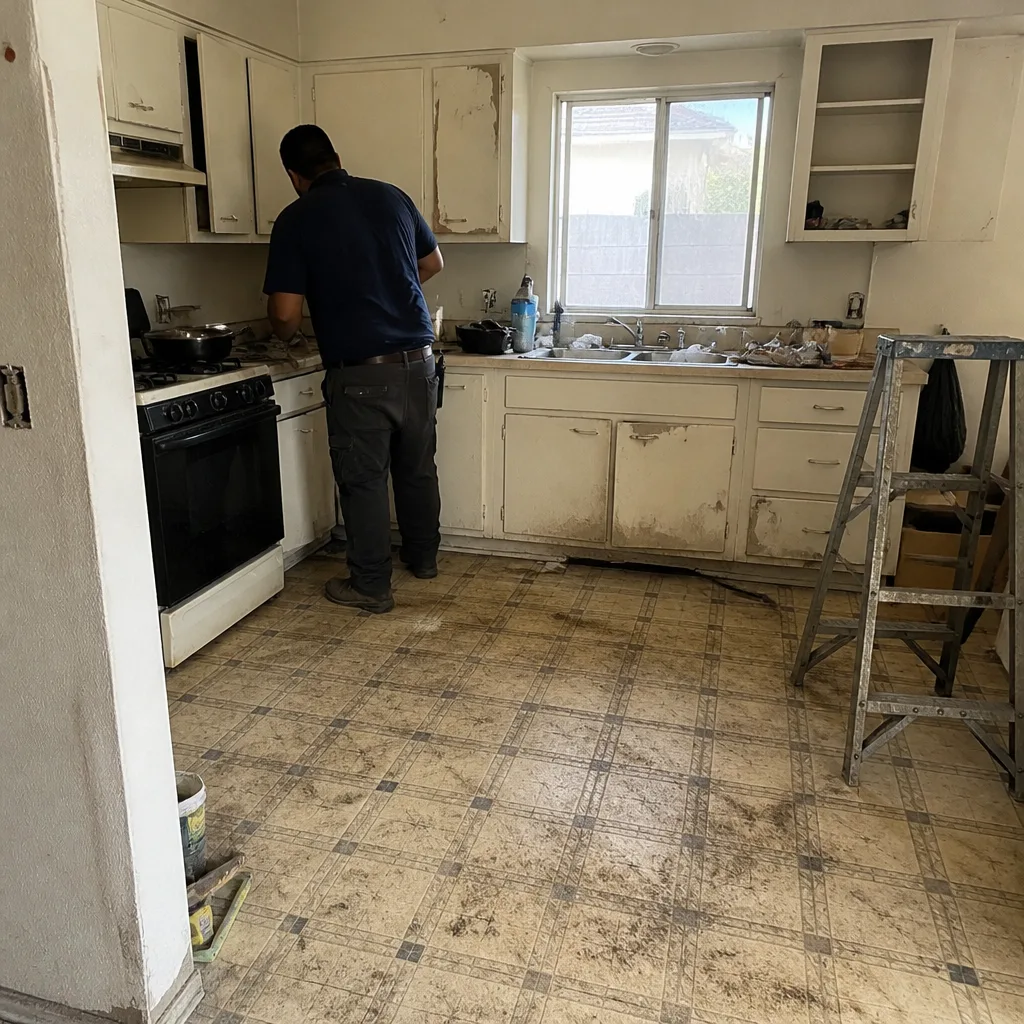 Before
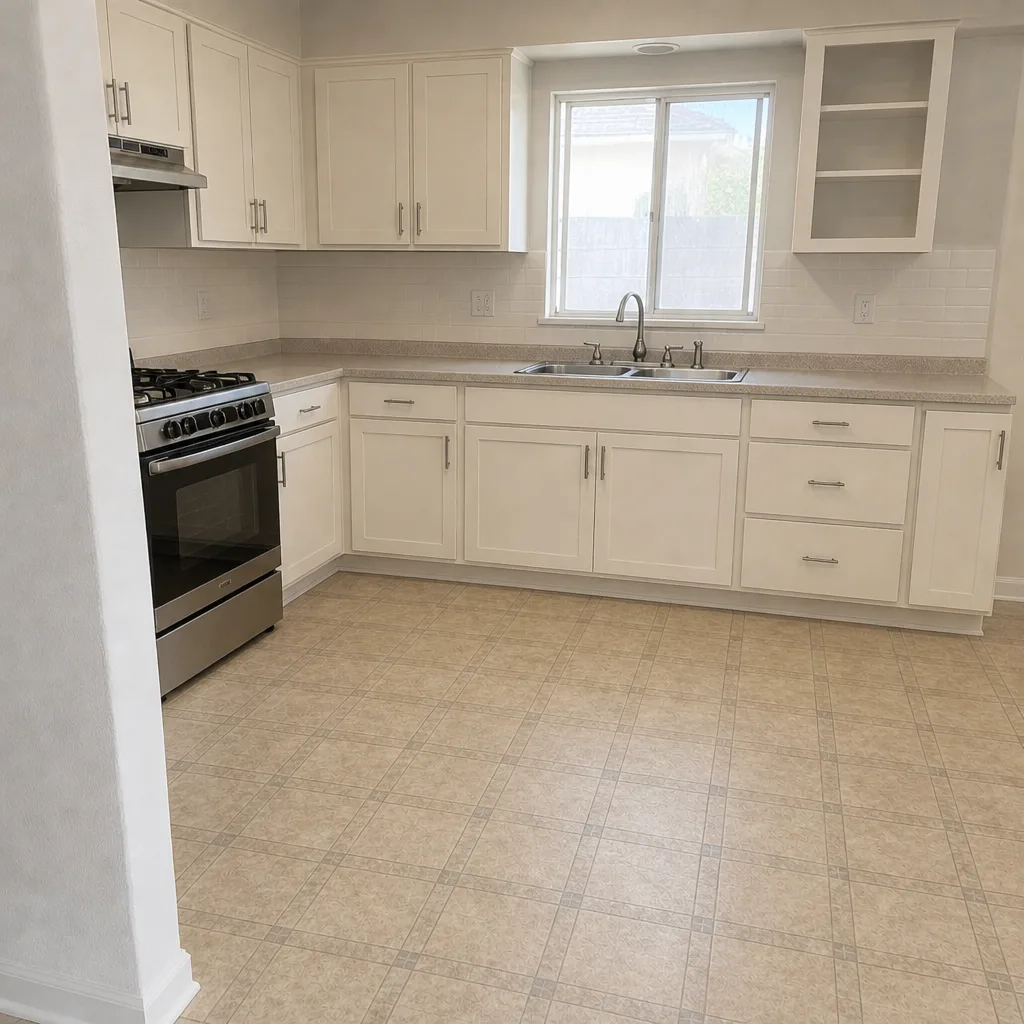 After
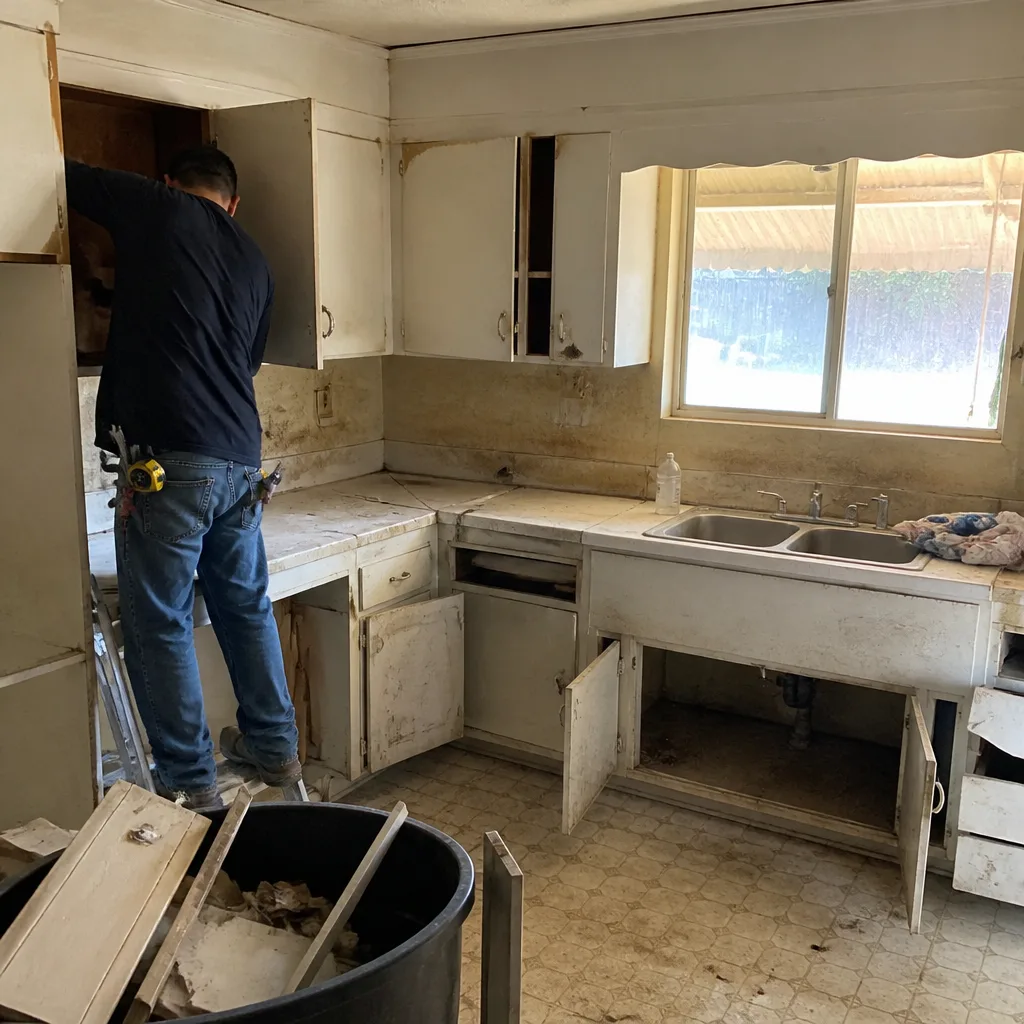 Before
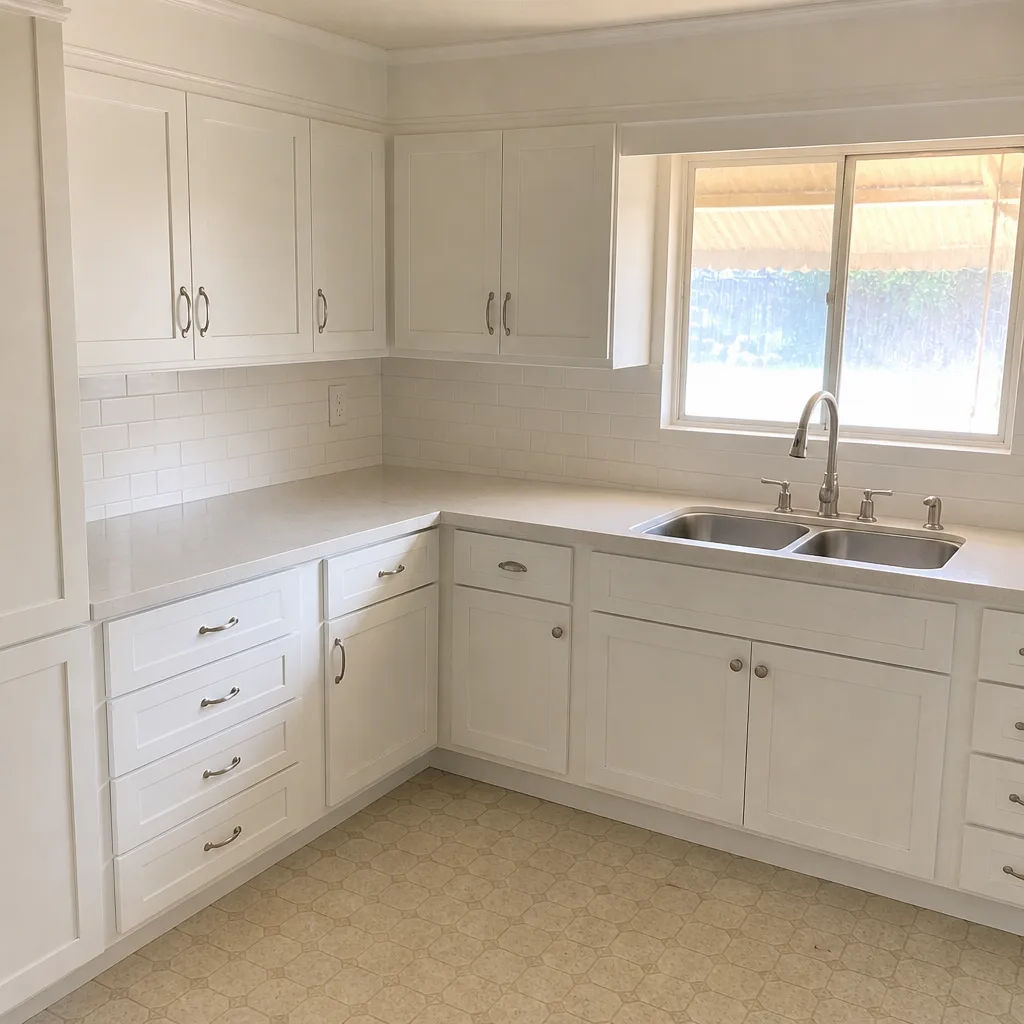 After
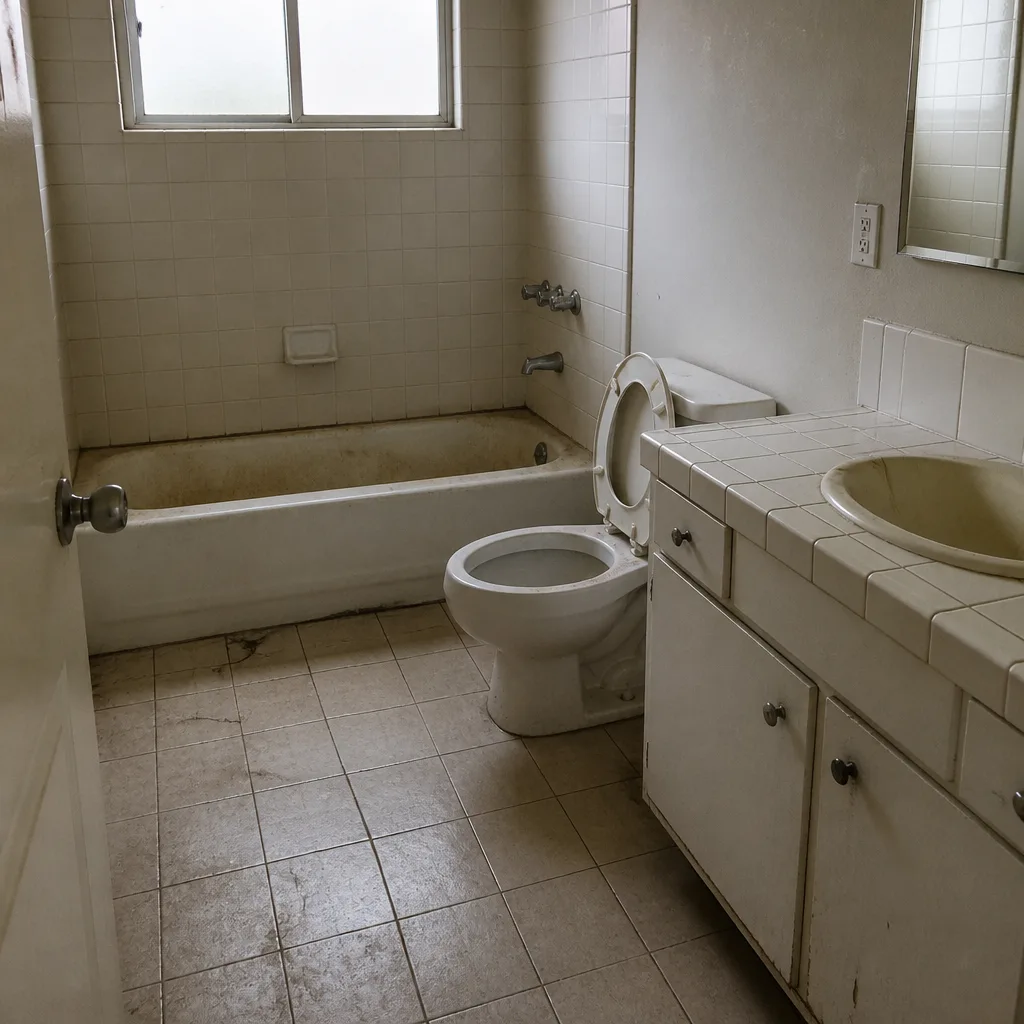 Before
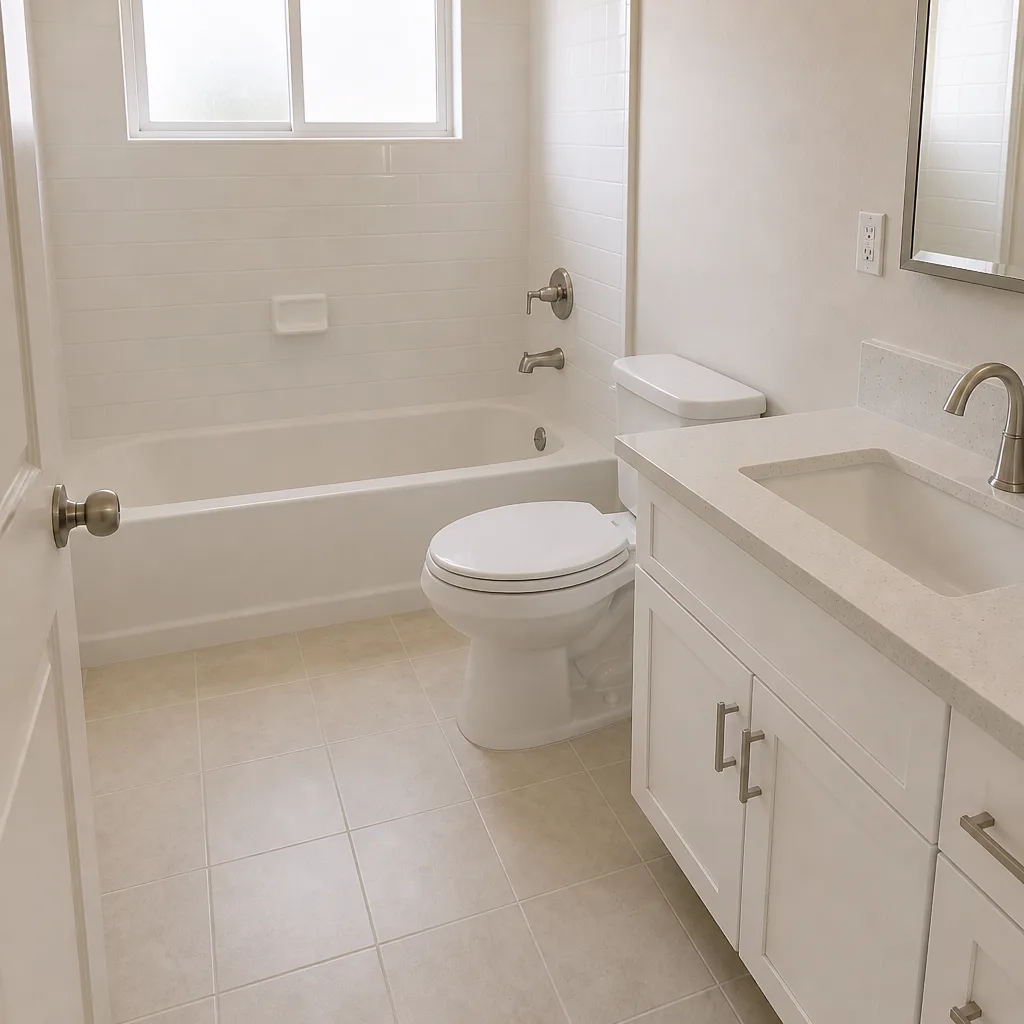 After
When to Call a Professional
Call us the moment the scope touches framing, the electrical panel, a gas line, plumbing rough-in, HVAC, roofing, or a fire-rated assembly. That’s not a marketing line. Those seven categories are where the licensing law, the insurance requirement, and the resale disclosure all converge, and a DIY attempt on any of them creates a liability file that costs more to unwind than it saves on labor. Rowan Construction Group Santa Ana offers free estimates across every trade, in writing, before anyone picks up a tool. We’ll also review a competitor’s written estimate line by line at no charge if you have one in hand – that second opinion is a standing offer. Our technicians have up to 19 years of experience, and our crews are background-checked and uniformed. Call (833) 853-5955 to schedule your free estimate. If you’re also finishing the driveway in front of the new ADU, our team handles Driveway & Pavers in Santa Ana and can price both in one scope.
Frequently Asked Questions
Yes, if the property is your primary residence, you intend to live in it for at least 12 months after the ADU is complete, and you pull the owner-builder permit yourself. The permit makes you the general contractor, though, which means you’re legally responsible for the workers’ compensation coverage on every subcontractor and for the construction defect exposure. In practice, most Santa Ana homeowners hire a B-licensed contractor to manage the build and self-perform only the cosmetic finishes.
Cosmetic and non-structural work: painting, flooring over an existing substrate, finish carpentry, cabinet installation after the rough-in is signed off, landscaping, non-structural hardscape, and non-structural demolition after the utilities are capped. Everything structural, electrical, plumbing, mechanical, and gas requires the correct license classification. A Santa Ana inspector will red-tag the job at the inspection if a homeowner has done a licensed task without the license.
No, not on an owner-builder permit. Standard HO-3 policies exclude construction defect liability when the homeowner is the builder, and standard umbrella policies usually follow the same exclusion. The fill is a construction wrap policy (general liability plus workers’ compensation), and for a typical Santa Ana ADU that runs $1,800 to $4,500 for the build. Confirm the exclusion with your carrier before pulling the permit, because finding out at the first claim is too late.
It can, because California Civil Code requires you to disclose owner-builder work and unpermitted construction, and Orange County lenders frequently hold back 1.5 to 2 times the estimated remediation cost until a licensed professional verifies the work. The holdback delays the sale and can reduce the sale price. The simplest protection is a documented paper trail: permits, inspection records, written change orders, and a photo record of every visit.
Detached ADUs in the 600- to 850-square-foot range typically come in at $280 to $420 per square foot in Santa Ana, or roughly $170,000 to $350,000 depending on foundation type, utilities distance, and finish level. The written price is what matters, and under The Haven Standard it’s a flat price with a written scope and a written warranty before any work starts. Call (833) 853-5955 for an exact quote in writing – estimates are free.
Not unless you sign a change order. Rowan Construction Group works under the discipline that no change proceeds without a signed change order, which is the reason projects finish within a few percent of the number the customer agreed to. If a hidden condition turns up after demo – an undocumented load-bearing wall, a compromised drain line – it gets priced in writing first and the price stays flat until you sign.
The Bottom Line
California law is not the obstacle most homeowners expect. The obstacle is the insurance gap and the resale disclosure that come with an owner-builder permit. Painting, finish carpentry, flooring, and landscaping are genuinely safe to do yourself. Framing, electrical, plumbing, gas, HVAC, roofing, and fire-rated drywall are not, and the licensed classifications that cover them are non-negotiable. Score your task list against the three-question framework – permit, inspection, warranty – before you swing a hammer. If the answer is “hire,” the licensed route buys you the coverage and the paper trail that makes a Santa Ana sale close clean. Rowan Construction Group Santa Ana delivers a written price before any work starts, a signed change order before any change, and a documented photo record on every visit. The technicians have up to 19 years of experience, the crews are background-checked and uniformed, a live person answers calls, and the 365-Day Done Right Promise covers the work in writing.
Written by the team at Rowan Construction Group Santa Ana.