Last updated November 18, 2026
Free written scope consultation - allowances, timeline, and change-order rules on paper before a single trade is scheduled
How Long Does Windows & Doors Take? Timelines and What to Expect
Here’s the number that surprises almost every homeowner we talk to in Santa Ana: the window is in the wall for about four hours. The project takes six weeks. Between the day you sign a contract and the day the last screen goes back on, the actual installation is a single afternoon, and everything else on the calendar is permits, product lead times, inspection scheduling, and the small sequencing decisions that nobody writes into the sales pitch. That gap between perceived work and elapsed time is where budgets drift and frustration builds.
This guide breaks the whole project into phases with real day ranges, distinguishes stock from custom-order timelines by brand, and names the three things that most often push a Santa Ana window and door job past its promised date. By the end you’ll know what to ask for, when to expect a crew in your driveway, and which parts of the schedule you control.
Quick Answer
A typical window or door replacement in Santa Ana takes 6 to 10 weeks from contract signing to final inspection, though most of that time is permit review and product fabrication, not labor. The physical installation itself usually runs 1 to 3 days for a 5 to 10 unit project. Custom-order units (Andersen, Marvin, or anything non-standard) add 4 to 8 weeks to the front end; stock Milgard windows can compress the whole job toward the short side.
Styles & brands we work with
- Kitchen remodeling
- Bathroom remodeling
- Home additions & ADU
- Roofing
- Windows & doors
- Driveway & pavers
- Fence
Table of Contents
- The Four Phases of a Window and Door Project
- Stock vs. Custom: How Brand Choice Changes the Calendar
- Permits at the Santa Ana Building Division
- What Happens on Installation Day
- Multi-Trade Sequencing: Drywall, Stucco, and Trim
- Three Schedule Killers in Santa Ana
- How to Compress Your Timeline
- The Inspection Phase and Final Closeout
The Four Phases of a Window and Door Project
Every residential window and door job moves through four phases, and only one of them involves tools. Here’s how the calendar actually distributes across a typical Santa Ana project.
- Design and product selection: 3 to 10 days. You choose window style (single-hung, casement, awning, picture), frame material (vinyl, fiberglass, wood-clad aluminum), glass package, and color. Every day this stretches is a day added to the back end, because the manufacturer can’t start fabrication until the order is confirmed.
- Permit application and review: 10 to 20 business days. Residential window and door replacements in Santa Ana fall under the city’s building division. Most over-the-counter or online submittals for like-for-like replacement clear in two to four weeks. Structural changes, new openings, or egress-window adjustments take longer.
- Product fabrication and delivery: 2 to 8 weeks. The single largest variable. Stock sizes ship fast; anything sized to your rough opening or made in a discontinued profile waits in a production queue.
- Installation: 1 to 3 days. For a typical 5 to 10 unit project with a two- or three-person crew. A single front door swap is often half a day.
Add inspection scheduling (3 to 7 days after you call for it) and you land squarely in the 6 to 10 week range. Notice what dominates: phase two and phase three. Roughly 80% of the calendar days between signing and closeout live in permit procurement and product lead times, not in anyone swinging a hammer. That’s the thesis of this whole guide, and it’s the budget line most homeowners misjudge.
Stock vs. Custom: How Brand Choice Changes the Calendar
The most consequential schedule decision you’ll make is whether your windows are stock or custom. This single choice can swing the total project by five or six weeks.
- Milgard stock windows typically ship in 1 to 2 weeks from order confirmation. If your existing rough openings match standard widths and heights, you’re in the fast lane. Milgard’s vinyl and fiberglass lines in standard sizes are a common reason a straightforward Santa Ana replacement finishes on the early side of the range.
- Andersen or Marvin custom-sized units run 4 to 8 weeks from order confirmation. Wood-clad aluminum, non-standard dimensions, and specialty glazing all land here. Beautiful product, but the calendar follows the factory, not your contractor.
- Doors in either category tend toward the longer end because of sidelites, transoms, and hardware packages. A custom entry door with a matching transom can push past 8 weeks on its own.
One rule of thumb we pass along: if you’re replacing windows on a 1960s or 1970s Santa Ana ranch house with original non-standard openings, assume custom until a tape measure says otherwise. The measurement step is where we confirm this, and it’s why a signed, itemized contract should carry material submittals before the permit ever goes in. When the manufacturer confirms the submittal up front, there’s no mid-order surprise about a discontinued profile. That up-front confirmation is a scheduling act, not a paperwork formality.
If your window project sits inside a larger scope, some of the same sequencing logic applies. A primary suite bump-out that combines new glazing with structural work is closer to our Home Additions & ADU in Santa Ana timeline than to a straight replacement, and it’s worth reading both before you decide what to bundle.
Permits at the Santa Ana Building Division
Permits are the phase homeowners underestimate most, and where the Santa Ana project calendar gets its reputation. A residential window or door replacement permit in Santa Ana generally clears the city’s building division in 10 to 20 business days for a like-for-like swap. Here’s how to think about it.
- Spring and summer are peak season at the building division. Applications filed in April through July routinely add 3 to 5 business days to the review window because of sheer volume. Filing in late fall or winter is a quiet calendar advantage nobody mentions in a sales appointment.
- Like-for-like replacement (same size, same location, no structural change) is the simplest category. Move a window, enlarge an opening, or touch a load-bearing wall and you’re in a different review track.
- Egress requirements matter on bedrooms. If you’re swapping a bedroom window, the opening has to satisfy egress size, and a plan checker will flag it if the submittal doesn’t address it.
- The permit has to be pulled before work starts. A contractor who suggests skipping it puts your resale and your insurance in the crosshairs.
Our position is simple: we pull the permits and answer for the inspection. Under Clause 1 of the Haven Standard, the price is written before anyone starts, and the permit cost sits in that written number, not as a surprise line item later. A written scope that names the permit and the inspection is the difference between a clean closeout and a correction notice.
If your front yard is being torn up anyway for a new walkway, or you’re replacing a gate alongside the entry door, it can pay to coordinate trades. Replacement fences and hardscape have their own sequencing. Our Fence Installation in Santa Ana and Driveway & Pavers in Santa Ana pages lay out those calendars so you aren’t running three separate permit clocks in parallel.
What Happens on Installation Day
Installation is the shortest phase and the one most people picture when they imagine the project. Here’s the realistic sequence for a 5 to 10 unit replacement.
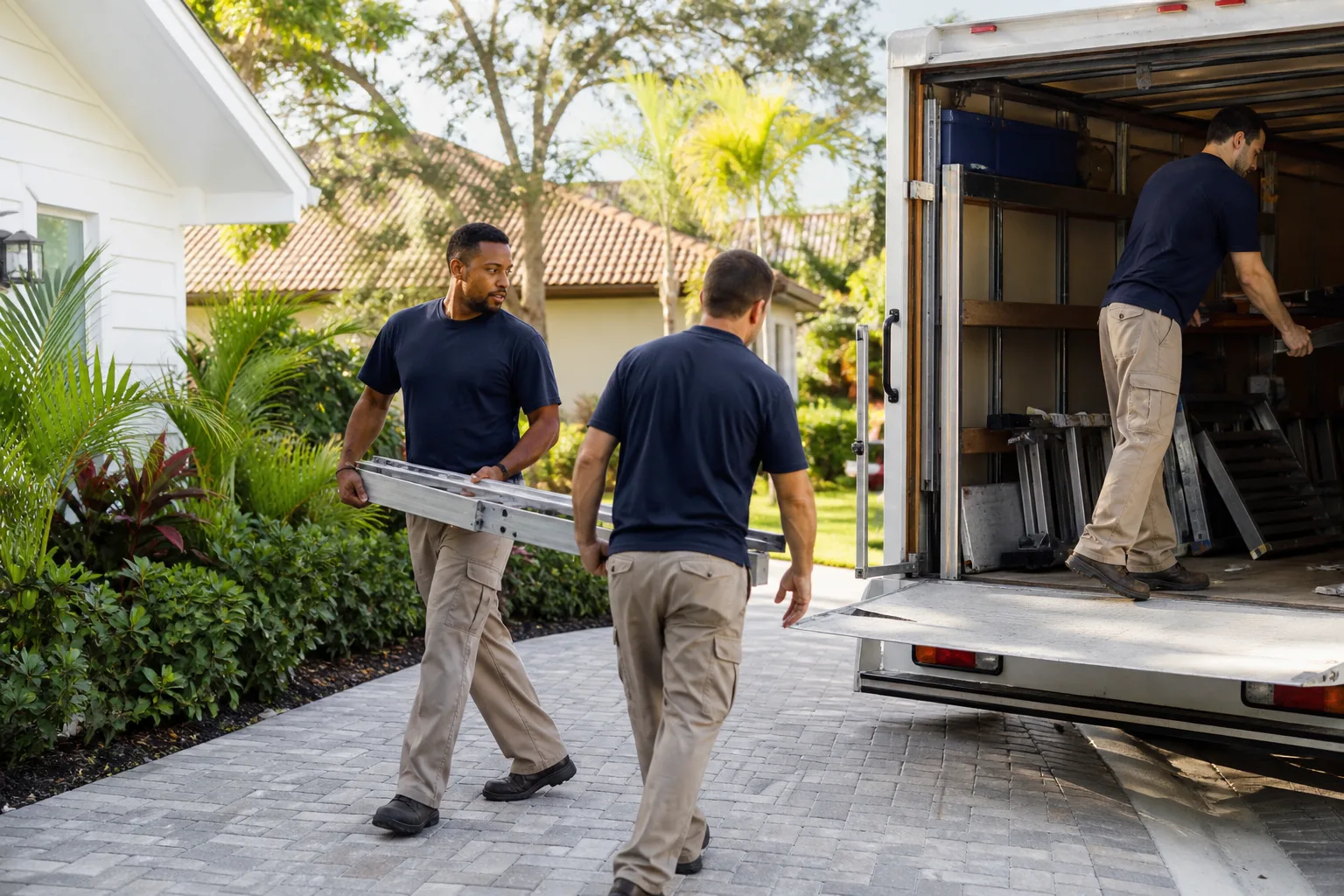
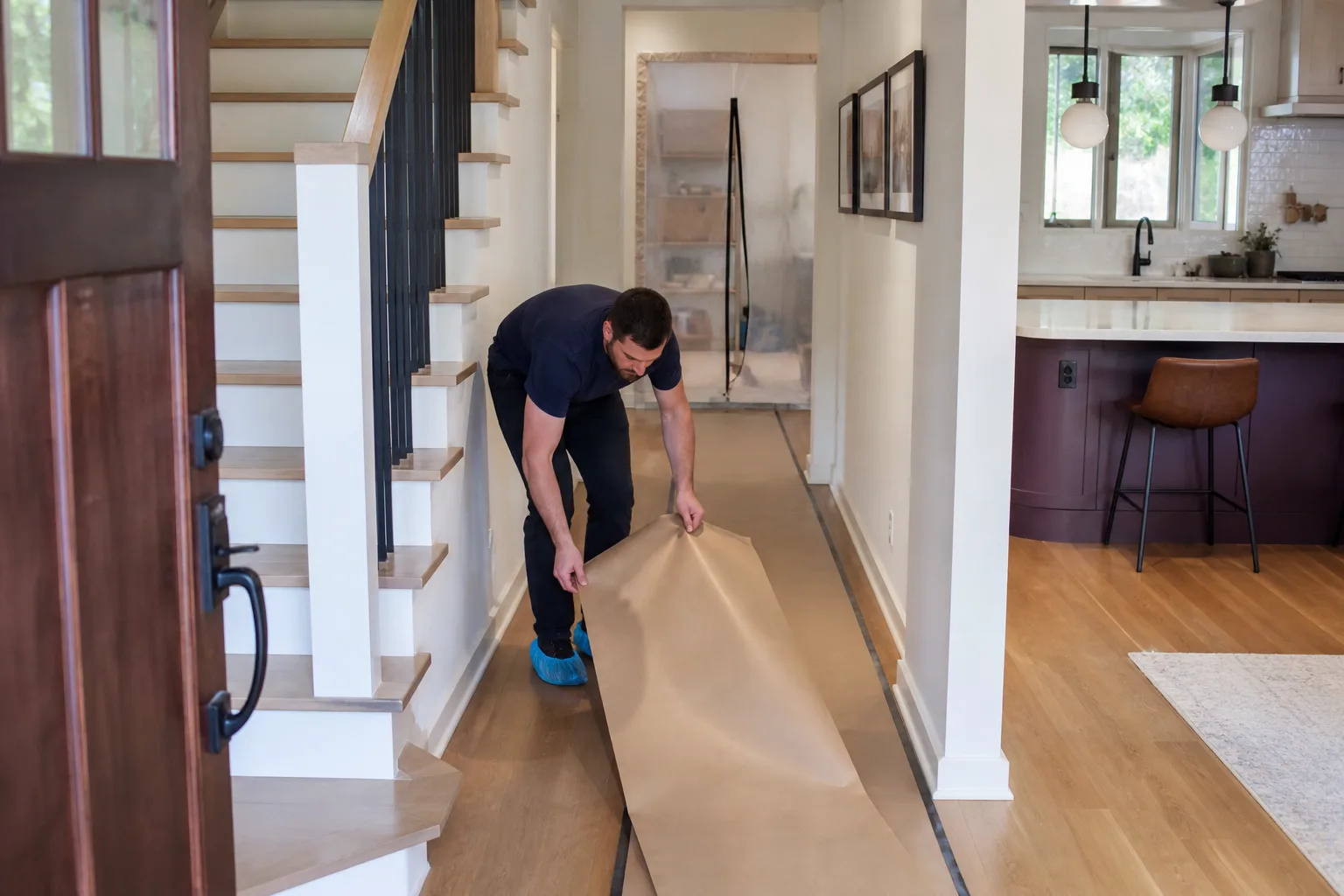
- Prep and protection (morning of day one). Floors covered, furniture moved or shifted, the work area sealed. Windows come out one at a time so the house never stands open to the weather for long.
- Removal and rough-opening check. The old unit comes out, the opening is inspected for rot, framing integrity, and flashing condition. This is where a surprise can appear in an older Santa Ana home; we document what we find with photos before deciding whether a repair is a change order.
- Setting and flashing. The new unit is leveled, shimmed, and fastened, then flashed and sealed against water intrusion. This step is where a warped or poorly flashed window will leak a year from now, so it deserves the time.
- Trim, insulation, and interior finish. Insulation packed into the gap, trim reinstalled or replaced, caulk and paint touch-ups.
- Cleanup and walkthrough. Glass cleaned, debris hauled, and the crew walks you through what was installed and hands over the documented photo record of the visit.
That photo record matters on a window job more than on almost any other trade, because the flashing and sealing you can never see again once the trim goes back on. Getting pictures of it while it’s exposed is the evidence that the installation was done the way the contract said it would be. It’s included on every visit as standard, not sold as an upgrade.
Multi-Trade Sequencing: Drywall, Stucco, and Trim
Here’s the part of the schedule that never shows up in the installation estimate. If your project pairs window replacement with interior drywall repair or exterior stucco patching, you’re now running a small multi-trade sequence, and each trade depends on the last one finishing.
- Interior drywall repair adds 1 to 3 days after the window goes in, plus cure and paint time. You can’t paint wet joint compound.
- Exterior stucco patching around replaced windows or a new door adds a similar block. A Santa Ana stucco patch typically needs a couple of days to cure before it’s primed and painted, and doing it inside a day is asking for a crack later.
- Trim carpentry and painting land last and can’t be compressed without looking rushed.
The lesson is that a subcontractor’s install window isn’t the same as your project calendar. If three trades each take a day, and each one needs the one before it finished, that’s a four- or five-day block of sequencing days that the install quote alone won’t show you. On a job where the interior and exterior both need finishing, add roughly a week to your mental model of “done.” Rowan runs seven residential trades in-house coordination on the schedule, so the window, the drywall, and the stucco aren’t three separate contractors handing off to each other with a week of dead air between.
Three Schedule Killers in Santa Ana
Across thousands of projects, the same three things push a window and door job past its promised date. Knowing them is half of avoiding them.
- Seasonal permit backlog. Spring and summer add 3 to 5 business days to the Santa Ana review window at the building division. File early in the season and the same job clears faster than one filed in June.
- A discontinued product mid-order. Manufacturers retire profiles and colors without warning. If your order lands after the discontinuation, you re-select, re-approve, and re-order, and that’s 2 to 4 weeks gone. Submittals approved before the permit goes in eliminate this whole category of delay.
- An inspection failure that requires a corrective rough-in. Usually a fastening or flashing detail. It’s fixable in a day’s work, but the re-inspection adds 3 to 7 days, and on a project scheduled tight, that’s the difference between your promised and actual closeout.
A fourth, quieter killer is decision delay. Every week a homeowner spends choosing between two glass packages is a week the manufacturer isn’t fabricating the window. We’ve watched a project sit for a month waiting on a color decision only to then bump the delivery queue because it landed in a busy production window. The signed, itemized contract with material submittals approved before permit submission compresses the total by removing that dead time: all the choices are made up front, so nothing restarts the clock halfway through.
How to Compress Your Timeline
You can’t compress the manufacturer’s production queue, and you can’t shortcut the building division. But you can control the parts of the calendar that are within your reach.
- Choose stock sizes where the design allows. A standard Milgard unit that ships in 1 to 2 weeks beats a custom order that takes 6 weeks, every time, if the look works.
- Make selections in one sitting. Decide style, material, glass, and color in a single meeting with the contract. Don’t let it sprawl.
- Approve material submittals before the permit is filed. This is the single biggest compressor, because it lets the permit review and the fabrication queue run in the same window instead of one after the other.
- File the permit in the off-season if you have the flexibility. A late-fall filing dodges the spring and summer backlog entirely.
- Bundle related work under one schedule. Window replacement plus a new entry door can share a single installation block, and the drywall and stucco phases run together.
And a note on scheduling ambition. If a contractor quotes you a timeline with no room for the inspection and the cure time, they’re quoting the install, not the project. We’d rather give you the honest number and hit it than give you a flattering one and miss. That’s what the Rowan Construction Group Santa Ana home page calls the whole point: a written number, a written scope, and a documented record when the crew leaves.
The Inspection Phase and Final Closeout
After installation, you request an inspection, and in Santa Ana expect 3 to 7 days for the inspector to arrive. Builders sometimes frame this as an afterthought, but it’s the gate that turns a job into a closed permit.
- The inspection confirms the installation matches the permitted scope: correct unit, correct fastening, correct flashing and egress where required.
- If everything passes, the permit closes, and you have a documented record for your own files. Keep it; it’s a resale asset.
- If a detail is flagged, the correction is usually quick, but the re-inspection adds days. This is why the flashing and fastening phase is worth doing right the first time.
- Final payment and the written warranty hand-off happen after the permit closes and the punch list is walked.
The 365-Day Done Right Promise covers what happens after closeout: if something isn’t right, we make it right within the year. That’s printed on the contract, not buried in a footnote, and it’s the reason a homeowner can sign a window project and then stop worrying about the seal on the third window in the guest room.
Common Mistakes to Avoid
- Comparing contractors on install time alone. The install is 1 to 3 days on every quote. The total project is what differs, and it’s driven by permits and lead times, not the crew.
- Choosing a custom color or profile without checking for discontinuation. Confirm the product is currently in production before you commit. A discontinued profile mid-order resets the clock.
- Filing the permit before submittals are approved. This forces the permit and the fabrication queue to run in series instead of in parallel, adding weeks to a Santa Ana project.
- Starting in June and expecting a fast permit. Spring and summer backlogs at the Santa Ana building division add days to every review. Plan for it or file off-season.
- Forgetting the drywall and stucco in the schedule. A window that’s in the wall on Wednesday isn’t a finished project until the interior is painted and the exterior stucco has cured and been painted.
- Paying for the job before the permit closes. Final payment should follow the inspection and the written warranty hand-off, not the last nail.
- Accepting a quote with no written scope. If the price doesn’t name the units, the brand, the permit, and the inspection, it isn’t a quote; it’s a guess.
See the difference
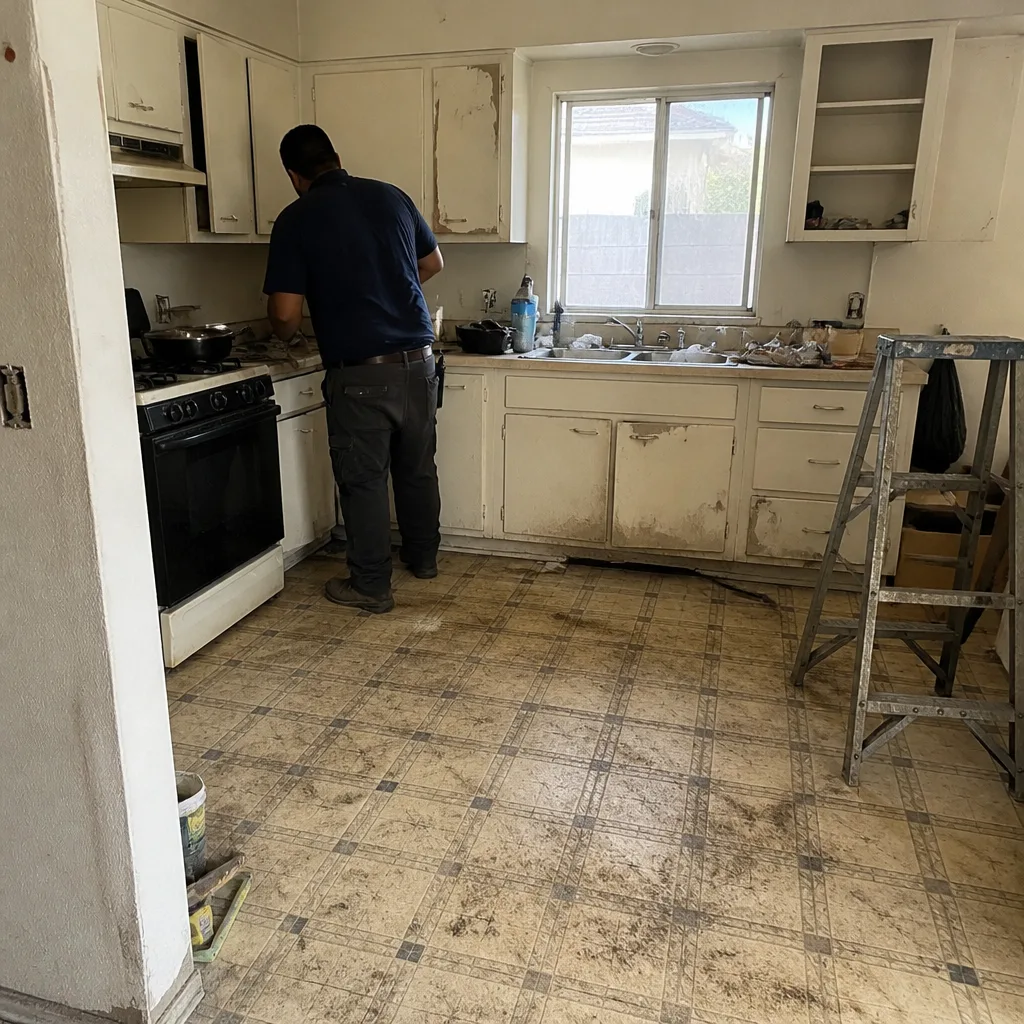 Before
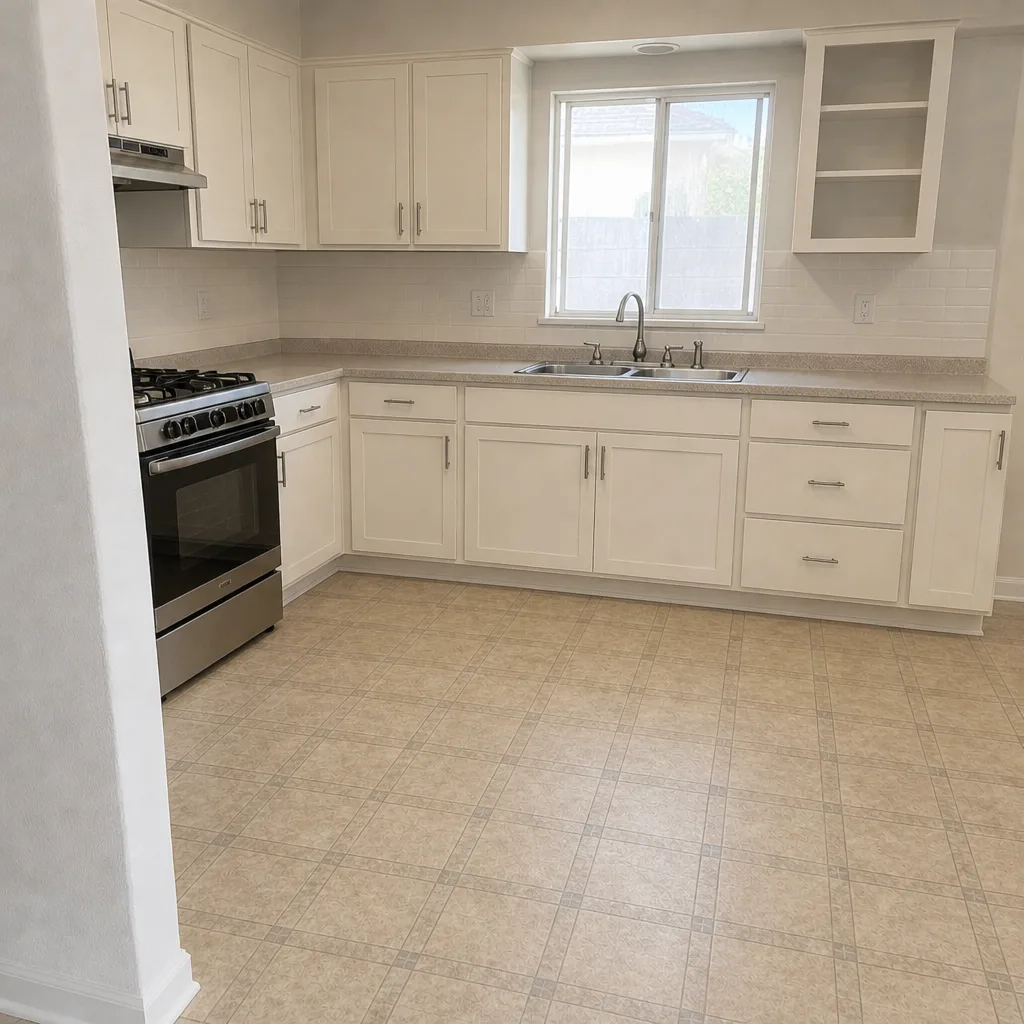 After
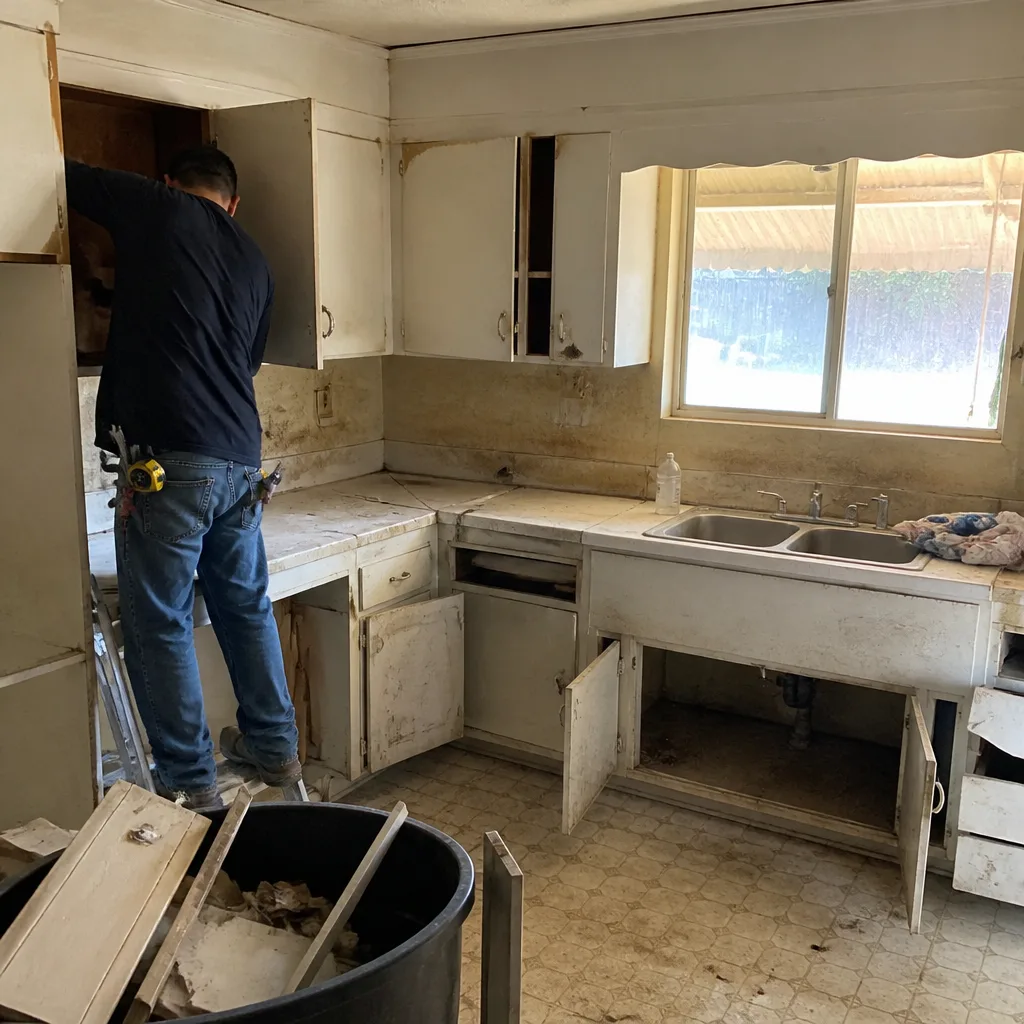 Before
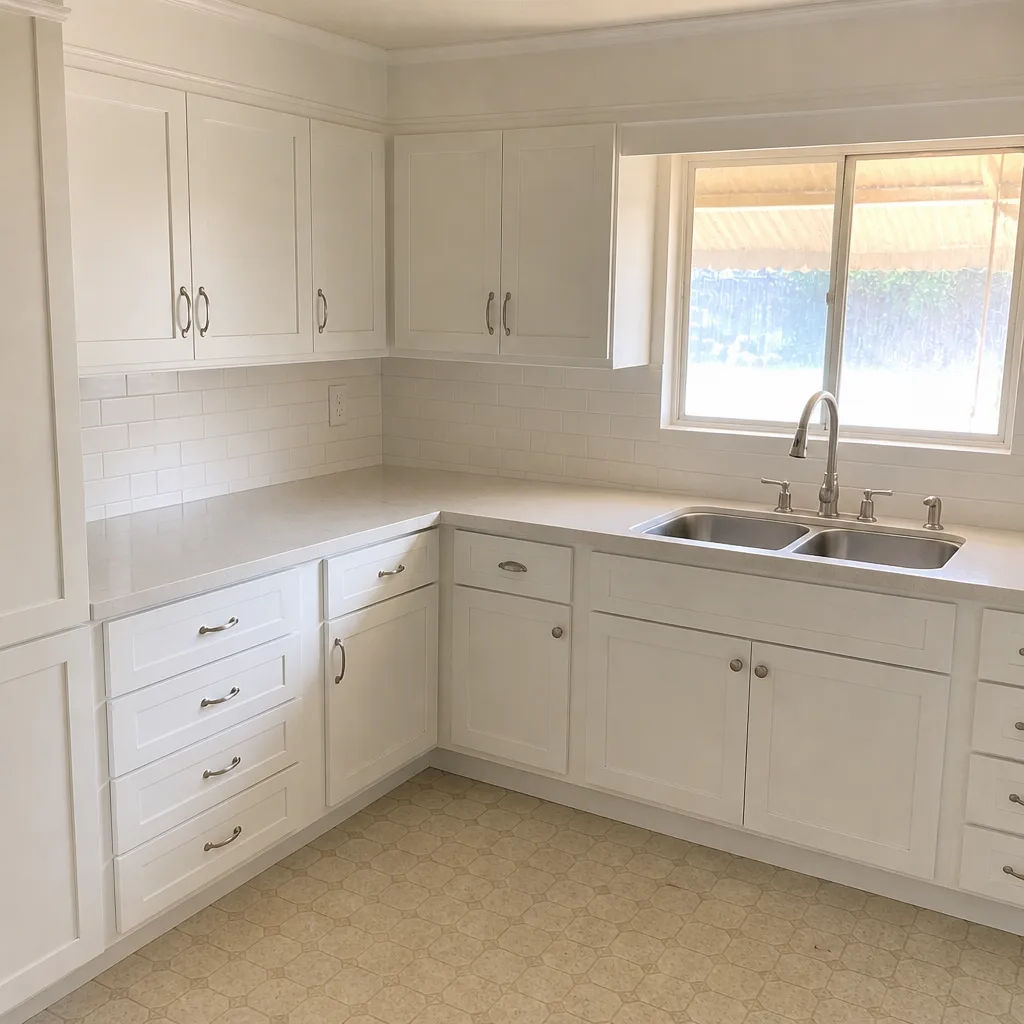 After
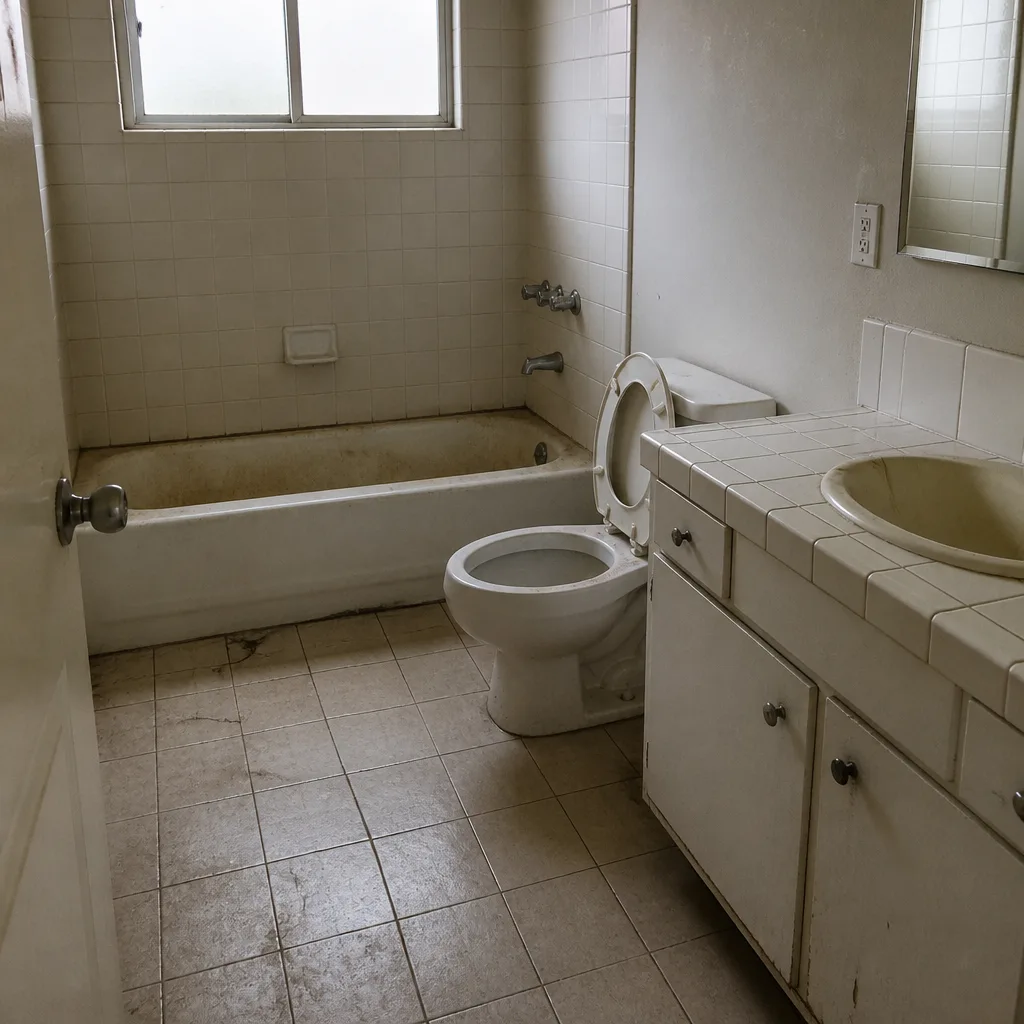 Before
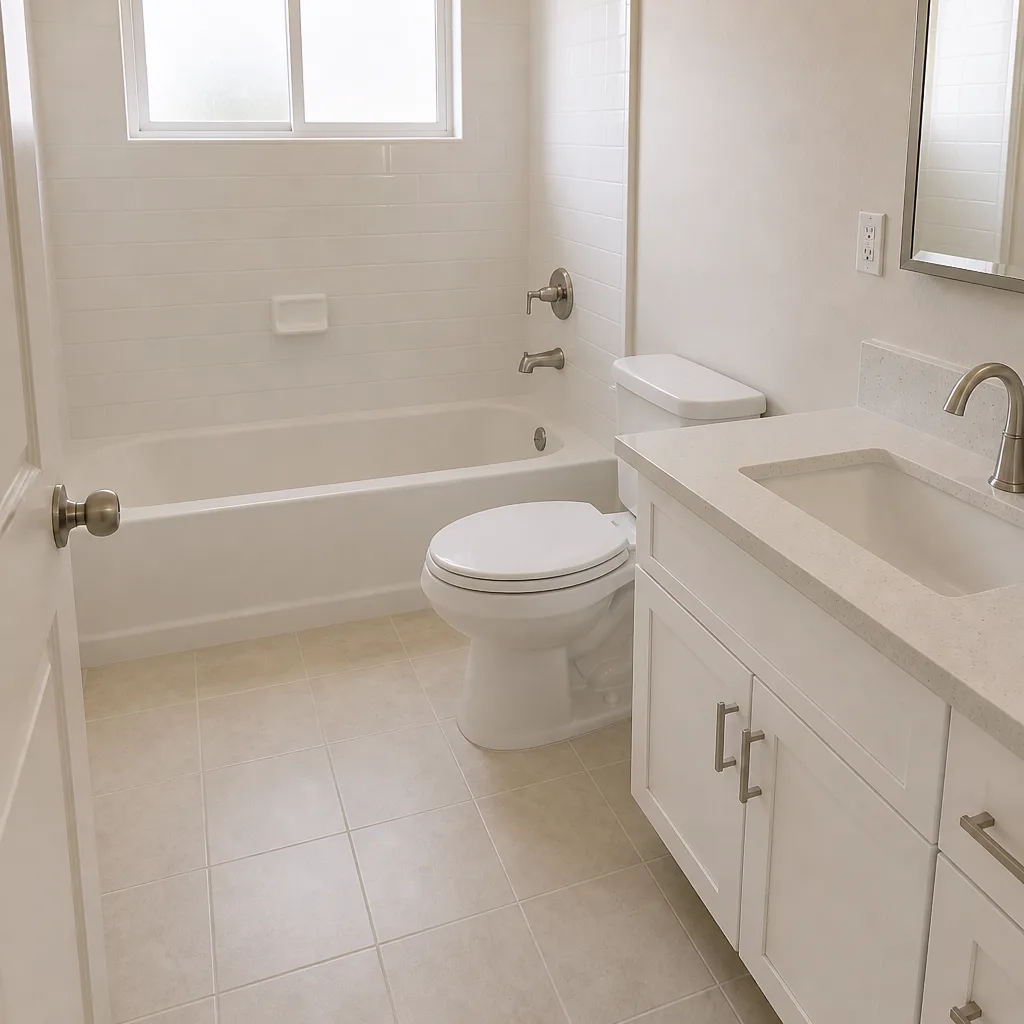 After
When to Call a Professional
Some jobs genuinely are a weekend project. A single stock window in good condition, on a ground floor, with a factory-matched replacement and no permit change, is within reach of a careful DIYer. Everything else isn’t. Call a professional when the project involves more than one or two units, when the rough opening needs to be enlarged or moved, when the home is pre-1980 and you haven’t verified the framing, when the window is a bedroom egress window, or when the job ties into drywall and stucco repair. Those scenarios touch structural, code, or multi-trade sequencing, and getting them wrong costs more than the install ever would.
One more: any single-story window above a drop, or a second-story unit, is a fall hazard and a job for trained, insured crews. Rowan Construction Group Santa Ana offers free estimates in Santa Ana, with a flat written price before any work starts. Call (833) 853-5955 to book a measurement. We’ll bring the tape measure and the honest calendar.
Frequently Asked Questions
Most Santa Ana window replacements take 6 to 10 weeks from contract signing to final inspection, with the install itself running 1 to 3 days for a 5 to 10 unit project. The bulk of the time is permit review (10 to 20 business days) and product fabrication (2 to 8 weeks). Call (833) 853-5955 for an exact quote with your timeline built in.
Yes, a single window or a small set of stock-size replacements can often be installed in one day. But “installed” and “project complete” are different dates. If the job pairs with drywall or stucco repair, or needs an inspection, expect a week of finishing and closeout after the install. Call (833) 853-5955 to confirm what your specific job needs.
Yes, residential window and door replacement in Santa Ana generally requires a permit through the city’s building division, and the review runs 10 to 20 business days for like-for-like swaps. Moving an opening or touching structural framing puts you in a longer review track. We pull the permits and answer for the inspection. Call (833) 853-5955 to talk through your scope.
Stock Milgard windows ship in 1 to 2 weeks because the manufacturer builds them to standard sizes ahead of demand. Custom Andersen or Marvin units run 4 to 8 weeks because they’re made to your exact rough opening after you approve the submittal. The production queue is the delay, not the install. Call (833) 853-5955 to see whether stock sizing fits your openings.
It shouldn’t, and with a signed, itemized contract it won’t. Rowan quotes a flat written price and a written scope before work starts, and no change proceeds without a signed change order. That discipline has kept our projects within a few percent of the agreed cost across thousands of jobs. Call (833) 853-5955 for a written price, not a range.
The two most common causes are spring and summer permit backlogs at the Santa Ana building division (adding 3 to 5 business days) and a product discontinued mid-order that forces a re-selection. Approving material submittals before the permit is filed avoids the second and absorbs the first. Call (833) 853-5955 to schedule a measurement before the seasonal rush.
The Bottom Line
The install is a day or two. The project is six to ten weeks. If you remember one thing, make it this: permits and product lead times decide your finish date far more than the crew ever will. Stock windows and off-season permit filings compress the calendar. Custom units, peak-season backlogs, and mid-order discontinuations extend it. Approve submittals before you file the permit, and a lot of the delay goes away before it starts. Get the written price, the written scope, and a documented record at the end, and the schedule you’re given matches the schedule you get.
Ready to put a date on the calendar instead of a guess? Call Rowan Construction Group Santa Ana at (833) 853-5955 for a free estimate in Santa Ana, with a flat written price and a timeline built from the phases above. If you already have a competitor’s quote in hand, bring it in for a free second opinion; we’ll review it line by line at no charge.
Written by the team at Rowan Construction Group Santa Ana.