Last updated November 18, 2026






Free written scope consultation - allowances, timeline, and change-order rules on paper before a single trade is scheduled
Home Additions & ADU Warning Signs Every Homeowner Should Know
A bid that quotes an ADU at a round number – $150,000, $200,000 – with no line-item breakdown hands the contractor unlimited discretion over material grades, subcontractor selection, and what the scope actually includes. That discretion is where budgets die. In our experience reviewing written estimates for homeowners across Santa Ana, the warning signs of a failing addition are almost always visible in the contract before a single form is set. This guide walks through the six contract omissions that signal trouble, the insurance and license documents a contractor should produce on request, the physical red flags that show up in the first weeks of framing, and the financial patterns that tell you a project is sliding sideways. Read it before you sign.
Quick Answer
The most reliable warning signs of a bad home addition or ADU contractor appear in the paperwork, not the work: a bid with no line items, no subcontractor license numbers, no change-order clause, no inspection-tied payment schedule, no substantial completion definition, and no lien waiver provision. If any of those are missing from a written agreement in Santa Ana, the project carries risk you can still walk away from.
Styles & brands we work with
- Kitchen remodeling
- Bathroom remodeling
- Home additions & ADU
- Roofing
- Windows & doors
- Driveway & pavers
- Fence
Table of Contents
- Six Contract Omissions That Signal a High-Risk Contractor
- License, Insurance, and Bond: Documents to Demand Before You Sign
- Physical Site Warning Signs in the First Weeks of Construction
- Financial Red Flags Mid-Project
- Mechanic’s Liens, the CSLB Complaint Process, and the Clause That Protects You
- What Santa Ana Homeowners Face Specifically
- Common Mistakes to Avoid
- Frequently Asked Questions
Six Contract Omissions That Signal a High-Risk Contractor
An ADU agreement is a technical document. When one of the following is missing, the absence is not an oversight – it’s a gap the contractor can use later. Check every one of these before you sign.
- No subcontractor license numbers. Your general contractor may not self-perform electrical, plumbing, or HVAC work. Those trades require their own CSLB-issued license numbers, and if the agreement doesn’t list the subs by license number and name, you have no way to verify they’re qualified before they arrive on your property.
- No payment schedule tied to inspection milestones. Payments should be incremental and released only when a defined phase is complete and, ideally, signed off by the city or county inspector. A schedule built around calendar dates rather than milestones lets a contractor get paid in full before rough framing is signed off.
- No change-order clause. Every addition produces changes. A well-written contract defines how they’re priced, who approves them, and that work cannot proceed until a written change order is signed. Without that clause, verbal approvals become disputed invoices.
- No substantial completion definition. “Substantial completion” is the legal milestone that triggers final payment and starts the warranty clock. If the contract doesn’t define it, the contractor decides when the job is done.
- No lien waiver provision. A lien waiver is a signed document from your contractor and each subcontractor confirming they’ve been paid and have no remaining claim against your property. This clause is the single biggest protection against a mechanic’s lien.
- No material specification sheet. Cabinets, windows, roofing, fixtures, and siding should all be named by brand and model, not described as “premium” or “contractor grade.” When we quote an addition in Santa Ana, materials are named to the manufacturer – KraftMaid or Wellborn for cabinets, GAF or Owens Corning for roofing, Kohler or Toto for fixtures – so there’s nothing to argue about later.
License, Insurance, and Bond: Documents to Demand Before You Sign
Three documents should be on the table before you sign anything, and any honest contractor in Santa Ana expects to be asked. Request them in writing, and verify them yourself; the CSLB lookup is public and takes about two minutes.
- Current CSLB license in good standing. Not a number on letterhead – a live lookup showing active status, the correct classification for the work being done, and no disciplinary actions that would disqualify the contractor from pulling a permit.
- Active general liability certificate with you named as additional insured. General liability covers damage to your property or a third party during construction. Naming the homeowner as additional insured means the policy protects you, not just the contractor, if something goes wrong.
- Workers’ compensation certificate. If a crew member is injured on your property and the contractor doesn’t carry workers’ comp, the injury can become your financial exposure. Verify that the certificate is current and covers the trades working on your site.
The contractor’s license bond is also worth confirming. California requires licensed contractors to carry a bond that gives homeowners a route to claim damages if the contractor fails to perform or violates the license law. It’s not a substitute for a good contract, but it’s a backstop worth knowing about.
Physical Site Warning Signs in the First Weeks of Construction
Paperwork problems can still show up in the dirt. If you walk the site during the first three weeks of an addition and see any of the following, that’s the moment to ask questions – before foundations are poured.
- Foundation forms set without a licensed surveyor’s setback confirmation. Santa Ana lots are often tight, and an ADU placed a foot inside the required setback can require demolition and a re-pour. Ask to see the surveyor’s stamped setback verification before the forms are filled.
- Rebar placed without a grade stamp. Reinforcing steel for structural concrete carries a mill grade stamp. Unstamped or incorrectly sized rebar is a structural red flag that a framer or inspector will catch later – but at your expense.
- Framing lumber left uncovered during rain. Southern California rain is rare but real, and an uncovered lumber stack that gets soaked and then installed warps, molds, and swells. If framing material sits exposed for more than a day of rain, the wood should be inspected before it goes up.
- No visible grading or drainage plan. An addition that changes your lot’s drainage pattern needs to direct water away from the existing structure. Watch where the water runs during the first rain after grading.
Every crew visit should produce a photo record. We photograph what we found and what we did on every site visit as a standard deliverable, because the homeowner deserves evidence of the work, not just a text saying it was handled.
Financial Red Flags Mid-Project
Once construction is underway, the warning signs shift from static issues to patterns of behavior. The three that matter most:
- Payment requests ahead of schedule. If a contractor asks for the next draw before the milestone defined in the original schedule is complete and inspected, the request should be denied in writing. Every request should reference the milestone it satisfies.
- Verbal change-order approvals. A verbal “yes” to a change is how disputed invoices start. Under Clause 1 of our Haven Standard, no work proceeds on a change until the change order is signed – that discipline is why our projects finish within a few percent of the agreed price across 4,000-plus jobs.
- Invoices that don’t match the line-item bid. Any invoice should reconcile, line by line, against the original proposal. If the scope has expanded without a corresponding change order, the invoice is not a valid request.
When we quote an addition in Santa Ana, the price arrives in writing before anyone picks up a tool – line items, scope, warranty, and schedule. That’s the standard we apply to a home addition, and it’s the same standard we apply to a Driveway & Pavers in Santa Ana job.
Mechanic’s Liens, the CSLB Complaint Process, and the Clause That Protects You
If a general contractor fails to pay subcontractors or material suppliers, those parties can record a mechanic’s lien against your property – even if you paid the general contractor in full. The lien is a claim on your title that has to be resolved before you can sell or refinance the home.
The clause that prevents this is the lien waiver provision, backed up by conditional lien waivers collected with each payment. A conditional waiver says, in writing, that the sub has been paid to date and waives their right to lien for that amount. Get one from every sub and supplier with each draw, and keep them in a file.
If a contractor fails to perform or violates the license law, two remedies exist:
- File a complaint with the CSLB. The Contractors State License Board investigates licensing violations, abandonment, and certain financial harms. A successful complaint can lead to discipline, license suspension, or restitution through the CSLB’s arbitration process.
- File a claim against the contractor’s license bond. California requires licensed contractors to post a bond; homeowners who’ve suffered a loss from a contractor’s failure to perform can file a claim against that bond. The bond is not unlimited, but it’s a real route to recovery.
Both remedies are far slower and more expensive than a contract with a lien waiver clause in the first place. Get the clause in writing.
What Santa Ana Homeowners Face Specifically
Santa Ana’s housing stock runs from century-old craftsman bungalows near French Park and Washington Square to newer builds in South Coast Metro and along the Tustin and Costa Mesa borders. Older homes frequently carry undocumented additions from prior decades – an enclosed porch, a garage conversion, a sunroom – that surface during an ADU project and complicate the permit history. A competent contractor runs a pre-construction check for legacy permits before finalizing scope.
Santa Ana also requires ADUs to meet specific setback, height, and parking requirements under the state’s ADU laws, and the city has its own plan-check timeline that a contractor should be able to quote from experience. Ask any contractor bidding your addition what they’ve seen on plan-check timelines in Santa Ana in the past year. A real answer to that question is a better signal of competence than any brochure.
For projects that combine an ADU with other trades – fencing, hardscape, roofing – the sequence matters. Our Fence Installation in Santa Ana work often runs alongside additions because yard lines and easements have to be confirmed before foundations are set. Our Home Additions & ADU in Santa Ana page covers the full permitting sequence if you want the deeper view.
Common Mistakes to Avoid
- Signing a round-number bid without a breakdown. A single lump-sum figure with no line items hides where the money is going. Ask for a dozen line items or walk.
- Accepting “we’ll handle the permits” without a written permit plan. The contractor who pulls the permit is on record as responsible to the city. Make sure the permit is listed by type and cost in the agreement, not promised verbally.
- Paying any material deposit above the contract’s defined first draw. A contractor who asks for 40% up front to “secure materials” is a contractor whose cash flow is worth understanding before you write a check.
- Approving a change order by text. A text is not a signature. Verbal approvals are one of the most common sources of mid-project disputes in Santa Ana.
- Assuming a general liability certificate means you’re covered. If you’re not named as additional insured, the policy protects the contractor, not you.
- Not collecting lien waivers with each draw. A contractor who fails to pay subs can leave you with a lien on your property even after your last payment clears.
- Skipping the surveyor before forms are set. In Santa Ana, a setback miscalculation can cost tens of thousands in demolition and re-pour after the foundation is in.
See the difference
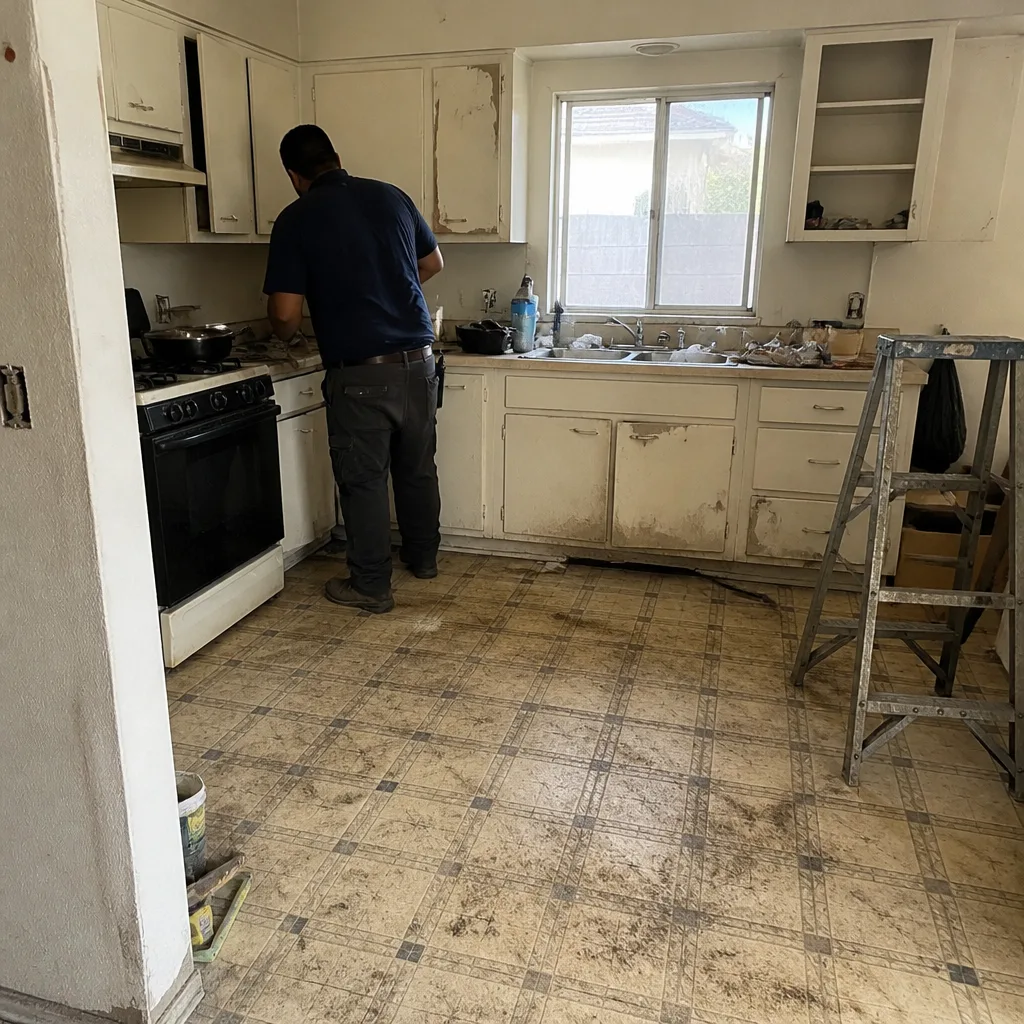 Before
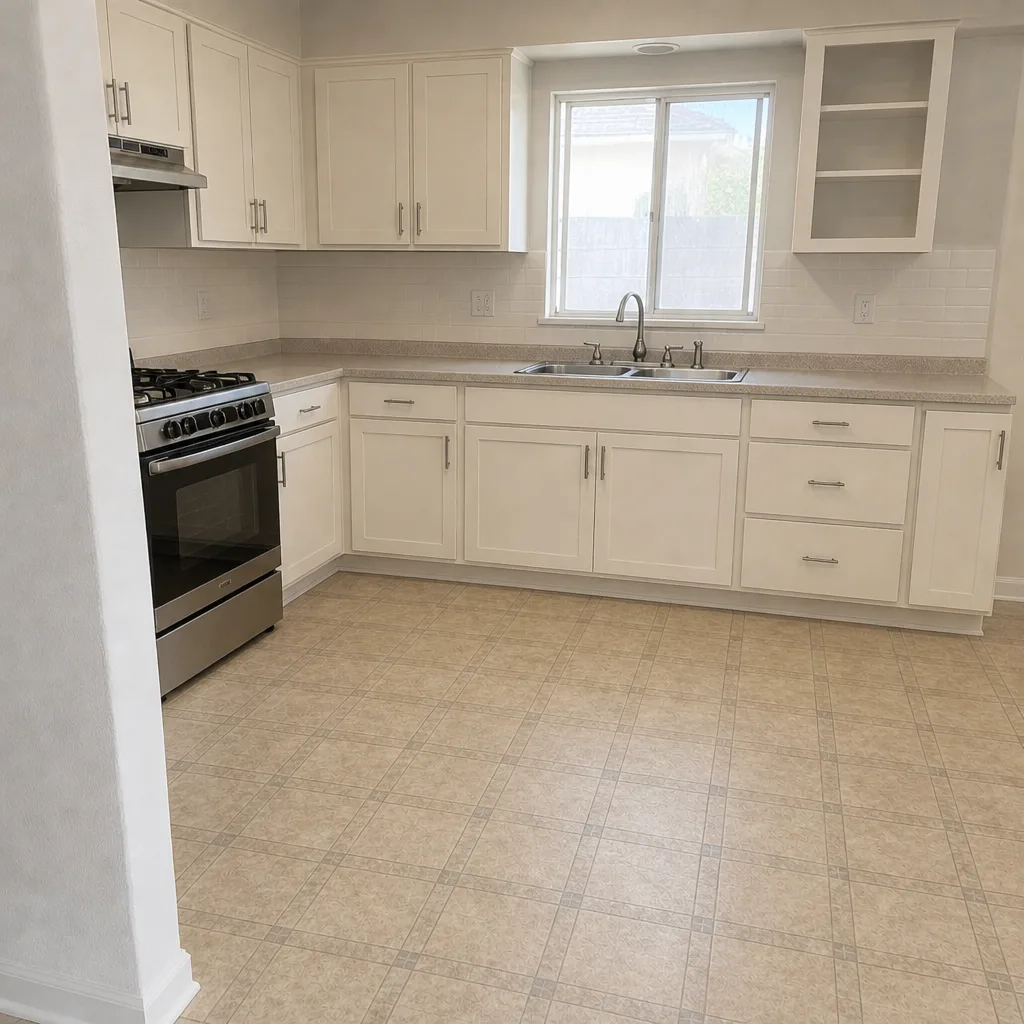 After
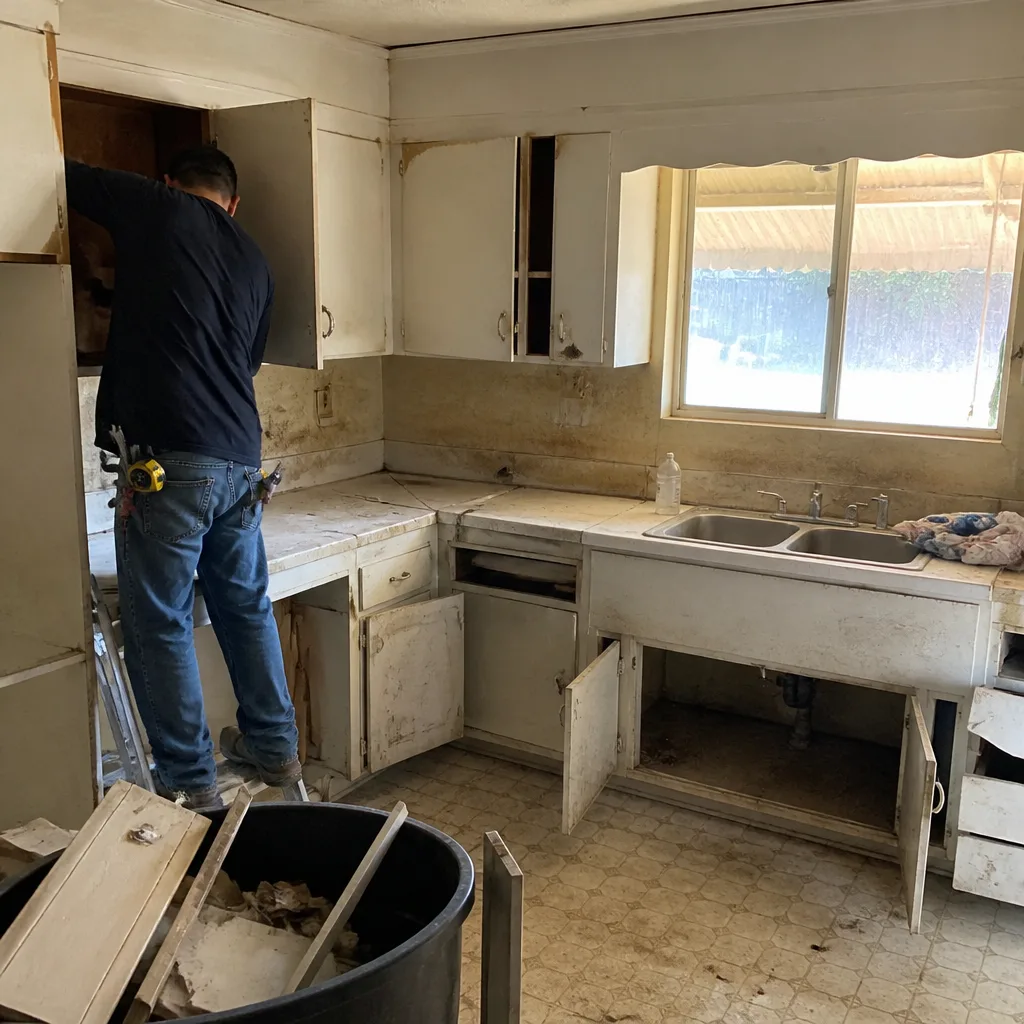 Before
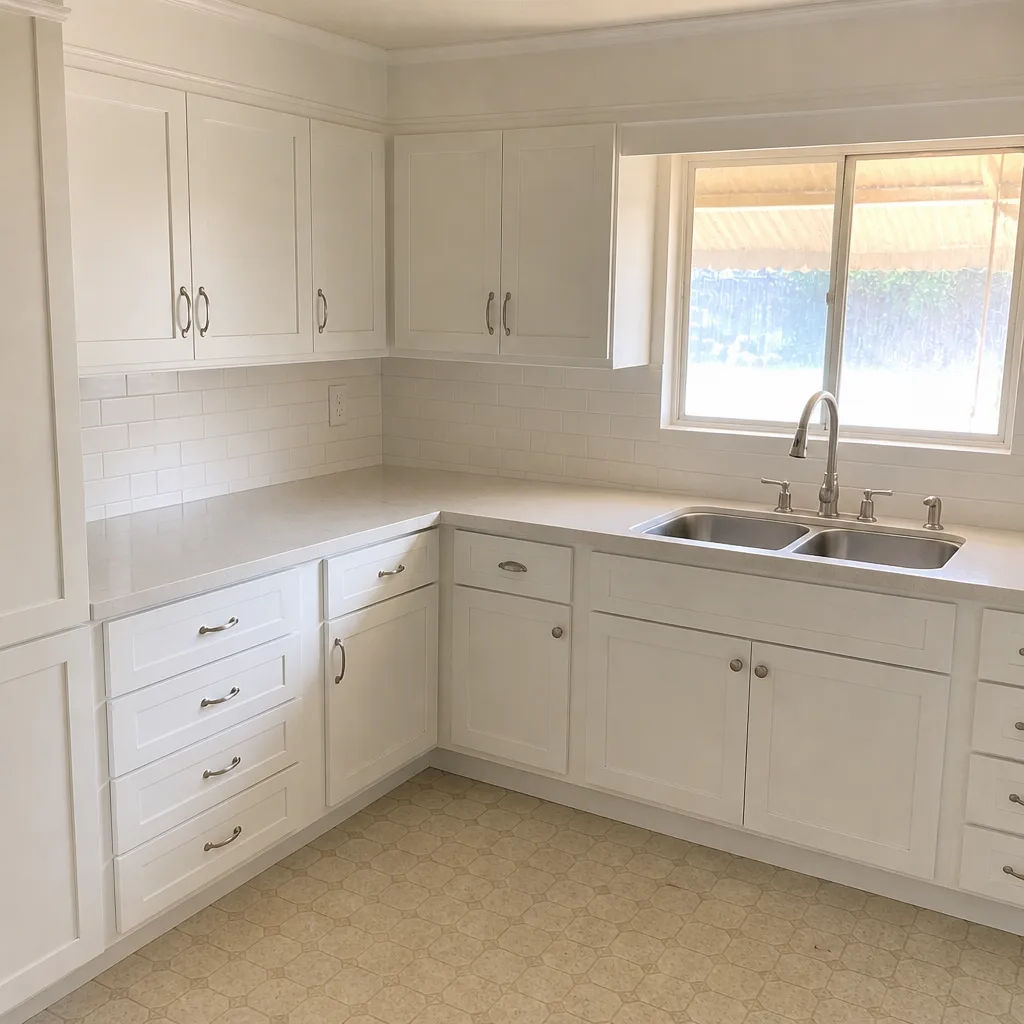 After
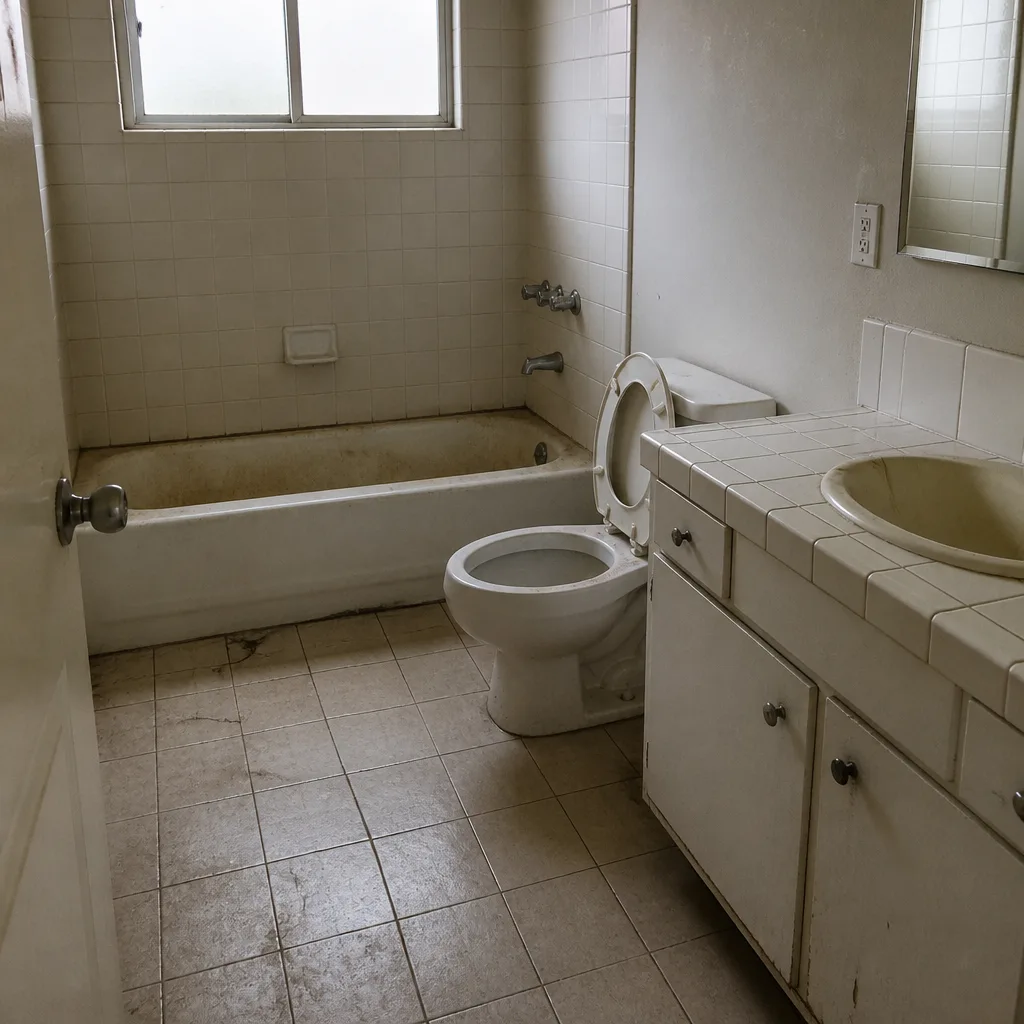 Before
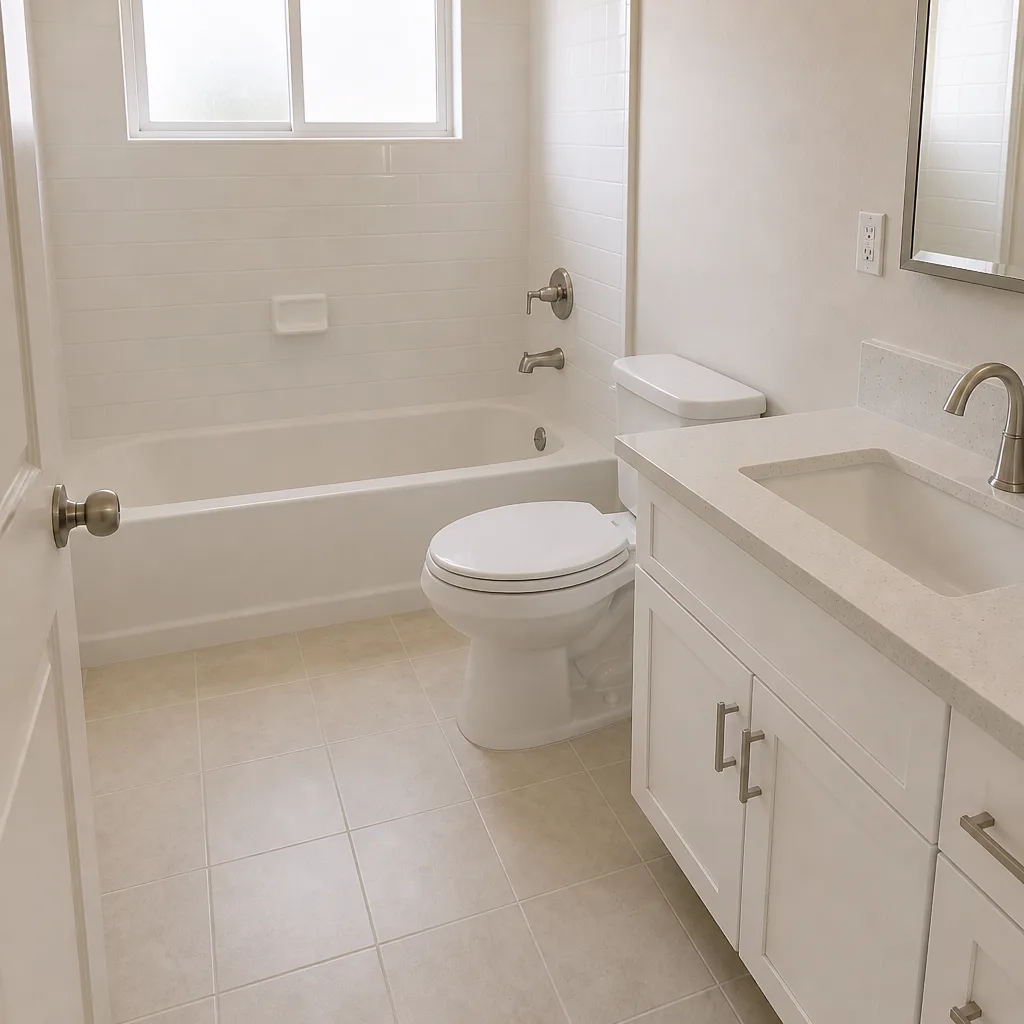 After
When to Call a Professional

Call a professional contractor the moment you’re holding a written estimate you can’t fully read – line items you can’t match to scope, a payment schedule without milestones, a change-order process that isn’t in writing. That’s not a document to sign hopefully; it’s a document to review line by line. If you’ve already signed and construction is underway, bring a second set of eyes to the contract and the first two draws before a third check goes out. Rowan Construction Group Santa Ana offers free estimates in Santa Ana – call (833) 853-5955 to schedule yours, and our team will review a competitor’s written estimate line by line at no charge under our Free Second Opinion offer.
Frequently Asked Questions
The biggest warning signs are contractual: a lump-sum bid with no line items, no subcontractor license numbers, no payment schedule tied to inspection milestones, no change-order clause, and no lien waiver provision. Any one of those missing from a written agreement is a reason to ask hard questions before signing.
Ask for the current general liability certificate and the workers’ compensation certificate, and confirm that you are named as additional insured on the general liability policy. Then call the insurance carrier directly to confirm the policy is active. A contractor who can’t produce both certificates immediately is not ready to be hired.
A mechanic’s lien is a claim recorded against your property by a subcontractor or supplier who wasn’t paid, even if you paid your general contractor in full. It can block a sale or refinance until resolved. A written lien waiver provision in the contract, plus conditional lien waivers collected with each draw, prevents that situation.
File a complaint with the CSLB through its website or by mail, and keep copies of the contract, payment records, change orders, and any correspondence. Separately, you may file a claim against the contractor’s license bond. Both remedies are slower than prevention – the contract clause is what stops the problem before it starts.
Payments should be incremental and tied to inspection milestones – foundation signed off, framing signed off, rough mechanicals signed off, final inspection passed – with a final payment held until substantial completion is defined and confirmed. A schedule built around calendar dates instead of inspections is a red flag.
A $150,000 or $200,000 lump-sum bid gives the contractor unlimited discretion over material grade, subcontractor selection, and how the scope is interpreted. A line-item bid removes that discretion by naming materials, brands, and sub license numbers up front. The number on the page should be an accounting of scope, not a guess wrapped in a promise. Call (833) 853-5955 for a written, line-item quote – estimates are free.
The Bottom Line
The warning signs of a failing ADU project are written into the contract long before the foundation is poured. Six omissions – missing sub license numbers, no inspection-tied payment schedule, no change-order clause, no substantial completion definition, no lien waiver provision, no material specification sheet – account for the majority of the disputes we see. Insurance certificates, a CSLB lookup, and the surveyor’s setback confirmation top the pre-signing checklist. Mid-project, watch for payment requests ahead of schedule and verbal change-order approvals. If you’d like a second set of eyes on any estimate, Rowan Construction Group Santa Ana home is where to start – our team reviews written estimates line by line at no charge, and our 365-Day Done Right Promise applies to every job we take on.
Call Rowan Construction Group Santa Ana at (833) 853-5955 to schedule your free estimate. We quote every addition and ADU with a flat written price and a written scope before work starts, and no change proceeds without a signed change order. That’s Clause 1 of the Haven Standard, and it’s how 4,000-plus projects have finished within a few percent of the agreed price.
Written by the team at Rowan Construction Group Santa Ana.