Last updated November 18, 2026

Free written scope consultation - allowances, timeline, and change-order rules on paper before a single trade is scheduled
Home Additions & ADU Maintenance Schedule: What to Do and When
A detached ADU built in 2024 sitting next to a 1965 main house shares exactly one utility connection point, and that junction is the single highest-probability failure location in the first ten years of the new structure’s life. It appears on no standard home maintenance checklist. The reason is simple: every checklist you’ve ever seen treats a house as one age of materials. An ADU is not. It’s a new building bolted onto an old one, and the seam between them is where maintenance goes to die. This guide gives you a month-by-month first-year calendar for the ADU, separate inspection intervals for old and new assemblies, and the documentation that makes a warranty claim actually work. We build these in Santa Ana and we’ve watched what fails first.
Quick Answer
New ADU construction needs a first-year inspection cycle: caulk and sealant checks at every penetration in months 1, 6, and 12; an HVAC filter baseline swap at month 3; a grading and drainage check after the first rainy season; and a licensed-trade inspection of the shared electrical subpanel, water meter, and sewer lateral at the one-year mark. Your existing main house stays on its own longer cycles. The two schedules are not the same and should never be merged.
Styles & brands we work with
- Kitchen remodeling
- Bathroom remodeling
- Home additions & ADU
- Roofing
- Windows & doors
- Driveway & pavers
- Fence
Table of Contents
- Why an ADU Has Two Ages of Maintenance
- The Year 1 Month-by-Month Calendar
- The Shared Utility Connection Points
- How ADU Intervals Differ From the Main House
- The Warranty File Every Homeowner Should Keep
- Habitability Compliance for Rental ADUs in Santa Ana
- Seasonal Reality in Santa Ana
- The Maintenance Log That Saves You Money
Why an ADU Has Two Ages of Maintenance
When you hire us for Home Additions & ADU in Santa Ana, the first thing we do is separate the new structure from the old one on paper. That separation is not bureaucratic. It determines when things get inspected, what warranty applies, and who pays when something fails.
A 2024 ADU has new shingles under a manufacturer’s installation defect warranty, new dual-pane windows under a sealed-unit warranty, and a new mini-split or central system under an equipment warranty. The 1965 main house next door has none of that. Its roof is likely on its second or third layer. Its windows are original aluminum sliders. Its electrical panel may predate grounded outlets.
Those two sets of materials age at different rates and fail for different reasons. New construction fails in year one or two, from installation defects and material flaws. Old construction fails in year fifteen or twenty, from wear. If you apply a new-building inspection schedule to an old building, you waste money on inspections that find nothing. If you apply an old-building schedule to a new ADU, you miss the installation defects while they’re still covered.
Here in Santa Ana, the temperature swing between an inland summer afternoon and a coastal evening is enough to work sealant joints hard. The expansion and contraction cycle is real and it starts on day one. That’s why the first year matters more than any other year of the ADU’s life.
The Year 1 Month-by-Month Calendar
This is the schedule we hand over at project close. It is specific to new ADU construction and it assumes the ADU was completed in late spring or summer, which is the typical Santa Ana build-out window.
- Month 1 – Caulk and penetration inspection. Walk the exterior with a flashlight and check every penetration: hose bibs, dryer vents, electrical conduit entries, HVAC line sets, and the flashing around every window and door. Sealant shrinks as it cures. Small gaps appear in the first 30 days that will not appear again. Photograph each one before and after touch-up.
- Month 3 – HVAC filter baseline. Change the filter and write the date and the filter size on the unit with a marker. This is your baseline for every future filter change. If the return grille is undersized, you’ll see the filter loading fast within two cycles.
- Month 6 – Second caulk pass and door/window operation check. Open and close every window and exterior door. Note any that stick. Sticking in month six usually means settling or a hinge adjustment, both minor now and expensive later.
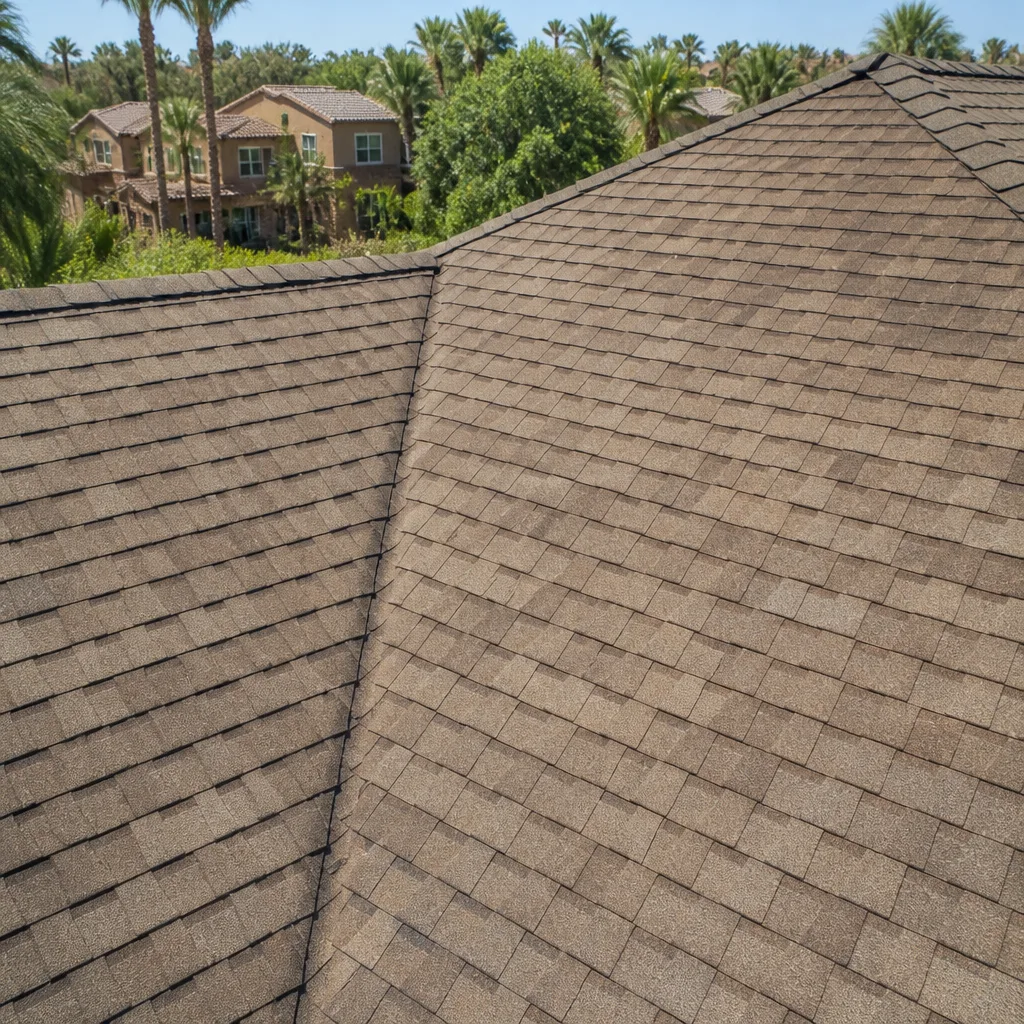
- Month 9 – Roof and gutter inspection. Before the rainy season, have the roof inspected for installation defects. Lifted shingle tabs, exposed fasteners, and improperly sealed pipe boots all show up in the first year and all fall under the installer’s workmanship warranty.
- Month 12 – First rainy-season grading check, plus licensed-trade inspection of shared utilities. After the first significant rain, walk the perimeter and look for ponding, soil erosion at the foundation line, and any water staining inside the ADU at the base of walls. Then have a licensed electrician inspect the subpanel and a licensed plumber inspect the water meter and sewer lateral. This is the most important inspection of the ADU’s life.
After year one, the ADU moves to an annual cycle: caulk once a year, roof inspection every three years, HVAC service every year, and a shared-utility inspection every year.
The Shared Utility Connection Points
This is the section no other maintenance guide covers, and it’s the one that matters most. An ADU doesn’t get its own service from the street in most Santa Ana installations. It ties into the main house’s service at three points, and each one needs an annual inspection by a licensed trade.
The electrical subpanel
The ADU is fed from a subpanel, either mounted on the main house or on the ADU itself, fed by a feeder from the main service panel. An annual electrical inspection should document: the amp rating of the subpanel and the feeder, the torque on the main lugs (they loosen), the condition of every breaker, whether any breaker shows heat discoloration, and whether the GFCI and AFCI breakers trip when tested. The electrician should give you a written report with photos. If a breaker is warm to the touch, that’s a finding, not a nuisance.
The water meter and main shutoff
The ADU shares the main house’s water meter unless a separate meter was installed. An annual plumbing inspection should document: the meter reading, any leak at the meter yoke, the condition of the main shutoff valve (test it, don’t just look at it), the pressure at a hose bib on each structure, and whether the ADU has its own shutoff. If it doesn’t, that’s a project worth doing. When a supply line fails at 2 a.m., you want to isolate the ADU without killing water to the main house.
The sewer lateral
The ADU’s drain ties into the main house’s sewer lateral at a wye fitting underground. An annual inspection should document the cleanout location, a camera inspection every three to five years, and the flow test at the furthest fixture. Slow drains in the ADU that don’t respond to plunging are usually a sign of a belly or a root intrusion at the shared lateral, not a clog in the ADU’s own branch.
Every one of these is a licensed-trade inspection. None of it is DIY. Electrical panels and gas lines are genuinely dangerous, and sewer laterals require camera equipment you don’t own. We flag that plainly because a homeowner with a screwdriver and good intentions is exactly who gets hurt on a live panel.
How ADU Intervals Differ From the Main House
The single most common maintenance error we see is applying the new structure’s schedule to the old one, or the reverse. Here’s the split in plain terms.
- New ADU roof (0-3 years old): inspect at year one for installation defects, then every three years. Installation defects declare themselves early or they don’t happen.
- Main house roof (15+ years old): inspect every three years, not every year. An older roof is failing from wear, and a three-year cycle catches granule loss, flashing failure, and ponding before it becomes a leak. If it’s on its second layer, add a five-year cycle check of the layer count.
- New ADU windows: sealed-unit failure (fogging between panes) usually shows up in years two through five. Inspect annually during that window, then every three years.
- Main house windows (original aluminum): inspect every two years for glazing seal failure and frame corrosion at the sill.
- New ADU HVAC: annual service from year one. The equipment warranty typically requires documented annual service, so skipping it can void the coverage.
- Main house HVAC (10+ years): annual service too, but the focus shifts from warranty compliance to refrigerant charge and heat exchanger inspection.
That distinction alone is worth the price of a maintenance contract. Most homeowners can’t tell you which roof is which, and neither can most generalists.
The Warranty File Every Homeowner Should Keep
Warranties fail for one reason: the homeowner can’t produce the paperwork. A manufacturer’s window warranty that requires proof of purchase and a service log is worthless if you can’t find either. Build the file before you need it.
- Manufacturer warranties on windows and doors. File the brand documentation, the model and series numbers, and the purchase date. Note the sealed-unit coverage period. It’s usually longer than the frame coverage and it’s the one that gets claimed.
- Roofing manufacturer warranty. File the shingle documentation and the installation date, plus the name of the installing contractor. If the product is a GAF or Owens Corning system, the warranty is often tied to the installer’s certification level, so the installer’s name is part of the paperwork.
- HVAC equipment warranty. File the equipment documentation and the serial number. Register the product with the manufacturer, because unregistered equipment often gets a shorter default warranty.
- Contractor workmanship warranty terms. File the written workmanship warranty and read the exclusions. Under the Haven Standard, the written warranty is a deliverable on every job, not an add-on. If a contractor can’t show you one before work starts, that’s a signal.
- How to make a claim. Document the problem with photos and dates, call the manufacturer or contractor, and reference the warranty file. Most claims fail on the first photo or the first missing date.
Under Clause 1 of the Haven Standard, the written price and scope are delivered before anyone starts. That same document is your warranty anchor. Keep it.
Habitability Compliance for Rental ADUs in Santa Ana
If you’re renting the ADU, maintenance becomes a compliance obligation, not just a good habit. Santa Ana’s rental housing rules and California habitability law both apply, and both require documentation a homeowner can produce on demand.
- Smoke and carbon monoxide detector testing logs. Test monthly, record the date and result. Battery changes get a date too. A tenant complaint that turns into an inspection will ask for the log.
- GFCI outlet function. Test every GFCI receptacle monthly using the test button and record it. In an ADU, kitchen and bathroom circuits are GFCI-protected, and a failed GFCI is a habitability issue, not just a nuisance trip.
- Egress window clearance. Every sleeping room needs an operable egress window with the clear opening kept free. Tenants stack furniture in front of them. Inspect quarterly and document that the opening is clear.
- Water heater temperature and seismic strapping. Document the set point and the strap condition annually. Santa Ana sits in a seismic zone and strapping is part of the habitability standard.
- Mold and moisture log. Any water intrusion gets logged with a photo and a remediation date. Untreated moisture claims are the most expensive habitability complaints you can face.
Build the log as a single spreadsheet. Date, item, result, photo reference. It takes 20 minutes a month and it is your defense if a dispute ever happens.
Seasonal Reality in Santa Ana
Santa Ana’s climate is mild, but mild is not the same as forgiving. The rainy season runs roughly November through March, and that’s when the ADU’s grading and drainage get tested. If the ADU pad was set too low, or the swale between it and the main house drains toward the structure instead of away, you’ll see the first evidence during the first soak. Check grading in December, not August.
Summer brings dry heat and long UV days, which is when sealant at west- and south-facing penetrations degrades fastest. That’s why the annual caulk pass belongs in the spring, before the heat cycle begins, not after. If you’ve added Driveway & Pavers in Santa Ana between the ADU and the main house, check the paver joint sand after the rainy season too. Water that ponds on the pavers is water that’s not draining, and it will find the ADU foundation eventually.
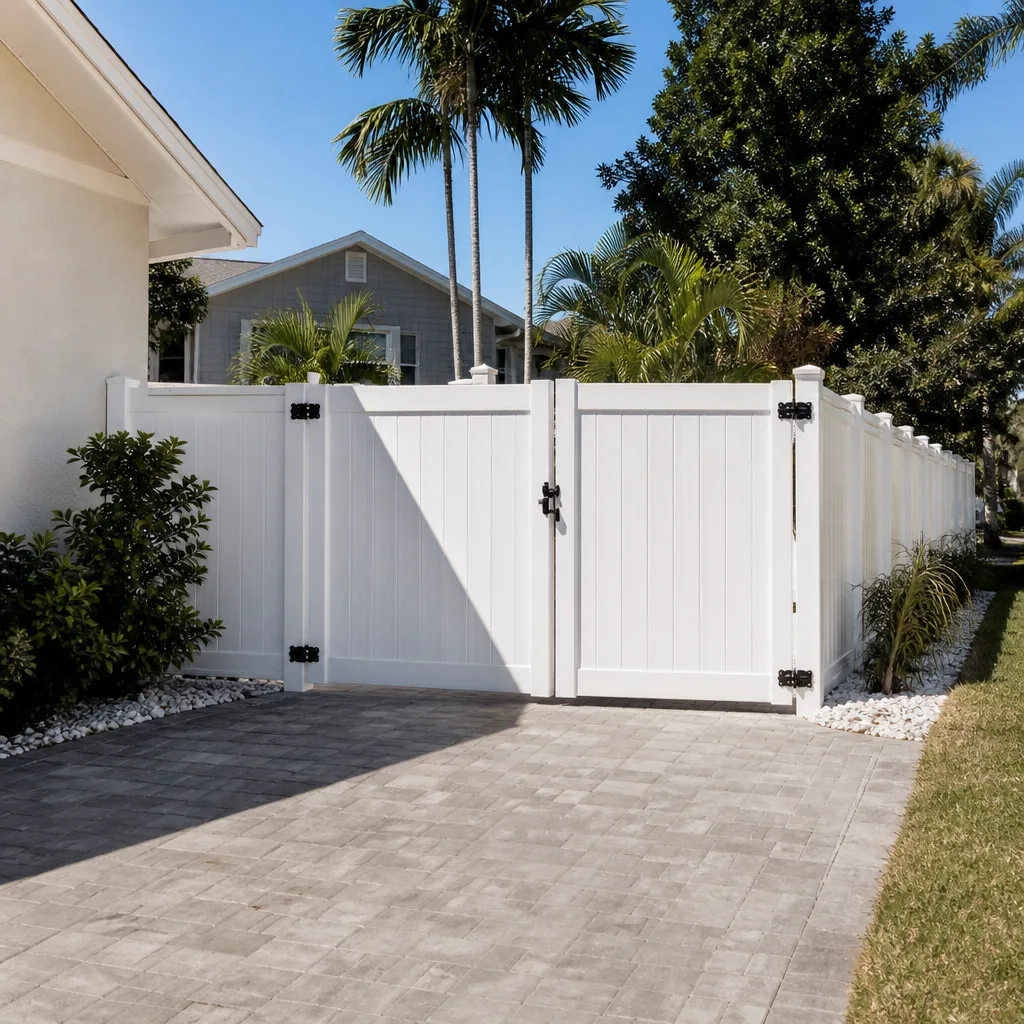
Wind events are the third seasonal factor. The Santa Ana winds are dry, fast, and they drive debris against the ADU’s exterior. After any significant wind event, check the roof for lifted tabs and the fence line for racked posts. If you have a fence separating the ADU from the main structure, a good Fence Installation in Santa Ana will hold up, but the gates are the first thing to sag.
The Maintenance Log That Saves You Money
Every visit we make includes a documented photo record as a standard deliverable. The customer leaves with evidence of what was found and what was done, and that photo record goes into the same file as the warranty documents. That’s the whole system: a warranty file, a maintenance log, and a photo record. Three folders.
When you sell the ADU property, that file becomes a marketing asset. A buyer’s inspector will ask when the roof was last inspected and whether the subpanel was serviced. A documented answer is worth more than a verbal one. If you ever make a warranty claim, the photo record is the difference between a covered repair and an out-of-pocket one. For an overview of how the trades connect, see our Rowan Construction Group Santa Ana home page.
Common Mistakes to Avoid
- Applying the main house schedule to the ADU and vice versa. The new roof needs a year-one inspection; the 15-year-old roof needs a three-year cycle. Most homeowners flip them and miss the warranty window on the new construction.
- Skipping the month-one caulk check. Sealant shrinks as it cures and the first 30 days are the only time the gaps are small. In Santa Ana’s dry heat, a missed caulk joint at a hose bib becomes a stucco repair.
- Not testing the main shutoff valve. A shutoff that won’t close when you need it turns a small supply leak into a flooded ADU. Test it annually and replace it if it’s stiff.
- Ignoring the grading after the first rain. Ponding at the ADU foundation line is a grading problem, not a drainage problem, and it’s much cheaper to fix in year one than year five.
- Losing the manufacturer warranty paperwork. Unregistered HVAC equipment and undocumented window serial numbers get denied. File the documents in month one.
- Over-tightening the shared subpanel lugs on your own. Loose lugs arc and tight lugs crush conductor strands. This is a licensed electrician’s task and a genuinely dangerous panel to open yourself.
- Never documenting the rental compliance items. A smoke detector test you performed but didn’t log is a test you can’t prove. The log is the compliance.
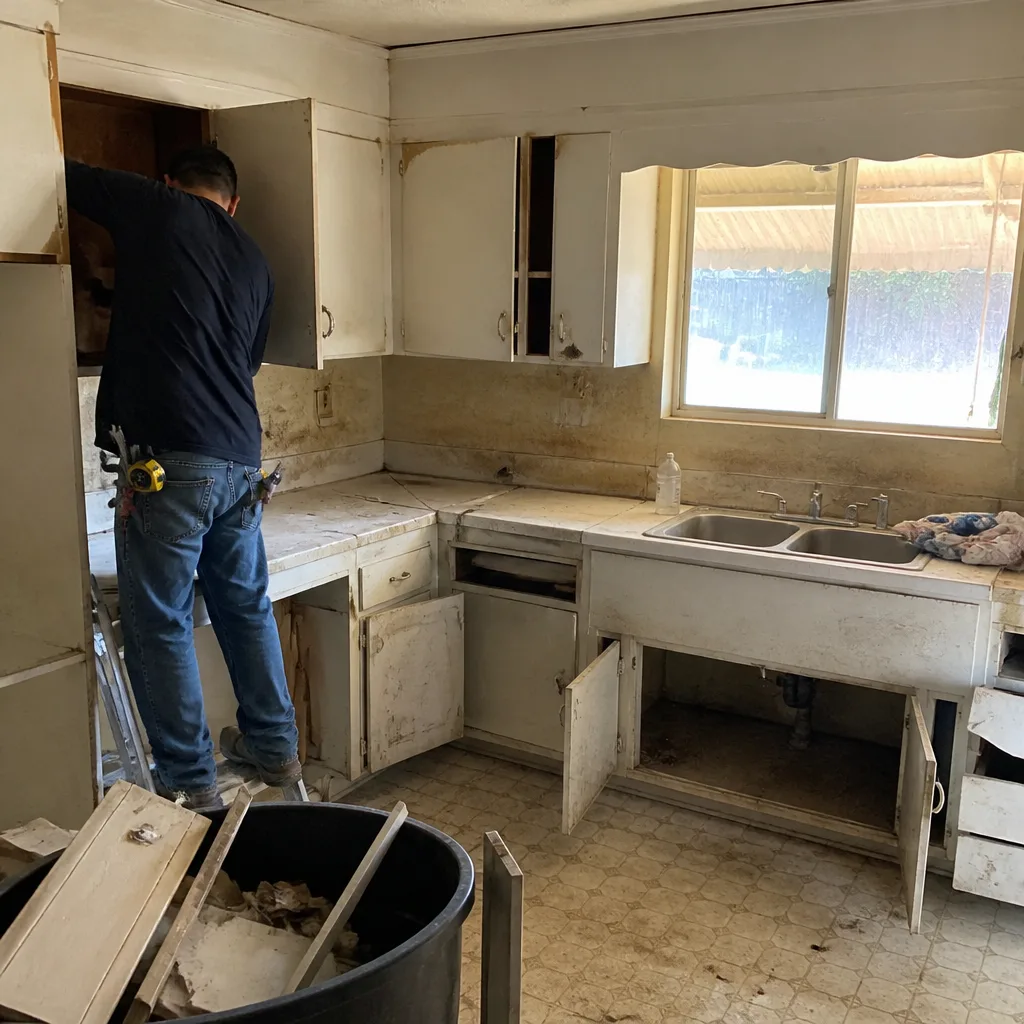
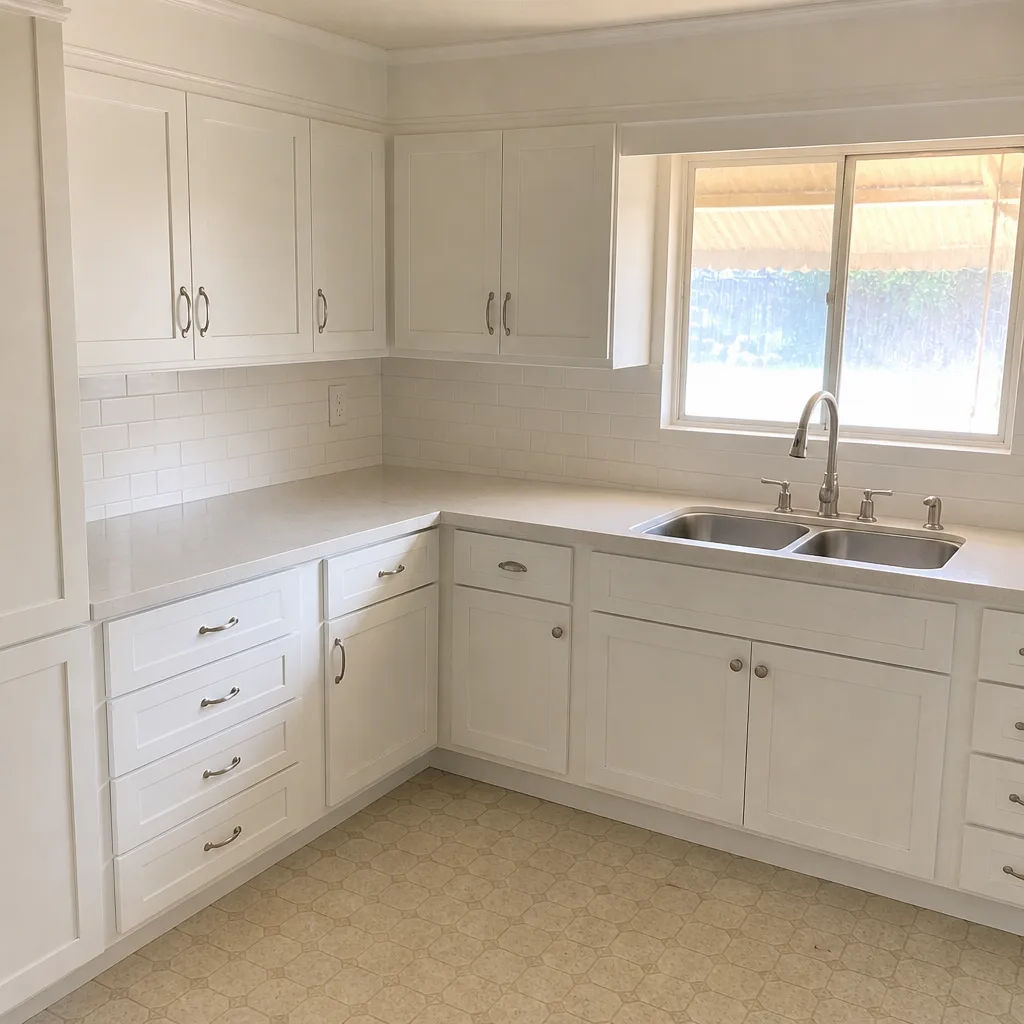
See the difference
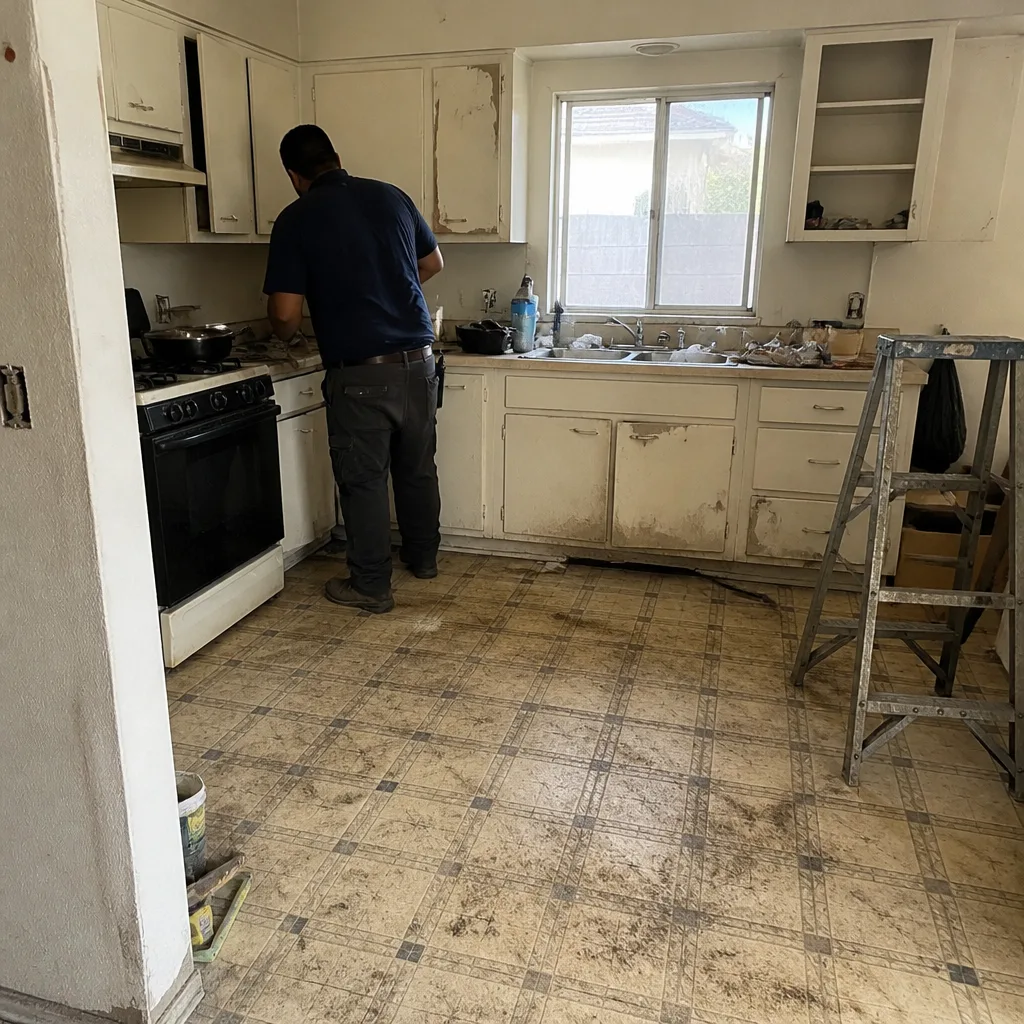 Before
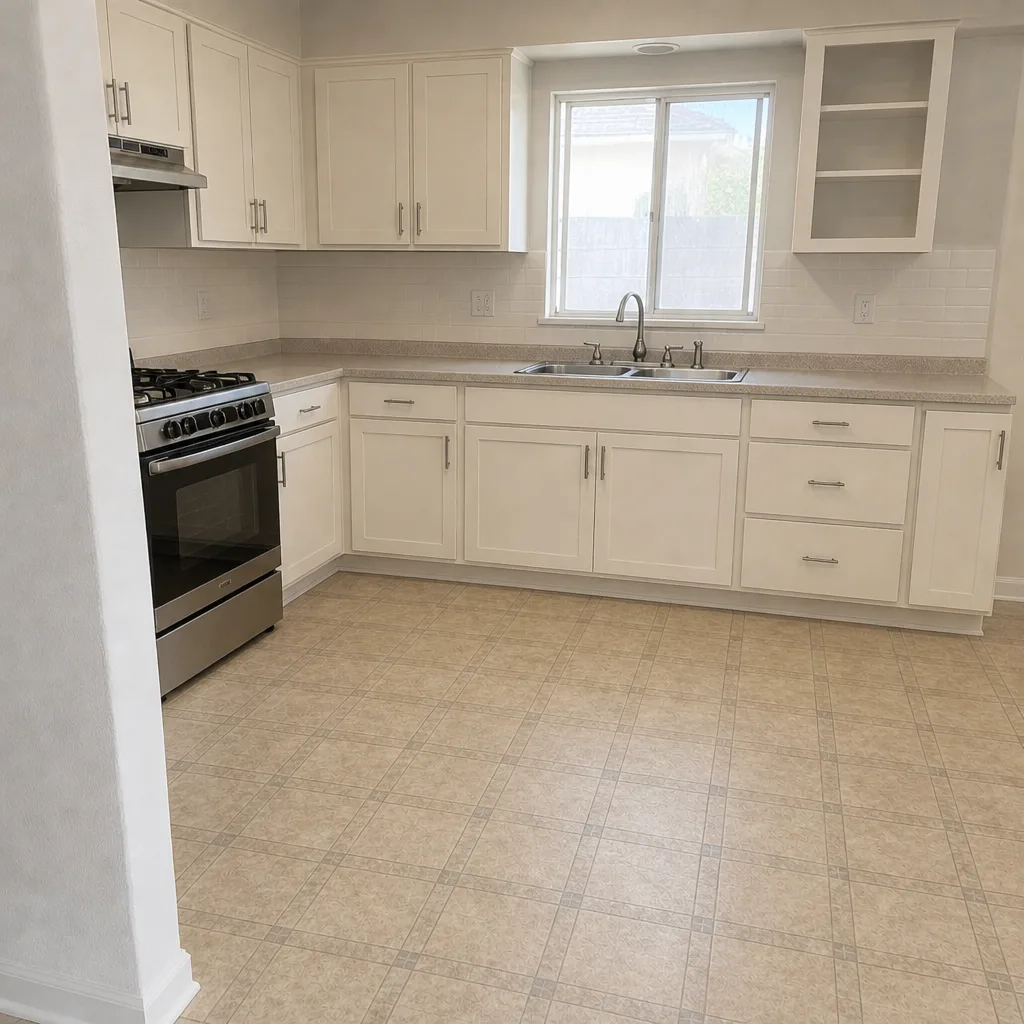 After
 Before
 After
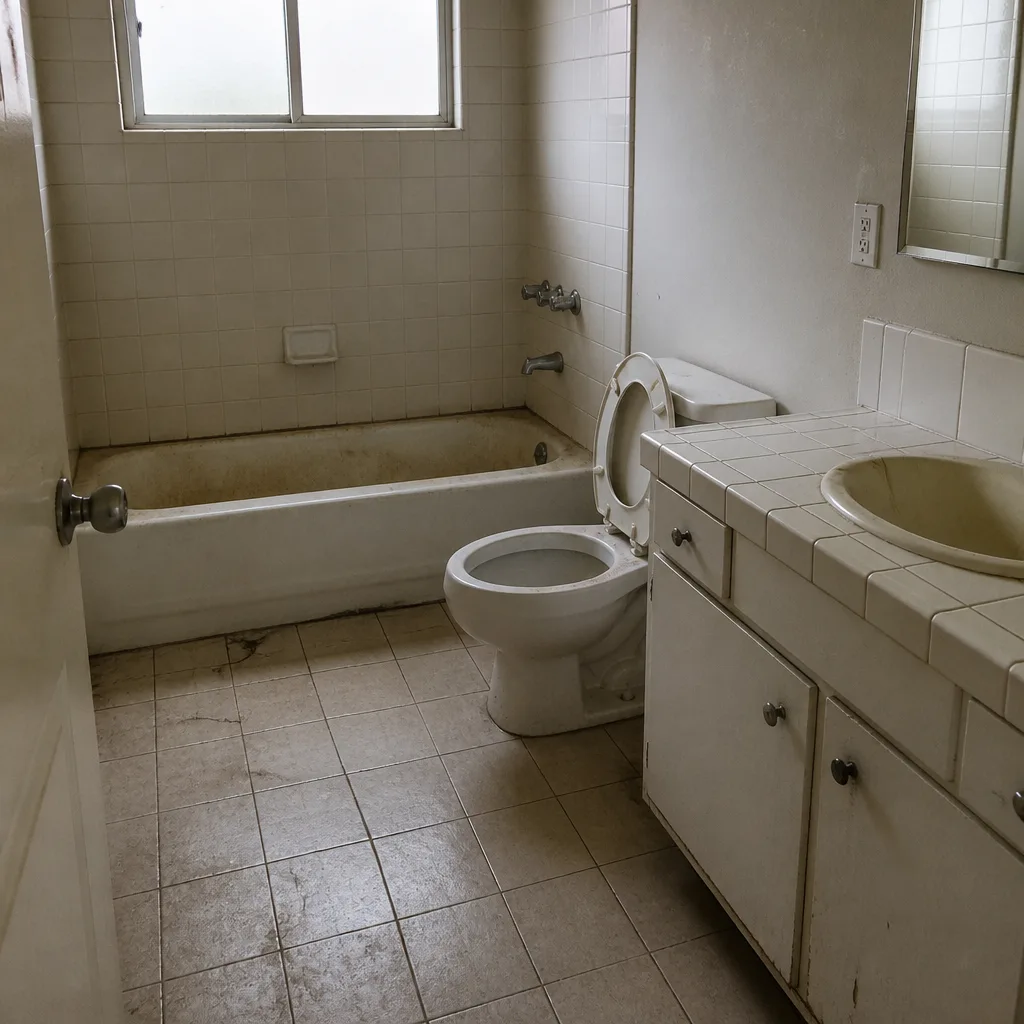 Before
 After
When to Call a Professional
Call a licensed professional for anything involving the electrical subpanel, gas lines, or the sewer lateral. Those are the three components where a DIY repair can injure someone, and they’re also the three that an untrained eye reads as fine until the failure is expensive. Call us when the month-twelve inspection is due, when the first rain leaves a stain at the base of an ADU wall, when a breaker runs warm, or when a warranty claim needs documentation you don’t have. Rowan Construction Group Santa Ana offers free estimates in Santa Ana and a free second opinion on any written estimate you already have. Call (833) 853-5955.
Frequently Asked Questions

Every year for the first year, then annually for the shared utility connections and HVAC, with caulk checks annually and roof inspections every three years. The first year is the most important because installation defects declare themselves early and stay under warranty.
The shared utility connection points, especially the electrical subpanel feeder and the sewer lateral wye, are the highest-probability failure location in the first ten years. The building itself rarely fails. The tie-in to the old house does.
Yes. A 15-year-old roof needs a three-year inspection cycle, while a new ADU roof needs a year-one inspection for installation defects. Merging the two schedules means missing warranty coverage on the new structure and over-inspecting the old one.
The written warranty terms, the written scope from the original quote, dated photos of the problem, and the maintenance log. Under the Haven Standard, the written warranty is a deliverable on every job and the photo record is included on every visit, so the file starts complete.
Yes. Smoke and carbon monoxide detector testing logs, GFCI test records, egress window clearance checks, water heater strapping condition, and a mold and moisture log are the core items. Keep a single dated spreadsheet and update it monthly. Call (833) 853-5955 to schedule an inspection that produces a written record.
Yes, the caulk and filter work is homeowner-level and we encourage it. The electrical subpanel, gas lines, and sewer lateral are not; those require a licensed trade and a written inspection report. Don’t open a live panel yourself.
The Bottom Line
An ADU and an older main house are two different ages of materials sharing one connection point, and the maintenance schedule has to respect that split. First-year inspections catch installation defects while they’re still under warranty. The shared subpanel, water meter, and sewer lateral get an annual licensed-trade inspection with a written report. The warranty file and the maintenance log turn a future claim into a covered repair instead of an argument. Keep three folders, inspect the new structure tightly and the old one on its own cycle, and the ADU stays a quiet asset instead of a deferred maintenance bill. Call (833) 853-5955 for a free estimate and we’ll put the numbers in writing before anything starts.
Written by the team at Rowan Construction Group Santa Ana.