Last updated November 18, 2026
Free written scope consultation - allowances, timeline, and change-order rules on paper before a single trade is scheduled
DIY vs Professional Construction: The Santa Ana Homeowner’s Decision Guide
In California, a homeowner who pulls their own permit and does their own work is legally classified as an owner-builder. That single status change voids most material warranties, gets flagged by title companies during resale, and can require a disclosure statement that reduces your home’s appraised value. This guide gives Santa Ana homeowners the framework the DIY blogs leave out: permit exposure, warranty voidance, and resale documentation. You’ll learn which projects California law actually lets you DIY, how to run a real cost comparison (not a labor-rate guess), and where the legal risk quietly outweighs the savings.
Quick Answer
For most Santa Ana homeowners, professional construction makes more sense than DIY when the project touches structure, electrical, plumbing, roofing, or gas, because owner-builder permits void material warranties and create resale disclosure obligations under California Civil Code §1102. DIY is genuinely smart for cosmetic, non-structural, non-mechanical work below the permit threshold, like interior paint, tile backsplash over sound substrate, or swapping a light fixture on an existing circuit.
Styles & brands we work with
- Kitchen remodeling
- Bathroom remodeling
- Home additions & ADU
- Roofing
- Windows & doors
- Driveway & pavers
- Fence
Table of Contents
- What the owner-builder permit means in California
- The warranty you void when you DIY
- The honest four-line cost comparison
- What title officers see at resale
- Santa Ana climate and the trades it punishes
- Where DIY genuinely makes sense in Santa Ana
- Common mistakes to avoid
- When to call a professional
What the owner-builder permit means in California
When you pull a building permit as a homeowner doing your own work, you file with the city as an owner-builder. This is a legal classification, not a checkbox. Under California Business and Professions Code §7044, an owner-builder must occupy the property for at least 12 months after completing the work, and cannot sell the home during that window without disclosing the work was self-performed. That’s the first trap. The second is what it triggers under Civil Code §1102, the statute that governs real estate transfer disclosures.
In practical terms, owner-builder status means:
- You become the responsible party. If the work fails an inspection, the city inspector comes back to you, not to a licensed contractor with workers’ comp insurance.
- You assume the liability. A contractor carries general liability and workers’ comp. On an owner-builder permit, that’s you, your homeowner’s policy, and whatever savings you tucked away. Right now that means checking that your homeowner’s policy would even cover construction defects on your own work – most don’t.
- You handle the permit sign-offs yourself. This includes scheduling inspections with the Santa Ana Building Division, which has its own inspection queue and its own documentation requirements.
- You assume the disclosure obligation. At resale, you’ll need to disclose the self-performed work under §1102. Contractors who pulled the permit show a clean record instead.
See how a professionally documented project reads on a resale package through the Rowan Construction Group Santa Ana home page. The difference between an owner-builder permit and a contractor-held permit is the paper trail the buyer’s agent will ask for.
The warranty you void when you DIY
Material warranties are written for professional installation. Read the small print on any box at a Santa Ana building supply house and you’ll find language like “warranty valid when installed by a licensed contractor” or “manufacturer’s labor coverage applies only when installation is performed by a qualified installer.” DIY installation doesn’t just cancel the labor warranty – it can void the product warranty entirely. Here’s how that plays out across the five most common material categories in Santa Ana:
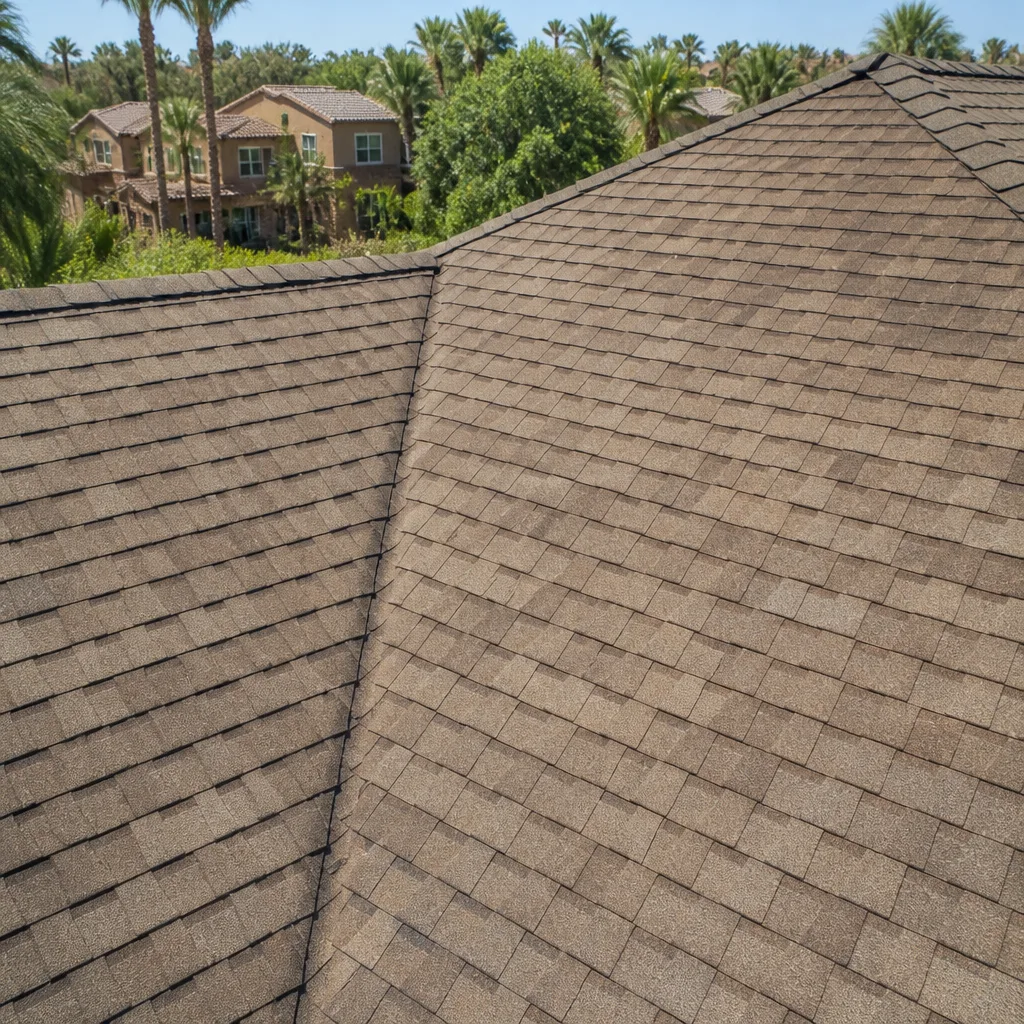
- Roofing. GAF, Owens Corning, and most asphalt shingle manufacturers offer 25- to 50-year material warranties, but only when installed by a certified contractor following their published installation spec. In Santa Ana’s heat, a shingle that fails at year 6 because the underlayment was installed wrong costs $12,000 to $18,000 to redo on a 2,000-square-foot roof – and none of that comes back from the manufacturer.
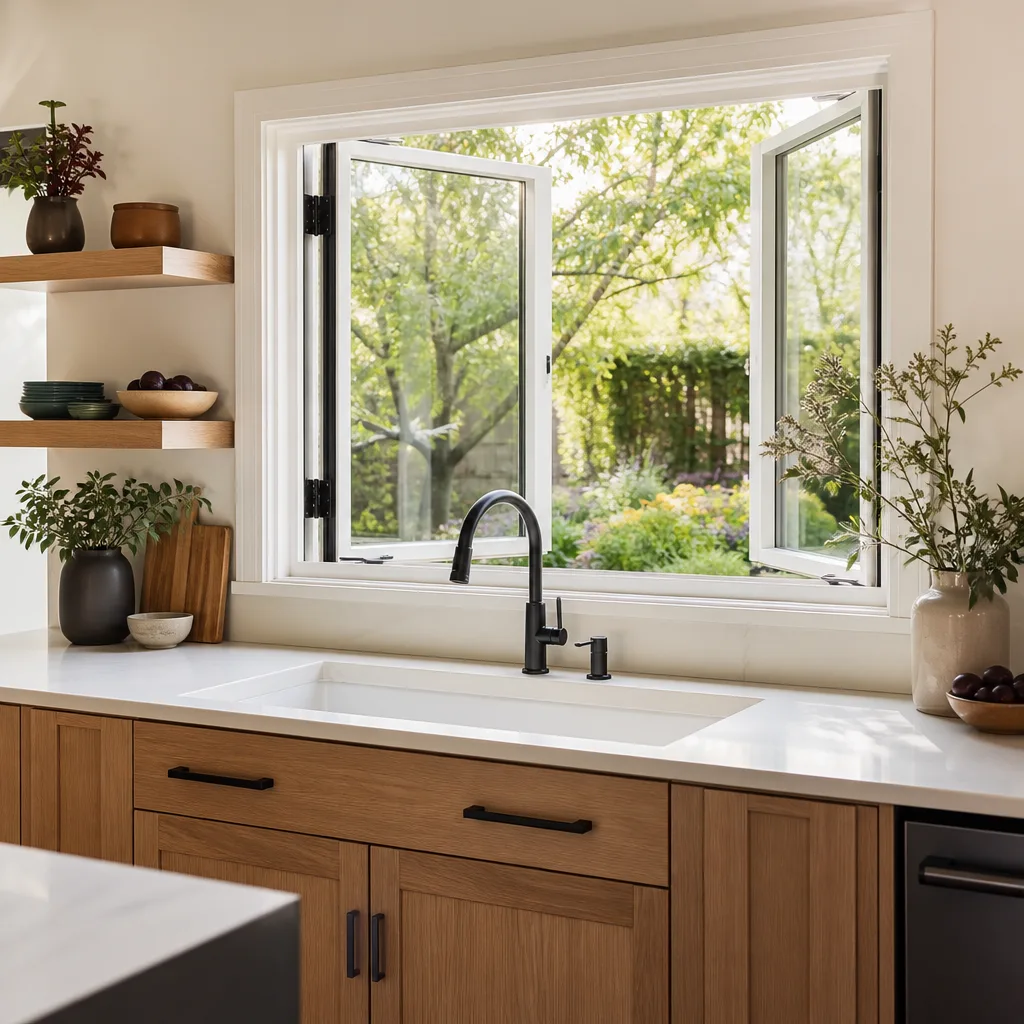
- Windows and doors. Replacement window warranties from makers like Milgard and Anlin cover the glass unit and the frame. That coverage assumes a licensed installer followed the published rough-opening and flashing spec. A leak inside the wall cavity at year 4 voids the warranty and, worse, is invisible until the drywall stains.
- HVAC systems. A new condenser or furnace carries a manufacturer’s parts warranty that in most cases requires a licensed and EPA-certified installer to activate. DIY HVAC voided the warranty is the single most expensive DIY mistake we see, because a proper refrigerant recharge and startup is a licensed-activity requirement in California anyway.
- Water heaters. Tank and tankless water heaters – including Rinnai and Navien units – require a permit and a licensed installation in Santa Ana, and their warranties typically include a labor allowance only when a licensed plumber installs. That labor allowance is what actually covers you if the unit fails in year 3.
- Flooring. LVP, hardwood, and tile carry moisture, subfloor-flatness, and acclimation specs that manufacturers track in the warranty. Install over a subfloor that’s out of tolerance and the buckling at month 8 gets denied.
Under Clause 1 of the Haven Standard, the price is written before anyone starts – and the written warranty you receive on a Rowan project documents which manufacturer warranties attach and which are excluded.
The honest four-line cost comparison
Most DIY-versus-hire calculators compare a contractor’s hourly rate to nothing, which produces a fantasy savings number. The honest comparison has four lines: contractor price, permit fee difference, tool rental and material overage, and time cost.
Contractor price isn’t just labor – it’s the labor plus general liability, workers’ comp, the truck, the tools, the disposal, and the warranty you get in writing. Permit fees don’t drop when you DIY, and an owner-builder permit sometimes costs more because the city inspects in phases you may not be familiar with. Tool rental for a one-off project runs $80 to $400 depending on the trade. Material overage on a DIY job runs 10% to 20% because you buy the wrong lengths, the wrong blade, the wrong fastener count, and pay retail instead of contractor pricing.
Time cost is the number nobody wants to write down. A tile job that a crew finishes in three days takes a first-time installer three to four weekends, which is 24 to 32 hours of Saturdays.
Applied to three common Santa Ana projects:
Bathroom refresh (vanity, tile, fixtures)
- Professional range in Santa Ana: $9,000 to $16,000 for a full bath remodel, or $2,200 to $4,000 for a cosmetic refresh.
- DIY savings if all goes right: roughly $1,200 to $2,000 after tool rental, overage, and permit fees.
- DIY exposure if the tile membrane fails: $4,500 to $8,000 to demo and redo, with a denied warranty.
Wood fence replacement
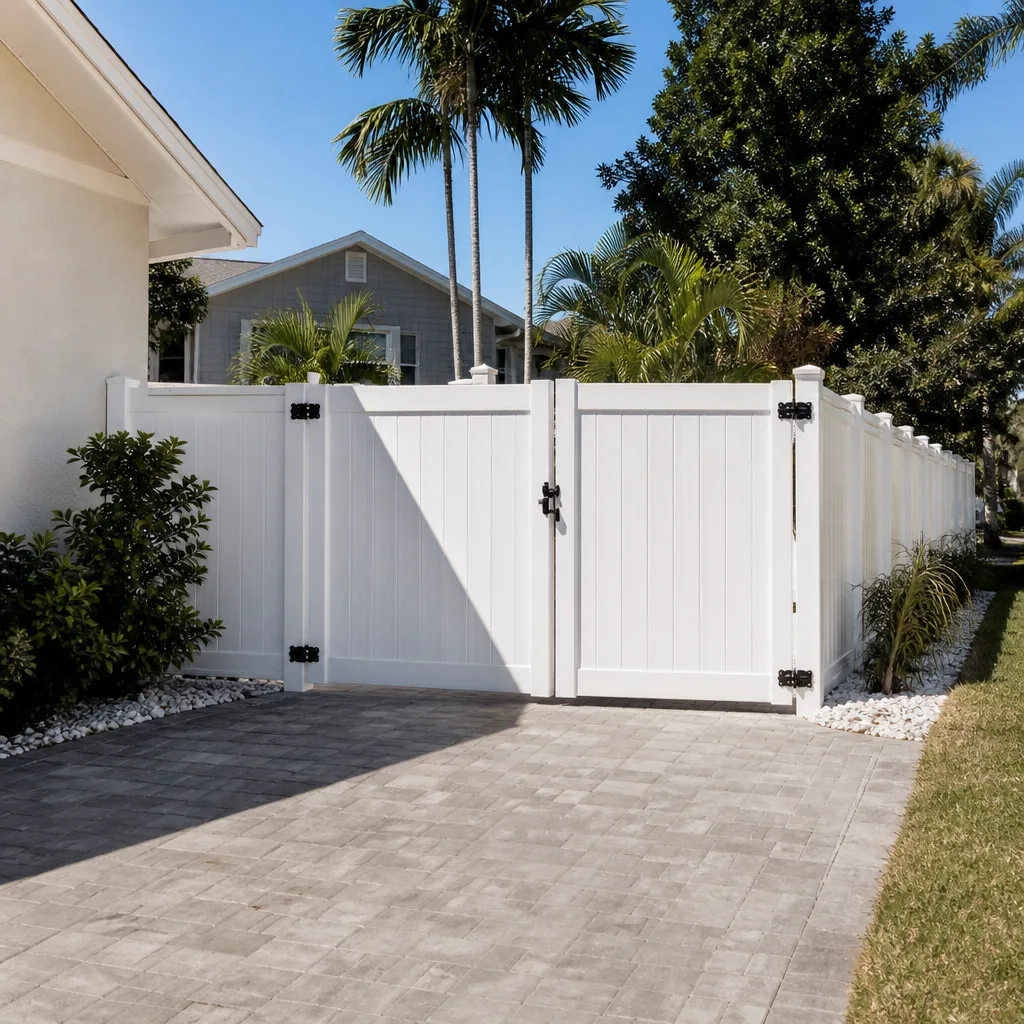
- Professional range: $22 to $45 per linear foot, so $3,300 to $6,750 for 150 feet.
- DIY savings: roughly $1,100 to $2,000.
- DIY exposure: nothing structural, but the Santa Ana winds during a Santa Ana wind event will test every post you set. One failed run in year 2 costs more than the savings.
Driveway repaving
- Professional range: $6 to $14 per square foot for pavers, so $5,400 to $12,600 for a standard Santa Ana driveway.
- DIY savings: near zero. The base prep and compaction are the cost, and the tooling alone is prohibitive.
Notice where the case for DIY collapses. See the numbers per square foot on the Driveway & Pavers in Santa Ana page. See the per-foot fence math on the Fence Installation in Santa Ana page.
What title officers see at resale
When you sell a Santa Ana home, the title officer and the buyer’s agent ask one question about every improvement: is it permitted, is it inspected, and is it documented? Three answers matter and they have very different consequences.
- Licensed contractor work. Permit on file with the city, inspection sign-offs recorded, warranty paperwork in a folder. The buyer’s lender treats the improvement as adding value. The appraisal supports it.
- Owner-builder work. Permit on file but inspection responsibility was yours; disclosure required under Civil Code §1102; some lenders ask for an extra inspection or a repair credit; the appraisal may discount the work because the paper trail is thin.
- Unpermitted work. No permit, no record, and if discovered at inspection, the buyer’s lender can require a retrofit permit or a price reduction. In Santa Ana, converting a garage to living space without a permit is the most common version of this, and it’s usually found out by the buyer’s inspector in the first 30 days.
In our experience on Santa Ana resale packages, the fastest way to lose $15,000 in negotiations is a garage conversion or an addition that an inspector can’t find a permit for. An ADU done right, by contrast, is one of the cleanest value-adds a Santa Ana homeowner can hand a buyer – see how Home Additions & ADU in Santa Ana works when the permit record is the point. Modular units from makers like Dvele and Plant Prefab are factory-built, but the on-site permit, foundation, and utility connections are still a licensed, inspected job.
Santa Ana climate and the trades it punishes
Santa Ana sits in a coastal-inland transition zone where the marine layer arrives in the morning, burns off by noon, and the afternoon dries to a low-humidity 80s heat most of the year. That’s forgiving for some trades and brutal for others, and the difference matters for the DIY call.
Roofing is the trade the climate punishes hardest. UV exposure is high year-round, thermal cycling between cool mornings and hot afternoons works the sealant, and the Santa Ana winds push every shingle tab harder than an inland or coastal zip. A shingle installed by a first-timer without the right nail pattern and a proper underlayment re-failure rate is high – we regularly see spring wind-lift failures on DIY roofs installed 3 to 5 years earlier. Roofing also puts you on a ladder over a 5:12 or steeper pitch, and that’s an injury risk that no savings justifies.
Fences fail on the same wind. Post depth, concrete set, and fastener pattern matter more in Santa Ana than almost anywhere in the county, and a fence set at 18 inches instead of 24 will lean after the first strong wind event. Pavers on the other hand handle the climate well if the base is compacted correctly, which is exactly the part most DIY installs skip.
Windows and doors take the marine-layer moisture and the coastal dust, and the flashing detail is where the leaks occur. HVAC has the easiest DIY case for cleaning and filter changes, and the worst for replacement – a swap requires a permit, an EPA-certified tech, and warranty activation. Water heaters in Santa Ana require a permit under the city’s plumbing code and a licensed install for the warranty to attach.
Where DIY genuinely makes sense in Santa Ana
There’s a narrow category where DIY clears the legal and financial bar. It’s all cosmetic, non-structural, non-mechanical, and below the permit threshold. Specific examples that truly work:
- Interior paint. No permit, no warranty issue on the product beyond the paint itself, and the labor is 70% of the professional cost. Fastest DIY win available.
- Baseboard, shoe molding, and trim carpentry. Cosmetic, removable, and easily redone. No permit, no warranty exposure worth naming.
- Tile backsplash over an existing sound substrate. The caveat is “sound substrate” – if the drywall moves or the wall isn’t flat, plate the job off to a pro.
- Closet shelving, hanging rods, and freestanding storage. No permit, no structure, reversible.
- Light fixture swap on an existing circuit. Replacing a fixture is fine. Adding a circuit is not, and that requires an electrician and a permit.
- Landscaping and planting. Non-structural hardscape and plant beds are DIY-safe. Setting a retaining wall taller than 4 feet requires a permit and soils engineering in Santa Ana.
- Cabinet hardware and drawer organizers. Cosmetic swap on cabinets from brands like KraftMaid or Wellborn doesn’t touch the cabinet warranty as long as you don’t modify the box.
Outside that list, DIY stops being a savings and starts being a liability exposure. If you’re not sure which side of the line a project sits on, that’s the moment to ask.
Common Mistakes to Avoid
- Pulling an owner-builder permit without reading Business and Professions Code §7044. The 12-month occupancy requirement and the resale disclosure obligation trip up Santa Ana homeowners every year, and a real estate attorney will charge more to fix it than the project saved.
- Assuming the material warranty transfers to you. Almost none do when you self-install. Read the warranty sheet before you buy the box, not after the install fails.
- Converting a Santa Ana garage without a permit. The most common unpermitted work in the city. It gets caught at the buyer’s inspection, and the correction is $20,000 to $40,000 depending on how much has to come out and be rebuilt.
- Setting fence posts at 18 inches in a Santa Ana wind corridor. Saving an hour on post depth costs the whole fence in 2 to 3 years. The right depth for the wind exposure is the whole point of the job.
- Skipping the subfloor flatness check on tile. Tile failures are usually subfloor failures. If the deflection doesn’t meet the spec for the tile you bought, no amount of thinset saves it.
- Budgeting the project, not the permit. Santa Ana permit fees are a real line item, and owner-builder permits don’t make the fee disappear. Budget 1.5% to 3% of project cost for permits and plan review on a permitted job.
- Underestimating the time cost. The number of weekends a project actually eats is 3 to 4 times the paper estimate for a first-timer. That’s 24 to 40 Saturdays on a bathroom. Calculate what those Saturdays are worth before you compare the totals.
When to Call a Professional
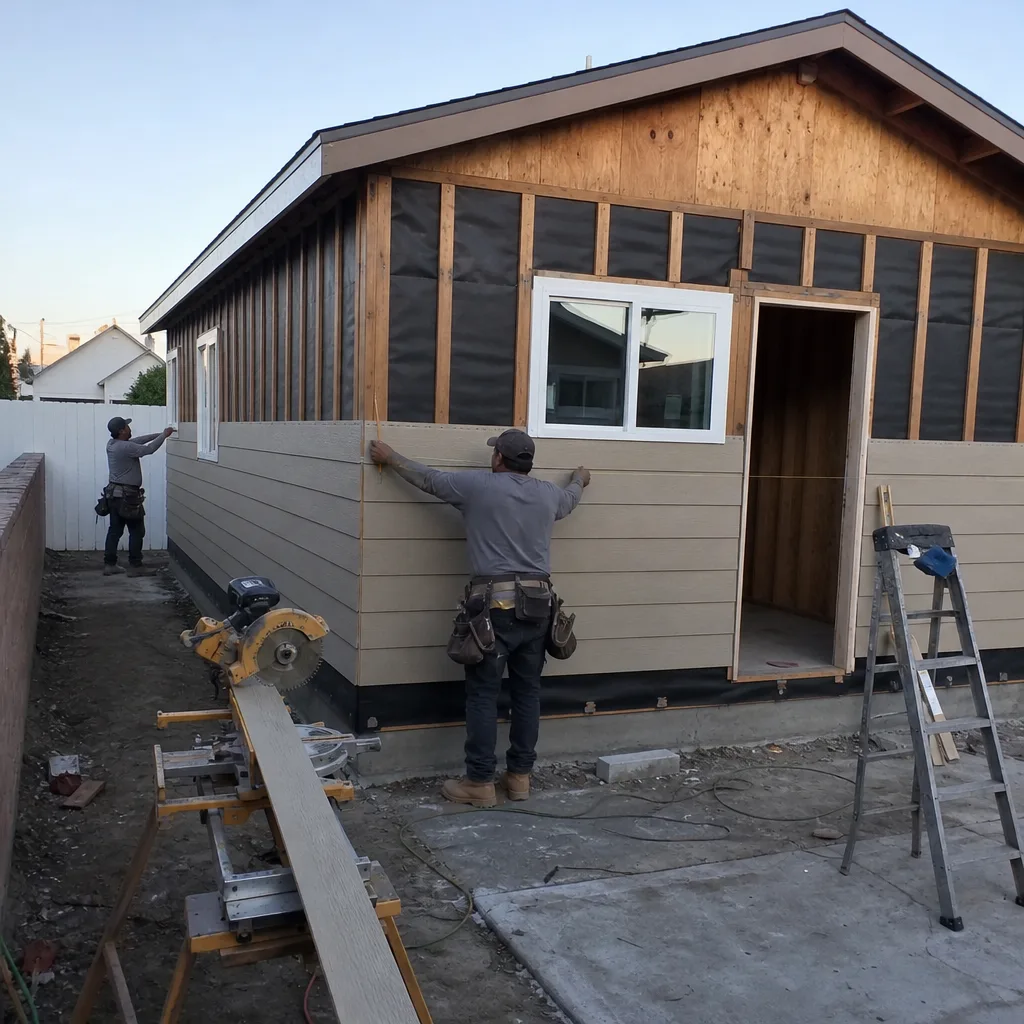
Call a professional whenever the work involves any of five categories: structural change, any electrical beyond a fixture swap, any plumbing change, any gas line connection or appliance tie-in, and any roofing above a single-story walk-out. Add to that list anything with a permit attached – and in Santa Ana, that includes garage conversions, ADUs, water heaters, HVAC replacement, and any addition over 120 square feet. Those aren’t judgment calls, they’re the trades where the owner-builder classification costs more in warranty voidance and resale disclosure than the labor you’d save. If your project touches any of those, or if you want a second look at a quote you’ve already received, that’s the conversation to have.
Rowan Construction Group Santa Ana offers free estimates in Santa Ana – call (833) 853-5955 to schedule one, and we’ll deliver a written price with a written scope before any work starts. If you already have a competitor’s estimate, the Free Second Opinion offer lets us review it line by line at no charge.
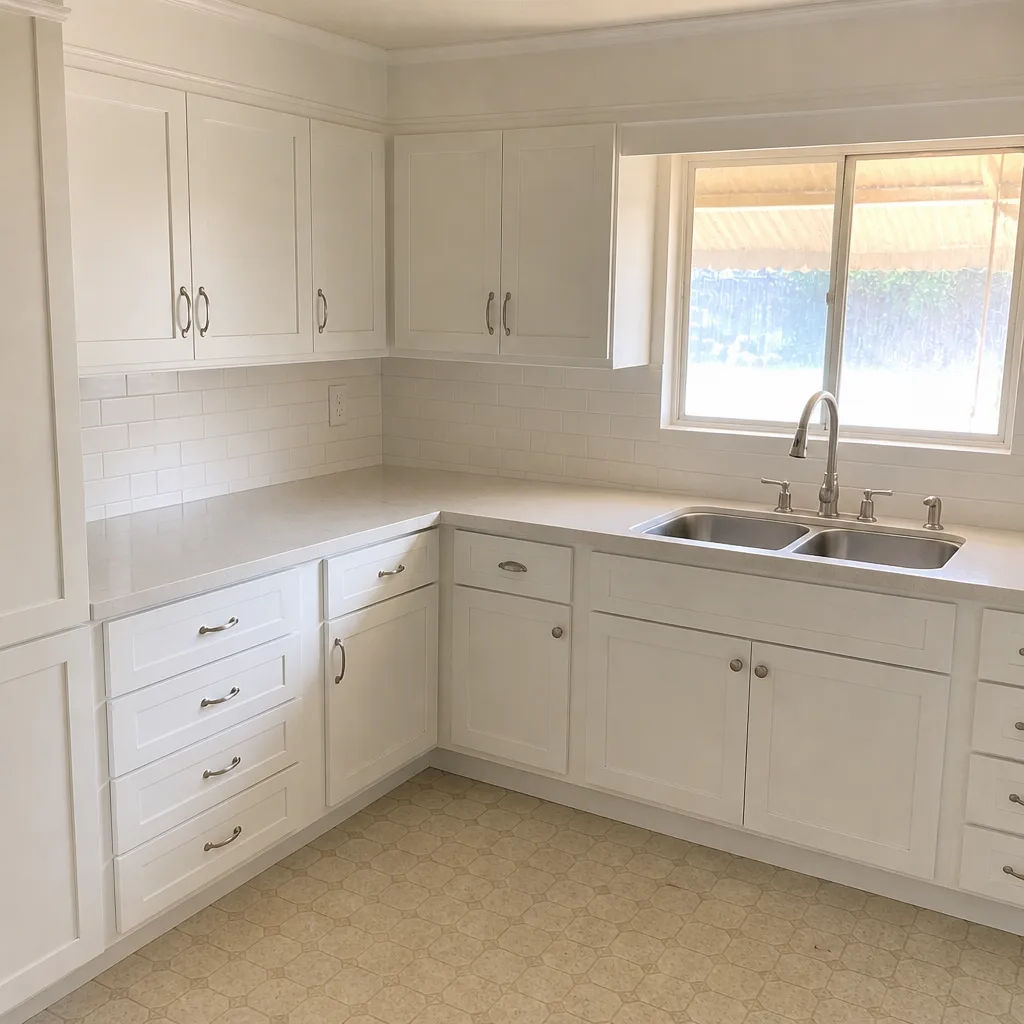
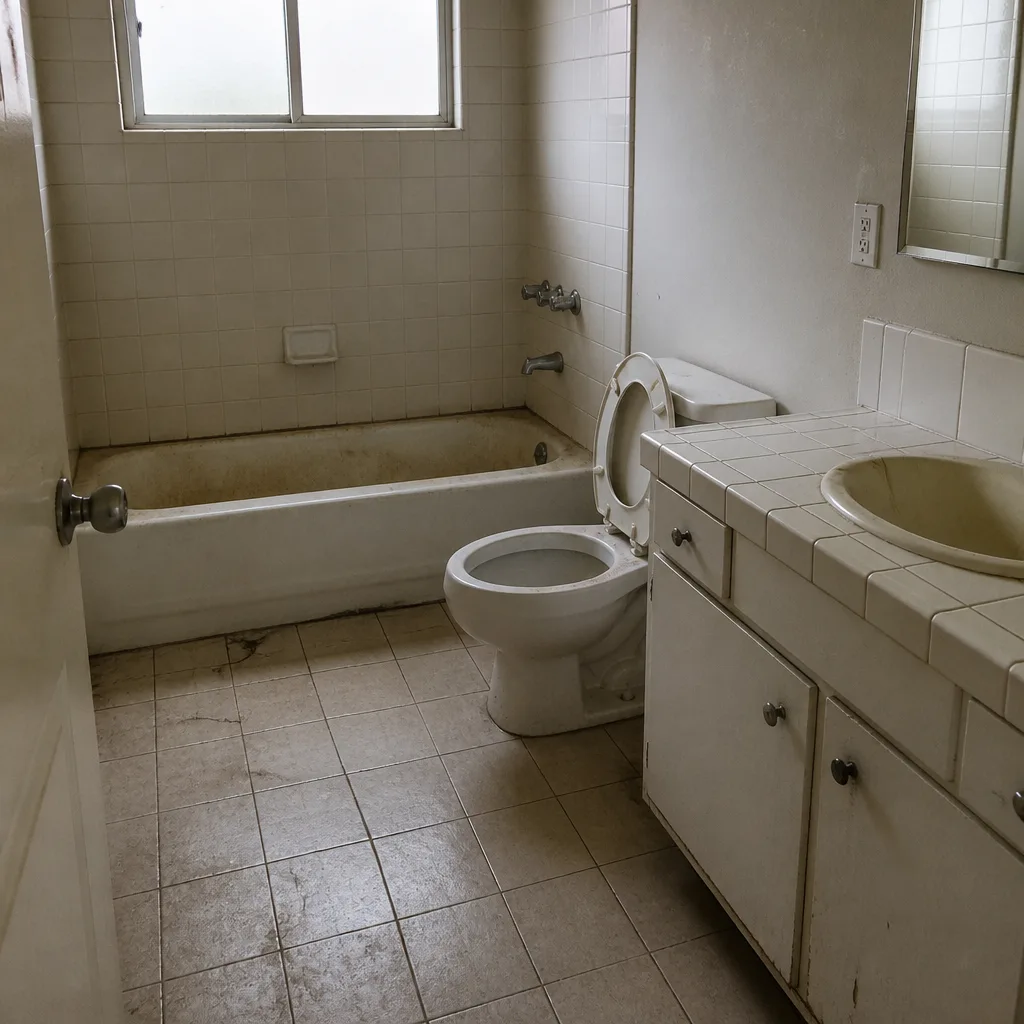
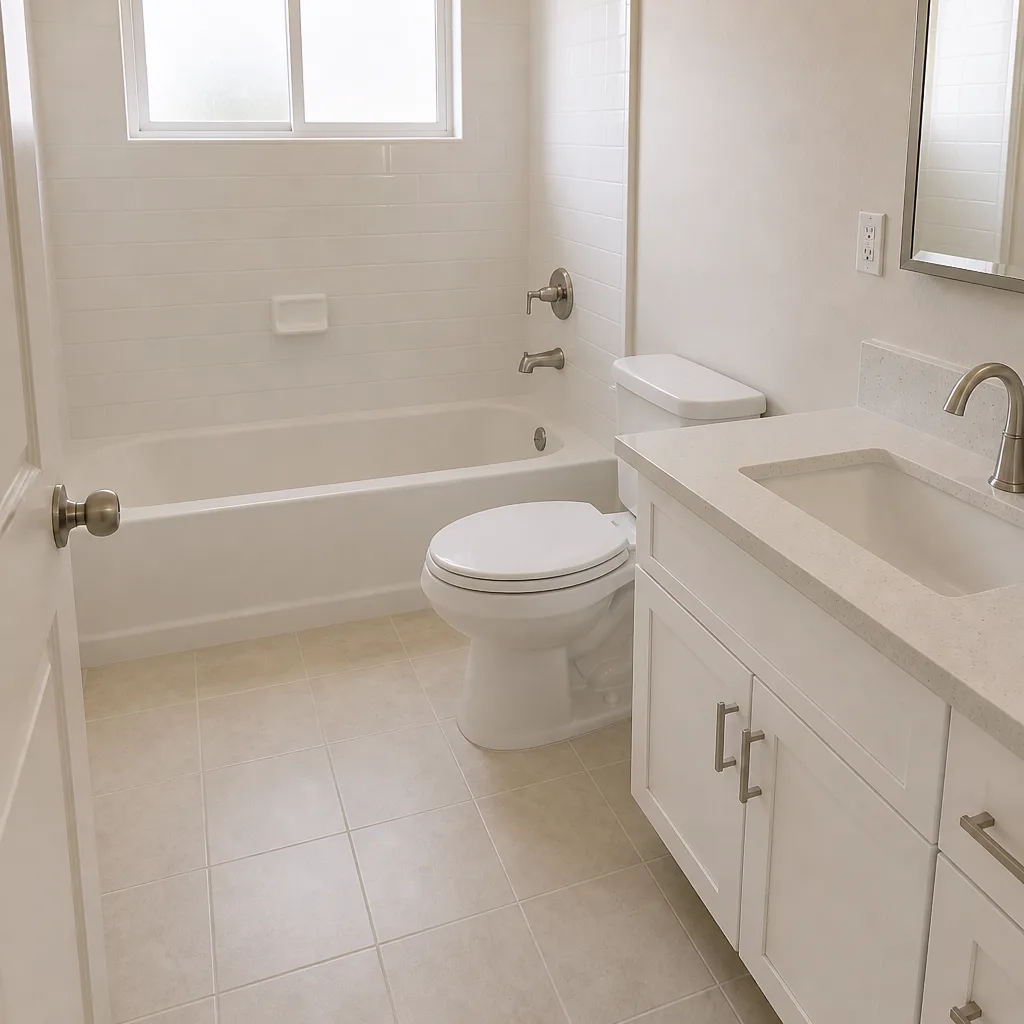
See the difference
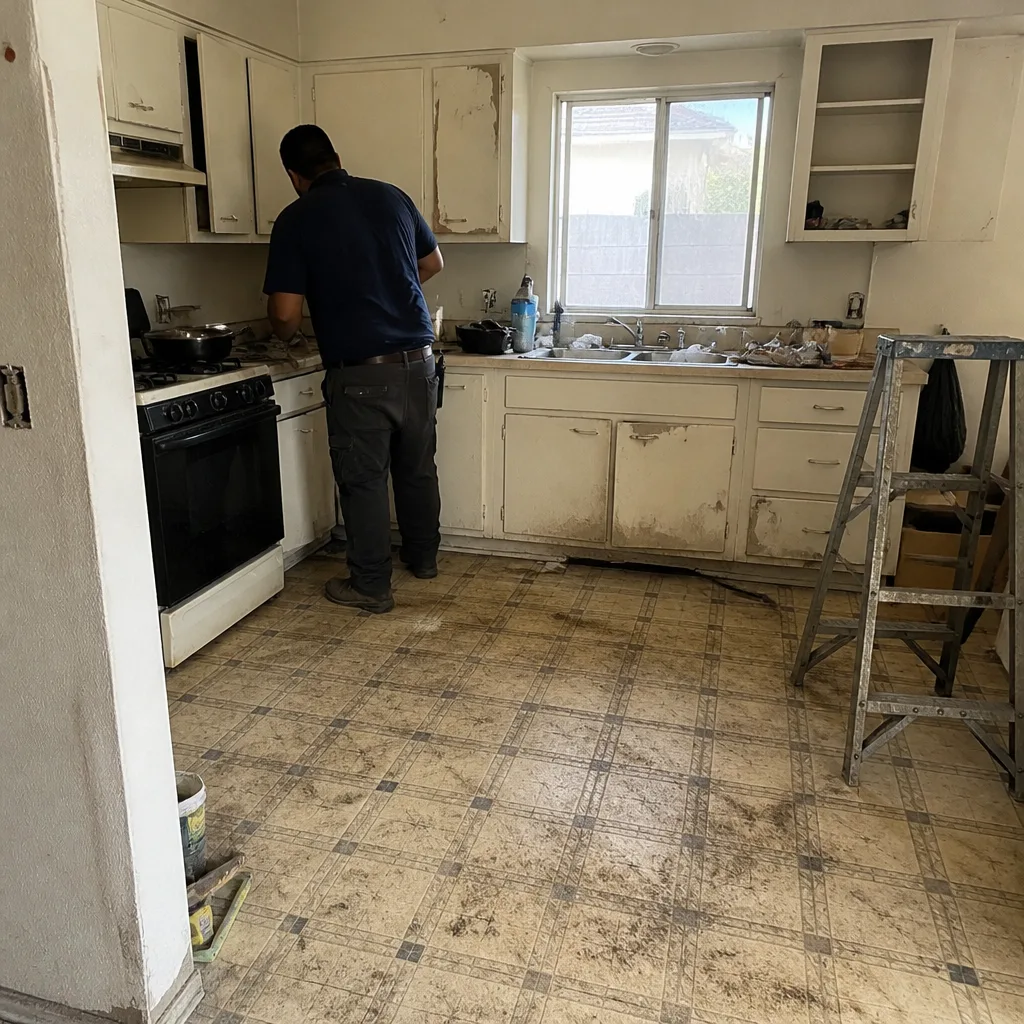 Before
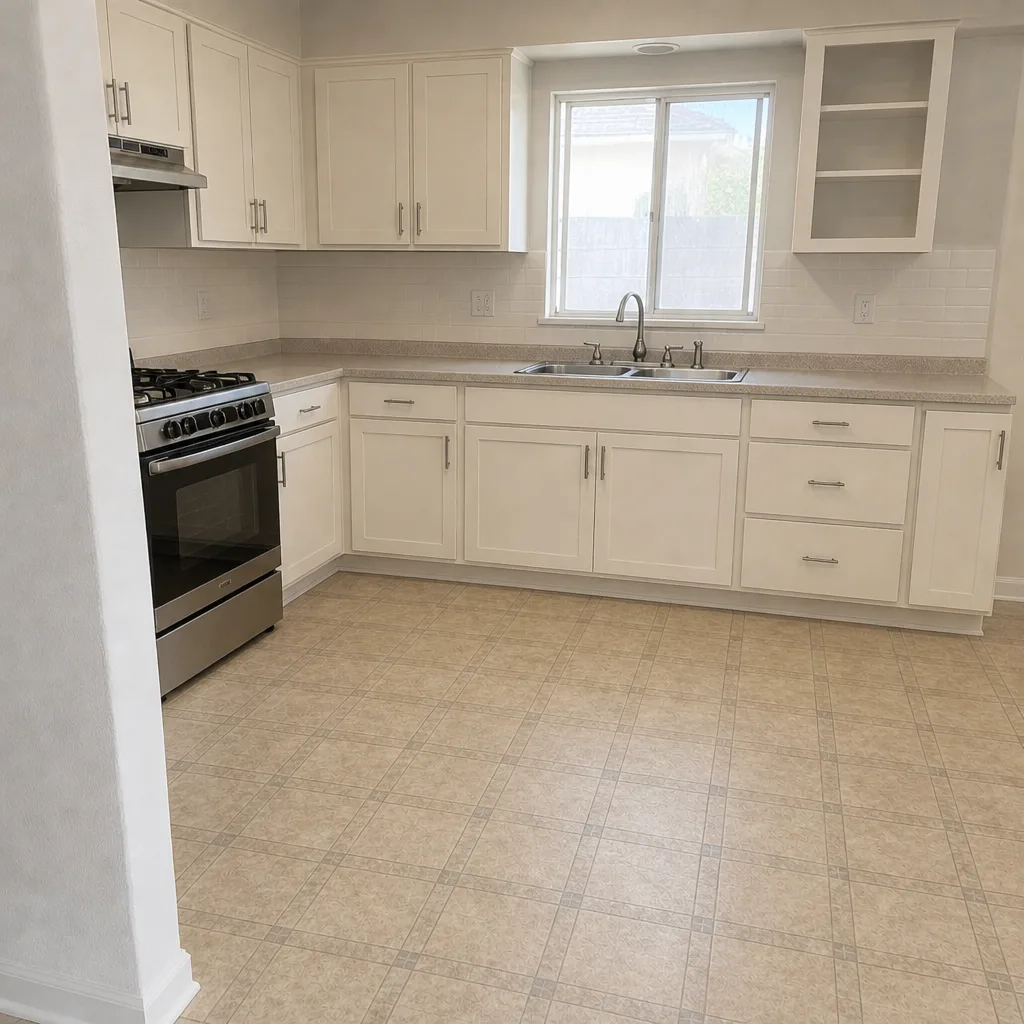 After
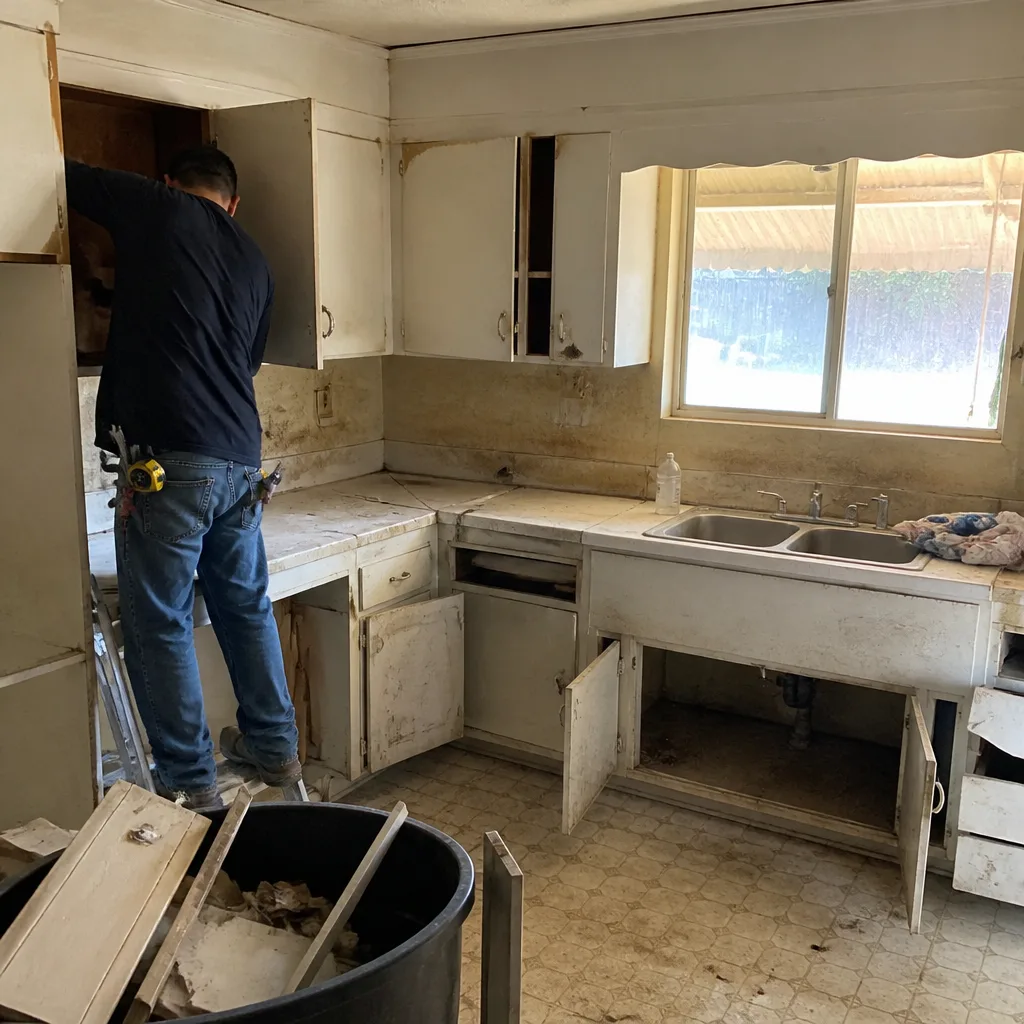 Before
 After
 Before
 After
Frequently Asked Questions
Yes, but only as an owner-builder, which triggers the 12-month occupancy requirement under California Business and Professions Code §7044 and a resale disclosure obligation under Civil Code §1102. Most Santa Ana homeowners who run this math decide the labor savings don’t cover the disclosure cost at resale. Call (833) 853-5955 for an exact quote on the licensed path – estimates are free.
In most cases, yes. GAF and Owens Corning shingle warranties are tied to installation by a qualified contractor following the published spec, and a first-timer install typically voids both the material and labor coverage. Call (833) 853-5955 for a written roofing quote that documents which warranties attach.
About $1,200 to $2,000 on a $2,200 to $4,000 cosmetic refresh, after tool rental, material overage, and permit fees. A full bathroom remodel at $9,000 to $16,000 has smaller real savings because the plumbing and waterproofing work is the cost. Call (833) 853-5955 for a written line-item estimate on your bathroom.
Not without a signed change order. Rowan’s Haven Standard requires that no change proceeds until the customer signs the change order, which is the discipline that has kept our projects within a few percent of the agreed price across 4,000-plus jobs. Call (833) 853-5955 to receive a written price before any work starts.
Usually yes, during the buyer’s inspection in the first 30 days, and the correction can require a retrofit permit or a price reduction. Garage conversions are the most common unpermitted work in Santa Ana and the most expensive to correct. Call (833) 853-5955 for a free estimate on getting a space properly permitted.
Permit records, inspection sign-offs, manufacturer warranty paperwork, and a written workmanship warranty. Rowan also delivers a documented photo record on every visit as a standard deliverable, plus the 365-Day Done Right Promise – if it’s not done right, Rowan makes it right. Call (833) 853-5955 to schedule your free estimate.
The Bottom Line
The DIY-versus-hire question isn’t about whether you can do the work. It’s about whether you want to become the owner-builder on record, void the manufacturer warranties, and inherit the disclosure obligation at resale. For cosmetic work below the permit threshold in Santa Ana – paint, trim, tile over a sound substrate, closet shelving – DIY is a real savings with no legal trap. For anything structural, electrical, plumbing, gas, roofing, or permitted, the labor you save gets handed back in warranty exposure and resale negotiation. Run the four-line cost comparison honestly and the line between the two sides of the decision is clear.
Rowan Construction Group Santa Ana delivers a written price before any work starts, on every trade, every time. The quote is a flat price with a written scope and a written warranty, and every visit includes a documented photo record as standard. Call (833) 853-5955 to schedule your free estimate, or bring a competitor’s quote in for a free second-opinion review line by line. Our technicians have up to 19 years of experience, and background-checked crews arrive with a live person on the line 24/7 to answer questions before and after the estimate.
Written by the team at Rowan Construction Group Santa Ana.