Last updated November 18, 2026


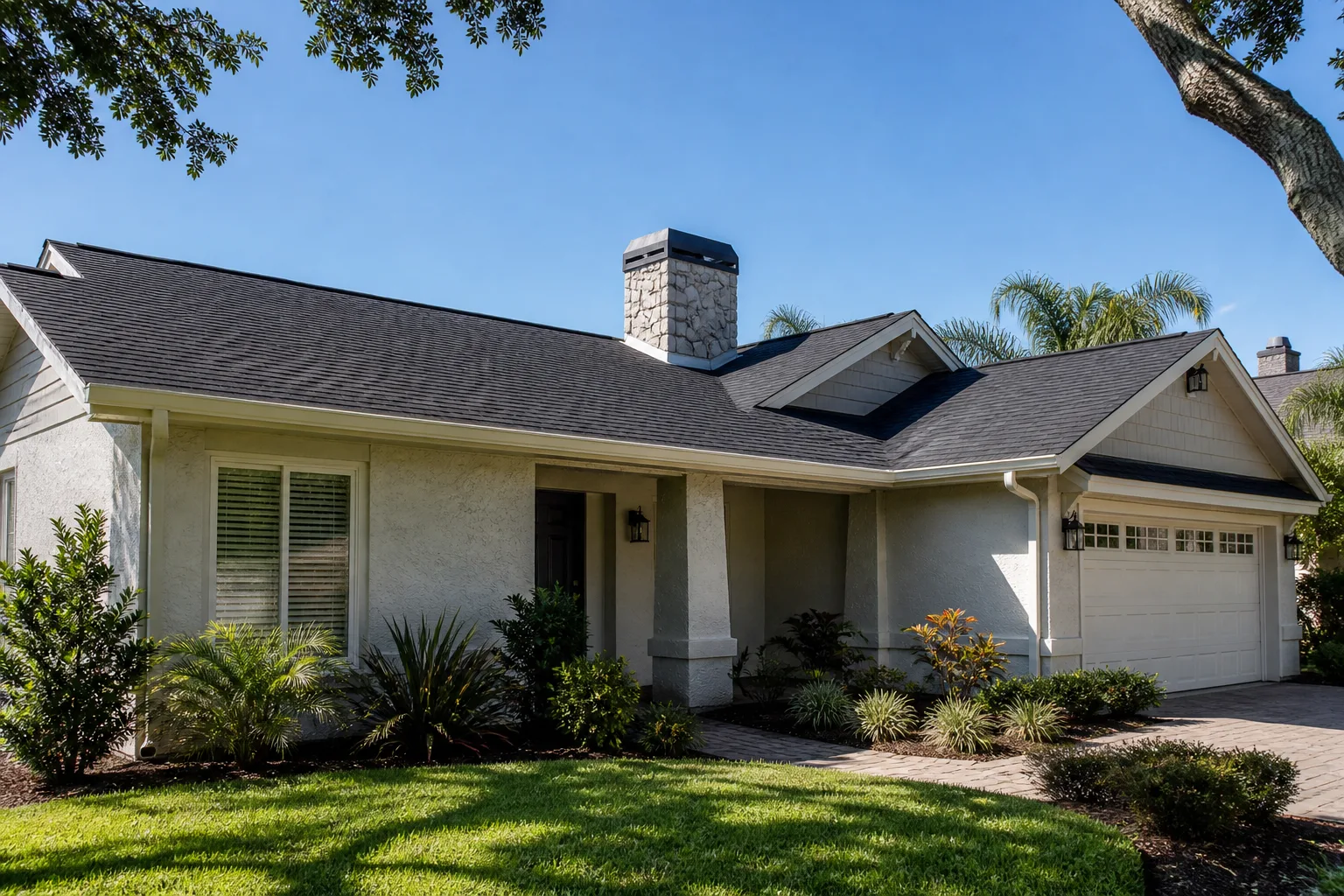
Free written scope consultation - allowances, timeline, and change-order rules on paper before a single trade is scheduled
How to Hire a Construction Contractor in Santa Ana: A Step-by-Step Guide
California’s CSLB database will confirm a contractor’s license is active, but it won’t tell you the bond behind that license covers only $15,000 in damages. That figure hasn’t moved since 2004, and it wouldn’t cover the drywall, cabinets, and tile in a mid-size kitchen gut in Santa Ana. Most hiring guides stop at “check the license, get three bids.” The real vetting work happens in the contract documents, not the sales meeting. This guide teaches you to read a bid package like an auditor: line by line, clause by clause, before you sign anything. You’ll learn what a compliant contract must contain, which line items hide variable costs, and which five questions on a reference call expose scope creep.
Quick Answer
To hire a construction contractor in Santa Ana, verify the license on the CSLB website, get at least three written bids with fixed prices and written scope, read every allowance item, and confirm who pulls the permits before signing. A California-compliant contract under Business and Professions Code §7159 must include the license number, a detailed description of work, a payment schedule, and a three-day right to cancel. The contractors worth hiring hand you all of it without being asked.
Styles & brands we work with
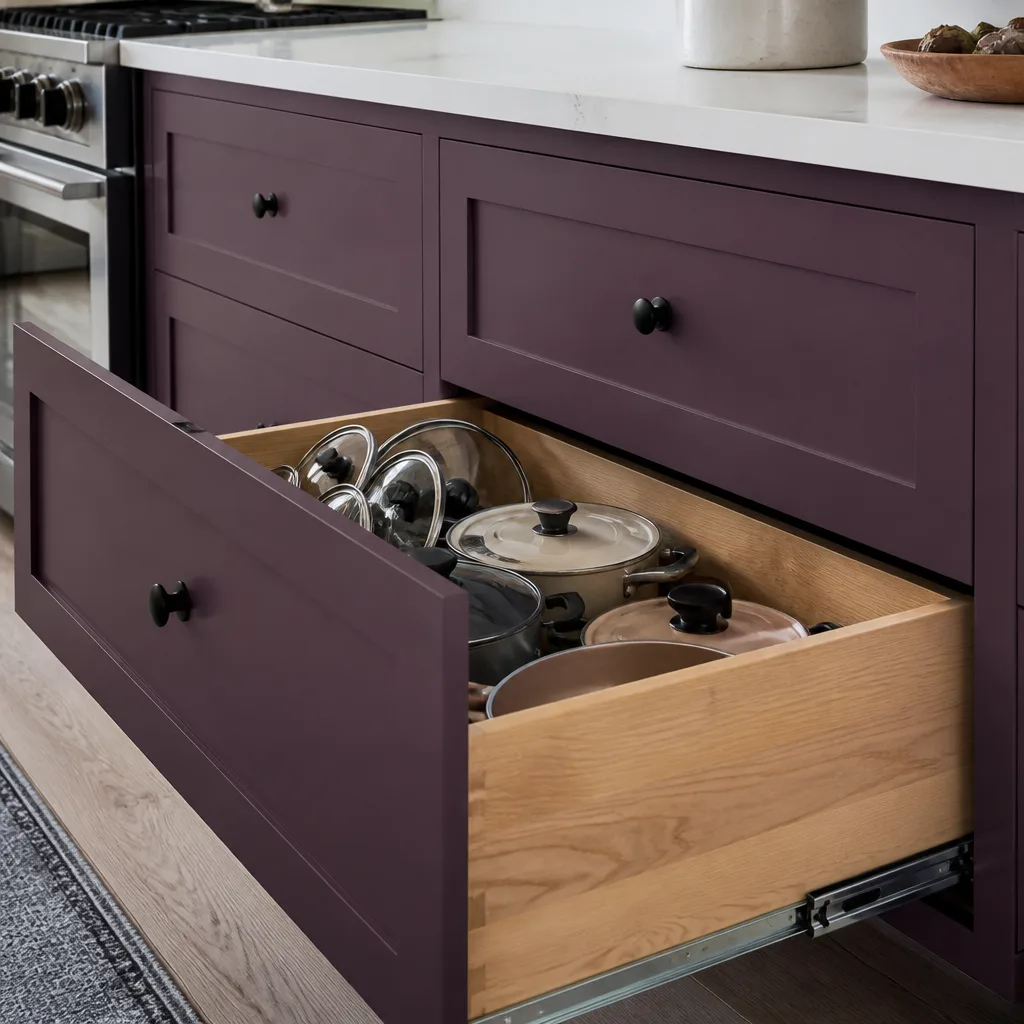
- Kitchen remodeling
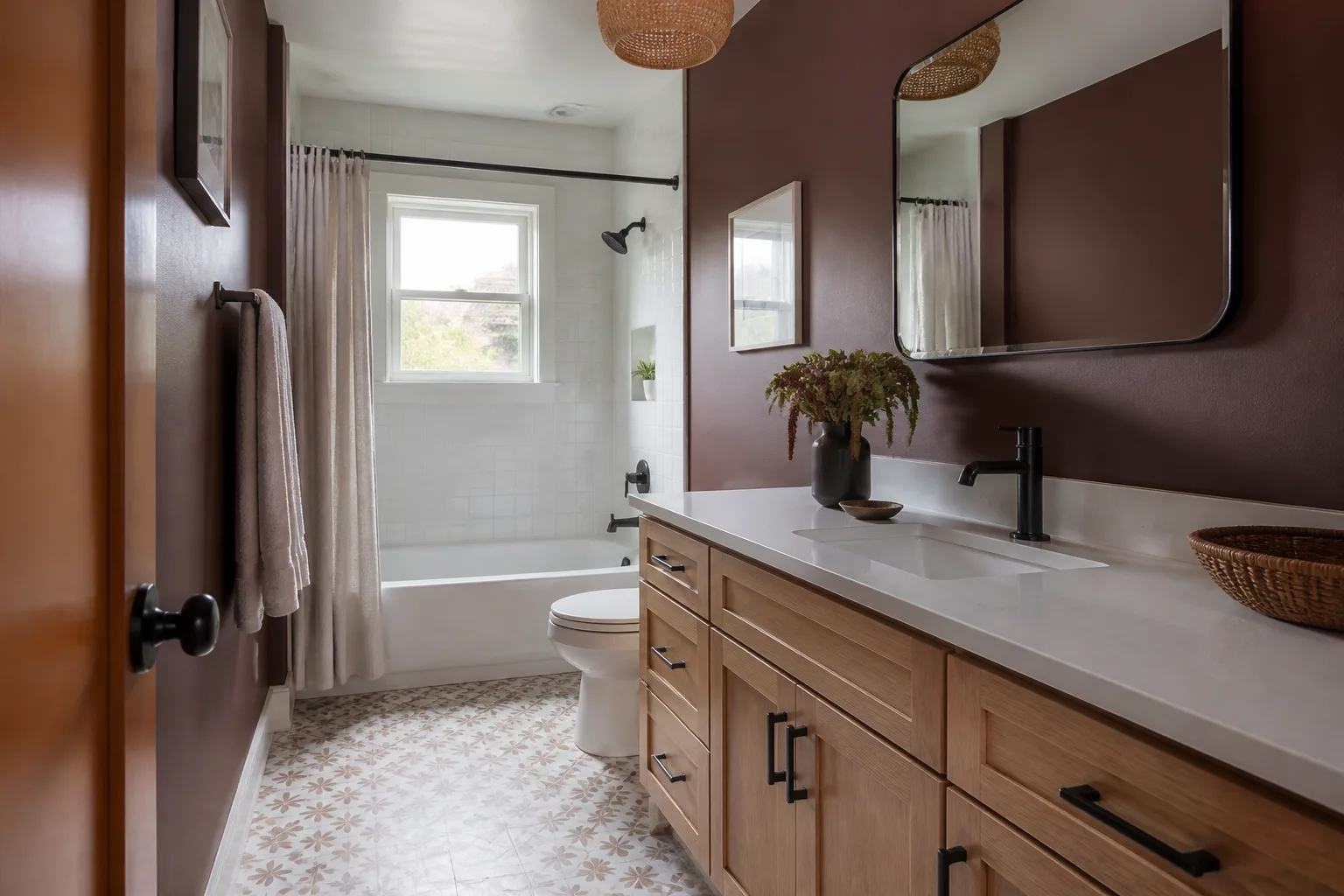
- Bathroom remodeling
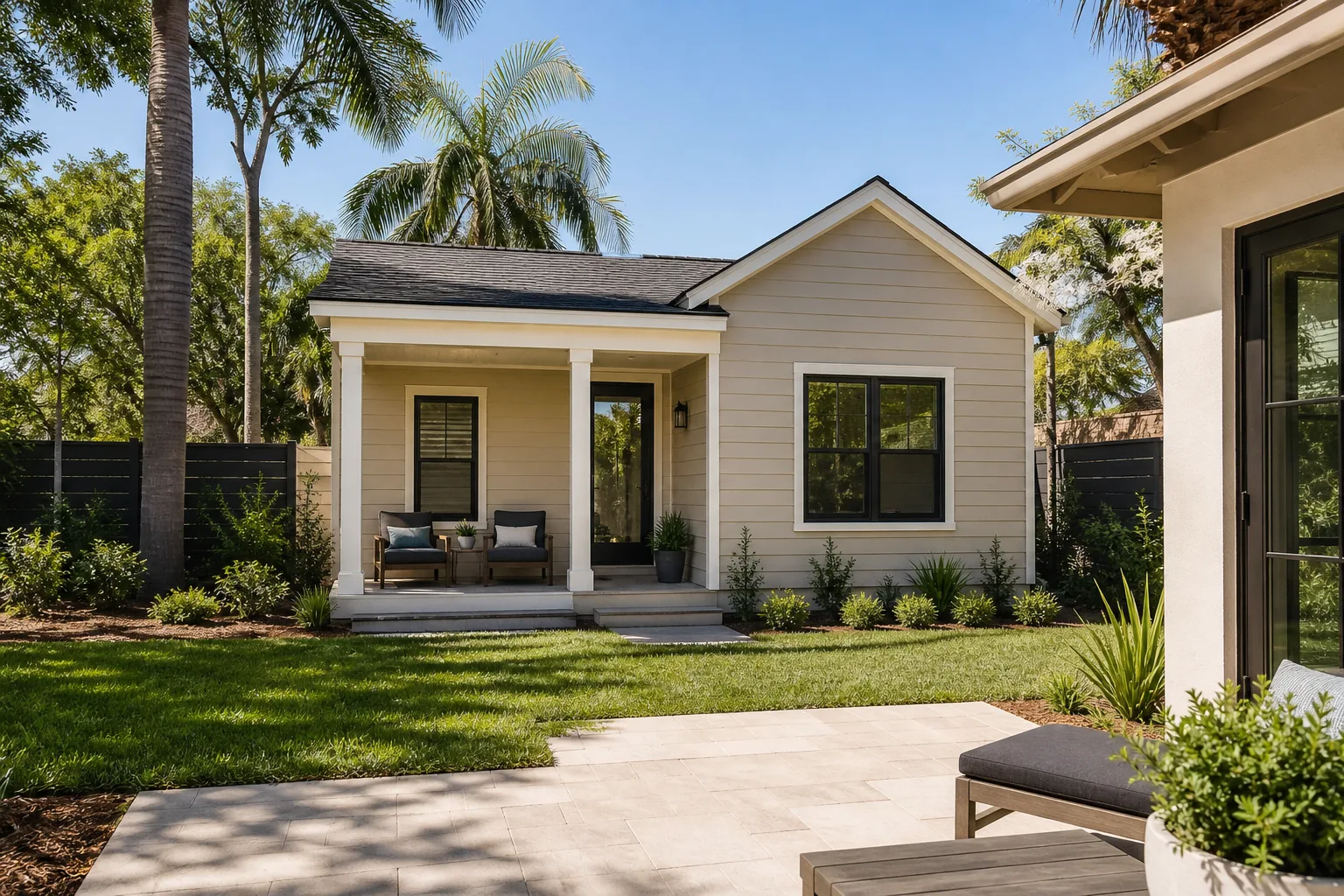
- Home additions & ADU
- Roofing
- Windows & doors
- Driveway & pavers
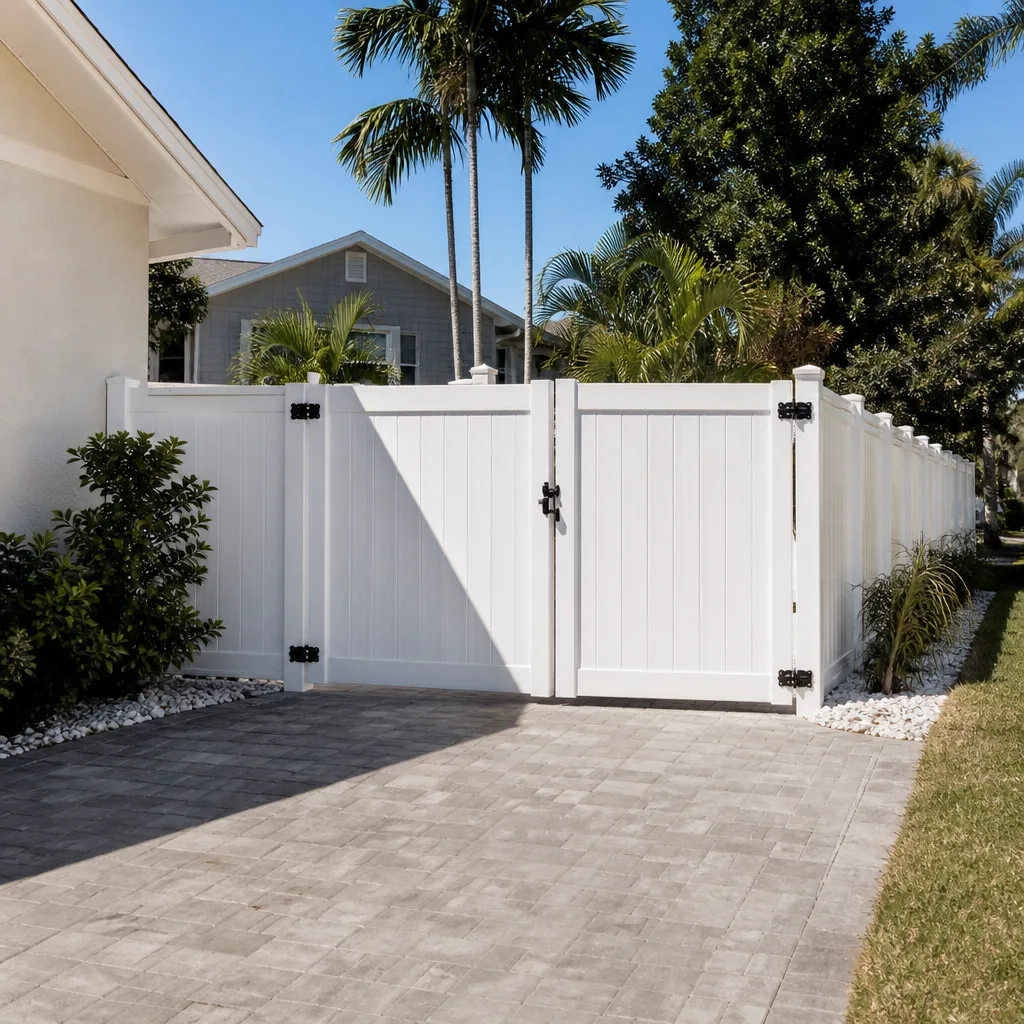
- Fence
Table of Contents
- Step 1: Verify the License and the Bond Behind It
- Step 2: Know What a California Contract Must Contain
- Step 3: Read the Bid Line by Line
- Step 4: Separate Allowances From Fixed Prices
- Step 5: Understand the Change Order Process
- Step 6: Confirm Who Pulls the Permits
- Step 7: Run the Reference Call Like an Interview
- Santa Ana Red Flags to Watch For
Step 1: Verify the License and the Bond Behind It
Start at the Contractors State License Board website, not the contractor’s own site. You’re checking three things: that the license is active, that it carries the right classification for the work (B for general building, C-36 for plumbing, C-39 for roofing), and that no disciplinary actions are listed. A license number printed on a business card means nothing until you’ve matched it to the state record yourself.
Then look past the license to the bond. California requires licensed contractors to carry a contractor’s bond, but the required amount has sat at $15,000 since 2004. That’s the ceiling on what the bond pays out if the contractor walks off a half-finished Santa Ana remodel. For a bathroom tile job it’s meaningful. For a kitchen gut or a home addition, it’s a fraction of the exposure. Ask any contractor you’re considering whether they carry additional general liability insurance above the state minimum, and ask for the certificate.
Our technicians have up to 19 years of experience, and every crew member is background-checked and verified before arriving at your door. We say that plainly because the verification is the point, not a slogan. When you’re vetting in Santa Ana, treat the license check as the first filter, not the last. It tells you someone is legally allowed to work. It says nothing about whether the crew shows up, finishes, or honors a warranty. Those answers live in the paperwork below.
Step 2: Know What a California Contract Must Contain
Business and Professions Code §7159 sets the floor for a residential contract in California. A written contract is required for any home improvement job over $500, and it must include specific elements. If a Santa Ana contractor hands you a one-page proposal with a total and a signature line, the document is already non-compliant before you read a word of the scope.
Here’s what §7159 requires:
- The contractor’s name, business address, and license number.
- The total price and a payment schedule that ties payments to milestones, not to the calendar.
- A description of the work and the materials to be used, specific enough to price.
- The approximate start and completion dates.
- A three-business-day right to cancel, printed in the contract.
- A notice about mechanic’s liens and the homeowner’s right to a lien release.
- Down payment capped at $1,000 or 10% of the contract price, whichever is less.
Now the five clauses most residential contracts omit. These aren’t legally mandated, but their absence tells you how the job will be run:
- A written change order process. What triggers a change, who signs, and how pricing is set before work resumes.
- A named substrate and prep scope. For a bathroom, that means the tile membrane and backer board specification. For roofing, the number of shingle layers being removed.
- A debris and haul-away clause. Who pays for the dumpster, and where it sits on a narrow Santa Ana lot.
- A written warranty, separate from the manufacturer’s warranty on materials. A GAF shingle warranty covers the shingle. It doesn’t cover the labor that installed it wrong.
- A photo record requirement. Written into the contract as a deliverable, not offered as a favor.
Under Clause 1 of The Haven Standard, the price is written before anyone starts. That’s not a marketing line at Rowan Construction Group; it’s the founding discipline behind every quote we issue across our seven trades. When you’re comparing Santa Ana bids, the contract that names its change order process is the one that respects your budget.
Step 3: Read the Bid Line by Line
A bid is not a number. It’s a set of assumptions, and your job is to find out which assumptions are yours to absorb and which are the contractor’s. Print the bid. Get a pen. Read it the way an auditor reads a ledger.
For each line item, ask: is this a fixed price, an allowance, or a time-and-materials charge? Fixed price means the number on the page is the number you pay unless you sign a change order. An allowance is a placeholder the contractor sets for a material you haven’t picked yet. Time and materials means the meter runs and you find out later. Three tiers of certainty, three very different risks.
Then look for what’s missing. A driveway bid that names the pavers but not the base depth is telling you something. In Santa Ana, where clay-heavy soil and the occasional winter downpour both work against a poorly bedded driveway, the base matters as much as the surface. A bid specifying Driveway & Pavers in Santa Ana should name the paver brand and the compacted base depth in the same line. If it says “pavers installed” and nothing else, ask for the specification before comparing totals.
Kitchen bids work the same way. KraftMaid and Wellborn cabinets carry different price structures. Cambria and Caesarstone countertops price differently by edge and slab thickness. When a bid names the brand, you can look up the real price. When it says “quality cabinets,” you can’t, and the contractor can substitute whatever keeps the margin.
Step 4: Separate Allowances From Fixed Prices
The allowance-to-fixed ratio is the single most useful number in a bid package, and almost nobody calculates it. Add up every allowance line. Divide by the total bid. If allowances are 5% of a $60,000 kitchen, you have a firm quote with minor flexibility on tile and fixtures. If they’re 30%, you have a sales figure designed to look low, and the real number won’t appear until you pick out your faucets.
Here’s how to run the math on a Santa Ana bid:
- List every allowance item. Cabinets, countertops, tile, fixtures, appliances, and lighting are the usual suspects.
- Multiply each allowance by the actual retail price of what you’d really pick. Not the builder-grade option. What you actually want.
- Add the overages to the bid total. That’s your realistic number.
- Compare that realistic number across all three contractors. You’ll often find the “low” bid was the highest once the allowances get filled in.
Then check whether the contract caps allowance overages. A well-written bid states what happens when the tile you choose lands above the allowance. Does the contractor mark up the overage, or bill it at cost with a written change order? The answer should be in the document, not in a verbal promise at the kitchen table.
Step 5: Understand the Change Order Process
A change order is a signed document authorizing a specific change to the scope, price, or schedule of work already under contract. It should have a unique number, a description of the change, the price impact, the schedule impact, and signatures from both you and the contractor. No work on the change proceeds until both signatures are on the page. That’s the whole point.
What triggers a change order automatically? Four things, in our experience: discovered conditions behind the wall (water damage, mold, out-of-code wiring), a material substitution you request after signing, a scope addition you request mid-project, and any schedule extension caused by a permit or inspection delay. Each of those should generate a numbered change order before anyone touches a tool.
Turnaround matters too. Ask the contractor how fast a change order is prepared and signed. If the answer is “whenever we get to it,” you’ll find the crew waiting on paperwork for three days while your house sits open. A reasonable process turns a change order in one business day and pauses work until it’s signed. The discipline of a signed change order before any change is what keeps a project within a few percent of the agreed price, and it’s why we can point to that record across 4,000-plus projects.
Step 6: Confirm Who Pulls the Permits
In Santa Ana, the permit question is where the most expensive mistakes happen. A licensed contractor should pull the permit in their own name and their own license number. If a contractor asks you to pull the permit as the homeowner, that’s a red flag, not a courtesy. It puts the inspection liability on you, and it can fail to disclose an unlicensed sub who can’t legally pull their own.
Ask three questions before signing anything:
- Who is named as the permit applicant? The answer should be the contractor’s business name and license number.
- Are permit and inspection fees included in this bid? Some Santa Ana bids exclude them and bill later. A written price should be all-in. Compare this on every proposal.
- Who meets the inspector? The contractor or a qualified representative, never you.
Roofing and additions carry the most inspection exposure. A home addition or ADU permit requires plan review, and the inspection sequence for Home Additions & ADU in Santa Ana includes foundation, framing, rough-in, and final inspections before occupancy. Skipping any of that leaves you with an unpermitted structure and a title problem when you sell. Pay attention to whether the bid names the inspection sequence or just promises “we’ll handle it.”
Same rule for fences and hardscape. Even a fence over six feet or on a property line typically requires a permit or at least a planning check in Santa Ana. If the contractor for Fence Installation in Santa Ana waves off the permit question, they’re either unfamiliar with the local code or hoping you won’t ask. Neither is a good sign on a property you plan to keep.
Step 7: Run the Reference Call Like an Interview
The reference call is where the truth lives, but only if you ask the right questions. “Are you happy with the work?” gets a yes from every past client. Ask these five instead, and listen for how fast the answers come:
- “Did the final price match the contract price? If it didn’t, what was the difference, and was it a signed change order?” A precise answer with a percentage is what you want. A vague “they were fair” tells you nothing.
- “Did any work stop while you waited on paperwork?” The best contractors paused for change orders and got them signed the same day. The worst ones kept working without documentation and billed for it later.
- “How many days did the crew show up after the start date was set?” A one-week gap is normal. A three-week gap with no notice is the pattern that repeats on your job.
- “Who pulled the permit, and did you ever see the inspection sign-off?” If the homeowner pulls the permit or the inspection sign-off never arrives, the contractor has left a liability behind.
- “If something went wrong after the job, did they come back to fix it?” This is the warranty test. Ask for the callback date and how long it took.
Weight the answers this way: the price-match question and the callback question carry the most. A contractor who stayed within a few percent of the agreed price and returned for a warranty repair is one you can trust with your kitchen. A contractor who did neither, no matter how polished the sales meeting, will repeat the pattern at your address.
Santa Ana Red Flags to Watch For
Santa Ana has one of the larger concentrations of small sole-proprietor contractors in Orange County, and that’s not inherently a problem. Some of the best finish work in the city comes from a two-person crew that’s been at it for years. The problem is scale. A sole proprietor with a single truck can do an excellent bathroom. They can’t cover a $15,000 bond if it goes wrong on an addition. The paperwork tells you which kind of outfit you’re hiring before the work begins.
Specific red flags that recur in Santa Ana:
- An unlicensed sub on a licensed contractor’s permit. The license-holding contractor is responsible for every sub on the job. Ask for the sub list in writing and verify each one on the CSLB site.
- Permits pulled in the homeowner’s name without disclosure. If the paperwork quietly lists you as the applicant, the inspection liability is yours, and the contractor is off the hook.
- Bids that exclude inspection fees. Add those to the total when comparing. A bid that looks $800 cheaper can cost $2,000 more once the fees land.
- Change orders signed after the work, not before. The whole point of a signed change order is authorization in advance. Retroactive paperwork is damage control, not discipline.
- Missing photo records. If a contractor can’t produce photos of the substrate prep and rough-in stages on past jobs, they didn’t take them, and you won’t get them either.
- Allowances over 20% of the total. That’s a bid designed to be amended upward after you sign.
- No written warranty on labor. A manufacturer warranty on GAF or Owens Corning roofing covers the shingle, not the installation. Get the labor warranty in writing.
Common Mistakes to Avoid
- Checking the license but not the bond. An active license doesn’t mean the bond covers a real loss. Verify the amount and ask for an insurance certificate showing coverage above the state minimum.
- Comparing totals instead of line items. The three bids look comparable until you realize one names KraftMaid cabinets and another says “quality cabinets.” Brand names in the bid are the only comparison that holds up.
- Skipping the allowance math. A $55,000 kitchen with 30% allowances is a $75,000 kitchen with a low opening number. Run the real total before you compare.
- Letting work continue before a change order is signed. Verbal authorization is how scope creep gets billed back to you six weeks later. Nothing proceeds without both signatures.
- Letting the contractor pull the permit in your name. In Santa Ana, that transfers the inspection liability to you and hides unlicensed subs. The applicant should be the contractor.
- Asking references “are you happy?” Ask specific, closed questions about price variance and callbacks. The answers tell you more than any five-star review.
- Accepting a verbal warranty. Any warranty worth having is written on the contract with the term and the scope spelled out. A handshake warranty is a 0-day warranty.
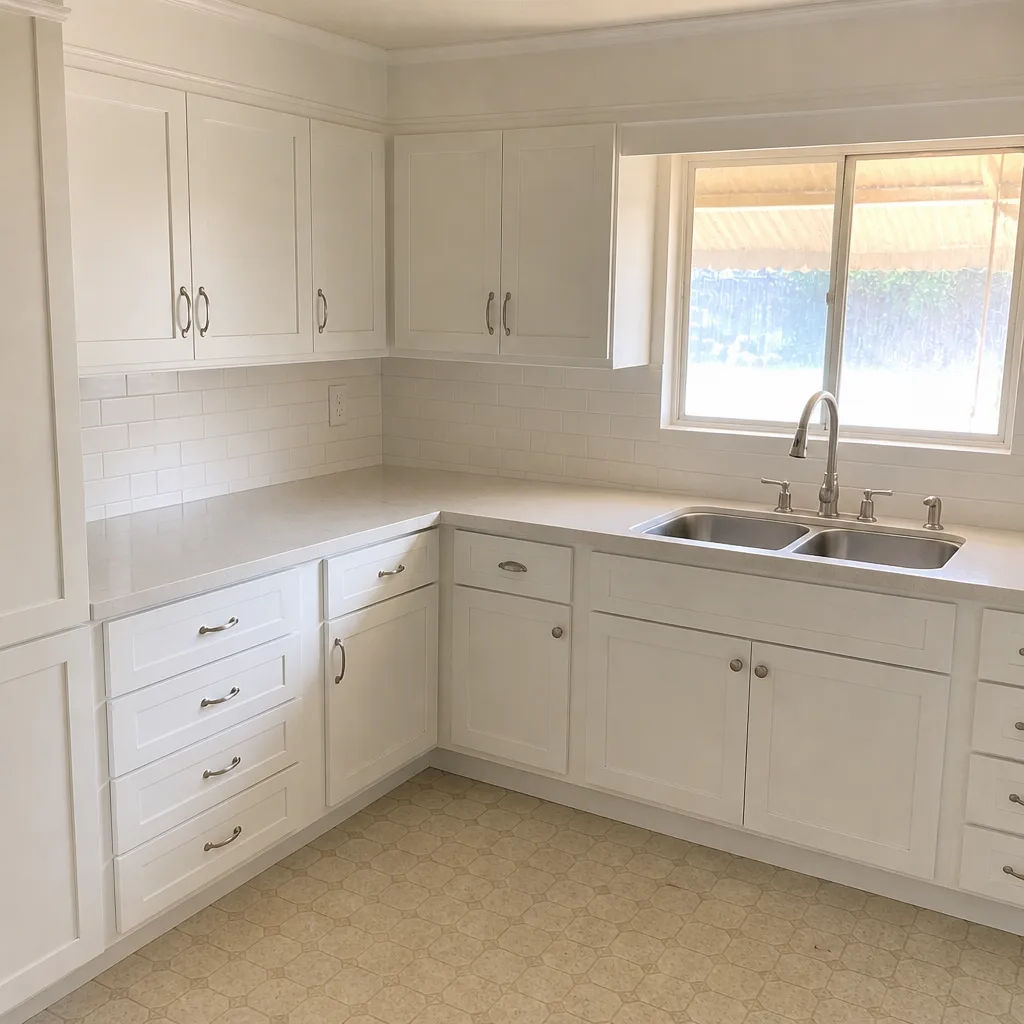
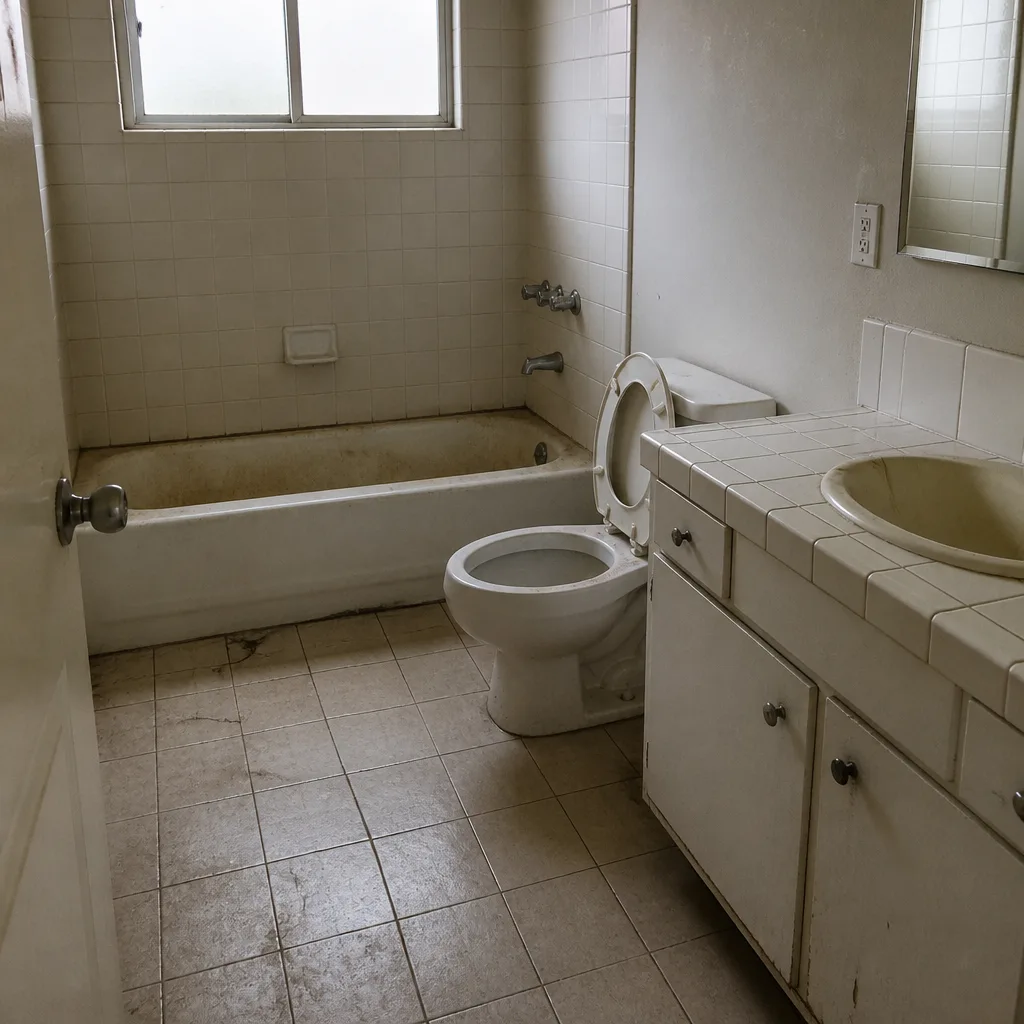
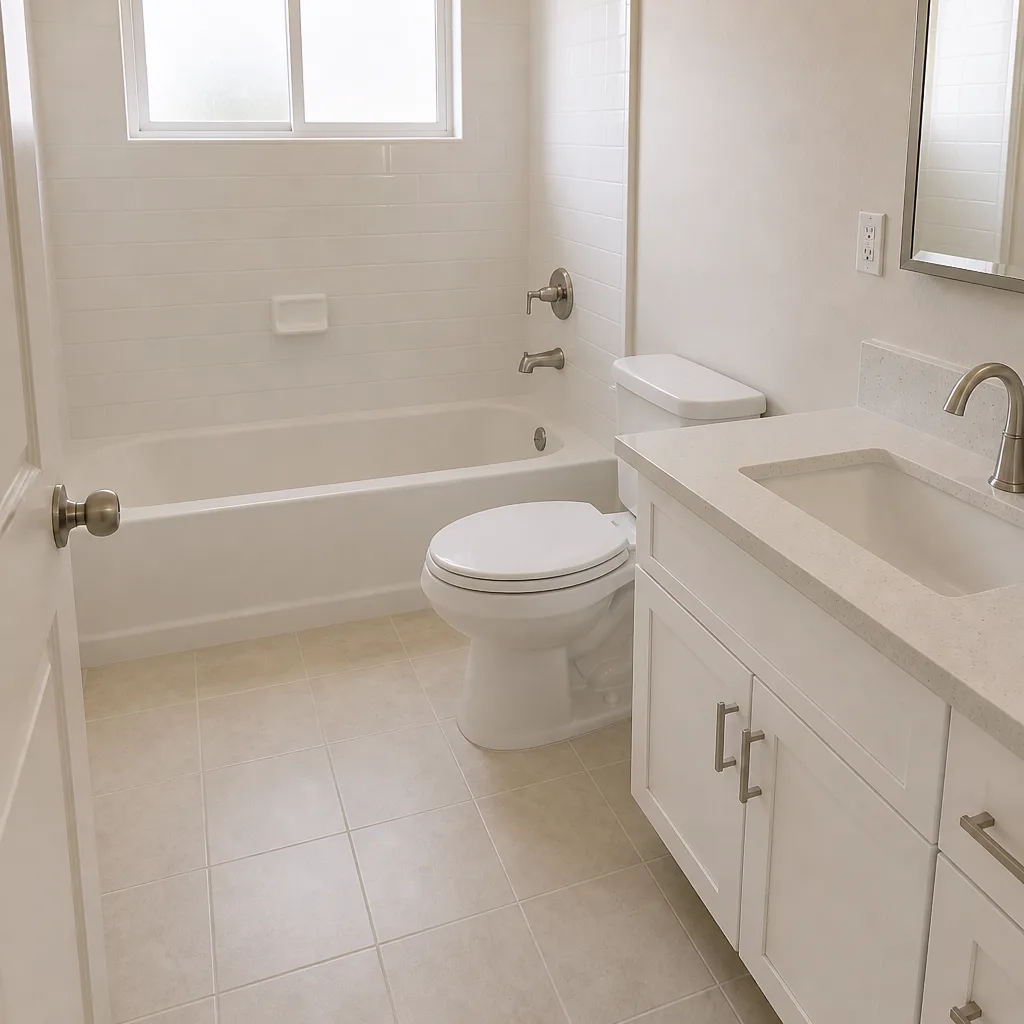
See the difference
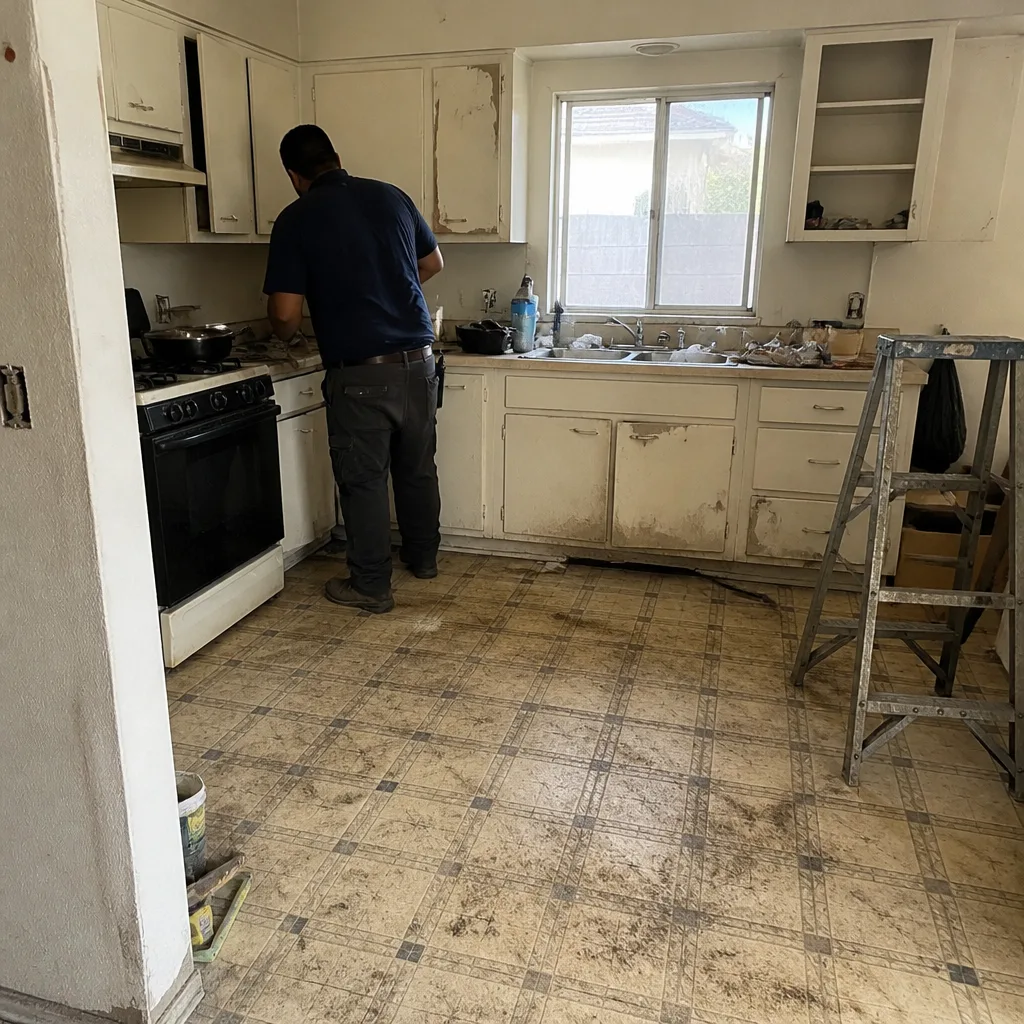 Before
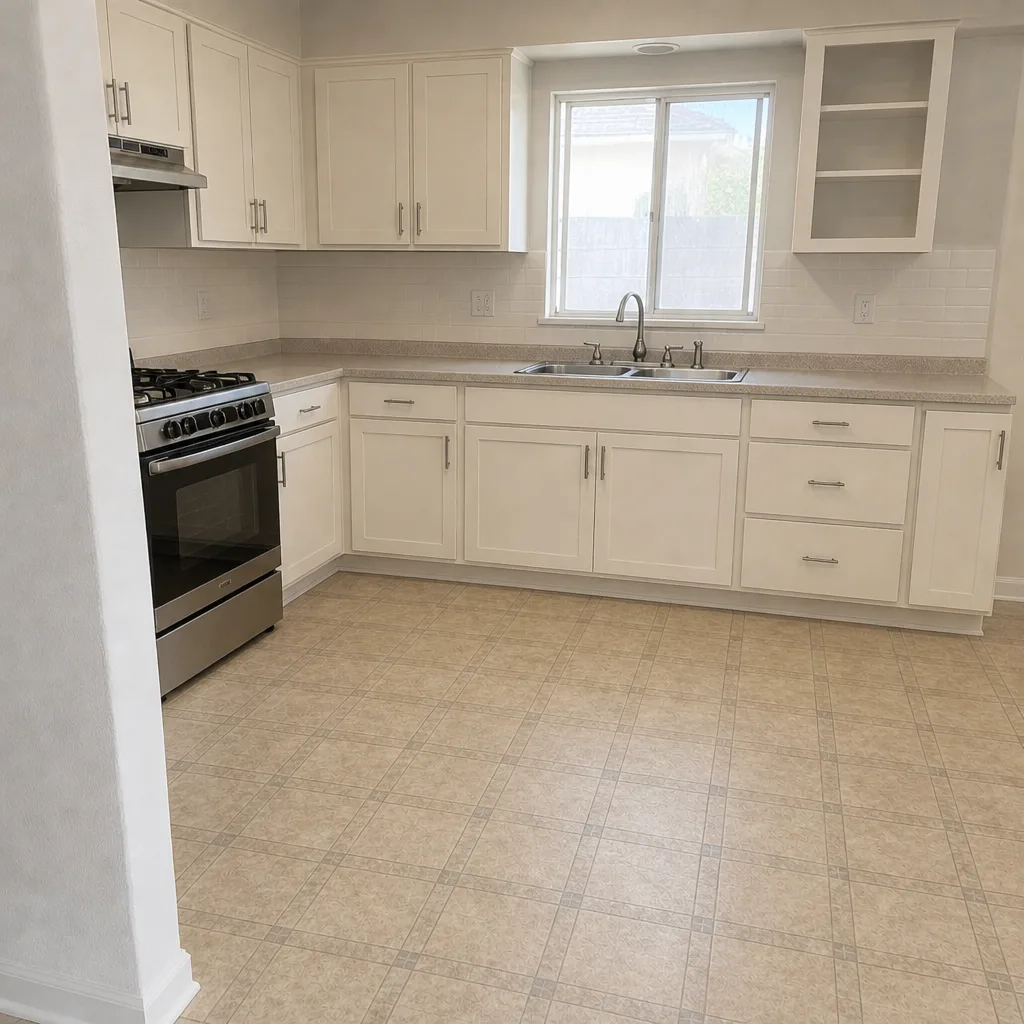 After
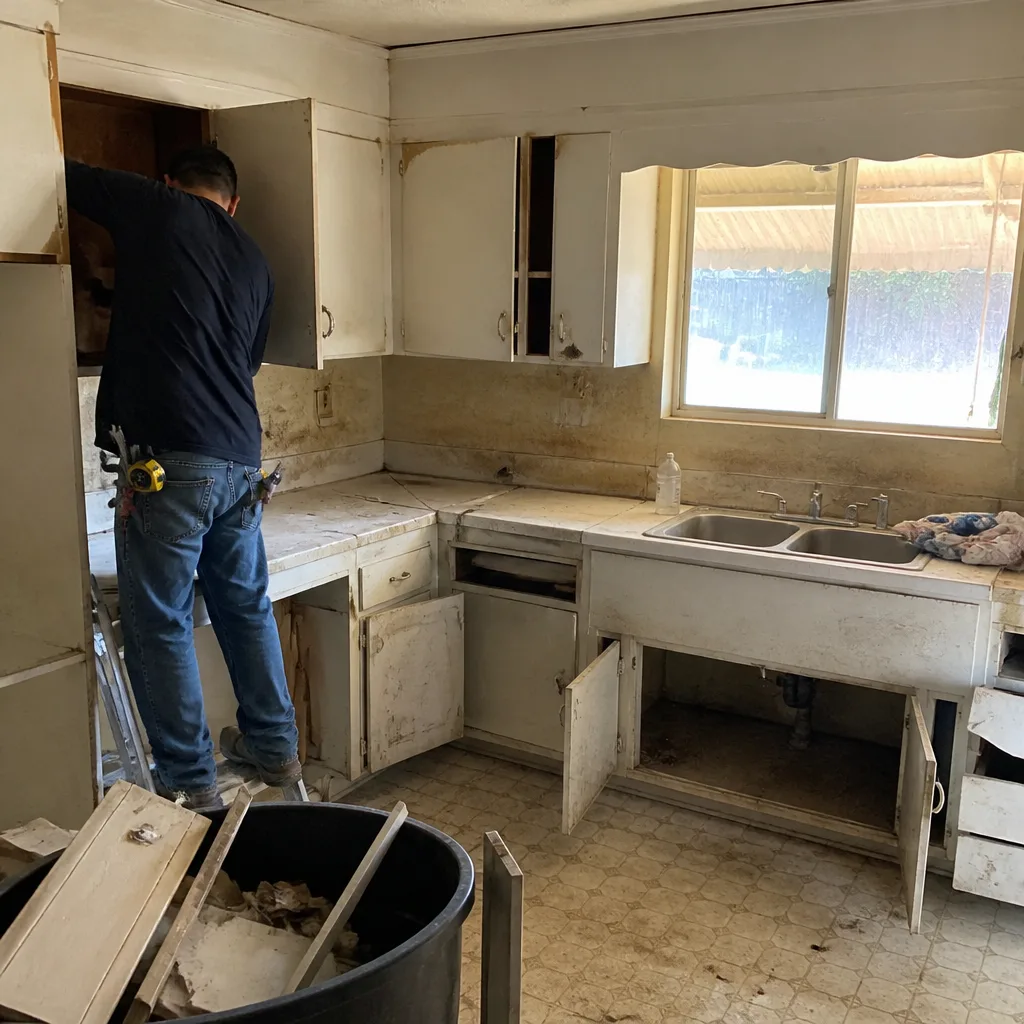 Before
 After
 Before
 After
When to Call a Professional
Some jobs don’t need a contractor. A leaky faucet, a fresh coat of paint, a loose fence board – handle those yourself. The threshold is when the job involves a permit, a structural change, a water or moisture membrane, or any work that could fail and cost you more to fix than to have done right. Roofing, home additions, kitchen and bathroom remodels with plumbing and electrical, and any paving or fence work that touches a property line or a permit requirement all cross that line. High-tension garage door springs, gas lines, electrical panel work, and steep-roof or height work are genuinely dangerous components that require a trained professional, and no hiring guide should walk you through DIY steps for any of them.
Rowan Construction Group Santa Ana offers free estimates in Santa Ana. We’re licensed and insured, we quote a flat written price before any work starts, and we’ve kept projects within a few percent of the agreed cost across 4,000-plus projects. Call (833) 853-5955 to schedule yours, or use our Rowan Construction Group Santa Ana home page to see the seven trades we cover.
Frequently Asked Questions
A mid-range kitchen remodel in Santa Ana typically runs $60,000 to $95,000 for a full gut with new cabinets, countertops, and appliances, and $25,000 to $40,000 for a cosmetic refresh. The number depends almost entirely on the allowance-to-fixed ratio in your bid: a quote with named brands like KraftMaid or Cambria can be priced accurately, while a quote with 30% allowances can’t be trusted as a final number. Call (833) 853-5955 for a free written estimate with line-item pricing.
Yes. A home addition or ADU in Santa Ana requires a building permit with plan review, and the inspection sequence covers foundation, framing, rough-in, and final. An unpermitted addition creates a title problem when you sell and can require demolition to resolve. Confirm in writing that the contractor is named as the permit applicant, not you. Call (833) 853-5955 for a free second opinion on any written estimate you’ve already received.
Look up the contractor’s license number on the CSLB website and confirm three things: the license is active, the classification matches the work, and no disciplinary actions are listed. Then ask for a certificate of general liability insurance showing coverage above the state’s $15,000 contractor bond requirement. A license number on a business card is not verification; the state record is.
Four things trigger a change order automatically: discovered conditions behind the wall such as water damage or out-of-code wiring, a material substitution you request after signing, a scope addition you request mid-project, and a schedule extension caused by a permit or inspection delay. Nothing should proceed on any of those without both signatures on the change order. Ask any contractor you consider how quickly they turn one around; a reasonable process is one business day, with work paused until it’s signed.
It shouldn’t, if the bid named fixed prices and the contract included a written change order process. The way the price changes on a poorly documented job is through allowances that get filled above the placeholder, or through work performed on a verbal authorization that gets billed later. A contractor who pauses for a signed change order is protecting your budget, not slowing the job. Call (833) 853-5955 for an exact quote; estimates are free.
California doesn’t set a single warranty term for residential construction, so the answer lives in the contract. A written workmanship warranty should name the term, the scope, and the process for a callback. Manufacturer warranties on materials like Owens Corning roofing or Quikrete concrete mix cover the material, not the installation, so the labor warranty must be separate and written. Rowan Construction Group Santa Ana backs its work with the 365-Day Done Right Promise, printed on the contract, not an asterisk.
The Bottom Line
Hiring a construction contractor in Santa Ana is a document exercise, not a chemistry exercise. Verify the license and the bond on the state record. Demand a California-compliant contract under §7159, then check for the five clauses most contracts omit. Read every line of the bid and calculate the allowance ratio before you compare totals. Insist that no change proceeds without a signed change order, and confirm the contractor is named as the permit applicant. Run five reference questions, not one. Any contractor who resists that level of scrutiny, no matter how polished the sales meeting, is telling you how the job will be run. If a Santa Ana contractor hands you the full package without being asked, you’ve found the right one. Call Rowan Construction Group Santa Ana at (833) 853-5955 to schedule your free estimate.
Written by the team at Rowan Construction Group Santa Ana.