Free written scope consultation - allowances, timeline, and change-order rules on paper before a single trade is scheduled
Styles & brands we work with
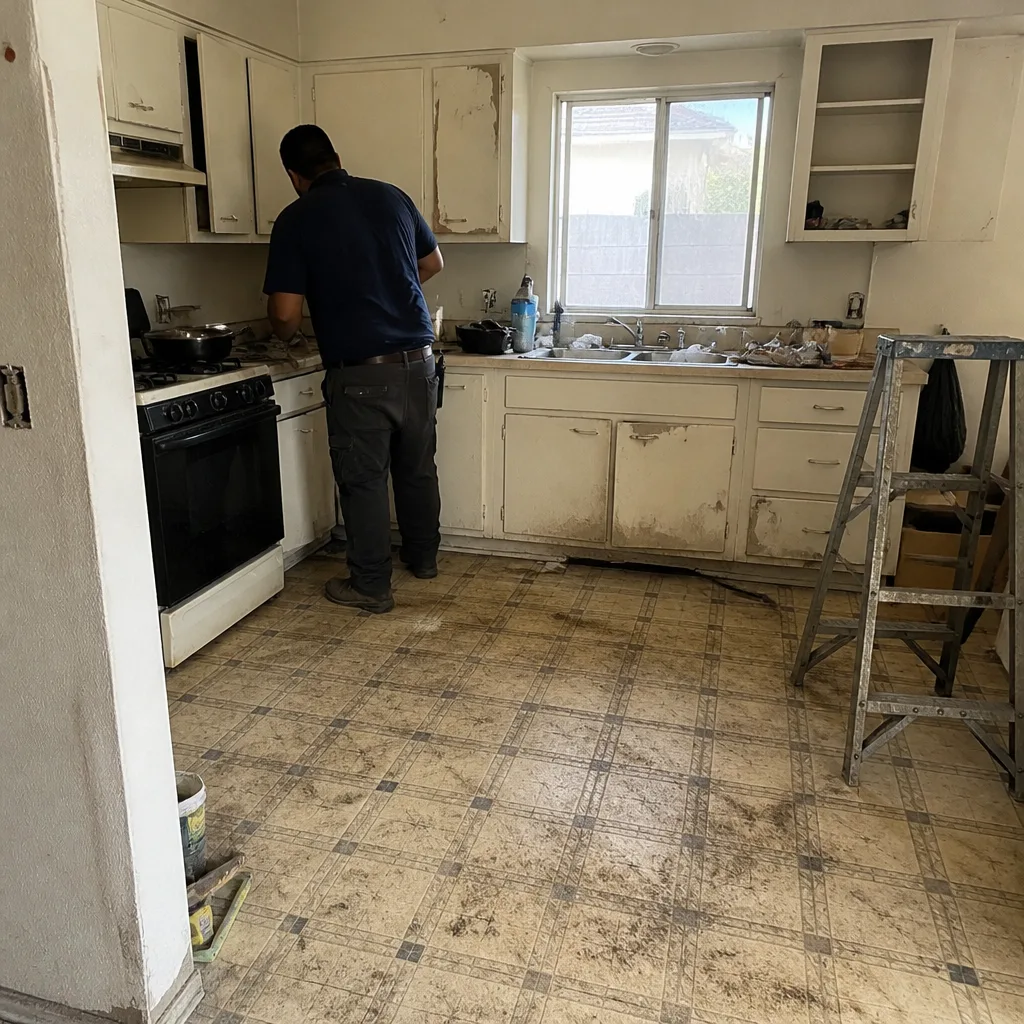
- Kitchen remodeling
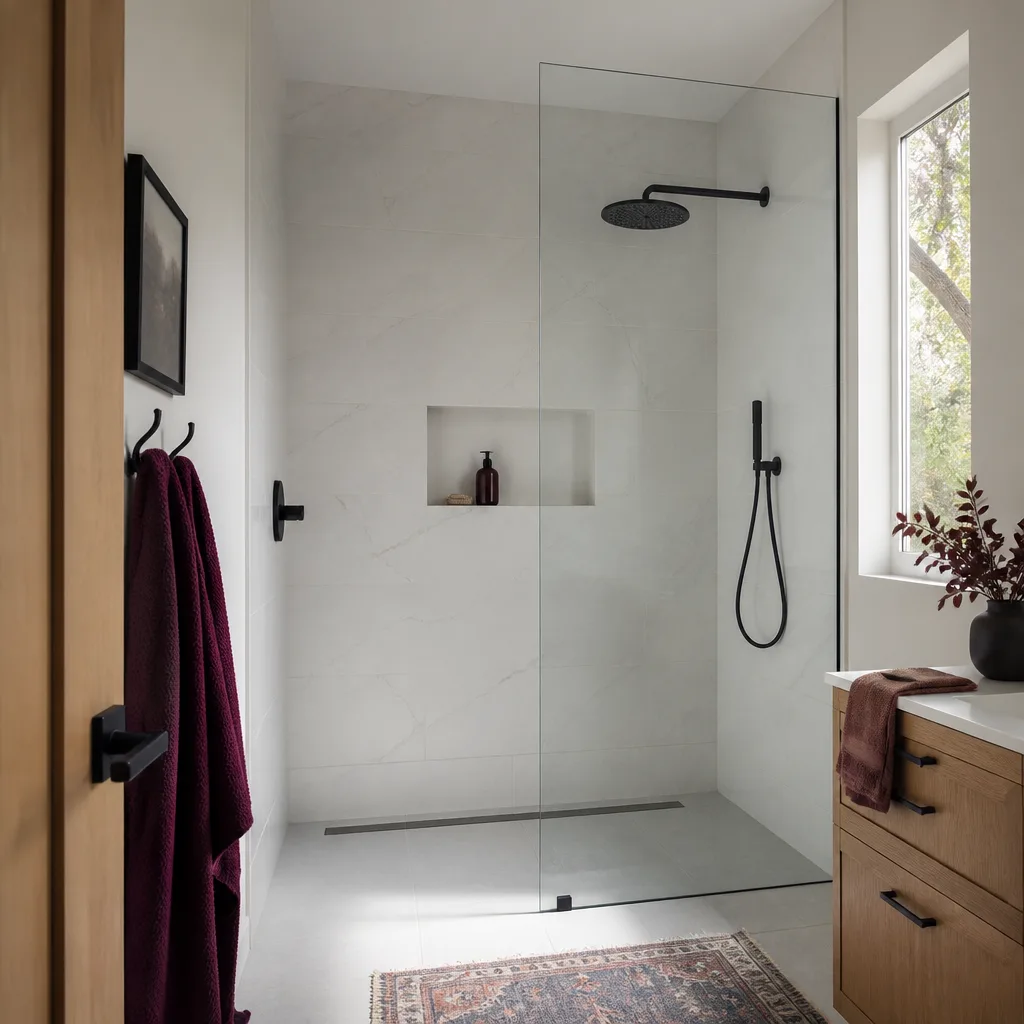
- Bathroom remodeling
- Home additions & ADU
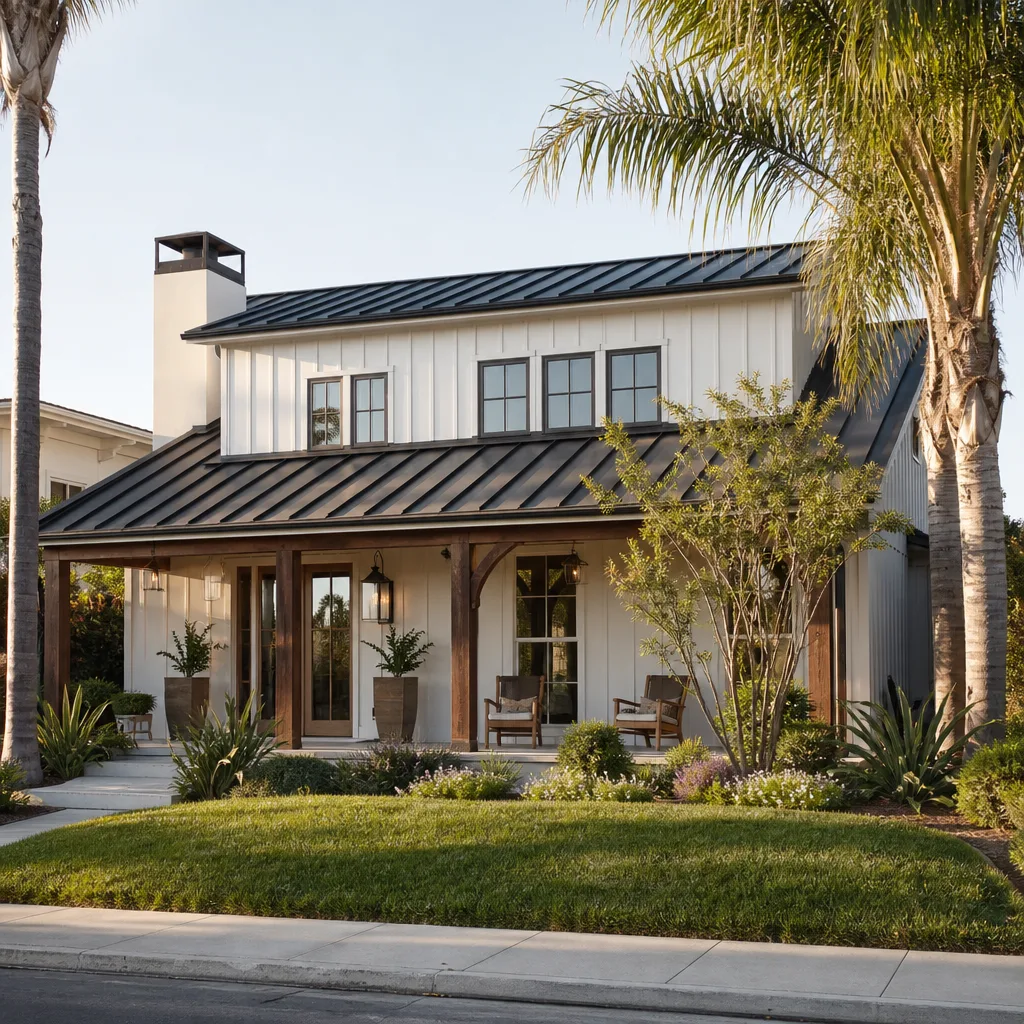
- Roofing
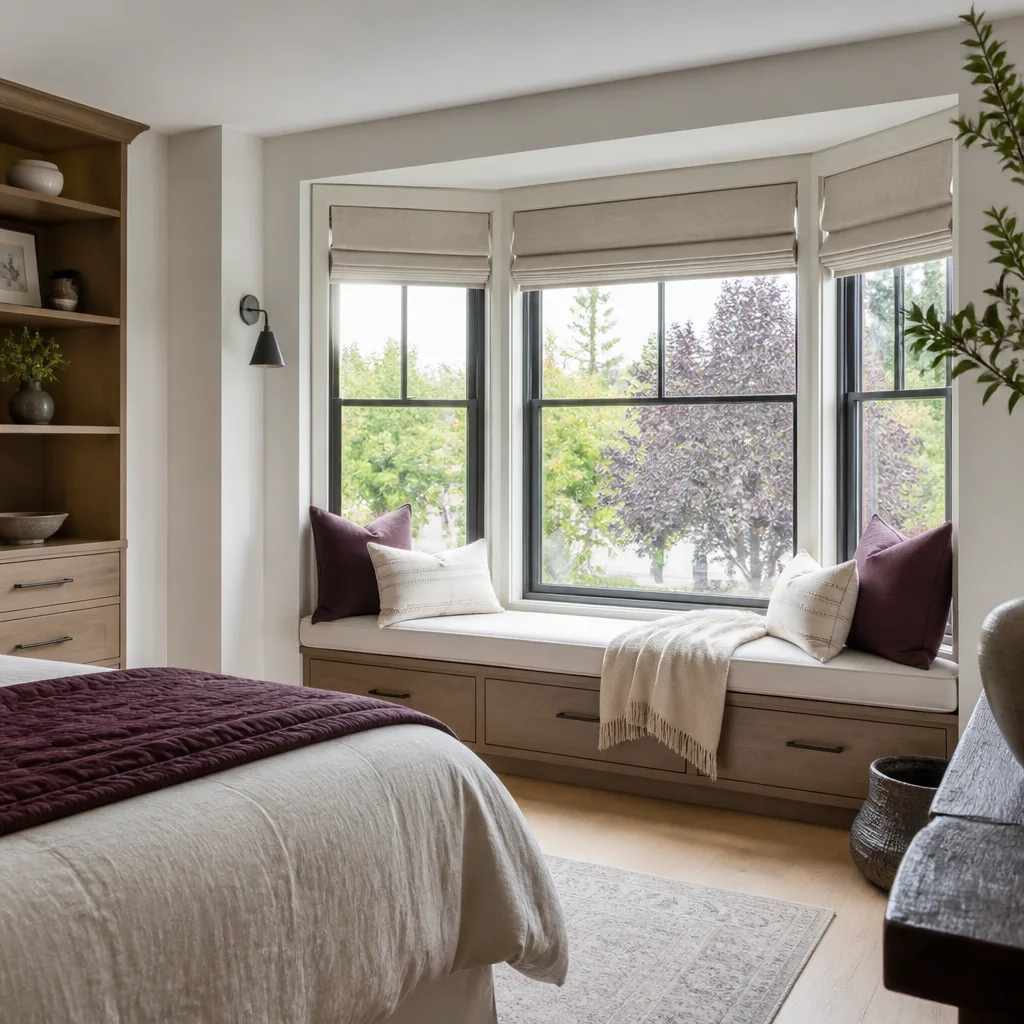
- Windows & doors
- Driveway & pavers
- Fence
See the difference
 Before
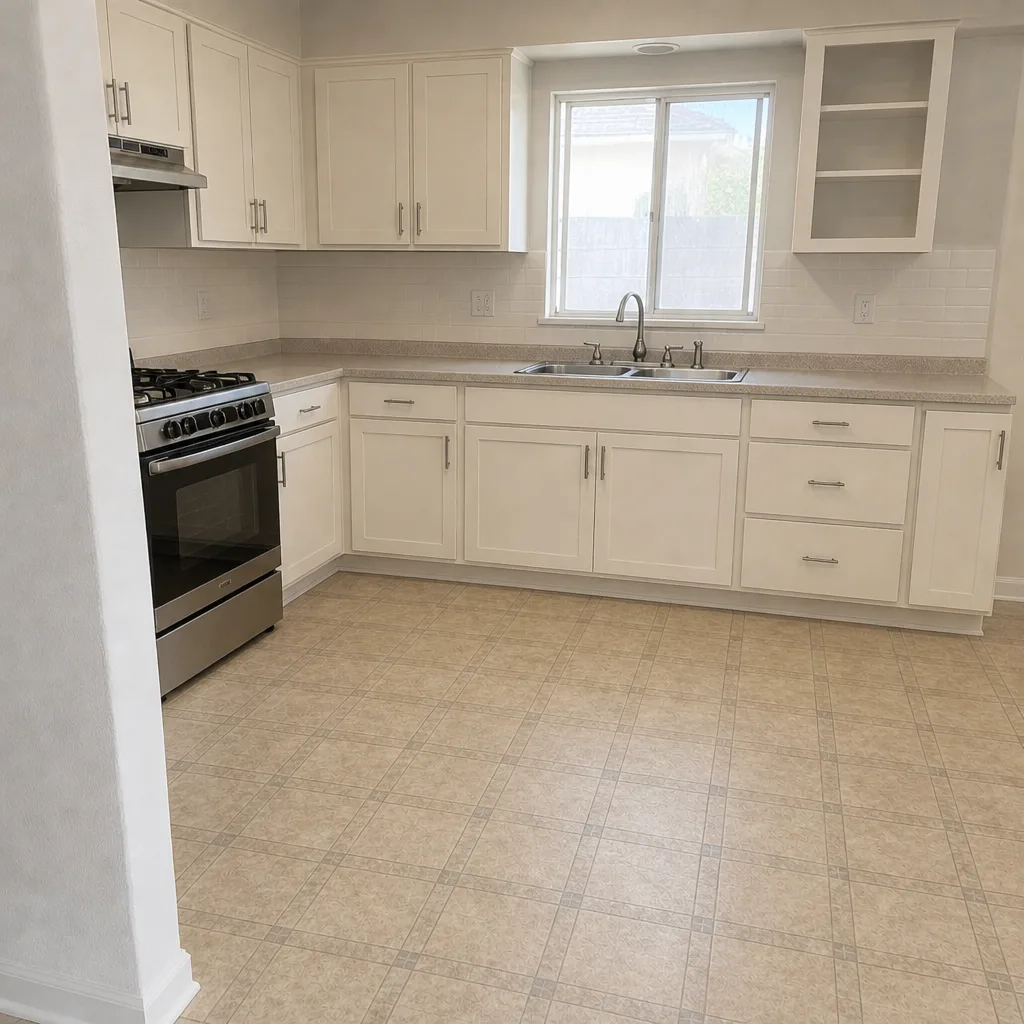 After
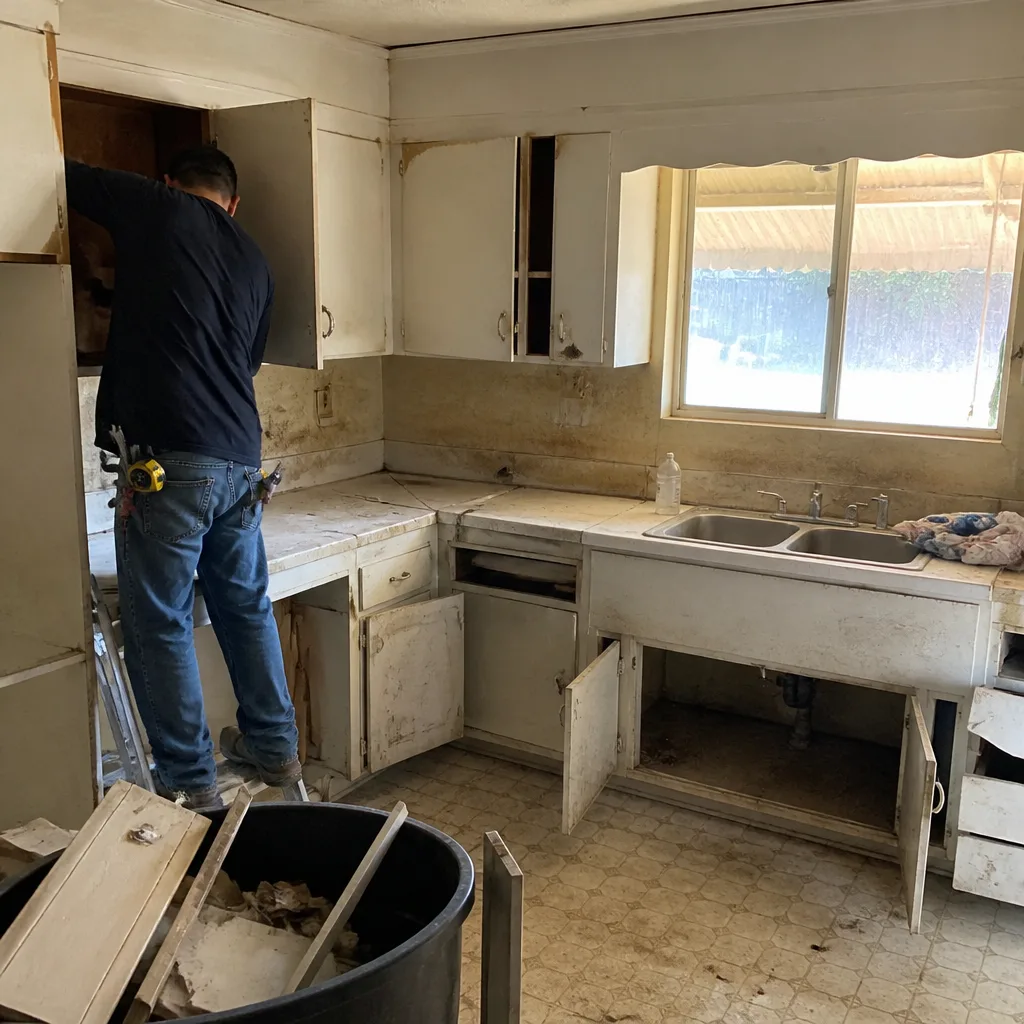 Before
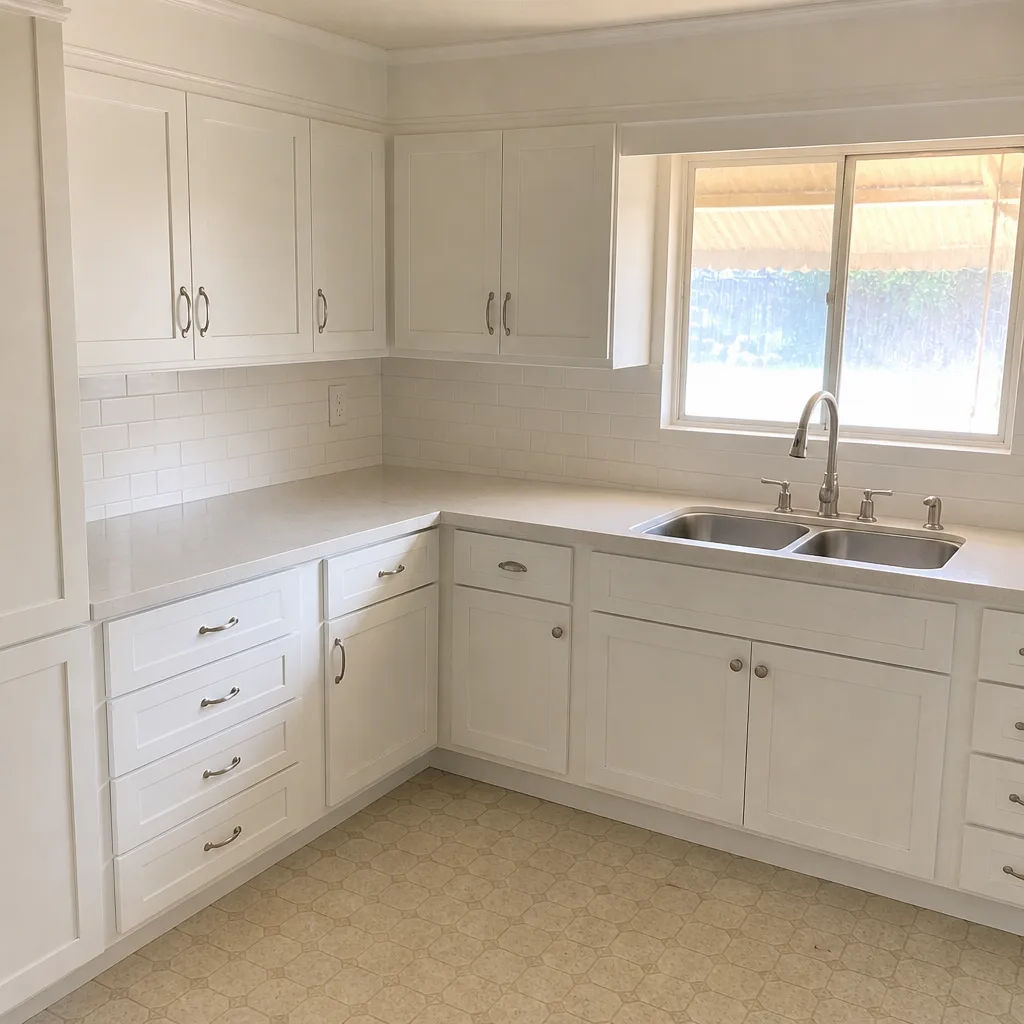 After
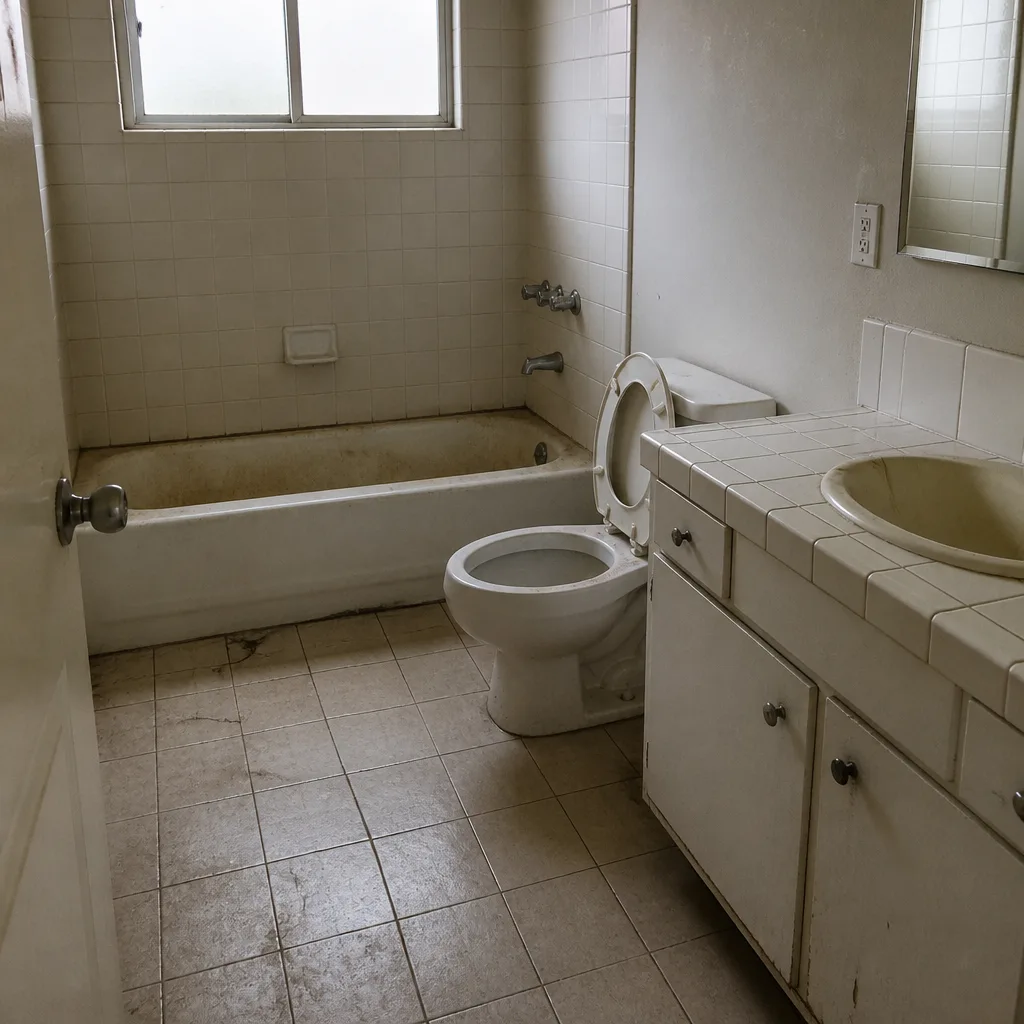 Before
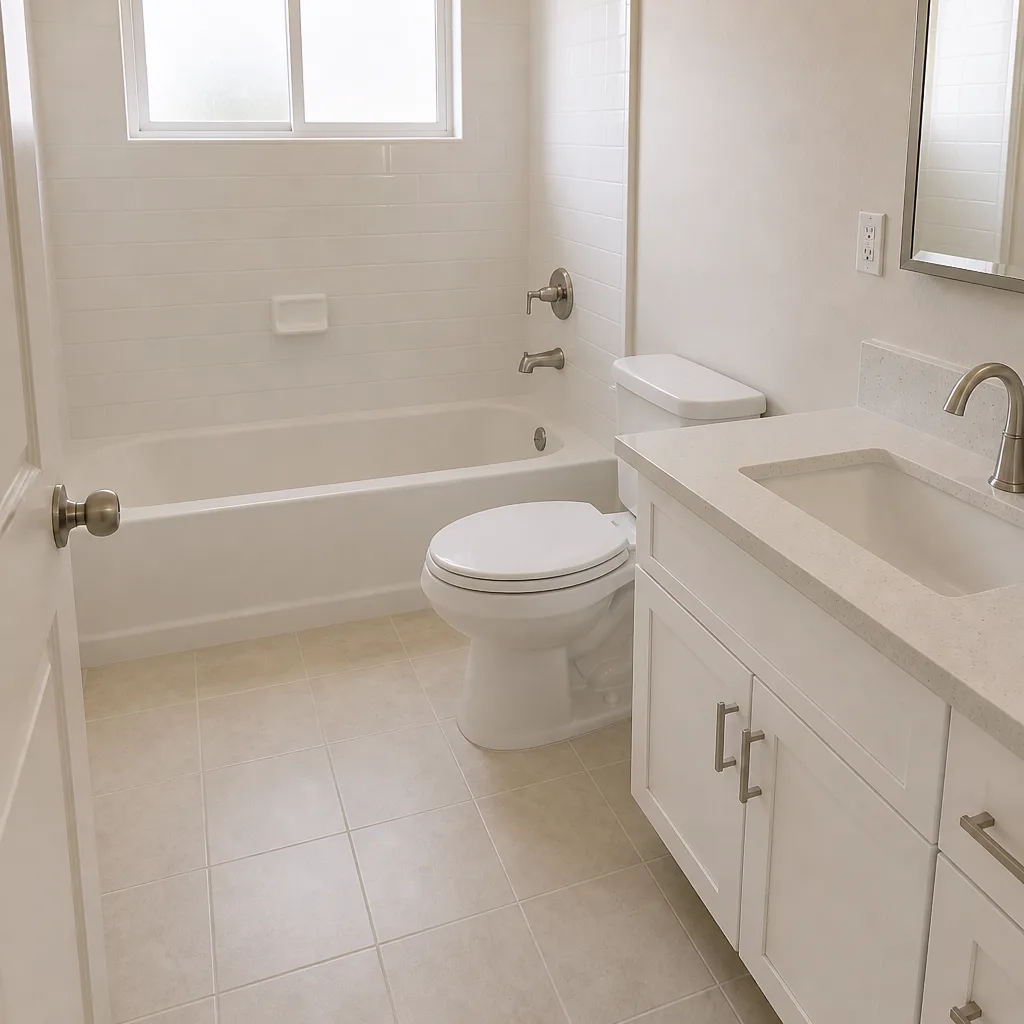 After
Do you need a permit for a home addition in Santa Ana? Yes, and the past work on your lot matters too
Yes. Santa Ana requires a building permit for essentially any addition to a home, and if your property already has an unpermitted addition from decades ago, that prior work has to be reconciled with the city before your new permit can move. The most common reason a Santa Ana addition stalls isn’t the new square footage at all: it’s the unpermitted room somebody built on the back of the house in the 1970s. Call Rowan Construction Group Santa Ana at (833) 853-5955 for a free estimate and we’ll tell you in writing what your particular lot is up against.
The other piece most homeowners don’t hear until after they’ve paid for drawings: on a Santa Ana bungalow built between 1910 and 1950, a pier-and-beam foundation often needs a soils or structural engineer’s letter before the city will issue an addition permit. The city wants confirmation the existing foundation can carry the new load. That letter is a real line item, not a formality, and it belongs in your budget from day one.
Permitted additions in Santa Ana generally run $45,000-$130,000 depending on size, foundation work, and how much reconciliation the parcel needs. That’s the number to hold onto while you read the rest of this.
What actually triggers a permit in Santa Ana?
The Santa Ana Building Division requires a permit for any addition over 120 square feet, any structural modification, and any work that changes egress, electrical load, or plumbing lines. There’s no square-footage loophole for occupied space; if somebody’s going to live or sleep in it, it’s permitted.
In practice, that means an addition always pulls a permit, because it always touches at least one of those triggers. The permit is the easy part. What catches people is what the review finds underneath.
Here’s what the process involves on our side:
- Written scope before drawings. Under Clause 1 of the Haven Standard, the price is written before anyone starts. On an addition, that means the reconciliation cost (if any) appears as a line item in the signed proposal, not as a change order six weeks in.
- Zoning check first. Setbacks, lot coverage, and height limits on a narrow downtown lot often decide the footprint before a designer ever touches it.
- Structural letter when the foundation is pier-and-beam. Common on this age of stock and required by the city before an addition permit issues.
- Plan check, then the counter stamp. Nothing gets stamped until the prior-work question is settled.
Why unpermitted past additions block the new one
Dense blocks near downtown and Lacy have had additions stacked informally onto these bungalows for decades. A back room here, an enclosed porch there, a converted garage that was never inspected. Santa Ana doesn’t ignore that history when you file for new work; it opens a reconciliation review, and the city can require as-built drawings, inspections, and retroactive corrections before your new permit moves forward.
We see the same pattern on the alley lots: rear garages converted to living space faster than permits could keep up. On those parcels, the first job is figuring out which existing walls and utilities were built legally and whether the alley gives legal access. That determines whether you’re looking at a clean addition or a reconciliation project, and those are very different budgets. An Home Additions & ADU project on a lot like that starts with a survey of what’s already there, not a sketch of what you want.
What the reconciliation can cost, and how we keep it from surprising you
Reconciliation is the variable. It shows up as engineer letters, as-built drawings, required corrections, and sometimes a system upgrade the city won’t sign off without. The one we see most often in Santa Ana’s older housing stock is a panel upgrade from 100-amp to 200-amp service, because a 1910s-1950s home with old wiring and a new addition’s electrical load doesn’t pass.
Here’s how that gets handled under the Haven Standard: no work proceeds on a change until the change order is signed. If the permit review surfaces a panel upgrade, no electrician touches the box until you’ve signed a dollar figure for that specific scope. That discipline is why our projects finish within a few percent of the number agreed at signing.
Some ballpark numbers for the line items that come up on a Santa Ana addition:
| Line item | Typical range |
|---|---|
| Home addition (permitted) | $45,000-$130,000 |
| ADU construction | $90,000-$220,000 |
| Garage conversion | $30,000-$80,000 |
| Roof work on the addition’s tie-in | $400-$20,000 (repair to full replacement) |
Roofing brands like GAF and Owens Corning come up when an addition ties into an existing roof line, because the tie-in is where leaks start. That’s the sort of thing we describe in plain terms, in writing, before anyone picks up a tool.
What the local conditions do to an addition here
Santa Ana’s near-coastal, semi-arid climate is mild most of the year, but heat cycling cracks stucco and the fall Santa Ana wind episodes dry out exterior wood, so dry rot is a recurring find when we open up a wall on an addition. On the eastern foothill edges of the city, wildfire-defense and ember-resistant venting requirements also shape exterior work. An addition isn’t just square footage; it’s a set of exterior decisions that have to answer to the site.
The city’s housing stock drives the demand. Much of it is dense 1910s-1950s bungalows and Craftsman cottages on narrow lots, many with detached rear garages that are prime candidates for conversion. Many of these parcels are multigenerational households adding space for family, and many are income-property owners squeezing another legal unit onto a small lot. In that market, the permit question and the reconciliation question are usually the same question.
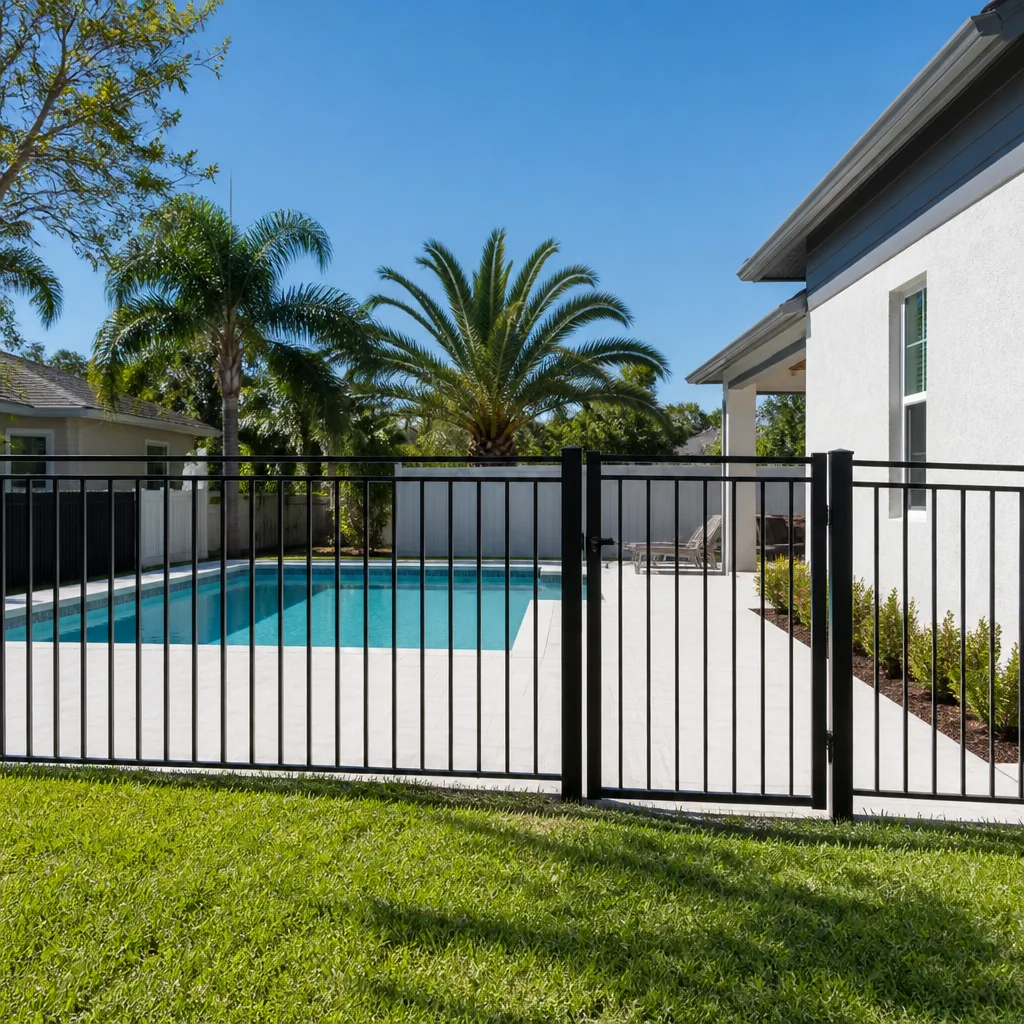
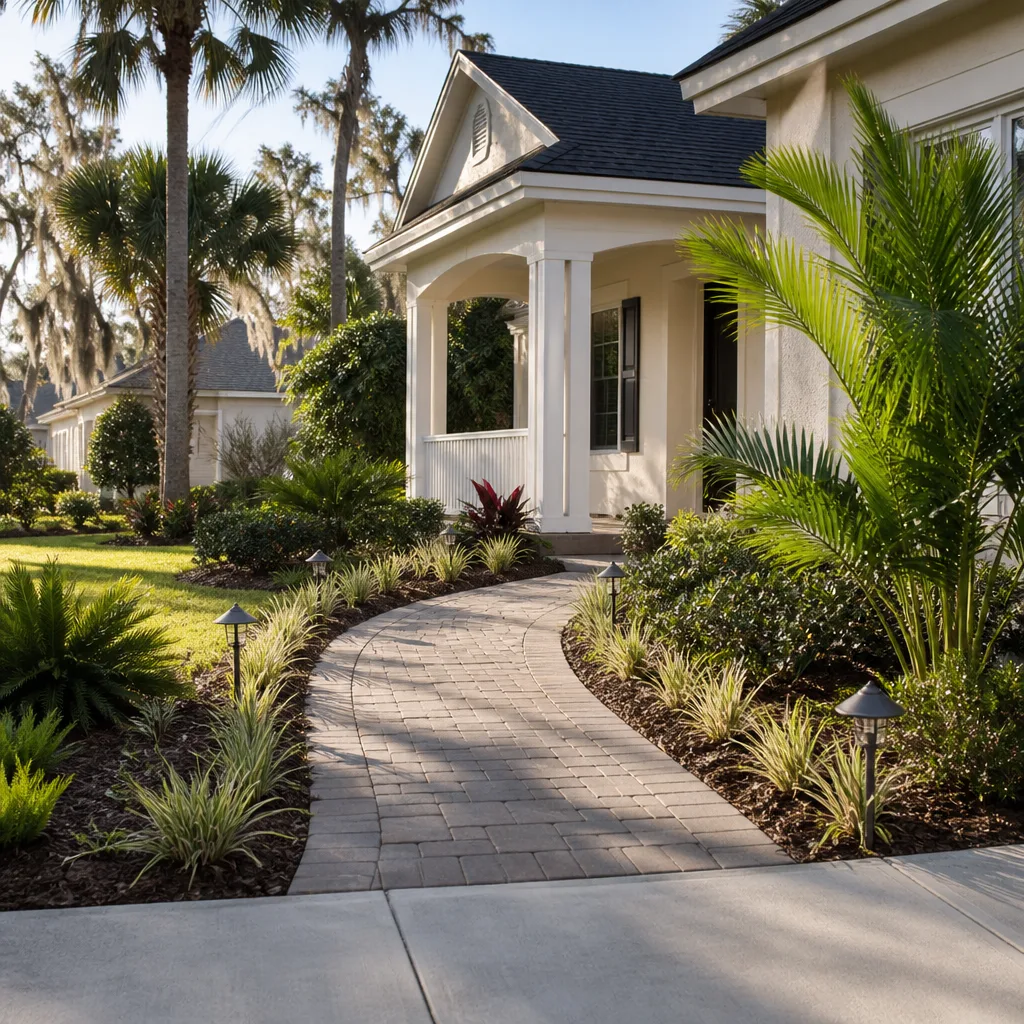
When the job involves fence or exterior hardscape around the addition, brands like Belgard and Unilock are ones we trust to hold up to the local sun and wind without our having to say so twice. That’s the kind of sourcing depth that keeps a written quote honest rather than inflated.
Common local scenarios we run into
- The stacked-addition bungalow. Three informal additions over five decades, none permitted. The new project starts with reconciliation and a structural letter before any new footprint exists.
- The alley garage. Rear garage partly converted to living space on a downtown or Lacy-area lot. First task: survey what was built legally and whether the alley provides legal access.
- The 100-amp holdout. Older wiring, a new addition’s load, and a panel the city won’t sign off on without an upgrade.
- The multigenerational add-on. A room for aging parents in a household that has lived in the same Santa Ana house for generations, where the foundation and the foundation’s documentation become the deciding factors.
How Rowan Construction Group Santa Ana works with you
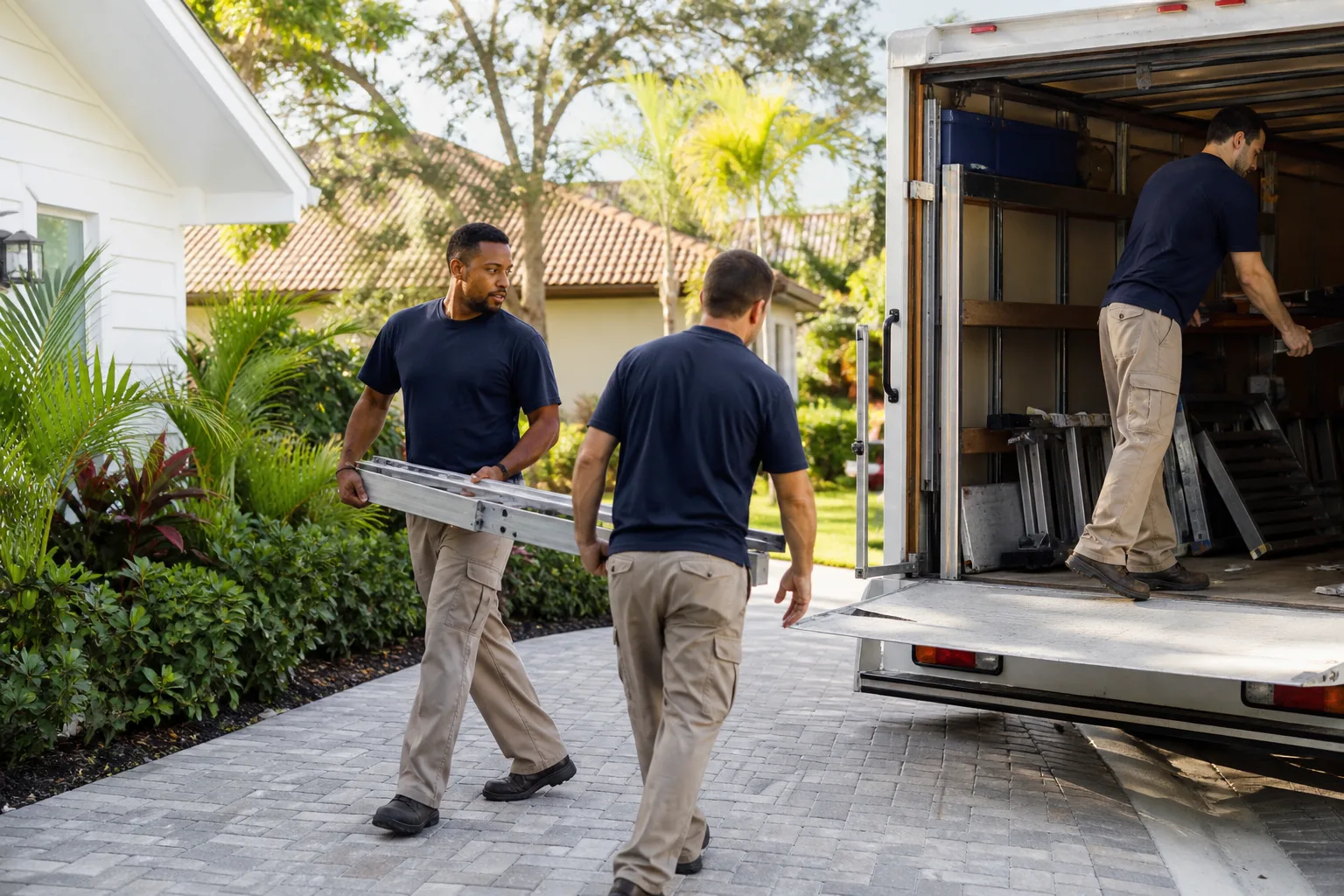
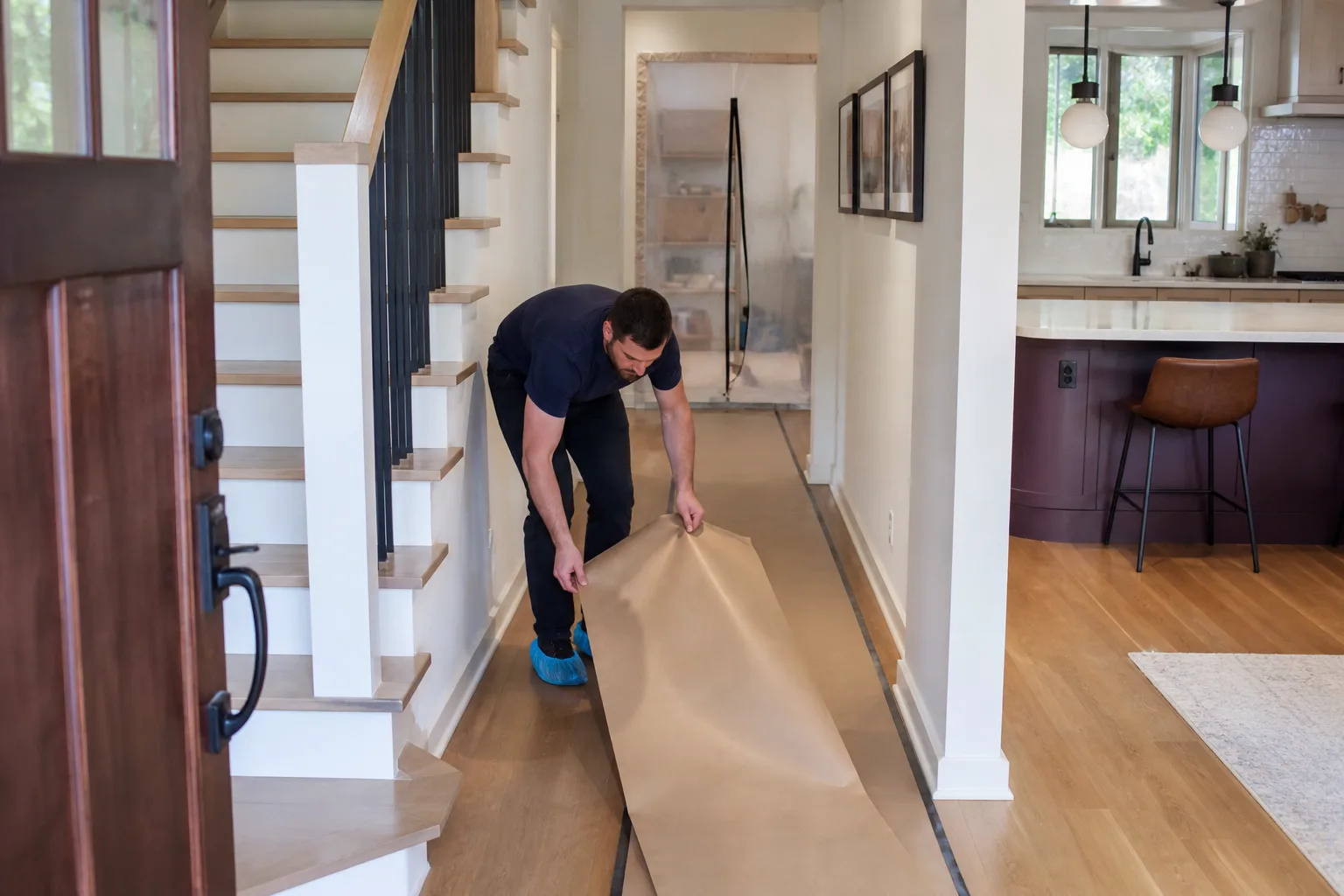
Rowan Construction Group Santa Ana was founded in 2007 and has delivered 4,000-plus projects, each one with a written price before work started and a documented record when the crew left. Our technicians have up to 19 years of experience. We bring background-checked, uniformed technicians, a live person answering calls around the clock, and a documented photo record on every visit as a standard deliverable rather than an add-on.
We also offer a free second opinion on any written estimate you’ve already been given. Bring a competitor’s quote and we’ll review it line by line at no charge. Our written warranty is a flat price with a written scope and a written warranty, and the 365-Day Done Right Promise backs it: if it isn’t done right, we make it right. That’s not a slogan; it’s printed on every page and backed by a terms page, not an asterisk.
FAQs
Yes, if it’s occupied space. Santa Ana’s threshold doesn’t create a loophole: any work that changes egress, electrical load, or plumbing lines requires a permit regardless of square footage, and occupied additions always touch at least one of those. Call (833) 853-5955 for an exact read on your project.
The city can require a reconciliation review before your new permit moves forward, which means as-built drawings, inspections, and retroactive corrections. It’s common on dense downtown blocks where additions were stacked informally over decades. Get the reconciliation scoped and priced in writing before you pay for drawings. Call (833) 853-5955 and we’ll review your lot’s history with you.
Because the city needs confirmation the existing foundation can carry the new load before it issues an addition permit, and pier-and-beam is common on 1930s-1950s bungalows here. The letter is a real cost and belongs in your budget from the start, not as a surprise later. Call (833) 853-5955 for a free second opinion on the number you’ve been quoted.
Most permitted additions run $45,000-$130,000, depending on size, foundation work, and how much reconciliation your parcel needs. ADU construction lands at $90,000-$220,000 and garage conversions at $30,000-$80,000. Call (833) 853-5955 for a flat written price before anything starts.
If you’d rather have it looked at, Rowan Construction Group Santa Ana offers a no-pressure assessment in Santa Ana. We’ll tell you what your lot needs, what the city will ask for, and what it costs, all in writing before a tool comes out. Call (833) 853-5955 for a free estimate.
Written by the team at Rowan Construction Group Santa Ana, serving Santa Ana, CA.