Last updated November 18, 2026
Free written scope consultation - allowances, timeline, and change-order rules on paper before a single trade is scheduled
How Long Does Home Additions & ADU Take? Timelines and What to Expect
Most contractors quoting an ADU will tell you a single number: “about 30 weeks.” That number describes only the construction phase and quietly ignores the two clocks running beside it. In Santa Ana, the building department’s plan-check window for a new detached ADU currently runs six to ten weeks, and that clock starts over if your submitted package is returned as incomplete. Meanwhile, structural lumber, windows, and HVAC equipment have their own lead times that must overlap with permitting, not follow it. This guide breaks down all three clocks, phase by phase, so you can plan against reality instead of a sales estimate.
Quick Answer
Plan on 14 – 22 weeks for a garage conversion, 22 – 34 weeks for an attached addition, and 28 – 44 weeks for a detached new-construction ADU in Santa Ana, measured from a complete permit application to final inspection. Those ranges assume permitting, material procurement, and construction are run in parallel rather than back to back. If your contractor’s timeline starts at “permit issued,” add another 6 – 10 weeks for plan check.
Styles & brands we work with
- Kitchen remodeling
- Bathroom remodeling
- Home additions & ADU
- Roofing
- Windows & doors
- Driveway & pavers
- Fence
Table of Contents
- Why ADU Timelines Have Three Clocks, Not One
- Phase-by-Phase Timelines for Three ADU Types
- How the Santa Ana Plan-Check Process Actually Works
- Material Procurement: The Clock That Runs During Permit Review
- The Inspection Sequence and What a Failed Inspection Really Costs
- Utility Connections and Rain-Season Grading Holds
- Common Mistakes to Avoid
- When to Call a Professional
Why ADU Timelines Have Three Clocks, Not One
An ADU in Santa Ana isn’t finished when the last nail goes in. It’s finished when permitting, material procurement, and construction have all completed, and the slowest of the three sets your delivery date. A garage conversion on the city’s north side might move through plan check in six weeks while a window package sits eight weeks out. A detached unit with a clean permit can still lose a month because the HVAC equipment was ordered after the foundation was poured.
The reason contractors quote construction-only timelines is simple: construction is the phase they control. It’s also the phase easiest to describe in a proposal. The two clocks around it belong to the city and the supply chain, and estimates that leave them out read well but miss by 30 to 60 percent.
We build a schedule around all three from day one. That means the stamped drawings go to plan check the same week the structural lumber package is priced and the window order is drafted, ready to release the day the permit clears. It’s not faster construction. It’s overlapping what can overlap.
One more thing worth naming: an ADU (accessory dwelling unit) is a self-contained living space with its own kitchen, bath, and sleeping area, whether it’s a converted garage or a new structure in the back yard. It’s different from an in-law suite, which in Santa Ana code terms usually means a bedroom-and-bath addition inside the existing footprint. The distinction matters here because the inspection sequence and permit path differ.
Phase-by-Phase Timelines for Three ADU Types
Here’s how the three common ADU types break down in Santa Ana. Weeks are counted from a complete permit submission, not from the day you sign a contract.
- Garage conversion (14 – 22 weeks total): plan check 4 – 7 weeks; procurement 3 – 6 weeks overlapped with plan check; demolition and framing 2 – 3 weeks; MEP rough-in 2 – 3 weeks; insulation and drywall 2 – 3 weeks; finishes 3 – 4 weeks; inspections woven through each phase.
- Attached addition (22 – 34 weeks total): plan check 6 – 9 weeks; procurement 4 – 8 weeks overlapped; foundation and structural tie-in 3 – 5 weeks; framing 2 – 4 weeks; MEP rough-in 3 – 4 weeks; drywall and finishes 5 – 7 weeks. The long pole is the roof-to-wall tie-in and matching the existing home’s framing.
- Detached new construction (28 – 44 weeks total): plan check 6 – 10 weeks; procurement 6 – 10 weeks overlapped; site work, utilities, and foundation 4 – 6 weeks; framing 4 – 5 weeks; MEP rough-in 3 – 4 weeks; insulation, drywall, and sheathing 4 – 5 weeks; finishes 5 – 7 weeks; utility connections 2 – 6 weeks depending on the utility company.
Santa Ana’s soil conditions push foundation work on some lots. The city sits on a mix of older alluvial ground near the Santa Ana River corridor and more stable substrate inland toward South Coast Metro. Add two or three weeks if the soils report calls for a post-tensioned slab or deeper footings. We don’t know which applies to your lot until geotech comes back, so we budget for that contingency up front rather than discovering it after the first concrete pour.
How the Santa Ana Plan-Check Process Actually Works
The Santa Ana building department runs a 6-to-10-week plan-check window for a new detached ADU. That window begins only after a complete application is accepted. Submit an incomplete package and the clock resets when you resubmit, which is why two projects submitted the same day can finish plan check seven weeks apart.
Two items get returned most often. The first is fire-rated construction where the ADU is close to a property line or to the main house. Santa Ana’s zoning code treats the 4-foot and 5-foot setbacks differently from other California cities on this point, and plans drawn to a generic template routinely miss it.
The second is utility connection drawings. The city wants to see how the ADU ties to the main house’s sewer and water lines, or how a new tap is sized and routed, and it wants the routing drawn, not described. That drawing typically comes from a civil engineer and adds a week to the drawing package. Missing it stalls the application.
- Gather zoning clearance, drawing set, structural calcs, Title 24 energy report, soils report, and utility routing.
- Submit electronically and confirm the package is marked complete, not “received pending completeness.”
- Track each review discipline separately: planning, structural, electrical, mechanical, plumbing, fire.
- Respond to correction letters within five business days; every reply pulls the file back into queue.
- Pay fees and collect the stamped set. This is the moment procurement releases the material orders.
If that sequence sounds administrative, it is. The Haven Standard’s first clause exists because the written price and written scope are settled before anyone picks up a tool, and it applies to the permit path the same way. No work proceeds on a change until the change order is signed, and no crew starts a phase until the permit for that phase is in hand. You can see how we sequence this on our Home Additions & ADU in Santa Ana page.
Material Procurement: The Clock That Runs During Permit Review
Structural lumber, windows, and HVAC equipment each have a lead time that has to be ordered during permit review, not after. Ordering after permit issuance adds four to eight weeks to the schedule, which is the error we see most often when a homeowner’s first contractor underbid the job and walked.
Specifics matter here. A custom window package for a detached ADU typically runs six to ten weeks from release to delivery. Standard sizes from a stock line run three to five. A ducted split-system HVAC unit in the three-zone range currently sits four to six weeks out. Structural engineered lumber, LVL beams and I-joists, runs two to four weeks depending on the span and the manufacturer’s production queue.
Our sourcing depth across fifty-plus vetted brands helps here. KraftMaid and Wellborn cabinets, Cambria and Caesarstone countertops, GAF and Owens Corning roofing, and fixtures from names like Toto and American Standard all sit inside known dealer networks with published lead times. When we put a written quote together, the line items reflect real product, not a placeholder allowance that balloons later.
The discipline is to have purchase orders drafted and vendor hold letters in hand before the permit clears, with release contingent on permit issuance. That gives you delivery inside the procurement window instead of after it.
The Inspection Sequence and What a Failed Inspection Really Costs
A full ADU build in Santa Ana runs six inspection milestones in sequence. Each one must pass before the next phase can start, which is why a single failure compounds.
- Foundation: pre-pour inspection of rebar, anchor bolts, and utility sleeves, then post-pour verification.
- Rough framing: studs, headers, sheathing nailing, and roof tie-in.
- Rough MEP: electrical, plumbing, and mechanical all inspected together, including drain-waste-vent testing.
- Insulation and sheathing: Title 24 compliance verification before drywall.
- Drywall: screw pattern and fire-rated assemblies if any apply.
- Final: every trade and a final life-safety walkthrough.
Each failed inspection adds a minimum of five to ten business days for re-inspection scheduling, and longer in a busy season. That’s not counting the trade’s return trip. A failed rough-framing inspection doesn’t just cost scheduling slots; it costs the framing crew’s spot in the queue, which can move to another job.
So we inspect our own work against the city’s checklist before we call for an inspection. The photo record we leave on every visit documents what was checked and what was corrected before the inspector arrives. It’s a standard deliverable, not an add-on, and it’s the single most reliable way to keep a schedule honest.
Utility Connections and Rain-Season Grading Holds
Two schedule-extension events live outside the building department’s control, and both deserve a place in your plan.
The first is utility connections. Southern California Edison and SoCal Gas run their own service timelines, independent of the building permit. A new electrical service panel or a gas line upgrade to support an ADU’s appliances can add two to six weeks after the city has already signed off. Neither utility is slow by design; they have their own engineering review, trenching schedule, and connection queue. The only way to compress that window is to apply for service right when the plans go to plan check. If you wait until construction is finished, you’re waiting twice.
The second is rain-season grading. Santa Ana’s wet season runs October through March, and grading operations are typically held after significant rainfall until the site dries sufficiently. A pair of storms can cost two weeks. Grading near the Santa Ana River corridor, where soils hold moisture longer, can cost more. A detached ADU with a foundation start in November needs a rain contingency of three to four weeks in the schedule and a written plan for site protection.
Roofing, fencing, and paving all share this weather exposure. If your ADU project also includes replacing the main house roof or installing a fence along the property line, our Fence Installation in Santa Ana and Driveway & Pavers in Santa Ana crews schedule those phases around the same weather window so grading and paving aren’t waiting on each other.
See the difference
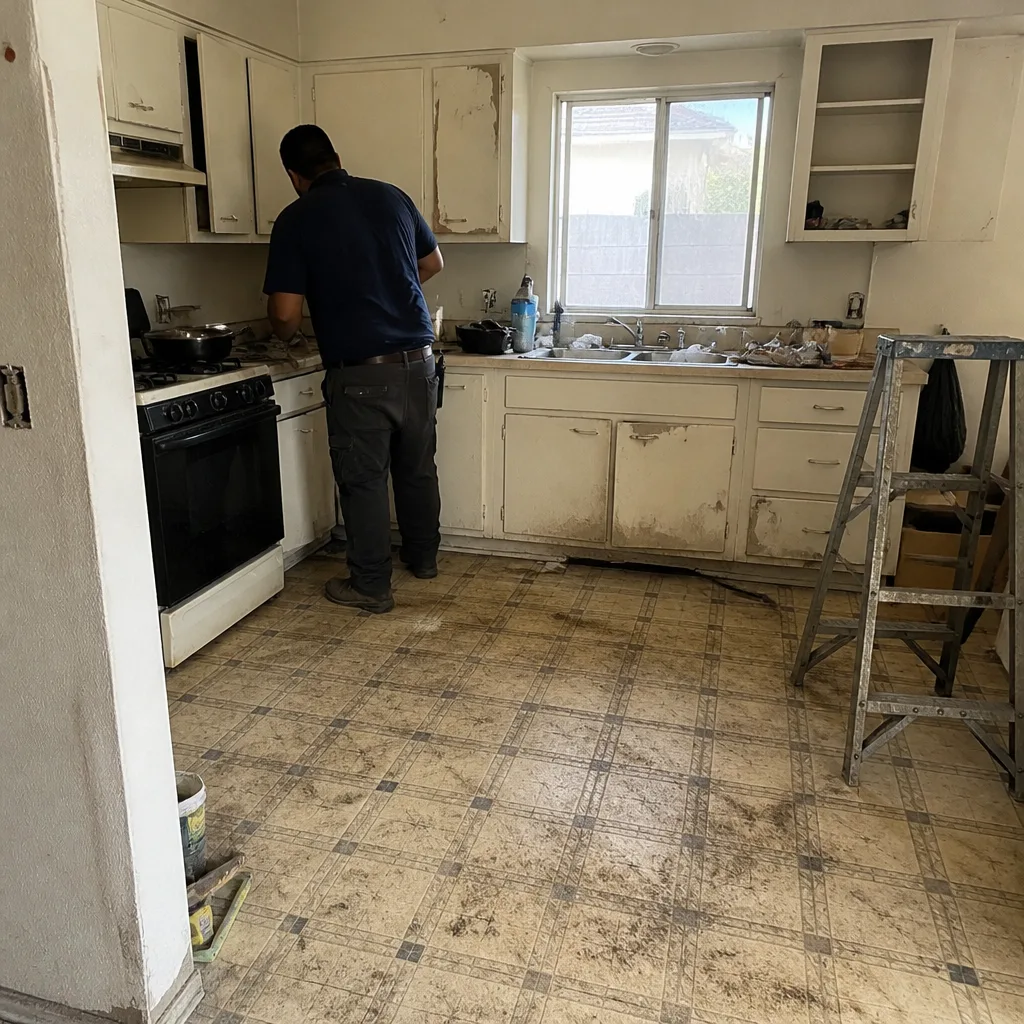 Before
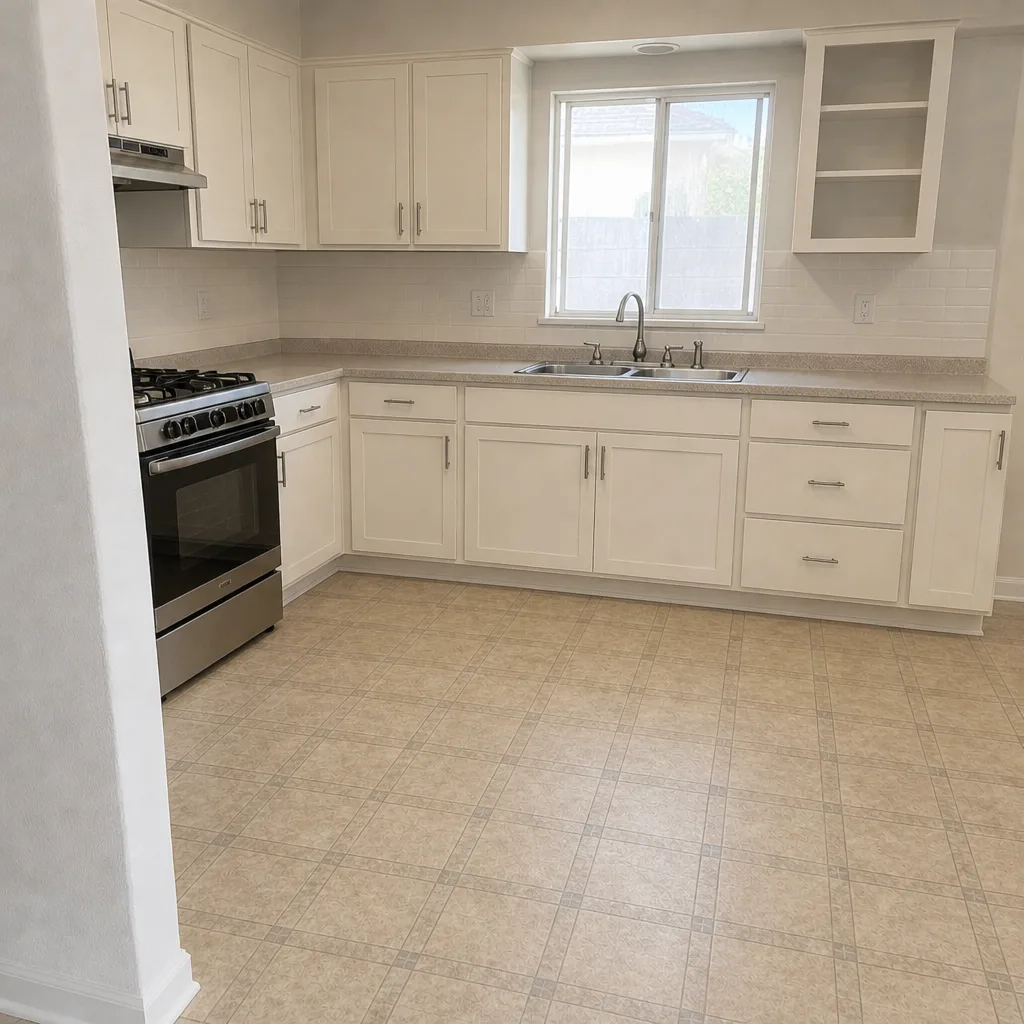 After
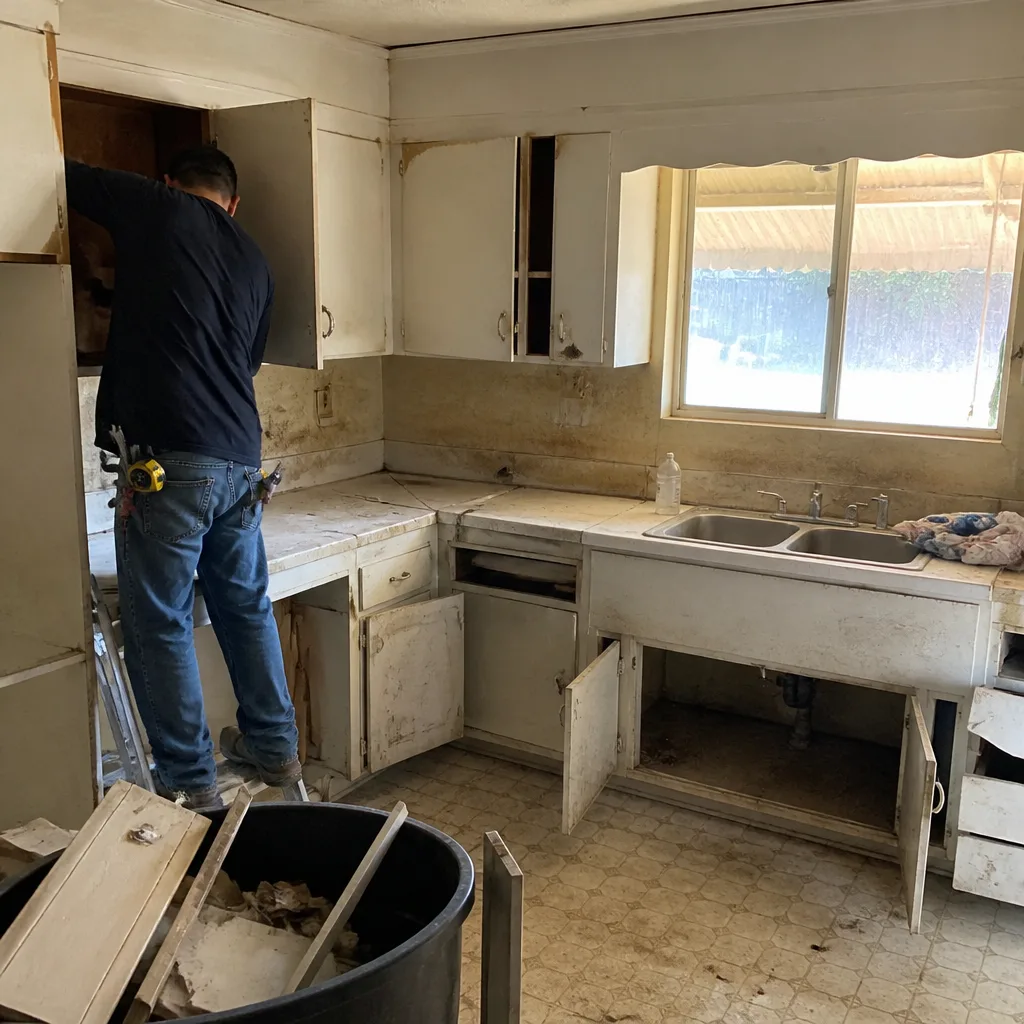 Before
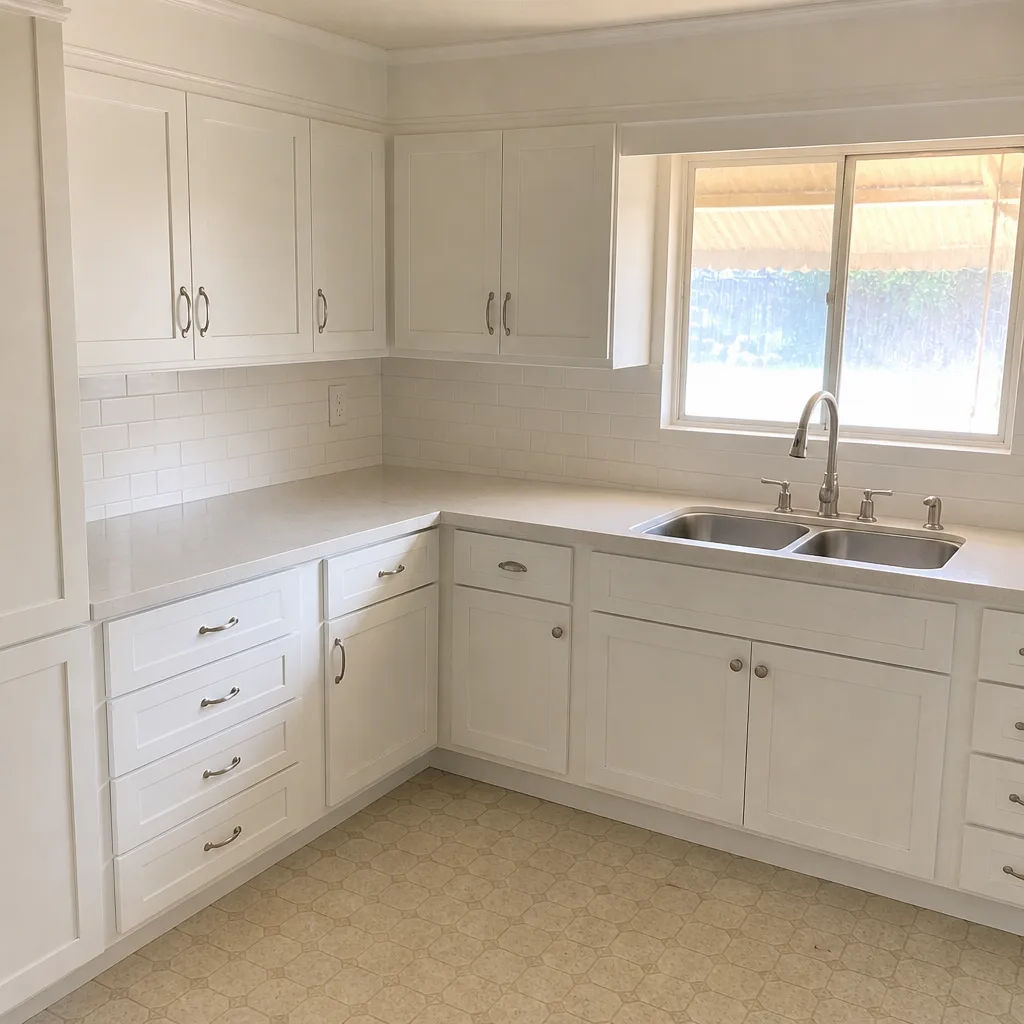 After
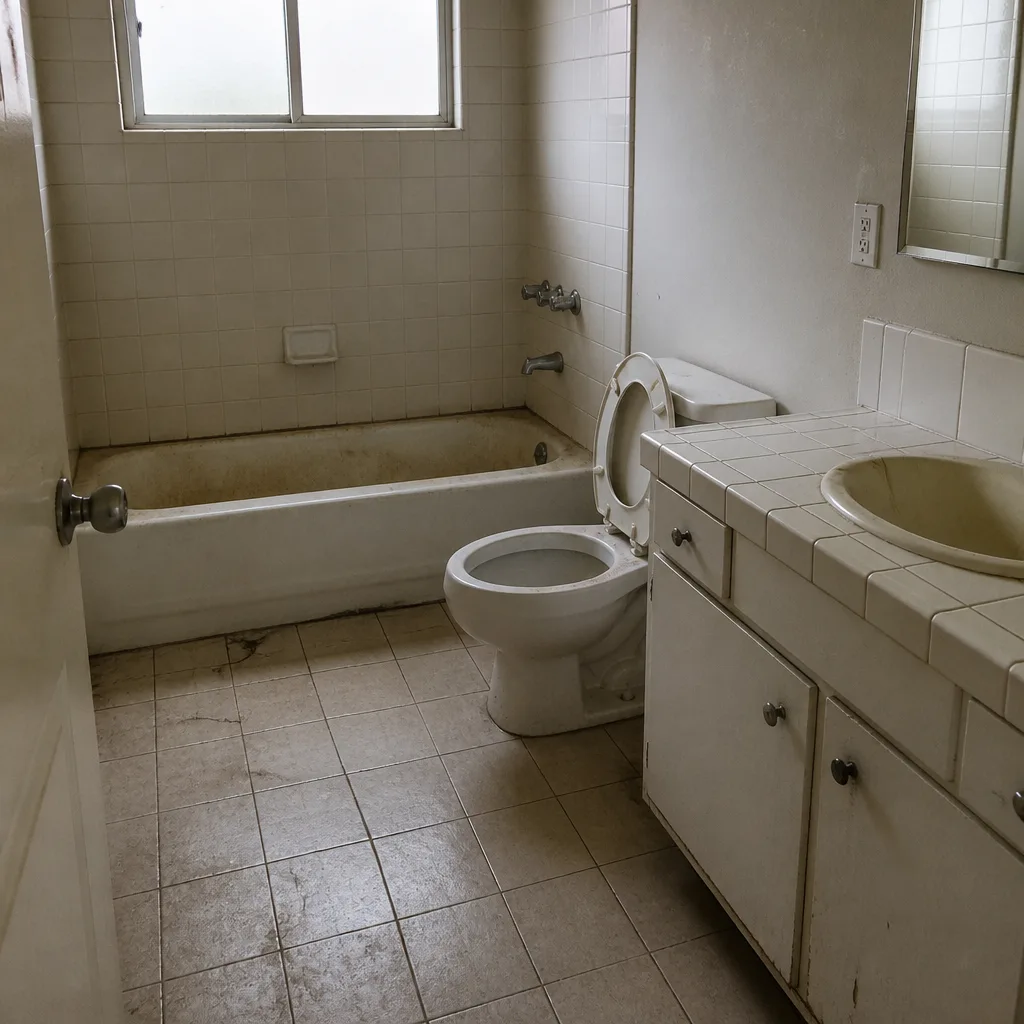 Before
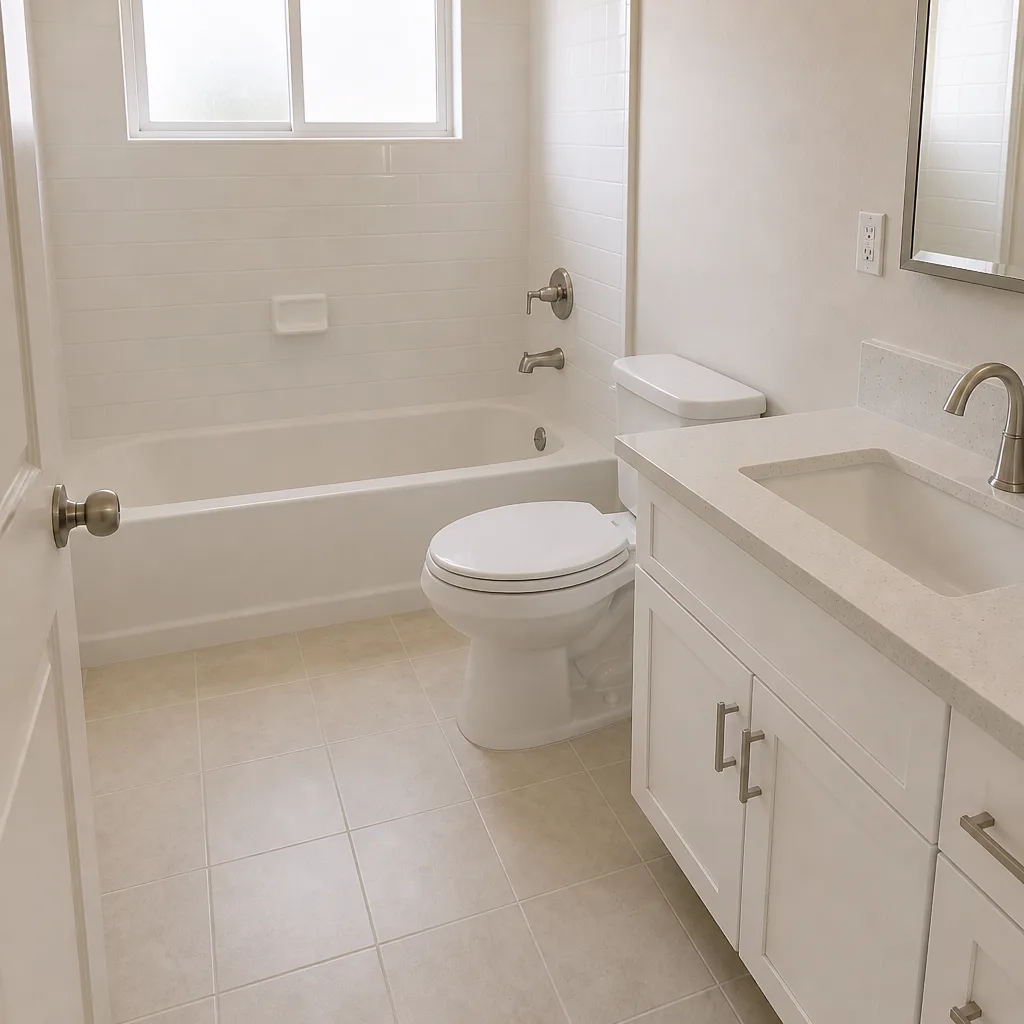 After
How Long Does a Home Addition Take Compared to an ADU?
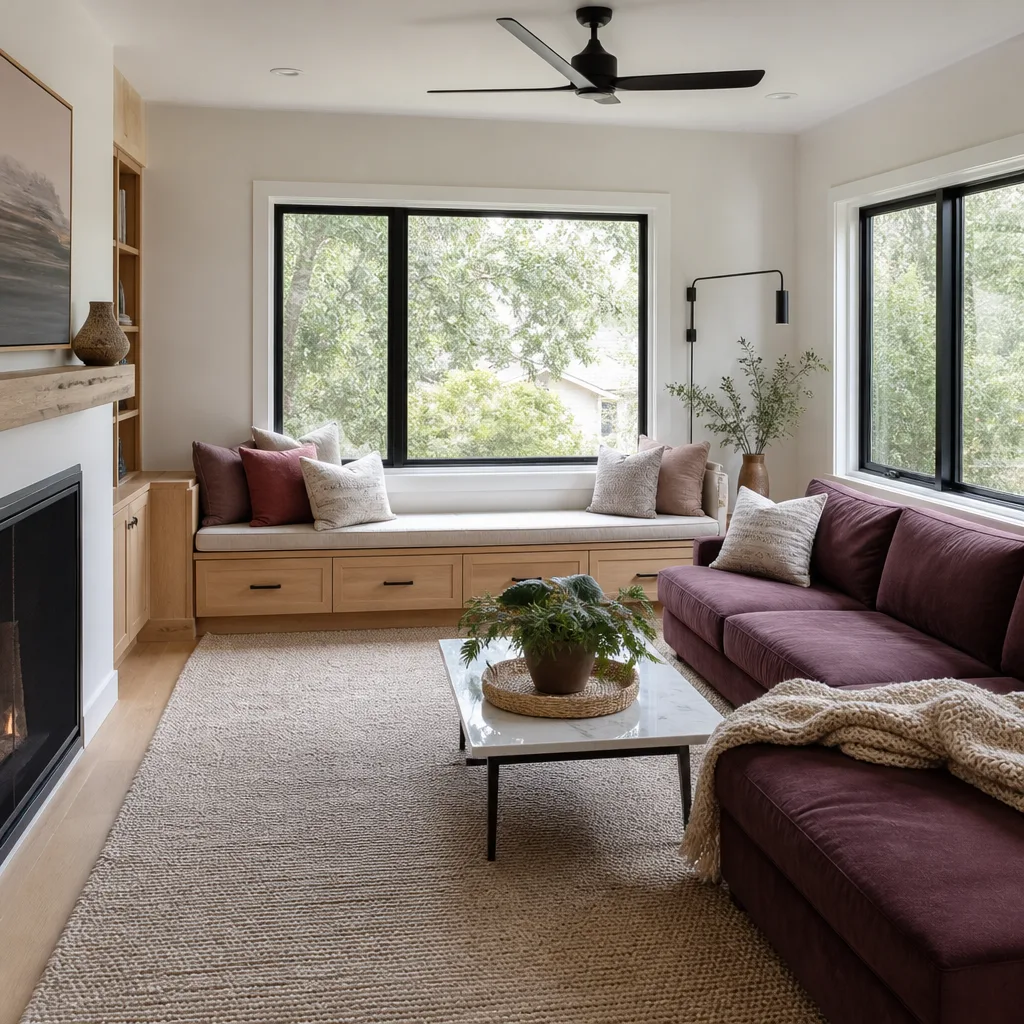
A home addition generally moves faster than an ADU of similar square footage, largely because it doesn’t require a new utility tap or a separate service address. A two-room addition with a bath typically runs 20 – 30 weeks from complete application, with the same three-clock structure underneath. The plan-check window for an addition runs slightly shorter in Santa Ana, in the 5-to-8-week range, because the utility routing drawing is usually unnecessary.
The exception is a rear addition that changes the roofline. That triggers a structural review of the existing home’s framing, and the inspector will want to see how the new load transfers. Budget an extra two weeks for structural review and reserve the roof tie-in for a dry-weather window.
The construction phase of any addition involves trades working in a tight sequence inside the existing home. A kitchen or bath that is being replaced as part of the addition isn’t just a cost line, it’s a scheduling constraint: no one can cook or shower in a room that’s open to the framing studs. Our Rowan Construction Group Santa Ana home page lays out how we sequence multi-trade work when two rooms are open at once.
Common Mistakes to Avoid
- Starting with a construction-only timeline. If the quote describes framing, drywall, and finish without a plan-check window, ask where the permit time went. It hasn’t gone anywhere; it’s been left out.
- Ordering materials after permit issuance. The window package and HVAC unit should be under purchase hold before the permit clears. Ordering after adds four to eight weeks, and the homeowner pays for the gap in rent, storage, or a longer interim living arrangement.
- Submitting an incomplete application. A returned package restarts the Santa Ana plan-check clock. Confirm the fire-rated construction details and the utility routing drawing are both in the submitted set before you press submit.
- Skipping the utility pre-application. SCE and SoCal Gas will not hold a connection queue slot for a project that hasn’t applied. Start the service application the week the drawings go to plan check.
- Scheduling grading for late fall or winter. Santa Ana’s October-to-March rain window is real, and the city will hold grading after meaningful rainfall. A November foundation start needs a rain plan, not a hope.
- Treating a failed inspection as a small delay. Five to ten business days per failure, plus the trade’s rescheduling window, is the honest number. Pre-inspect your own work against the city’s checklist.
- Accepting a verbal price change. If a contractor discovers a condition mid-project and asks to “work it out later,” stop. Under our standard, no work proceeds on a change until a change order is signed.
When to Call a Professional
Some ADU questions are best answered by a contractor on site, not a calculator. If you’re on a lot near the Santa Ana River corridor or in a neighborhood with older homes that have been re-framed over the decades, a pre-construction walk-through will tell you more than any online estimate. If your plan set has been returned twice by the city, the fastest path is a review of the returned corrections by someone who has worked through Santa Ana’s checklist before. If you’re holding a contractor’s written estimate and wondering whether the timeline is realistic, bring it over; a second opinion costs nothing, and we’ll go through it line by line.
Rowan Construction Group Santa Ana offers free estimates in Santa Ana. We deliver a written price with a written scope before any work starts, and the 365-Day Done Right Promise applies to what we build. Call (833) 853-5955 to schedule your estimate.
Frequently Asked Questions
Plan on 14 – 22 weeks for a garage conversion, 22 – 34 weeks for an attached addition, and 28 – 44 weeks for a detached new-construction ADU, measured from a complete permit submission. The wide range reflects plan-check windows of 6 – 10 weeks, procurement lead times of 6 – 10 weeks run in parallel, and weather and utility delays. Call (833) 853-5955 for a written timeline specific to your lot – estimates are free.
The Santa Ana building department currently runs a 6-to-10-week plan-check window for new detached ADU construction, beginning only after a complete application is accepted. An incomplete package resets the clock on resubmission. The two most commonly missed items are fire-rated construction details for the property-line setbacks and a drawn utility connection diagram. Call (833) 853-5955 for a review of your plan set before submitting.
No change proceeds until a change order is signed. That’s the administrative line we hold on every job: the written price and written scope are the standard, and change orders get signed before anyone lifts a tool. If we discover a condition mid-project, you’ll see the condition, the cost of correcting it, and the signature page before work resumes. Call (833) 853-5955 for a written estimate.
Yes, the permit is pulled in the homeowner’s name with our team managing the application through plan check and every inspection. The photo record we leave on each visit documents the submissions, the corrections, and the approvals. Call (833) 853-5955 with your address and we’ll walk you through what the local permit path will look like for your project.
The single longest addition is ordering materials after permit issuance instead of during plan review, which typically adds four to eight weeks. Utility connection delays through SCE and SoCal Gas and October-to-March rain grading holds come next. A schedule built around all three clocks avoids the first entirely and budgets realistically for the other two. Call (833) 853-5955 for a written timeline.
A garage conversion is the fastest ADU path in Santa Ana at 14 – 22 weeks total, largely because the structure already exists and the inspection sequence is shorter. Plan check still runs 4 – 7 weeks and the fire-rated details still apply. If your garage is attached to the house and structurally sound, it’s almost always the shorter route. Call (833) 853-5955 for a free second opinion on any written estimate you’ve already received.
The Bottom Line
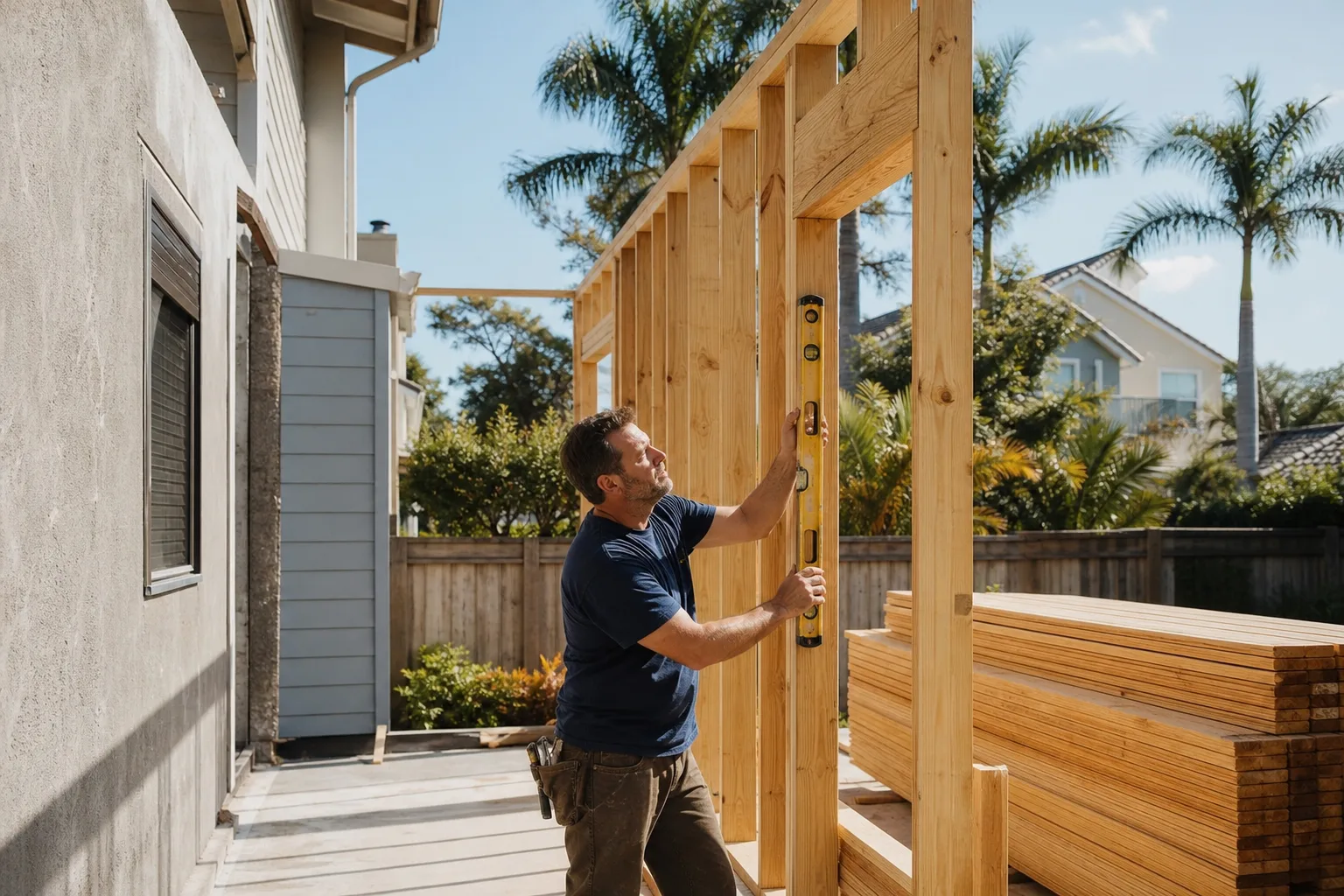
An ADU in Santa Ana finishes when three clocks stop: permitting, procurement, and construction. Plan-check runs 6 – 10 weeks and restarts on an incomplete application. Materials must be ordered during that window, not after it, or you add four to eight weeks. Inspections run in a fixed six-stage sequence, and each failure costs five to ten business days. Add a weather contingency for October-to-March grading and a utility application filed alongside the plan submittal, and the 14 – 22-week, 22 – 34-week, and 28 – 44-week ranges become schedule commitments rather than guesses. That’s what a written price buys you: a plan you can hold someone to.
Written by the team at Rowan Construction Group Santa Ana.