Last updated November 18, 2026
Free written scope consultation - allowances, timeline, and change-order rules on paper before a single trade is scheduled
How Long Does Fence Installation Take? Timelines and What to Expect
A 150-linear-foot wood fence takes one crew roughly two days to install. But the median total project window in Orange County, including permit issuance and 811 utility marking, runs 18 to 30 calendar days before a single post is set. That gap is where most homeowners get blindsided: they budget for the install, not the waiting. This guide breaks the timeline into five distinct phases with actual day counts for each, so you can hold any contractor to a realistic schedule. We’ll cover what extends timelines in Santa Ana specifically, how material choice changes the math, and which dates you should require in writing before signing anything.
Quick Answer
Fence installation takes two to five days of actual crew time for most residential jobs, but the full project from signed contract to final inspection usually runs 18 to 30 days in Santa Ana. The waiting comes from permit review, utility marking, HOA approval, and material lead times. Chain-link is the fastest at one to three install days; wrought iron is the slowest, often two to three weeks just for fabrication.
Styles & brands we work with
- Kitchen remodeling
- Bathroom remodeling
- Home additions & ADU
- Roofing
- Windows & doors
- Driveway & pavers
- Fence
Table of Contents
- The Five Phases of a Fence Installation Timeline
- Why 811 Utility Marking Takes Longer Than You Think
- Three Santa Ana Variables That Extend Timelines
- Post Concrete Cure Time and Why It Gates the Job
- Install Timelines by Fence Material
- What a Written Project Schedule Should Look Like
- Common Mistakes to Avoid
- Frequently Asked Questions
The Five Phases of a Fence Installation Timeline
Most contractors give you one number: “about a week.” That single figure hides the four other phases that actually determine when the job finishes. Here’s how a fence installation in Santa Ana breaks down, phase by phase, with realistic day counts.
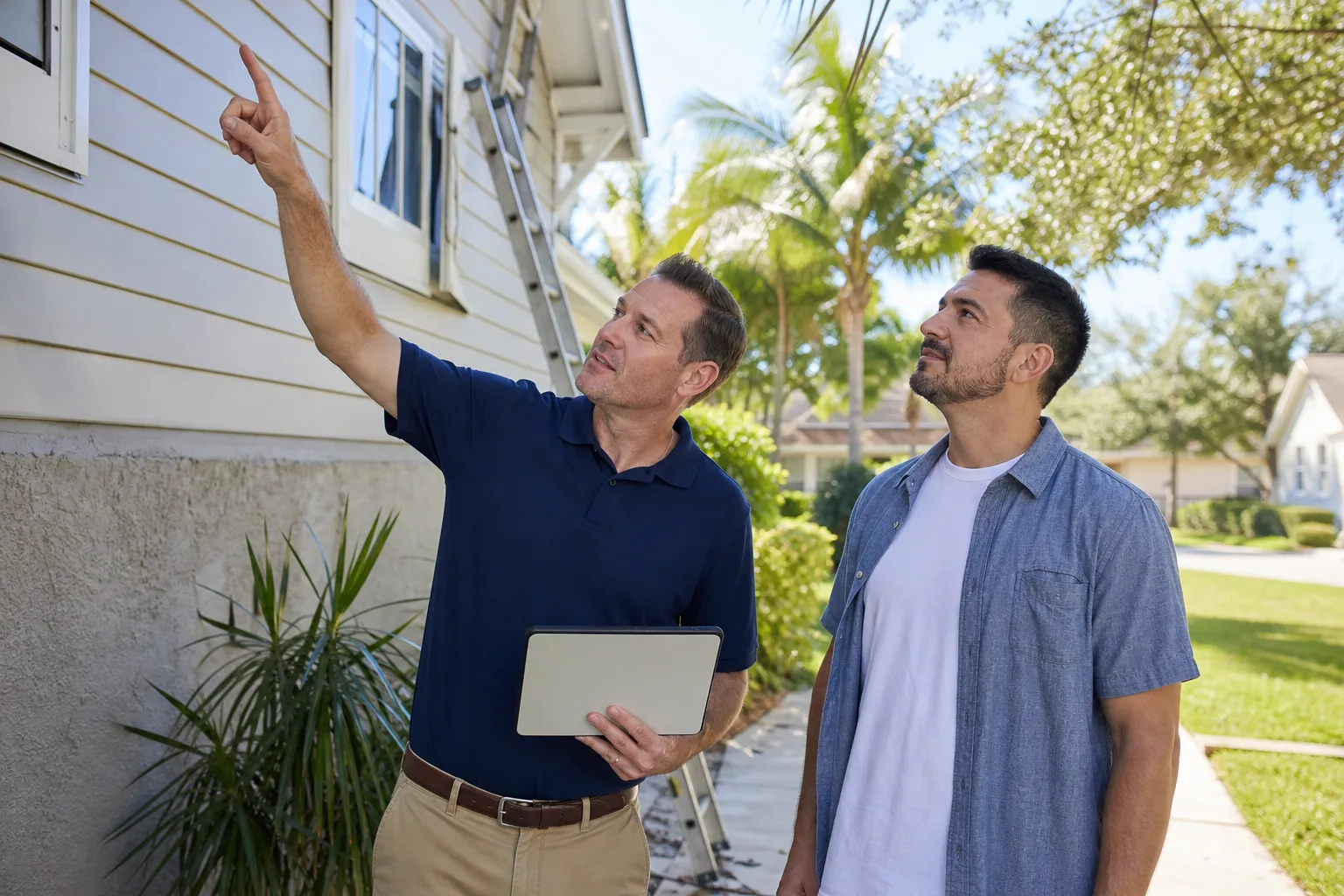
- Site survey and layout (1 to 3 days). We walk the property line, confirm where the fence goes relative to the survey markers, check for grade changes, and note any obstructions like irrigation lines or existing concrete footings. On corner lots or hillside properties in Santa Ana, this can stretch to three days because setbacks need verifying against the plat.
- Permit application (5 to 15 business days). The City of Santa Ana requires a permit for fences over six feet and for any fence in a front-yard setback or on a corner lot. Plan review typically runs one to three weeks depending on workload.
- 811 utility marking (3 business days minimum). California law requires calling 811 at least two working days before excavation; the marking window is legally three business days. We schedule this immediately after permit submission so the two run in parallel.
- Material delivery (3 to 14 days). Standard wood and chain-link usually arrive within a week. Vinyl in specific colors and wrought iron panels are made to order.
- Installation (1 to 5 days). Depends entirely on material and linear footage, detailed below.
The takeaway: install day count is the smallest number on the calendar. When someone quotes you a fence timeline, ask which phases are included.
Why 811 Utility Marking Takes Longer Than You Think
Digging a post hole without an 811 ticket is illegal in California and genuinely dangerous. Gas, electric, water, and fiber lines run at depths that vary widely, and older Santa Ana neighborhoods have service laterals that don’t match current records. The marking itself is free and simple: you (or your contractor) call 811, and utility companies send crews to mark their lines within three business days.
The trouble is what happens after the marks go down. If a line runs exactly where a post needs to go, the post location shifts, the layout changes, and the crew may need to hand-dig rather than use an auger. Hand-digging a post hole takes three to four times as long as machine work. On a 150-foot run with eight to ten posts, that can add a full day.
We’ve seen Santa Ana jobs where the marking window itself got extended because a private utility (not covered by 811) had an unmarked line on the property. Private lines – irrigation, landscape lighting, pool equipment feeds, and lines to detached structures – are the homeowner’s responsibility to locate or have located by a private service. We ask about these during the site survey so the surprise doesn’t land on install day.
If your property has a history of additions, detached garages, or pool equipment, budget an extra three to five days for private locating. It’s the single most common reason a fence job slips past its promised start date.
Three Santa Ana Variables That Extend Timelines
Santa Ana has three local conditions that reliably stretch fence timelines beyond the generic estimate. Knowing them ahead of time lets you plan, and lets you ask better questions.
1. HOA architectural review
Large portions of Santa Ana – particularly the planned communities and newer subdivisions – sit under HOAs with architectural review committees. Most require an application, a plat showing the fence location, material samples, and a color match to the existing scheme. Review cycles commonly run two to four weeks, and some committees only meet monthly. The HOA clock runs parallel to permits, but if the committee rejects a material or height, you restart. We confirm HOA requirements during the site survey, before anyone orders material.
2. Corner-lot setback variance requests
Corner lots in Santa Ana face stricter sight-distance requirements at intersections – typically a 15- to 25-foot visibility triangle at the corner where fences must stay low or step back. If your planned fence intrudes, you’ll need a variance, which adds four to eight weeks for a planning review. It’s the longest single delay in the process, and it’s avoidable by designing the fence to fit the setback from the start.
3. Lumber yard stock for specific fence heights
Six-foot cedar dog-ear pickets are stocked everywhere. Seven- and eight-foot boards in a specific species or grade are not. Santa Ana lumber yards may quote four to six weeks for a special order, and that’s assuming the mill hasn’t run short. When you specify a fence height above standard, ask for the yard’s actual current lead time in writing before you sign – not the catalog number.
Post Concrete Cure Time and Why It Gates the Job
Every post sits in a concrete footing, and concrete needs time before it carries load. That single fact decides whether a job finishes in one continuous push or gets gated into two or three visits.
Standard practice sets posts in concrete and waits 24 to 48 hours before attaching rails and panels. Under 24 hours, the concrete is still green and can shift under the weight of the fence framing, which is how you get a wavy fence line six months later. Some contractors backfill with soil and skip the wait; we don’t, because the fence won’t hold a straight line through a Santa Ana summer.
For a typical residential run, that means:
- Day 1: Layout, auger holes, set posts, mix and pour concrete.
- Day 2 (or 3): Return after cure, attach rails and panels or pickets.
- Day 3 or 4: Gates hung, hardware installed, site cleanup, final walkthrough.
A crew can set all posts and return the next morning on larger jobs, which compresses the calendar. But no credible contractor panels a post the same day it was poured. If someone promises a one-day fence, ask how they handle cure time. The answer tells you what you’re buying.
Fast-setting concrete mixes shorten the wait to a few hours, and some contractors use them on small jobs. We use standard mix unless the schedule genuinely requires otherwise, because cure strength matters more than a single saved day. Our technicians have up to 19 years of experience and will tell you plainly which approach the job needs.
Install Timelines by Fence Material
The material you choose sets both the installation days and the lead time. Here’s how the common options compare for a typical 150-linear-foot residential run.
- Chain-link: 1 to 3 install days. Galvanized chain-link is stocked locally, arrives within a week, and goes up fast because the posts are driven or set in a single pass. The fastest option by a wide margin.
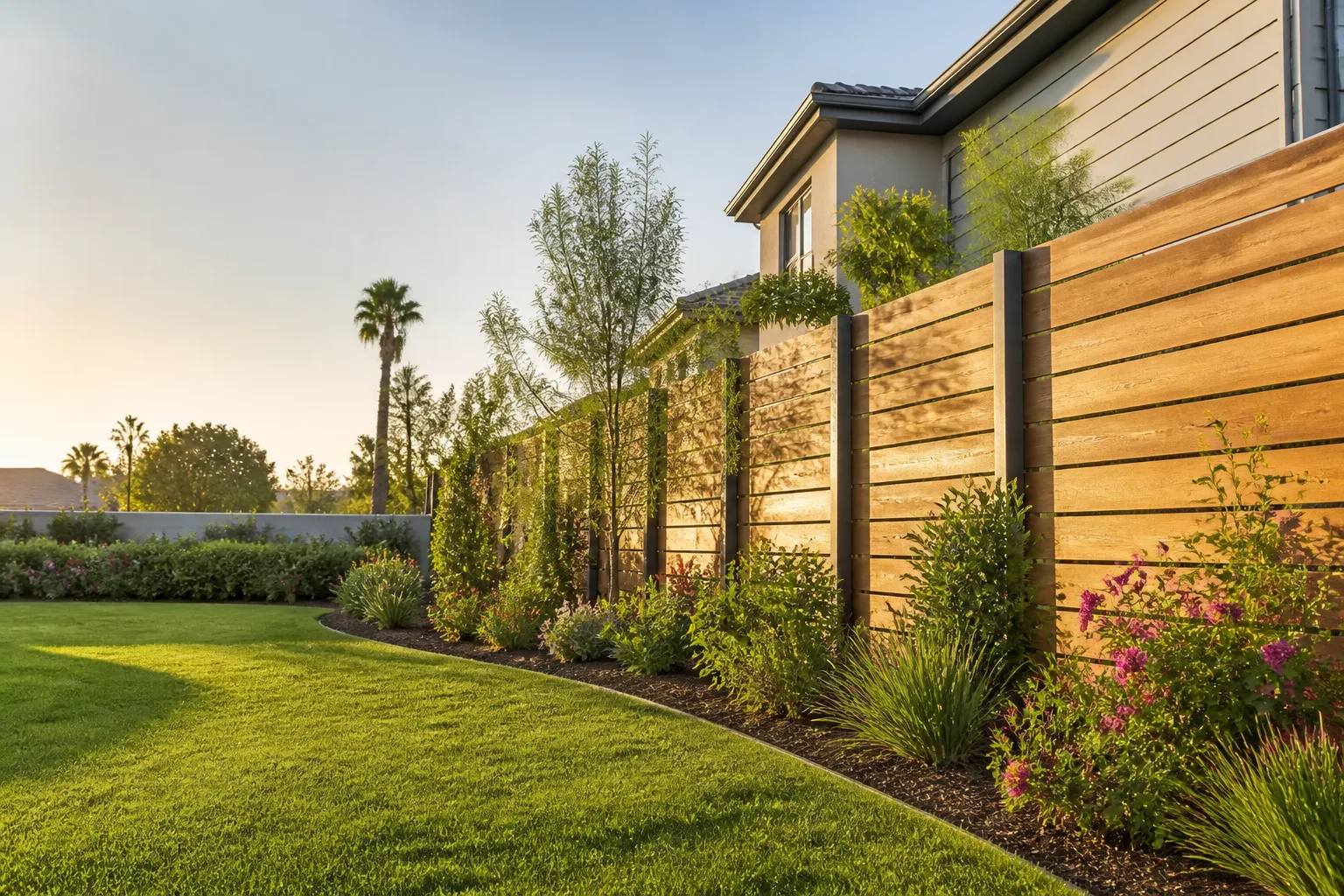
- Wood (cedar or redwood): 2 to 4 install days. Standard heights are stocked, concrete cure gates the job, and rails and pickets go on after posts set. Most common fence in Santa Ana for good reason – repairable, replaceable board by board.
- Vinyl: 3 to 5 install days. Panels arrive pre-assembled but specific colors and heights can carry two to four weeks of lead time. Vinyl needs a straighter, more level post line than wood, so prep takes longer.
- Wrought iron: 2 to 3 weeks for fabrication, then 2 to 4 install days. Welded steel panels are made to your measurements, so fabrication dominates the schedule. It’s the longest total window and the most weather-stable once installed.
- Composite: 2 to 4 install days after a 1 to 3 week lead time. Heavier boards, different fastening, but similar install rhythm to wood.
The pattern: the material with the shortest install time isn’t always the fastest project. Wrought iron’s fabrication window usually outweighs its install speed. If speed matters, chain-link and standard-height wood win. If longevity and low maintenance matter more, vinyl and wrought iron justify the wait.
What a Written Project Schedule Should Look Like
A written schedule is the difference between “about two weeks” and a date you can actually plan around. Before signing anything, require the schedule in writing with these milestones spelled out:
- Contract signing date – the anchor for everything else.
- Permit application submission date – ideally within 3 business days of signing.
- 811 call date and expected marking completion – 3 business days after the call, minimum.
- Material order confirmation and expected delivery – with the yard’s current lead time stated, not a catalog number.
- Post cure completion and paneling date – the day the fence is fully up.
- Final inspection and walkthrough date – with a completed punch list.
Each milestone should carry a specific date, not a range like “mid-month.” If a phase depends on an outside party – the city, the HOA, the lumber yard – the schedule should say so and name the dependency. Under Clause 1 of The Haven Standard, a written price comes before anyone picks up a tool. A written schedule belongs right alongside it. If a contractor can’t produce one, that tells you how the project will go once work starts.
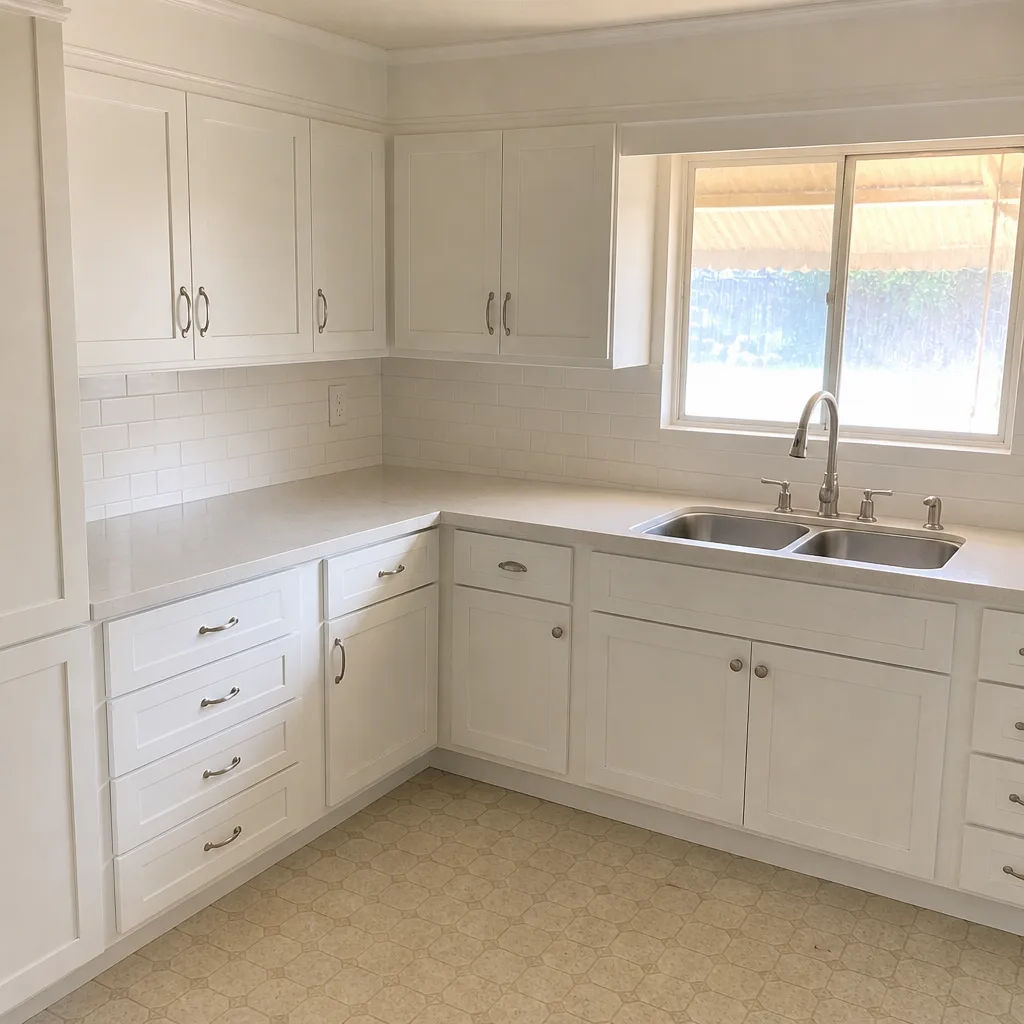
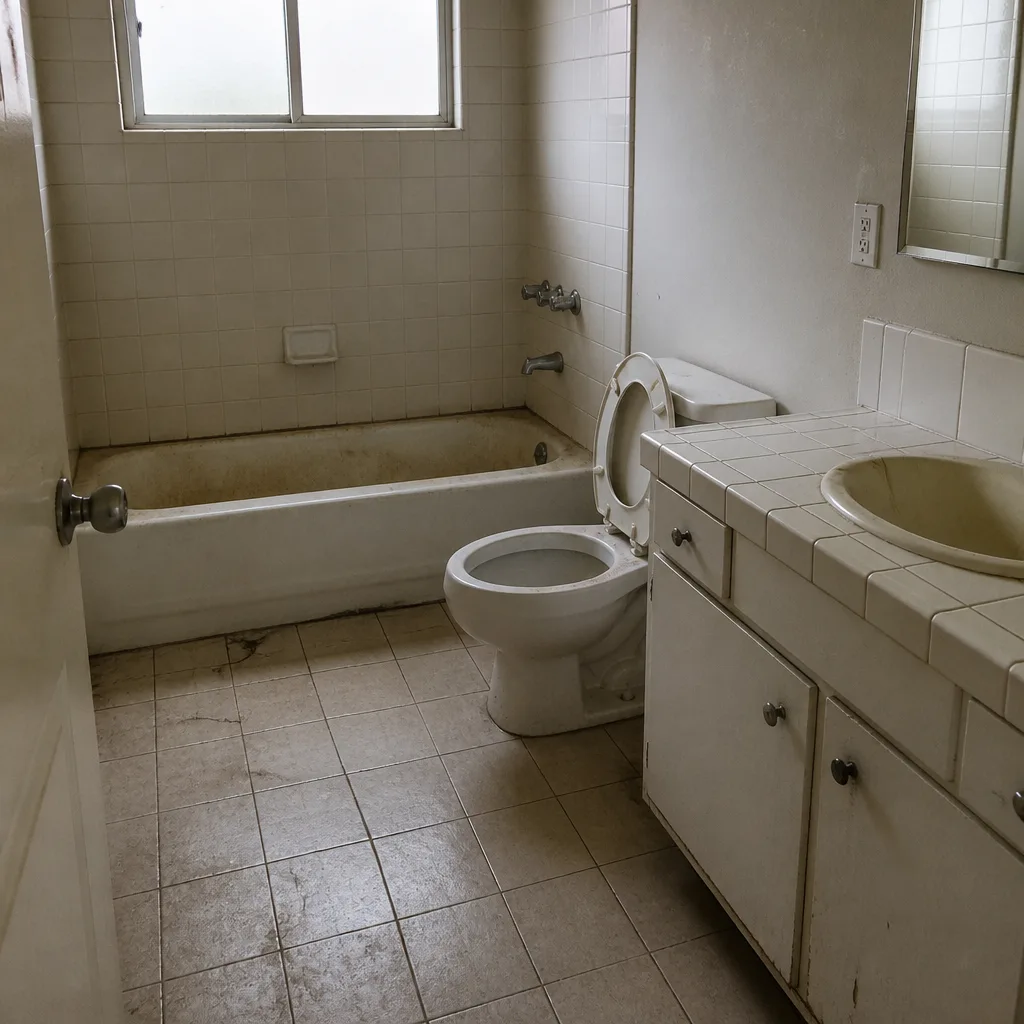
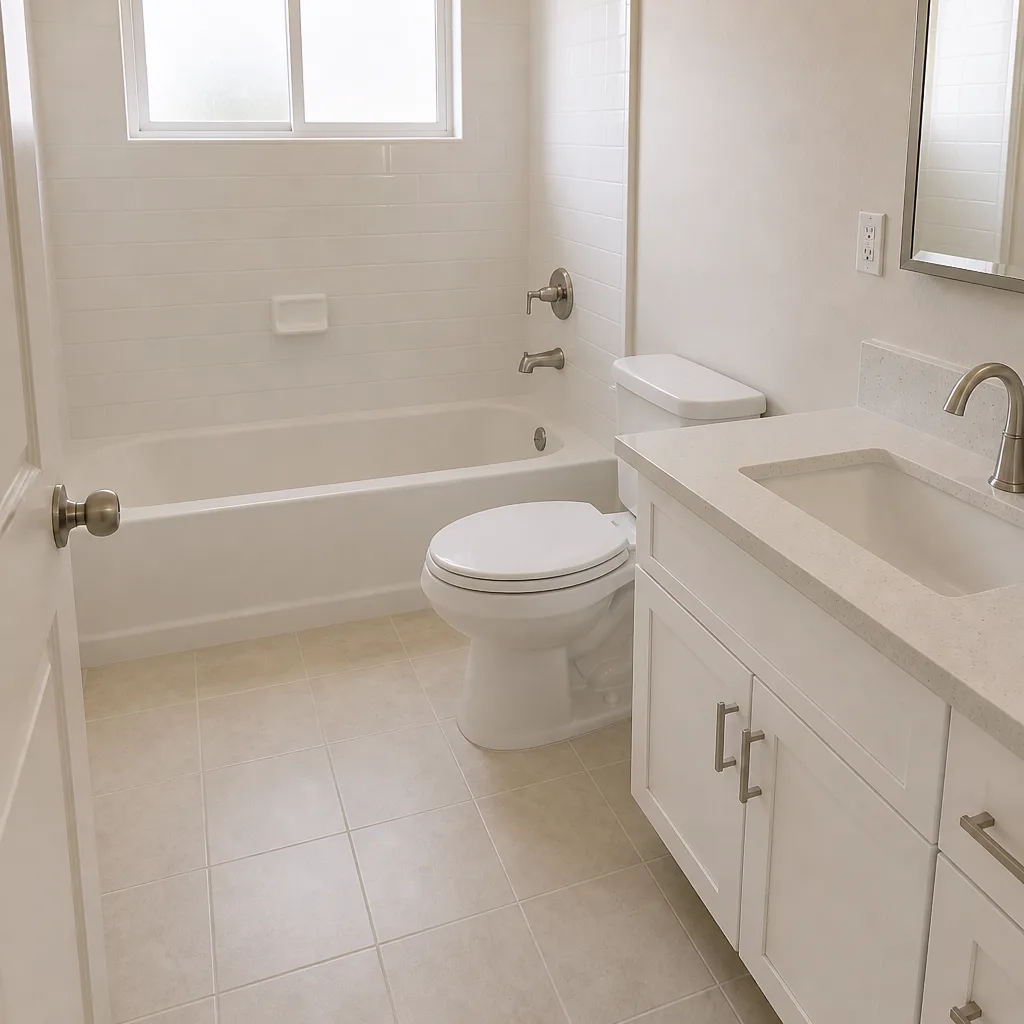
See the difference
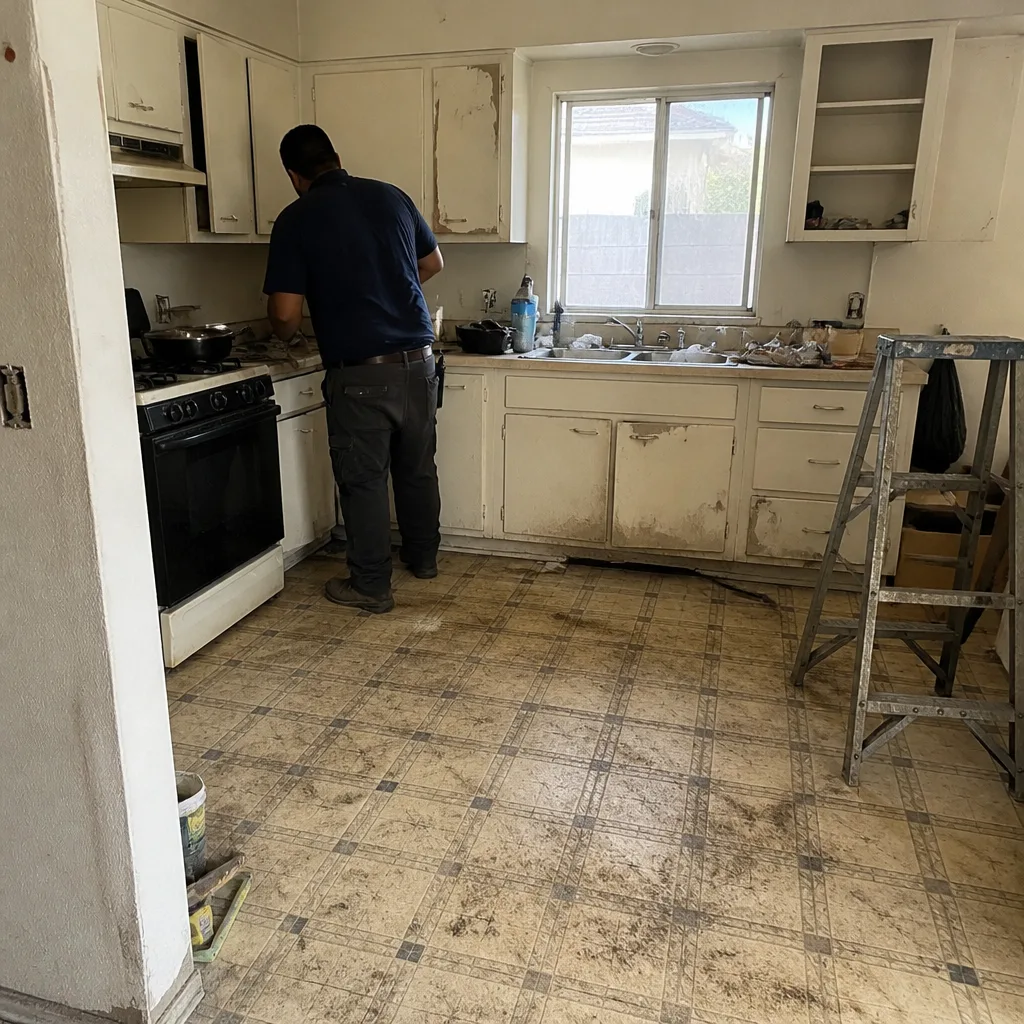 Before
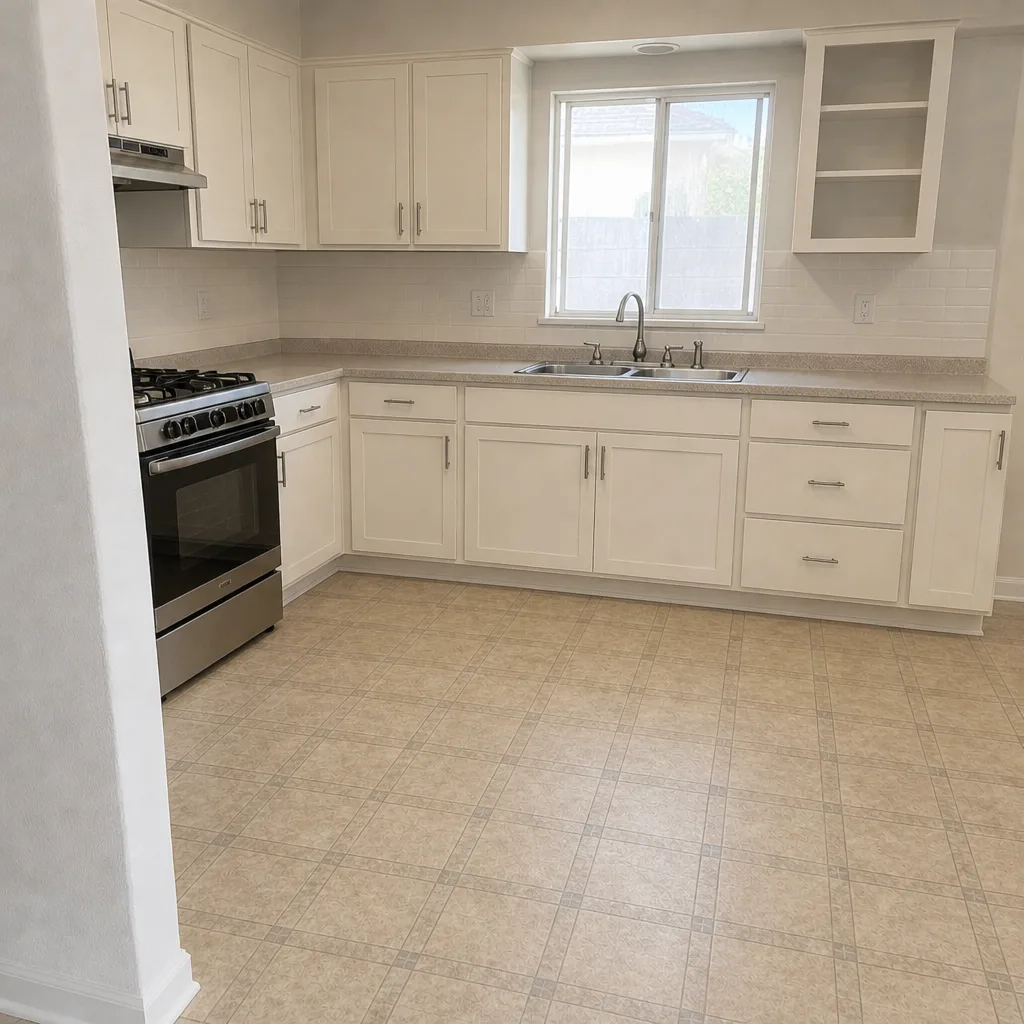 After
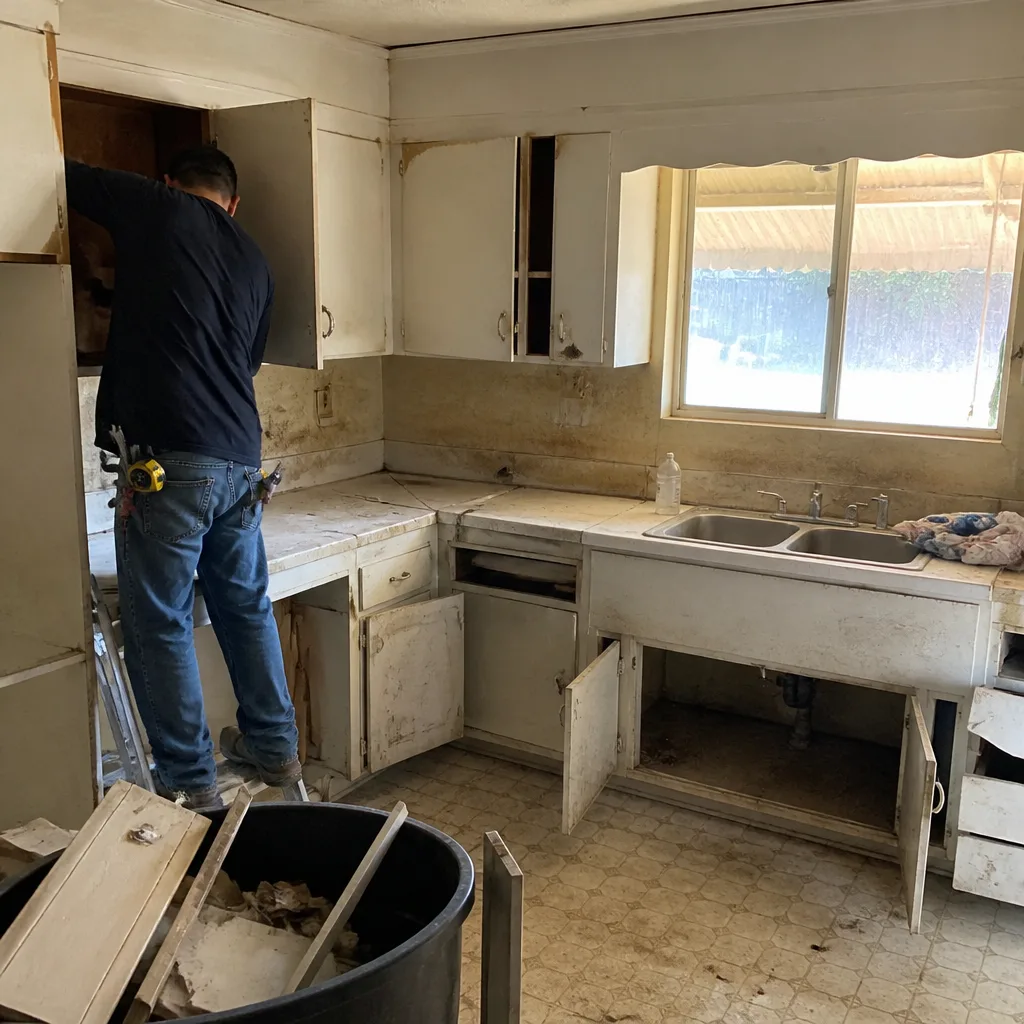 Before
 After
 Before
 After
Common Mistakes to Avoid
- Signing before the permit clock is explained. If a contractor quotes “two weeks” without mentioning permit review time, they’re either unfamiliar with Santa Ana’s process or hoping you won’t ask. Get the permit phase in writing.
- Skipping the HOA check. Buying materials before the architectural committee approves the design is the most expensive mistake we see. A rejected color can cost the full order.
- Assuming 811 covers private lines. It doesn’t. Irrigation, landscape lighting, and lines to detached structures need a private locator, and the surprise comes on install day. Flag them during the survey.
- Paneling over green concrete. A fence that goes up fast often goes crooked slowly. Cure time is not optional, and a contractor who skips it is trading your six-month result for their two-day schedule.
- Ordering a non-standard height without a written lead time. Seven-foot cedar boards aren’t sitting on a Santa Ana lumber yard rack. Get the yard’s actual current lead time before you commit.
- Ignoring corner-lot sight-distance requirements. A fence that fits the setback by design avoids a four-to-eight-week variance review. Ask about the visibility triangle at the survey, not after the plan is drawn.
- Accepting a verbal timeline. No dates on paper means no accountability. Require the seven milestones above in writing.
When to Call a Professional
Some fences can be a weekend project. Most in Santa Ana shouldn’t be. Call a professional if your fence is over six feet, sits on a corner lot, requires a permit, or runs anywhere near utility lines, because the 811 and setback rules carry real legal weight. Call us if you want the full timeline mapped before you commit: we walk the property and confirm permit requirements, HOA conditions, and material lead times during the site survey. If you’re comparing written estimates, our team reviews a competitor’s quote line by line at no charge. Fence Installation in Santa Ana is one of our seven residential trades, quoted with a flat written price and a documented photo record on every visit. For a free estimate, fence installation in Santa Ana is the place to start.
Frequently Asked Questions
Installation itself takes two to five days for most residential jobs, but the complete timeline from signed contract to final inspection usually runs 18 to 30 calendar days in Santa Ana once permits, 811 utility marking, HOA review, and material lead times are included. The install is the shortest phase. Call (833) 853-5955 for an exact quote – estimates are free.
You need a permit for fences over six feet, and for any fence in a front-yard setback or on a corner lot. Standard backyard fences at or below six feet generally don’t require one. Permit review typically runs five to fifteen business days. We confirm your specific property’s requirements during the site survey so nothing surprises you mid-project.
California law sets a minimum marking window of three business days after you call 811. If a marked line conflicts with a post location, the crew hand-digs or shifts the post, which can add a day. Private lines – irrigation, landscape lighting, pool feeds – are not covered by 811 and need a separate locator.
No credible contractor panels a fence the same day the posts are poured. Concrete needs 24 to 48 hours of cure before it carries load. Chain-link can sometimes be finished quickly because posts are driven, but wood, vinyl, and wrought iron need at least a cure wait. Ask any contractor quoting one day how they handle cure time.
Chain-link is fastest at one to three install days and is usually stocked locally, so it can start quickly. Standard-height wood is next at two to four days. Vinyl takes three to five days after lead time, and wrought iron is the longest total project at two to three weeks for fabrication before install even begins. Call (833) 853-5955 to compare written quotes across materials.
Not without a signed change order. Our written quote is a flat price with a written scope and a written warranty, and no work proceeds on a change until you sign it. The 365-Day Done Right Promise backs the result. Call (833) 853-5955 for an exact written estimate – estimates are free.
The Bottom Line
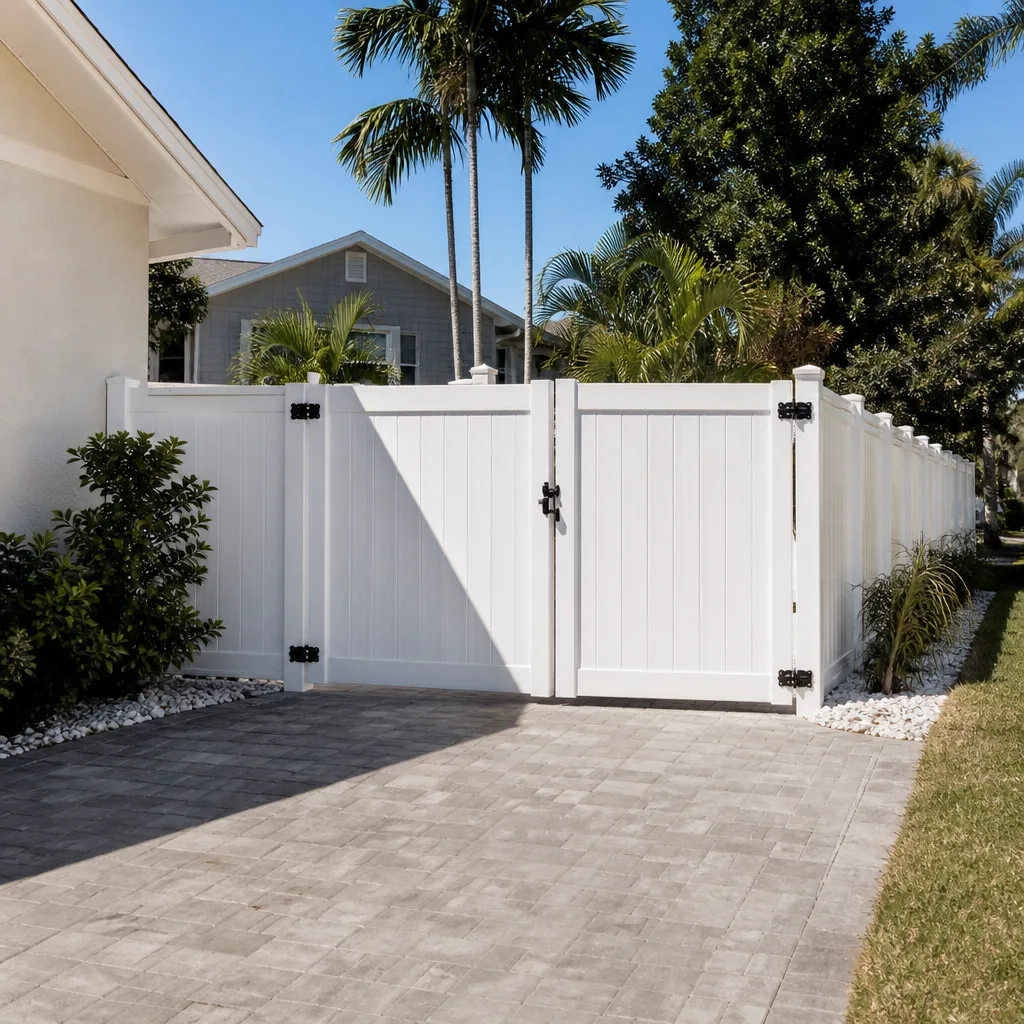
Fence installation timelines are set by permit offices, 811 marking windows, HOA review, and material lead times – not by how fast a crew can set posts. A 150-foot wood fence is two install days; the full Santa Ana project window is 18 to 30 calendar days. Three local variables stretch that most: HOA architectural review, corner-lot setback variances, and special-order lumber heights. Cure time gates every job, so a one-day promise is a warning sign. Before signing, require seven milestone dates in writing. That schedule, a flat written price, and a photo record on every visit are what you should expect.
If you’re in Santa Ana and want the timeline mapped against your actual property, Driveway & Pavers in Santa Ana and Home Additions & ADU in Santa Ana projects share the same permit and scheduling discipline. For a free estimate on your fence, call (833) 853-5955. You can also start from the Rowan Construction Group Santa Ana home page to see all seven trades.
Written by the team at Rowan Construction Group Santa Ana.